

Complete guide to cat nutrition and feeding for pet owners
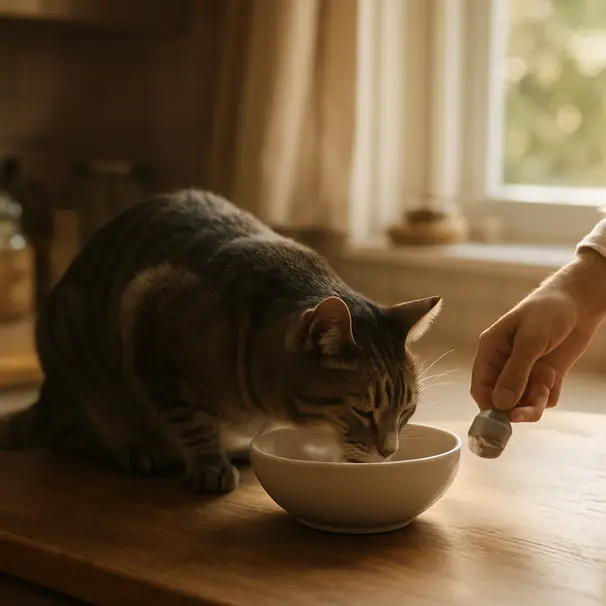
Cats can be picky, charming, baffling and utterly lovable. Feeding them well is one of the simplest ways to show care, and also one of the most important. This guide covers the essentials of feline nutrition, practical feeding tips, how to read food labels, and when to seek professional advice. Grab a cup of tea, and let’s talk cat food with a friendly, no-nonsense approach.

Why nutrition matters for cats
Good nutrition supports energy, coat quality, digestion and immune health. Cats are obligate carnivores, which means their bodies use nutrients from animal sources differently than omnivores do. That fact underpins everything about diet choice, whether you’re feeding a playful kitten, a mellow senior, or an indoor-only lap cat.
Nutrition can help manage weight, reduce the risk of some chronic problems, and may improve behaviour and vitality. It’s useful to remember that food is not just calories; it’s daily medicine and comfort. Consider working with your veterinarian or a trusted pet carer when planning changes to your cat’s diet, especially for kittens, seniors, or cats with health concerns.
Understanding essential nutrients
Cats need a balance of proteins, fats, carbohydrates, vitamins and minerals. Here are the highlights to keep in mind.
- Protein: Cats rely heavily on animal protein for amino acids they cannot make themselves, such as taurine. High-quality protein supports muscle maintenance and organ health.
- Fats: Fats provide energy, support skin and coat health, and help the body absorb fat-soluble vitamins. Essential fatty acids like omega-3s may support cognition and inflammation management.
- Carbohydrates: Cats don’t need many carbs, but small amounts in commercial foods help with texture and kibble formation. Too many carbs can contribute to weight gain.
- Water: Hydration is vital. Cats evolved to get moisture from prey. Free access to fresh water is always important, and wet food can help increase daily fluid intake.
Consider that nutrient needs change across life stages. Kittens, pregnant or nursing cats, adult maintenance, and seniors each benefit from tailored nutrient profiles. Consult a veterinarian to confirm the best approach for your cat’s life stage.
Types of cat food: wet, dry and raw
There are three main categories of prepared diets, each with pros and cons.
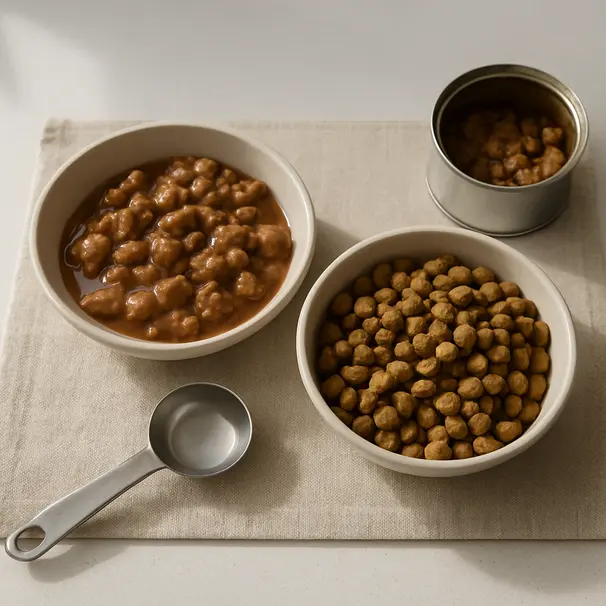
- Wet food (canned or pouches): Higher moisture content, usually more palatable, helpful for hydration and for cats with small appetites. It tends to be more expensive and spoils faster once opened.
- Dry food (kibble): Convenient, shelf-stable and often more affordable. Kibble may support dental abrasion, though it is not a substitute for dental care. Dry food typically has lower moisture content.
- Raw and home-prepared diets: Some owners prefer raw or homemade food for perceived natural nutrition. Preparing nutritionally complete homemade or raw diets is challenging. If you choose this route, consider working with a veterinary nutritionist, and store and handle raw food safely to avoid bacterial risks.
Combining wet and dry food can offer variety and the hydration benefits of wet food. Monitor portions to avoid overfeeding when mixing types.
How to choose a commercial cat food
Look for foods that meet AAFCO or local regulatory standards for complete and balanced nutrition. Those statements mean the food has either passed feeding trials or been nutrient-profiled to meet feline requirements.
Read the ingredient list with an eye for quality, not just marketing terms. Ingredients are listed by weight, so meat listed early is a good sign. Be cautious with vague terms like “meat by-product” unless you understand what they mean.
Don’t be swayed only by fancy packaging. Instead, consider these practical factors:
- Your cat’s life stage and activity level.
- Any health issues, like kidney disease, allergies or urinary problems.
- Budget and convenience.
- Your cat’s taste preferences.
If your cat needs a therapeutic diet for a health condition, a veterinary prescription diet may be appropriate. Consider a professional’s guidance rather than attempting to manage medical conditions with over-the-counter foods.
Feeding routines and portion guidelines
Cats benefit from a predictable routine. The right feeding schedule depends on your cat’s age and temperament.
- Kittens: Usually three to four small meals daily, because they burn energy fast and have small stomachs.
- Adult cats: Two meals a day is common, morning and evening. Some owners prefer free-feeding dry food, but that can lead to overeating in less active or food-motivated cats.
- Seniors: Smaller, more frequent meals can help if appetite changes are an issue.
Portioning: Use the feeding guide on the food label as a starting point. These are rough estimates. Calories needed vary with activity, metabolism and body condition. Weigh your cat regularly and adjust portions to maintain a healthy body condition, not a specific number on the scale.
Practical portion tips:
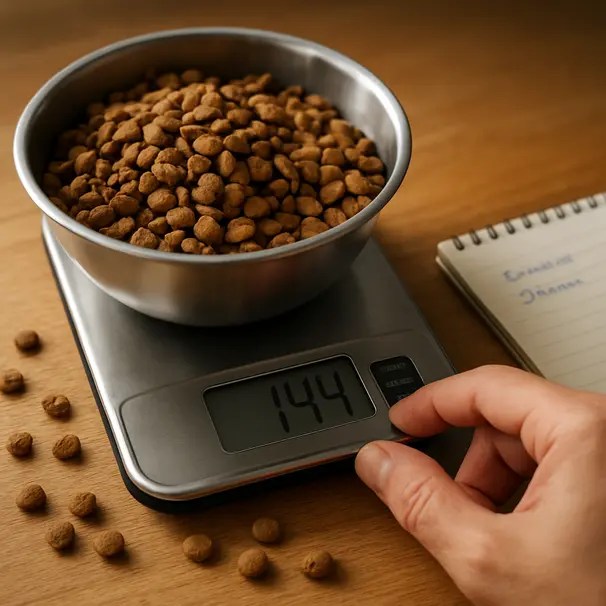
- Weigh food with a kitchen scale for accuracy.
- If mixing wet and dry, calculate total daily calories and split accordingly.
- For multi-cat households, consider separate feeding stations or microchip feeders to ensure each cat gets the right food and amount.
Treats, supplements and add-ins
Treats are great for training and bonding, but they should be limited to about 5–10% of daily calories. Choose treats formulated for cats, and watch for high-carb or high-fat human treats that can upset digestion.
Supplements: Most complete commercial diets meet basic vitamin and mineral needs. Supplementation can be helpful in specific situations, but excessive supplementation may be harmful. Consider supplements only under veterinary advice, especially for omega-3s, joint support or probiotics.
Safe add-ins: Plain cooked chicken, small amounts of fish, or a spoonful of wet food can encourage eating. Avoid onions, garlic, grapes, raisins, chocolate, alcohol, xylitol, and other toxic foods.
Hydration: simple habits that help
Fresh water should always be available. Some cats prefer running water, so a cat fountain may encourage drinking. Try multiple bowls around the house, and clean them daily.
Offering wet food regularly is an easy way to boost fluid intake. If your cat is prone to urinary issues, consider discussing targeted diets with your vet that may help maintain urinary tract health.
Special diets and life stage considerations
Kittens, pregnant cats and seniors have different nutritional needs. Older cats may need diets with joint support, adjusted protein levels or more palatable textures. Cats with medical conditions like diabetes, kidney disease, or food allergies may benefit from prescription diets or elimination trials.
Always consider these points with special diets:
- Transition slowly over 7–10 days to reduce digestive upset.
- Monitor weight, stool quality and appetite when changing diets.
- Talk to your veterinarian before starting or stopping prescription foods.
Reading labels without getting overwhelmed
Labels can be confusing, but a few clear steps make them manageable.
- Check the life stage and feeding trial statement.
- Look at the guaranteed analysis for crude protein, fat and fiber, then consider the ingredients list.
- Watch calorie content if you are controlling portions or trying to change weight.
If an ingredient or claim is unclear, reach out to the manufacturer or ask your vet for clarification. A trusted pet carer or groomer may also offer practical experience with specific brands.
Switching foods and dealing with picky eaters
Cats can be stubborn. Here’s a gentle plan to switch foods:
- Start with about 75% old food and 25% new food for 2–3 days.
- Move to 50/50 for another 2–3 days, then 25/75.
- Finish with the new food alone after about a week.
If your cat refuses the new food, try warming it slightly, adding a small topper, or offering a transition diet from the same brand. If appetite loss persists for more than 24–48 hours, consult your veterinarian, since loss of appetite can signal health issues.
Common feeding mistakes and practical solutions
- Overfeeding: Measure portions and avoid free-feeding high-calorie diets. Use puzzle feeders to slow fast eaters.
- Relying entirely on dry food: Consider adding wet meals for hydration and variety.
- Sudden diet changes: Transition slowly to avoid digestive upset.
- Ignoring body condition: Learn to assess your cat’s body condition visually and by touch. Adjust calories accordingly.
Practical tip: Keep a feeding diary for a week if you’re puzzled about weight changes or stools. Note what, when and how much your cat eats. That record can be invaluable for vets and carers.

When to check with a vet
Contact your veterinarian if you notice changes in appetite, rapid weight loss or gain, vomiting, diarrhea lasting more than a day, difficulty urinating, or obvious signs of discomfort. Your vet can help rule out medical causes and advise on dietary adjustments or tests. Consider routine checks for senior cats at least twice a year, as nutritional needs and health can change quickly.
Practical shopping and storage tips
- Buy from reputable suppliers and check expiry dates.
- Store dry food in a cool, dry place in sealed containers, and keep canned food refrigerated after opening.
- Rotate opened cans and pouches so nothing ages at the back of the fridge.
- Buy small quantities of wet food if your cat is picky or you’re trying new flavors.
Quick reference: daily checklist for feeding
- Provide fresh water daily, clean bowls regularly.
- Measure portions with a scale or measuring cup.
- Offer scheduled meals unless advised otherwise by a vet.
- Limit treats and count them toward daily calories.
- Watch body condition and weight, adjust portions as needed.
- Consult your vet for major dietary changes or health concerns.
Final thoughts
Feeding your cat well is a blend of science and observation. High-quality nutrition supports long-term health, but each cat is an individual. Be patient, watch how your cat responds, and rely on professionals when needed. With sensible choices and small, consistent habits, you’ll help your cat thrive and make mealtimes a peaceful, joyful part of daily life.
If you’re working with a pet carer through Floofy, share your cat’s feeding routine, preferences and any medical needs. Clear communication helps carers maintain consistency and keeps your cat comfortable while you’re away.
Happy feeding, and may your cat always find their bowl brimming with goodness and their nap spot warm.