

Welcome to guinea pig care
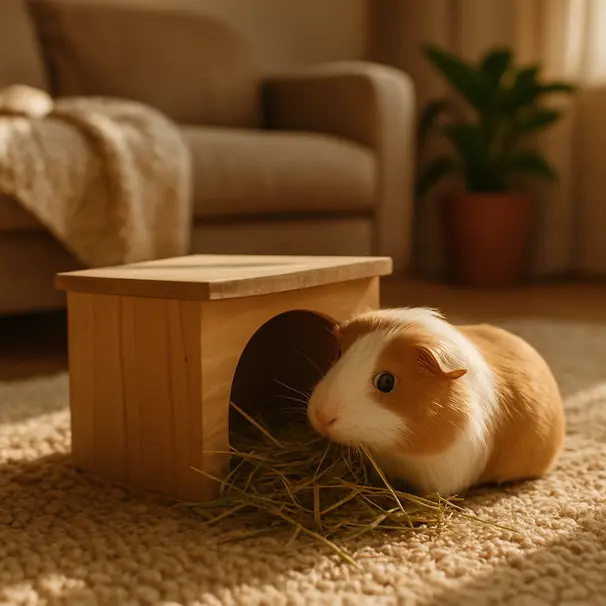
Guinea pigs are small bodies with big personalities. They purr when happy, chat when curious, and rely on us for a comfortable life. This guide walks owners and pet carers through everyday needs, sensible routines, gentle handling, and smart tips for staying on top of health and happiness. It’s written by someone who’s spent many evenings quietly sharing a sofa with a nosey cavy.
Getting the basics right
Housing and space
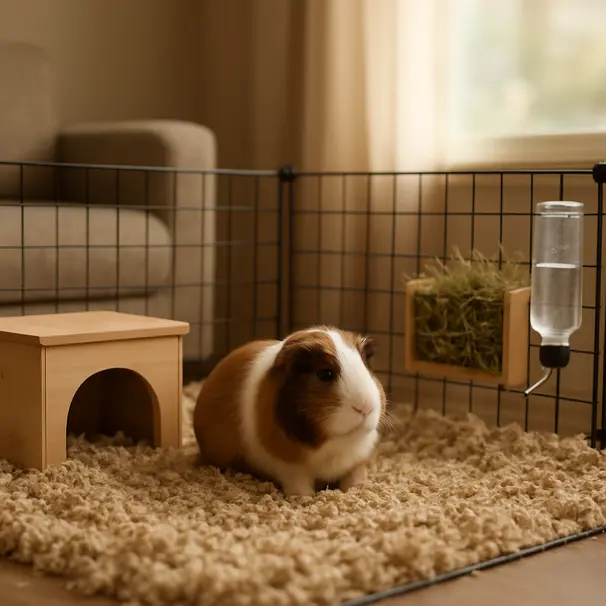
Guinea pigs need room to move, stretch, and hop. A single pig should never be kept in a tiny wire-bottom cage. Aim for a floor space of at least 7.5 square feet for one pig, and more for two. If you’re caring for a pair, increase the space rather than just squishing them together. Bigger is better.
Place the enclosure indoors, away from direct sunlight, drafts, and noisy appliances. Guinea pigs are social and prefer predictable environments, so a calm corner of a living room or quiet bedroom often works well. Avoid placing the cage on the floor where drafts and damp can reach them, but keep it low enough for kids to interact safely.
Bedding and hygiene
Use absorbent, dust-extracted bedding made from paper or aspen shavings. Avoid cedar and pine shavings, they may cause respiratory irritation. Change spot areas daily and do a full clean once a week, more often if you care for multiple pigs.
Provide a sheltered area inside the cage—a hidey hut or small box—so they can retreat when they feel shy or sleepy. A clean environment reduces stress and keeps skin and feet healthy.
Temperature and humidity
Guinea pigs are comfortable between roughly 18–24°C (65–75°F). Keep them out of hot, stuffy rooms and away from air conditioning that blows directly at their enclosure. Humidity should be moderate; very damp or very dry air can be uncomfortable.
If a carer is watching pets in a new home, check the temperature and ask the owner about any particular preferences or sensitivities the pig may have.
Food, water, and feeding routines
A balanced diet
Good food choices are simple to get right. Fresh hay should make up the bulk of a guinea pig’s diet. Timothy hay is a great staple, available from most pet stores, and promotes healthy teeth and digestion.
Offer a measured portion of guinea pig pellets each day. Choose a brand made specifically for guinea pigs, and avoid mixes with lots of seeds or dried fruit. Pellets should be vitamin C fortified because guinea pigs cannot produce their own vitamin C and need a reliable dietary source.
Fresh vegetables and treats
Provide fresh vegetables daily. Good options include romaine lettuce, bell peppers, and small amounts of carrot. Leafy greens such as spinach and kale can be given occasionally, but vary the greens to avoid relying on a single type.
Fruits are fine as an occasional treat because they contain sugar. A small piece of apple or a few berries is usually enough.
Water
Always keep fresh water available in a hanging bottle or a heavy ceramic bowl. Bottles are convenient and help keep water clean, but check them daily to ensure they’re working and not leaking. Refill with fresh water each morning.
Social life and handling
Companionship needs
Guinea pigs are social creatures and often do best with at least one compatible companion. Same-sex pairs or neutered pairs usually get along well. If you’re a carer, confirm whether the owner’s pigs are bonded and whether both must be housed together.
Introducing new guinea pigs needs patience. Allow scent swapping by placing bedding from each in the other’s environment before face-to-face meetings. Supervise initial interactions and be ready to separate them if there’s excessive chasing or aggression.
Safe handling
Approach slowly and speak softly. Let the guinea pig sniff your hand before attempting a lift. Support their chest and rear with two hands, and keep them close to your body so they feel secure. Never pick them up by the scruff or legs.
Short sessions of gentle handling help them get used to carers and visitors. If a pig freezes or vocalizes loudly, give it a break and try again later. Some pigs warm up quickly, others need days or weeks of quiet patience.
Playtime and enrichment
Enrichment keeps guinea pigs curious and mentally engaged. Simple toys, like cardboard tubes, untreated wooden blocks, and low tunnels, encourage exploration. Rotate toys every few days to keep things fresh.
Floor time outside the cage should be supervised and safely enclosed so they can’t hide under furniture. Scatter small amounts of hay or treats around to encourage natural foraging behavior. Gentle interaction with carers, such as hand-feeding or quiet lap time, strengthens trust.
Grooming and routine care
Coat and skin care
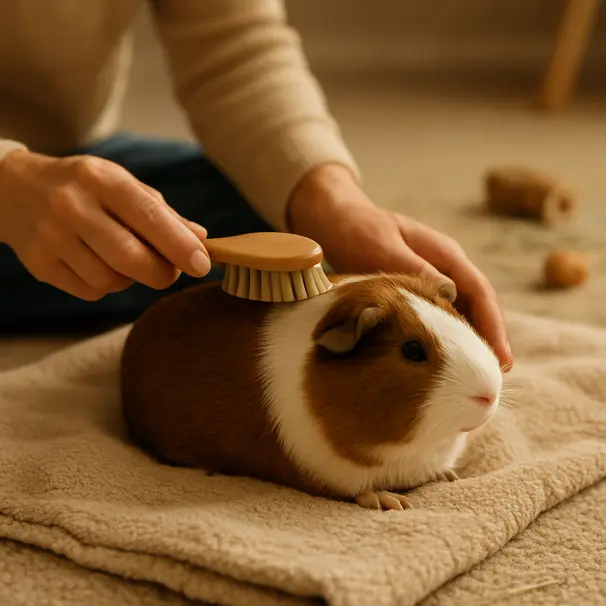
Short-haired guinea pigs need minimal grooming; a quick brush once a week may suffice. Long-haired breeds require more attention. Daily brushing helps prevent matting and keeps the coat clean.
Check for loose hair, dandruff, or bald patches during grooming. These might be signs to monitor more closely, and you may want to consult a vet if anything unusual appears.
Nail trimming
Nails grow steadily and can curl if not trimmed. Clip nails every 4–6 weeks, or ask a carer experienced with small pets to show you the technique. Trim a little at a time to avoid the quick, which is the blood vessel inside the nail.
Dental care
Guinea pigs’ teeth grow continuously. Chewing hay and safe wooden toys helps wear teeth down naturally. If you notice drooling, difficulty eating, or weight loss, consider a vet check. These can be signs of dental trouble.
Health checks and when to call a vet
Regular health checks are simple but useful. Each week, look for:
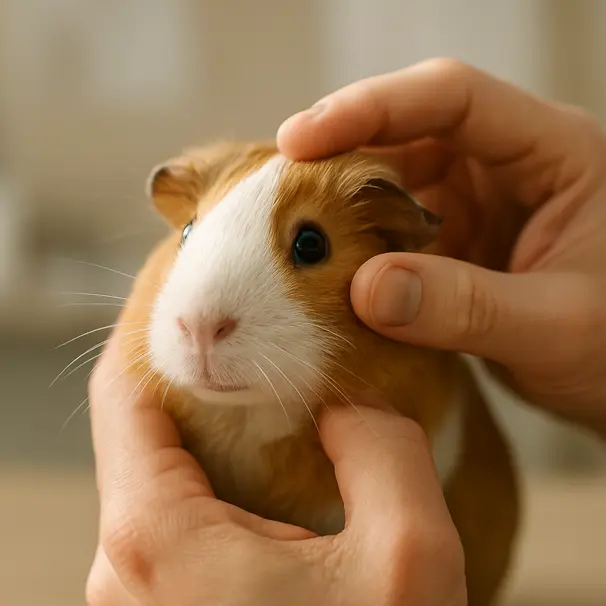
- Bright, clear eyes with no discharge
- Clean ears without strong odor
- Normal breathing with no wheeze or crackle
- A clean bottom with no diarrhea
- Steady eating and a good body condition
If a guinea pig becomes quiet, stops eating, breathes differently, or shows sudden behavioral changes, consult a vet promptly. Avoid home remedies for serious issues. A vet experienced with small mammals can assess and treat concerns safely.
Use careful language with owners: a change in eating for more than 12–24 hours can be concerning, and may warrant a phone call to a vet.
Common ailments to watch for (non-diagnostic guidance)
Some issues can crop up more often than others. Keep an eye out for:
- Respiratory problems, often signaled by sneezing, nasal discharge, or labored breathing
- Digestive slowdowns, seen as reduced droppings or poor appetite
- Skin issues like mites or fungal infections, which may cause itching or hair loss
- Dental overgrowth, which can affect chewing and weight
These notes are not diagnoses. They can help carers spot changes early, so a vet can be consulted if things don’t improve.
Tips for pet carers and sitters
Meeting the owner and the pig
Before any sitting job, get a clear handover. Ask about:
- Daily and feeding schedules
- Favorite foods, allergies, and treats to avoid
- Known health issues and vet details
- Handling preferences and stress triggers
Arrive on time, maintain the household’s routine, and leave a short note for the owner about how the visit went.
Transport and visits
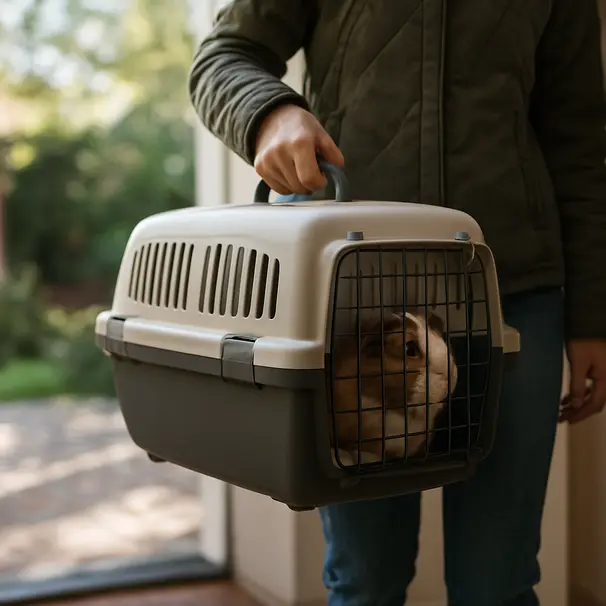
If you need to move a guinea pig, use a secure, well-ventilated carrier with soft bedding. Keep the carrier level and avoid sudden stops. Short car rides are usually fine if the temperature is comfortable.
When visiting new homes, take a quiet approach. Give guinea pigs a few minutes to settle before interacting. If an emergency occurs, have the owner’s emergency contacts and vet details readily available.
Record keeping
Keep a simple log for each visit: feeding amounts, any changes in behavior, and notes on droppings and appetite. A clear record helps the owner and any future carers spot trends.
Common mistakes and how to avoid them
- Underestimating space needs. Bigger cages reduce boredom and injuries.
- Offering too many sugary treats. Limit fruit and high-sugar snacks.
- Ignoring subtle behavior changes. Small shifts can be early signs of discomfort.
- Skipping social needs. Loneliness affects mood and health.
- Using the wrong bedding. Avoid aromatic woods and dusty materials.
A little attention goes a long way. Regular habits, consistency, and thoughtful enrichment help guinea pigs thrive.
Final checklist for owners and carers
- Fresh hay available at all times
- Measured pellets once daily, vitamin C fortified
- Fresh vegetables every day, fruits sparingly
- Clean water, checked daily
- Weekly cage clean and daily spot cleaning
- Safe, supervised floor time and enrichment
- Weekly grooming and routine nail checks
- A vet contact and simple health log on hand
Parting thoughts
Guinea pigs give quiet, honest companionship. They reward gentle care with lively noises, quirky habits, and a trusting hop. For carers, being reliable, calm, and observant makes all the difference. For owners, keeping to routines and choosing the right companions will help your cavy live a happy, comfortable life.
If you notice anything worrying, consider reaching out to a vet. Small pets may hide illness, and professional advice can bring reassurance and quick help.
Thanks for reading. Give your little housemate an extra nibble of hay from me.