

Complete parrot care guide for bird owners and pet carers
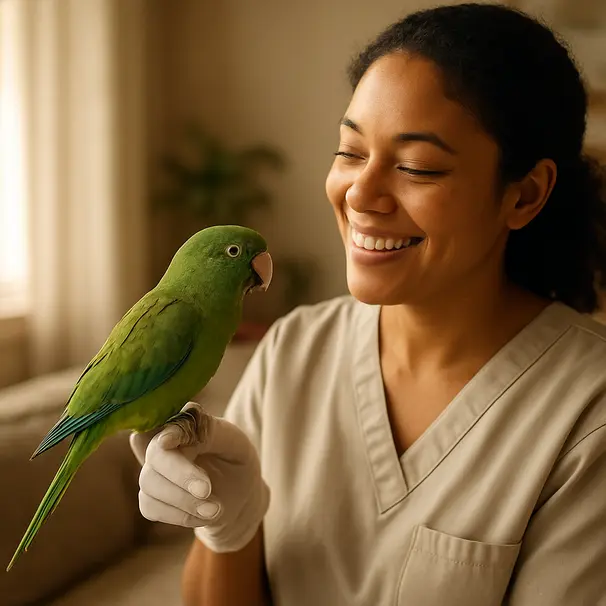
Parrots are brilliant, chatty, sometimes mischievous companions. They bring personality, colour, and a surprising amount of opinion to a home. This guide walks through the everyday care points that help parrots stay healthy, mentally bright, and well behaved. It’s written for people who own parrots and for trusted pet carers who may look after them for hours, days, or weeks.
Getting to know your parrot
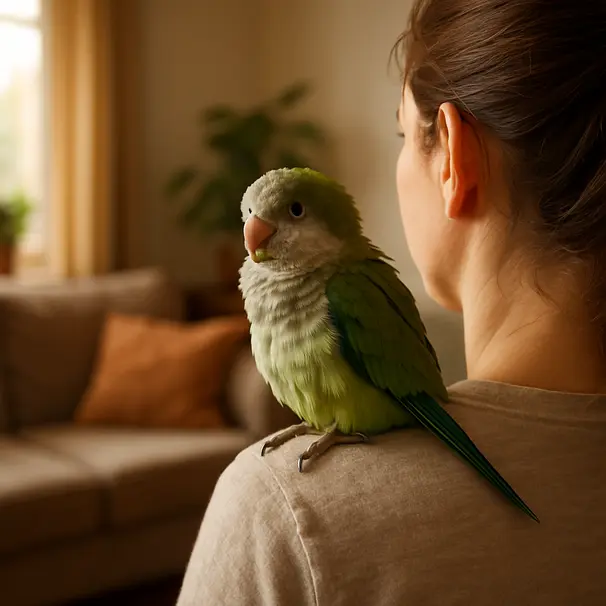
Parrots are a big family. Budgies and cockatiels are small and lively, amazons and conures are medium sized and vocal, while cockatoos and macaws need a lot of space and social interaction. Each species has its quirks. Some are calm and cuddly, others are independent or loud. Learn your bird’s natural behaviour and energy levels before planning cage size, toys, or a daily routine.
- Learn species basics: lifespan, typical size, and talkative level.
- Observe body language: fluffed feathers in cold weather, eye pinning when interested, or wing-dropping when relaxed.
- Respect individual personality: some parrots enjoy shoulder time, others prefer being nearby but not handled.
Choosing the right home: cage, room, and safety
Cage size matters more than people expect. Parrots need room to stretch wings, move between perches, and use toys. Pick a cage that allows full wingspan rotations plus space to hop and climb.
- Bar spacing: match spacing to your species to avoid trapped heads or feet.
- Material: stainless steel or powder-coated metal is best. Avoid zinc or lead-containing hardware.
- Perches: use varied perch diameters, natural branches, and avoid constantly soft surfaces that can overgrow nails.
Place the cage in a safe, social spot. Parrots are social animals, they like family interaction but also need quiet for naps. Avoid kitchens while cooking, drafts, and direct midday sun. Nighttime darkness helps them sleep; consider a cover if the household stays active late.
Feeding your parrot: balance, variety, and treats
A balanced diet keeps parrots healthy and bright. Pellets can provide a good nutritional baseline for many species, but birds also benefit from fresh foods.
- Pellets: consider as the core diet, ask a vet for species-appropriate options.
- Fresh vegetables: leafy greens, carrots, bell peppers, and sweet potato in small, safe portions.
- Fruits: offer occasionally due to sugar content, apples, berries, and melon are popular choices.
- Seeds and nuts: high-value but calorie-dense, use as enrichment or occasional treats.
Avoid feeding chocolate, avocado, onion, caffeine, alcohol, or salty human snacks. These may be harmful. Consider talking to an avian vet about nutrient needs and portion sizes for your species and your bird’s life stage.

Mealtime tips and routines
Keep fresh water available, and change it daily. Rotate fresh-food choices each day to keep meals interesting. Present food in foraging-style bowls sometimes, to encourage natural searching behaviours.
Treats are powerful training tools. Use small pieces of nut or seed to reward good behaviour, and combine treats with praise and gentle petting if your bird enjoys touch.
Enrichment and play: preventing boredom
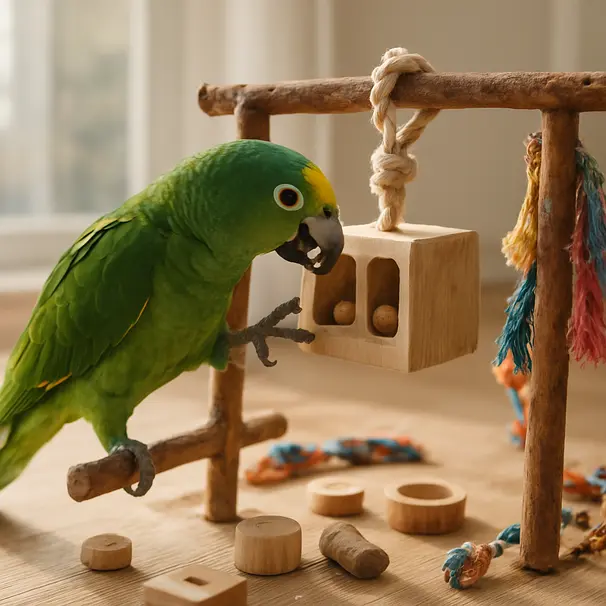
Parrots are smart, curious animals. Boredom can show up as screaming, feather plucking, or repetitive chewing. Enrichment helps physical and mental health.
- Toys: provide a rotation of chewable, puzzle, and foraging toys. Natural wood, leather, and safe plastics work well.
- Foraging: hide small rewards in shredded paper, inside toys, or under leaves. Let your bird work a bit for food.
- Social time: daily interaction, training, and supervised out-of-cage exploration.
- Training: short sessions teach tricks or cues and build trust. Use positive reinforcement and keep sessions under 10 minutes for young or easily distracted birds.
Create a routine that mixes quiet time with active time. Parrots like predictability, and carers can step in to follow the same pattern so birds feel secure during absences.
Handling, taming, and trust building
Handling should be gradual and respectful. Rushing a bird can increase fear and aggression. If your parrot is new, let it set the pace for contact.
- Step-up training: use a trusted perch or your finger, reward stepping up with a small treat.
- Avoid sudden lunges or grabbing. Offer a perch as an alternative to being scooped.
- Read signals: yawning, beak grinding, or preening near you often means contentment. Hissing, raised crest feathers, or a pinned eye are signs to pause.
Pet carers should follow owners’ handling rules exactly. Notes about favourite treats, areas of touch the bird accepts, and any recent behaviour changes will make visits less stressful.
Grooming basics: wings, nails, and beaks
Some grooming is routine, some may need professional help. Many owners prefer not to wing-clip, but if you choose clipping, it should be done carefully by someone experienced. Regular grooming checks help spot issues early.
- Nails: may need trimming periodically. Overlong nails can make perching uncomfortable.
- Beak: usually wears naturally if the bird has appropriate toys and cuttlebone. An overgrown beak may benefit from a vet check.
- Feathers and bathing: parrots enjoy regular baths or misting. Clean feathers are less likely to trap irritants.
Carers should not trim tail feathers or do medical grooming unless specifically trained. Instead, consult the owner and an avian vet for grooming schedules.
Recognising health concerns and seeking help
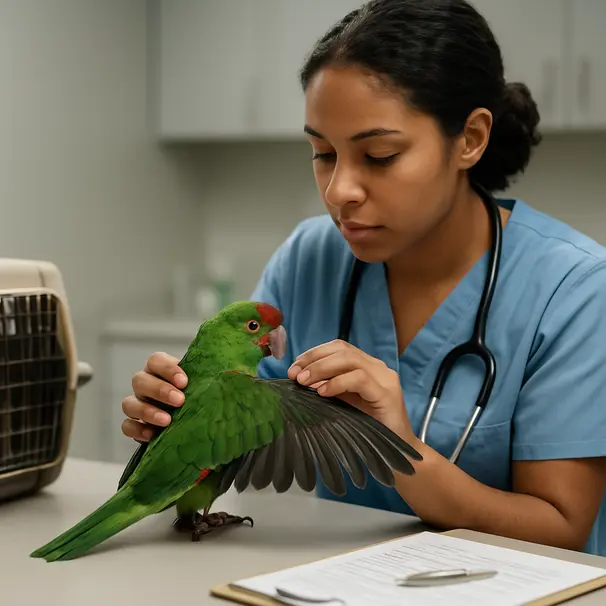
Parrots hide illness well. A subtle change may be important. Consider a vet visit if you see:
- Fluffed feathers for long periods, lethargy, or sleeping more than usual.
- Changes in droppings: watery stool, changes in colour, or unusual smell.
- Loss of appetite, weight loss, or sudden weight gain.
- New sneezing, nasal discharge, or breathing changes.
- Feather picking or sudden feather loss.
If unsure, call an avian vet. They can advise on the urgency and next steps. Regular check-ups are a good idea, even when birds seem fine. Preventive care can catch problems before they become serious.
Travel, boarding, and pet carers: making transitions smooth
When owners arrange care, preparation helps everyone. A clear, written routine helps carers replicate daily life.
Include with the bird:
- Feeding schedule and portion guides, including favourite treats and foods to avoid.
- A list of safe toys and those to avoid.
- Emergency contact details: owner, local avian vet, and a backup contact.
- Notes on handling preferences, favourite perching spots, and any medical needs.
For short visits, carers should arrive early enough to let the bird settle before any activity. Calm introductions, talking softly, and offering a favourite treat help create a positive impression. Keep visits consistent so the bird knows what to expect.
Behaviour problems and how to address them
Common issues include screaming, biting, and feather plucking. Each has many causes and usually needs patient, consistent approaches.
- Screaming: often attention-seeking or boredom. Increase enrichment, and avoid rewarding screams with hurried attention. Teach an alternate quiet cue and reward that behaviour instead.
- Biting: can be fear-based or territorial. Learn what triggers the bite, change the situation, and use short training sessions to teach limits.
- Feather plucking: may stem from stress, skin irritation, or boredom. Rule out medical causes with a vet, then address enrichment and environmental stressors.
A professional avian behaviourist can help if problems persist. Small daily steps often make big differences over weeks.
Cleaning and household safety
Keep cages and play areas clean, but avoid harsh chemicals. Use bird-safe cleaning products and rinse thoroughly.
- Change cage liners daily, deep clean perches and toys weekly, and disinfect food and water bowls regularly.
- Avoid non-stick cookware fumes, aerosol sprays, or strong scented candles around birds. These can be dangerous.
Preparing for emergencies
A simple emergency plan reduces panic if something goes wrong. Owners and carers should have:
- Avian vet contact numbers and clinic address.
- A small travel carrier accessible for transport.
- Basic first aid knowledge for birds, such as controlling bleeding and handling shock.
Keep a note of the bird’s species, age, and any chronic conditions in the emergency folder.
Parrot care checklist for owners and carers
- Daily: fresh food and water, 1 to 2 hours of supervised out-of-cage time, quick cage spot clean.
- Weekly: rotate toys, wash perches and bowls, check nails and beak condition.
- Monthly: inspect and deep clean cage, check overall weight and behaviour.
- Yearly: vet check-up and any necessary bloodwork or preventive care.
Final thoughts: companionship, patience, and joy
Parrots reward patience with loyalty and fun. They are long-lived, so planning for long-term care matters. Small routines and thoughtful enrichment add up to a happier bird and easier life for owners and carers. Keep learning, share notes between owners and carers, and enjoy the wonderful quirks these birds bring into a home.
If you’re ever unsure about a health or behaviour issue, consider contacting an avian vet. Their guidance can help you make safe choices for grooming, diet changes, or medical concerns. Happy bird care, and may your feathered friend keep you laughing and learning for years to come.