

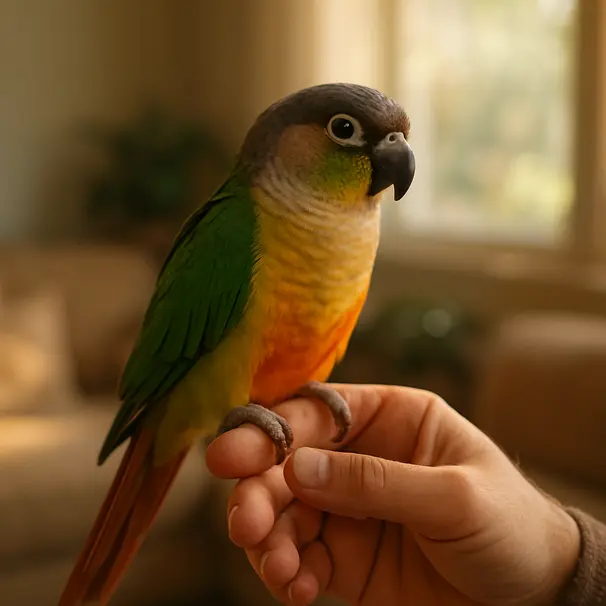
Welcome to parrot care, together
Parrots are clever, social, and often dramatic in the best way. They bring laughter, curiosity, and unusual vocal performances into the home. For owners and pet carers, caring for a parrot means balancing routine, enrichment, and gentle trust-building. This guide walks you through practical, day-to-day care, with tips a sitter can use while the owner is away.
Understanding parrot personalities and needs
Parrots cover a huge range of sizes and temperaments, from tiny budgies to large macaws. Each species has its own quirks. Some are chatty and clingy, others are more independent. Still, nearly every parrot wants mental stimulation, social contact, and predictable routines.
- Recognize individual differences. Learn your bird’s favorite places, food preferences, and tolerance for handling.
- Respect past experiences. Rescue birds may need more time to warm up.
- Keep social contact consistent. Parrots often do best with daily focused interaction.
Quick species notes for carers
- Small parrots (budgies, lovebirds): energetic, fast to tire, enjoy small toys and short handling sessions.
- Medium parrots (conures, cockatiels, amazons): playful, loud at times, love foraging games.
- Large parrots (macaws, cockatoos): need long enrichment sessions and large cages. They may bond strongly and show separation behaviors.
Housing and safety basics
A safe, comfortable space is the foundation of good parrot care.
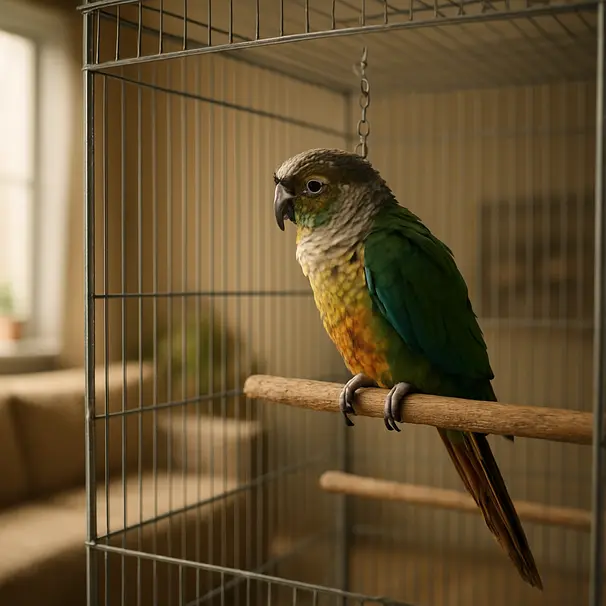
- Cage size: Bigger is always better. Parrots should be able to fully extend wings and climb freely. For larger species, offer time outside the cage each day in a safe, bird-proofed room.
- Bar spacing and materials: Match spacing to the bird’s size. Use durable, non-toxic materials. Avoid cages with paint that chips easily.
- Placement: Keep the cage in an area with gentle household activity. Avoid direct drafts, kitchens with open flames or hot oils, and windows with strong midday sun.
- Perches: Provide different diameters and textures. Natural wood perches can help feet health, but keep a few smooth perches for balance.
Safety checklist for the home:
- Remove toxic plants and scented candles
- Keep ceiling fans off during out-of-cage time
- Supervise around open water, non-stick cookware, and small children
Feeding: practical, balanced approaches
Food is both nutrition and enrichment for parrots.
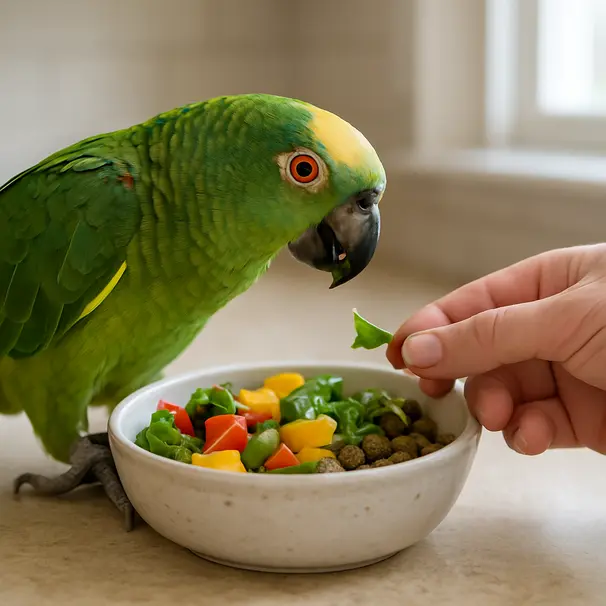
- Base diet: High-quality pellet food may be the best staple, as pellets help ensure balanced nutrition. Consider a pellet-first approach and introduce fresh items daily.
- Fresh additions: Offer a variety of vegetables, fruits, cooked legumes, and whole grains. Greens like kale and spinach, carrots, sweet potato, and bell peppers are often popular.
- Treats and seeds: Use seeds sparingly. Offer seeds and nuts as training rewards or occasional treats rather than the main diet.
- Foods to avoid: Chocolate, avocado, caffeine, alcohol, salty snacks, and anything with xylitol should never be offered. Also avoid apple seeds and pits from stone fruits.
Feeding tips for pet carers:
- Follow the owner’s exact plan. Note portion sizes and which foods are favorites.
- Keep meals fresh and remove uneaten perishable food after a few hours.
- Offer a shallow dish of fresh water daily and change it more often if soiled.
Enrichment and mental fitness
Parrots are brilliant. Boredom can lead to screaming, feather picking, and destructive behaviors.
- Rotate toys weekly. Introduce chewable items, puzzle feeders, and foraging toys.
- Foraging: Hide treats inside shredded paper, cups, or wrapped around branches. Simple scavenger hunts can keep a bird busy for an hour or more.
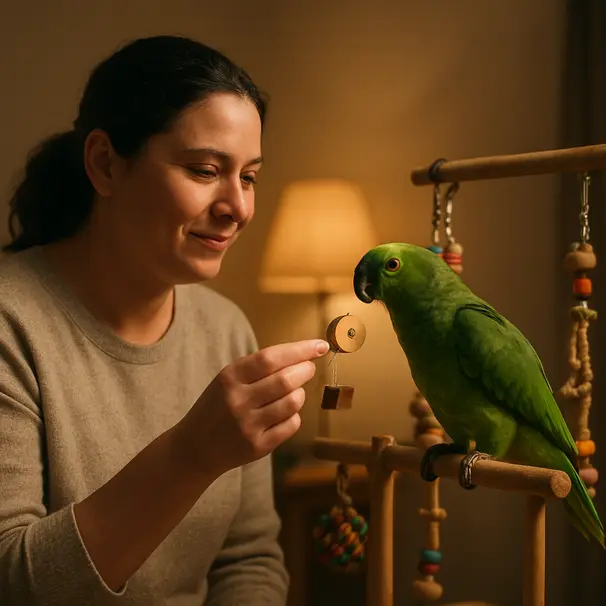
- Training sessions: Short, positive sessions teach tricks, reduce stress, and strengthen bonds. Use tiny treats and praise.
- Social time: Even if the owner isn’t there, human interaction matters. Carers should aim for predictable, gentle interactions during visits.
Enrichment ideas for carers:
- Offer supervised out-of-cage play for at least 30 minutes to an hour, depending on species and comfort level.
- Create a safe “play area” with perches, toys, and a towel on the floor for quick cleanup.
- Use different textures and sounds—wood, paper, bells, and soft music can be stimulating.
Handling and socialization
Handle parrots with respect and patience.
- Let the bird set the pace. Offer a finger for stepping up rather than forcing lifting.
- Read body language: fluffed feathers can mean contentment or illness, depending on context. Pinning pupils often indicates excitement or interest. Hissing, lunging, or persistent avoidance suggests stress.
- Safe handling: Avoid grabbing the wings or tail. Support the feet and be mindful of the bird’s beak.
- Sitter tips: Follow the owner’s approach to handling. If the bird is unsure of a new carer, allow several calm, short meetings before prolonged handling.
Grooming, hygiene, and basic health cues
Regular grooming and observation help keep parrots healthy.
- Bathing: Many parrots enjoy gentle misting or shallow baths a few times weekly. Bathing can improve feather condition and comfort.
- Beak and nails: These may need trimming occasionally. Owners should arrange professional trims if required and share any recent grooming notes with carers.
- Feather care: Normal molting happens seasonally. Excessive plucking may point to stress or underlying issues. Consider consulting a vet if plucking appears.
- Watch for warning signs: Lethargy, weight loss, discharge from eyes or nares, changes in droppings, or sudden changes in appetite may require veterinary attention. Encourage carers to contact the owner and consider consulting a vet for guidance.
Cleanliness routines for carers
- Replace cage liners or substrate daily.
- Wash food and water dishes with hot, soapy water every day.
- Wipe perches and toys regularly, rotating disposable or thoroughly washables weekly.
Travel, boarding, and leaving instructions for carers
Travel is stressful for many parrots. Clear instructions make the experience smoother.
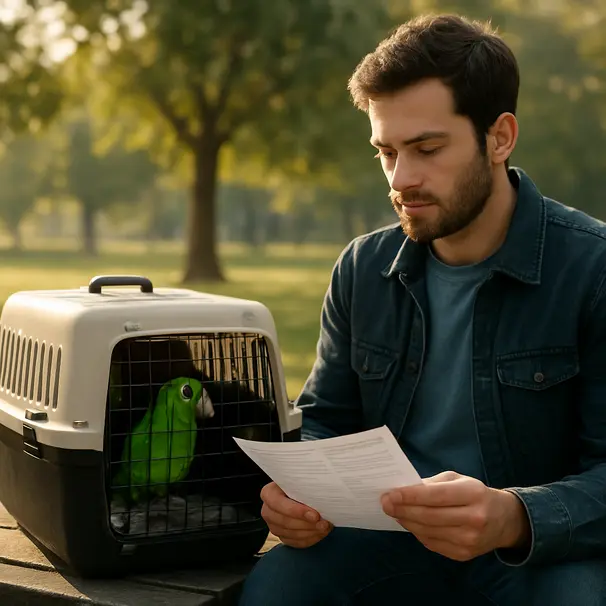
- Travel carrier: Use a secure, appropriately sized carrier with ventilation. Line it with familiar material such as a favorite towel.
- Routine: Share feeding times, favorite toys, step-up cues, and any calming signals the bird responds to.
- Emergency contacts: Provide the owner’s contact, an alternate emergency contact, and the bird’s veterinarian details. Include any known allergies or health conditions.
- Medication: If medication is required, provide exact dosing instructions and a brief walk-through for the carer. Written and labeled doses reduce mistakes.
Signs of stress and when to get help
Everyone wants to avoid emergencies. Learn early warning signs so carers can act promptly.
- Behavioral changes: Excessive screaming, withdrawal, sudden aggression, or repetitive movements.
- Appetite and droppings: Reduced appetite or dramatic changes in droppings may indicate a problem.
- Breathing issues: Labored breathing, tail bobbing, or open-mouth breathing are serious and call for immediate attention.
If a carer notices worrying signs, they should contact the owner right away and consider consulting the vet. It’s better to check and be reassured than to delay.
Quick daily checklist for carers
- Refresh water and remove old food
- Refill pellets and prepare morning fresh veggies as instructed
- Offer 30–60 minutes of supervised out-of-cage time if safe
- Rotate toys and leave one new item or foraging puzzle
- Wipe cage tray and clean soiled perches
- Note any unusual behavior or changes and report to the owner
Sample daily schedule (adapt to species)
- Morning: Change water, offer breakfast pellets and a small fresh portion, misting or bath if the bird enjoys it
- Midday: Short training or foraging session, supervised out-of-cage time
- Afternoon: Quiet enrichment, rotated toys or puzzle feeders
- Evening: Smaller fresh snack, short cuddle if the bird accepts it, lights dimmed to encourage sleep
Building trust between owners, carers, and parrots
Good sitters are consistent and patient. Owners can help by leaving detailed notes and a short video showing daily routines, step-up cues, and favorite tricks. Small things matter: the scent of a familiar towel, the same training words, and the right tone of voice.
Carers should introduce themselves calmly, follow the provided routine, and avoid forcing interactions. Trust builds with predictability.
Final thoughts and gentle reminders
Parrots are long-lived companions. Caring for them well takes attention to diet, environment, and enrichment. Pet carers play a vital role in maintaining routines and spotting changes that might need attention. When in doubt, contact the owner and consider professional advice from an avian vet. Little acts of consistent care and patience help parrots thrive, and they repay you richly with personality and affection.
If you’re a pet carer, thank you for offering your time and care. If you’re an owner, providing clear, compassionate instructions will make every sitting smoother for your bird and the person helping you.
Happy caring, and may your parrot enjoy many curious, joyful days ahead.