

Creating a Cat-Friendly Home: Comfort, Safety, and Enrichment
Cats are masters of comfort and subtle communication. They tell us what they need with tiny signals: a flick of the tail, a slow blink, a chosen sleeping spot. If you want a home that supports that quiet wisdom, this guide will help you make practical choices that keep cats safe, comfortable, and happily engaged.
Start with the basics: zones that make sense
Cats like predictable places. Rather than trying to retrofit a whole home all at once, think about distinct zones: sleeping, feeding, toileting, and play. Each zone has a purpose, and when you make those functions clear, your cat feels more secure.
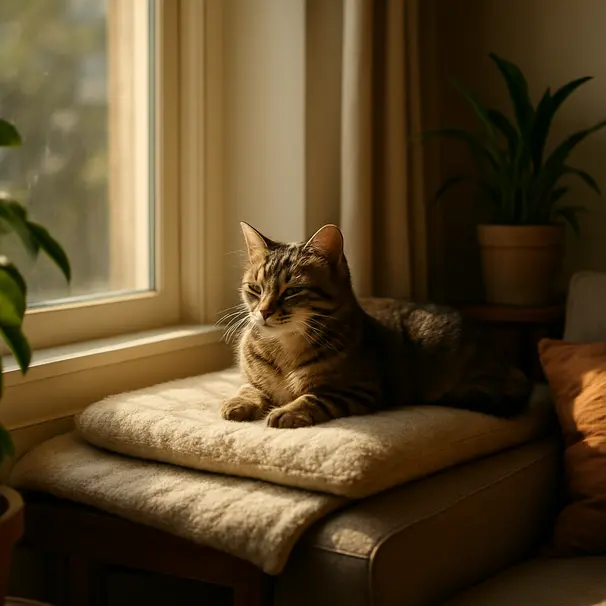
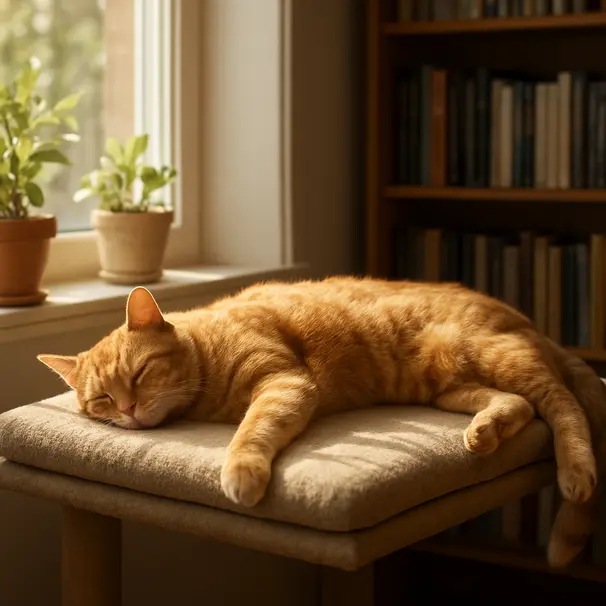
- Sleeping: Offer varied options in multiple rooms. Soft beds, padded boxes, a folded blanket on a shelf or a window perch give cats choice. Some like sunbeams, some like quiet corners.
- Feeding: Keep food and water in a calm, consistent spot away from busy doorways and litter boxes. Using shallow bowls may encourage slow eating.
- Toileting: At least one litter box per cat, plus one extra. Place them on different levels of multi-storey homes when possible.
- Play and hunting: Dedicate a few minutes each day to interactive play to mimic hunting sequences. Rotating toys keeps motivation high.
Small changes add up. A new towel in a favorite box, an extra bowl on a different floor, or a high perch in the living room can make big differences to a cat’s day.
Safety essentials for every room
Cats are curious. That curiosity can bring them into contact with hazards. A careful sweep of your home for common risks helps reduce accidental injuries.
Kitchen and laundry
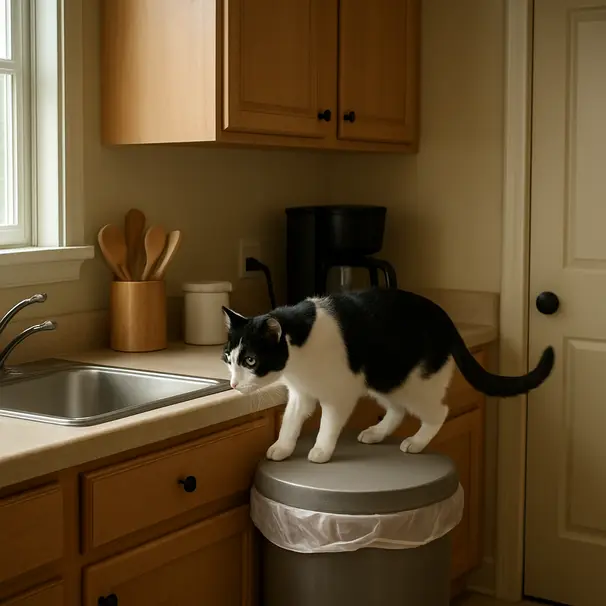
- Keep countertops and stove knobs clear. Cats are attracted to food and warm appliances.
- Secure trash and compost bins. Foods like garlic, onions, and chocolate can be dangerous. Also consider that clingy food packaging and bones are choking hazards.
- Close laundry room doors when machines are running. Cats sometimes snoop inside washers and dryers. Check before closing lids and doors.
Windows, balconies, and patios
- Ensure window screens are secure. Cats leaning or jumping against loose screens can fall.
- For balconies, add pet-safe netting or keep the area off-limits. Supervised outdoor access is safest.
- Bird feeders and bird baths attract interest. Use window perches or place feeders further away to reduce risky lunges against glass.
Cords, plants, and small objects
- Tidy or hide electrical cords. Bite or chew risks vary by cat. Cord covers and organizing can help.
- Double-check houseplants. Some common plants are toxic to cats. If you’re unsure about a plant, consider moving it out of reach or choosing cat-safe varieties.
- Small objects like rubber bands, string, and sewing needles are tempting to bat at and can be swallowed. Keep them in closed containers.
If you’re ever unsure about a substance or plant, consider consulting your vet for guidance.
Litter box know-how
Litter boxes are the foundation of a stress-free home for cats. Problems with litter boxes often point to stress, health issues, or mismatched preferences.
- Count and place: One more litter box than the number of cats, spread across different areas.
- Size and type: Bigger is usually better. Low-sided boxes are easier for older cats. Some cats prefer covered boxes; others avoid them.
- Litter choice: Many cats like unscented, fine-grain litter. Try a few types to see what your cat prefers and consider switching gradually.
- Cleanliness: Scoop daily and fully change litter and wash boxes regularly. Avoid strong-smelling cleaners that may deter use.
- Troubleshooting: If a cat stops using the box, check for medical issues first by consulting a vet. Stressors like new household members or rearranged furniture can also trigger problems.
Clean, well-placed litter boxes are a quick way to improve life for both cats and carers.
Vertical space and hiding spots
Cats feel safer with choices above ground. Vertical territory gives them a sense of control and helps reduce conflict in multi-cat homes.
- Shelves and perches: Install sturdy shelves or buy tiered furniture made for cats. Place beds or blankets on these elevated spots.
- Window perches: A sunny window with a perch can become a favorite daytime napping spot.
- Hiding places: Cardboard boxes, covered beds, and cat caves make excellent retreats. Keep some quiet, off-limits hiding areas for shy visitors.
Carers who understand each cat’s preference for height and seclusion can help them settle faster during visits.
Enrichment: feed the hunter instinct
Enrichment keeps a cat’s mind sharp and reduces unwanted behaviors born of boredom. The aim is to mimic the hunt: search, stalk, pounce, and reward.
- Interactive play: Use wand toys or laser pointers for short, intense sessions that end with a toy or treat to satisfy the hunt.
- Puzzle feeders: Slow feeders and puzzle feeders encourage natural foraging. They can help with weight management too.
- Rotate toys: Keep a hidden stash of toys and rotate them to keep novelty.
- Scent and sound: Catnip, silvervine, and new cardboard textures can entice exploration. Soft nature sounds or window birdwatching also stimulate curiosity.
A mixture of daily interaction and varied toys keeps most cats cheerful. For shy or elderly cats, low-effort enrichment like food puzzles and gentle play can be enough.

Grooming, health, and routines
Grooming is part hygiene and part bonding. Establish simple routines that fit your cat’s needs and temperament.
- Brushing: Regular brushing reduces hairballs and can cut down shedding around the house. Long-haired cats may need daily attention.
- Nail care: Trim nails carefully or provide scratching posts that allow natural wear. If you’re unsure how to trim nails, ask a vet or groomer for a demonstration.
- Dental health: Offer dental chews or toys that can help, and bring up dental checks during veterinary visits.
- Vet visits: Routine check-ups catch problems early. If you notice changes in appetite, litter box use, activity, or coat condition, consider contacting your vet.
Carers should ask owners about preferred routines so they can follow consistent grooming and feeding schedules.
Managing multi-cat households
Multiple cats can thrive together with thoughtful management. The key is providing enough resources and avoiding forced interactions.
- Resources: Offer multiple feeding stations, litter boxes, sleeping spots, and vertical spaces to reduce competition.
- Gradual introductions: New cats should be introduced slowly. Use scent swapping and short supervised visits before allowing full access.
- Observe body language: Look for signs of stress like tucked tails, flattened ears, or hiding. Redirect tension with play or separate time-outs.
If aggression or chronic stress appears, a behavior consult with a vet or feline behaviorist may help.
Travel, carers, and safe socializing
Many owners rely on pet carers to keep cats comfortable while they’re away. Preparations make visits smoother for everyone.
- Carer introductions: Allow a new carer a trial visit to meet the cat in a calm setting. A familiar person can leave behind an item with the owner’s scent to reassure the cat.
- Carrier training: Leave carriers out with comfy bedding so they feel like safe spaces, not just travel prisons. Feeding near or inside the carrier reduces anxiety for future travel.
- Routine notes: Leave written instructions on feeding, medication, play times, and any quirks. Carers appreciate clear guidance and it helps cats stick to normal routines.
For car travel, acclimate slowly. Short practice trips may help reduce stress before longer journeys.

Small changes that make a big difference
You don’t need a major renovation to create a cat-friendly home. Here are practical tweaks you can do this weekend:
- Add a window perch or a cozy bed near a sunny window.
- Hide dangerous cords with covers or cord organizers.
- Place a second water bowl in a quiet room to encourage hydration.
- Rotate two or three toys each week to keep play interesting.
- Install a tall cat tree or create shelf steps to expand vertical territory.
- Move non-toxic plants to higher shelves and remove suspect plants entirely.
These fixes are inexpensive and often loved by the humans too. A tidy home with places for everyone feels calmer.
Final checklist for a cat-friendly home
- One litter box per cat, plus one extra, spread across the house.
- Multiple resting spots and vertical spaces.
- Secured windows, balcony protection, and checked screens.
- Safe, hidden storage for cords and small items.
- Daily play and weekly grooming routines.
- Carrier left out with bedding for travel comfort.
- Clear instructions for carers about diet, habits, and medical needs.
Keeping this checklist handy makes it easier to onboard a new cat, welcome a pet carer, or troubleshoot problems as they arise.
Encouragement for pet owners and carers
A cat-friendly home is about observing and responding with kindness. Small experiments reveal big preferences. If a bed goes unused, try moving it. If a cat suddenly changes a routine, check health and environment. Carers who pay attention to the little things often create the strongest bonds.
Comfort, safety, and enrichment are simple goals that shape every day. With thoughtful choices and gentle routines, your home can become a sanctuary where cats feel secure, playful, and loved.
If you have concerns about behavior or health, consider talking with your veterinarian or a feline behavior specialist for personalized advice.
Happy purring and peaceful napping!