

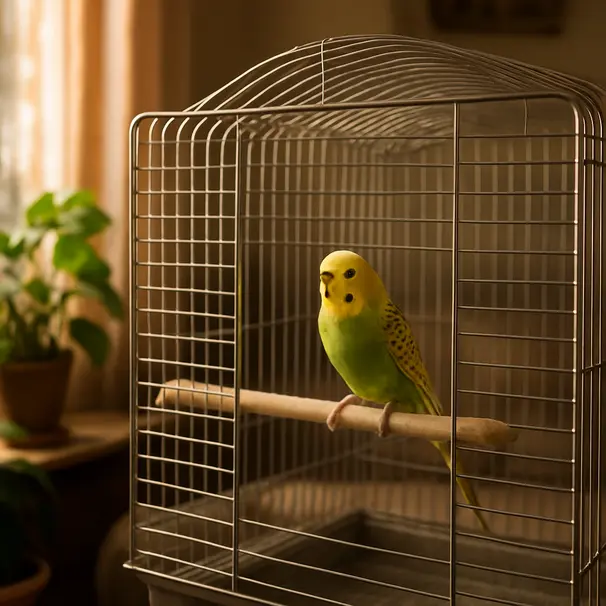
Welcome: a safe home for a feathered friend
Every bird brings personality and curiosity into a home, from tiny budgies who chatter at the window to confident cockatiels and thinking African greys. Creating a safe habitat means paying attention to cage size and materials, the room the cage lives in, and the little daily habits that keep your bird comfortable and confident. This guide walks you through practical choices and easy changes you can make, whether you own a single canary or care for a flock of companion parrots.
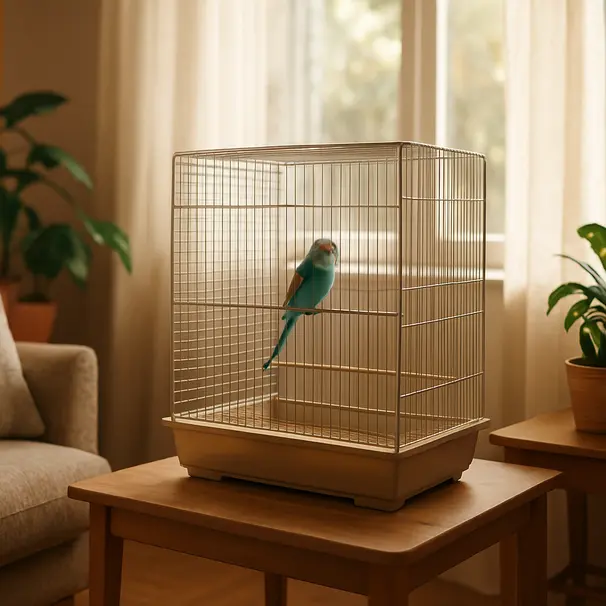
Understanding your bird’s basic needs
Birds are active, social, and sensory creatures. Their natural behaviors include climbing, chewing, foraging, vocalizing, preening, and flying or fluttering short distances. A habitat that supports those activities helps prevent boredom and stress, and can help reduce unwanted behaviors like feather plucking.
Key needs to consider:
- Space to flap or stretch wings, and room to move between perches.
- Perches of different diameters and textures to exercise feet.
- Mental stimulation through toys, foraging, and social interaction.
- Safety from household hazards such as fumes, open windows, toxic plants, and hungry pets.
- Clean water and a healthy diet tailored to species.
Think of the cage as a home base, not a full life. Birds should have daily out-of-cage time if their species benefits from it, supervised and in a safe space.
Choosing the right cage: size, shape, and materials
Size is the first priority. Birds need more space than they often get in pet-store cages. Bigger cages reduce stress and allow natural movement.
- For small birds (budgies, finches): width and horizontal space are important for flying back and forth. Aim for at least 30" wide for pairs or active singles.
- For medium birds (cockatiels, conures): taller cages with roomy play-top options are helpful, starting around 36" high and generous width.
- For large parrots (amazons, greys, cockatoos): professional-grade cages with heavy-gauge bars and lots of space, often custom or aviary-sized, are best.
Cage shape matters, but avoid round cages. Rectangular or square cages provide predictable perch placement and make it easier to create perching and feeding zones. Some birds feel stressed in a constantly curving space.
Material choices:
- Stainless steel is the gold standard. It’s durable, non-toxic, and easier to sanitize.
- Powder-coated steel can be safe if the coating is intact, but chew-happy birds may expose metal and create hazards.
- Avoid cages with zinc, lead, or unknown alloys—these can be toxic if ingested.
Bar spacing depends on species. Too wide and small birds can escape or get stuck, too narrow and large birds can get their heads trapped. Typical guidelines:
- Finches, canaries: 1/4" to 1/2" spacing.
- Budgies, lovebirds: 1/2" spacing.
- Cockatiels, conures: 1/2" to 5/8" spacing.
- Greys, amazons: 3/4" to 1" spacing, depending on bird size.
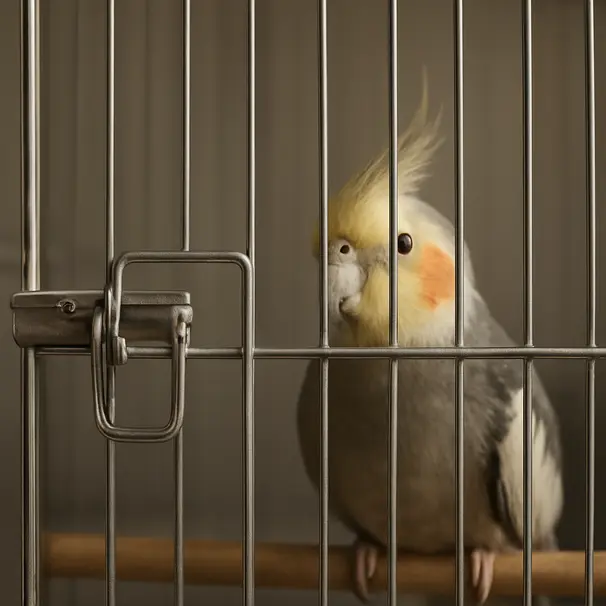
Door design and latches are important. Birds are clever, and some learn to open simple latches. Look for secure, bird-proof locks and multiple doors for feeding and access. Pull-out trays and removable grates make cleaning easier, so consider those features as part of the safety equation.
Perches, placement, and interior layout
Perches should be varied. Natural wood branches, rope perches, and different diameters give foot muscles a workout and reduce pressure sores. Place perches so droppings fall away from food and water dishes, and avoid putting perches directly above food to reduce contamination.
A balanced interior might include:
- One or two sturdy natural wood perches for resting.
- A groom or foot-exercise perch (rough texture) used occasionally.
- Foraging spots such as puzzle feeders or foraging toys.
- A safe chew toy appropriate to species.
Keep the cage organized into zones: sleeping area (quieter, darker corner), feeding area (kept clean), and play area (wider space for spreading wings and toys).
Cage placement and room safety
Where you put the cage matters as much as which cage you pick. Birds are social and often do best where the family spends time, but avoid high-traffic spots that cause constant disturbance.
Placement tips:
- Avoid kitchens and areas with fumes. Non-stick cookware, bleach, aerosol sprays, and strong-smelling cleaners may produce fumes that can be harmful to birds.
- Place cages away from drafts, direct HVAC vents, and open windows where predators or sudden weather changes could be a problem.
- Keep the cage at eye level or a bit higher for most birds, which helps them feel secure. Very high perches may stress some smaller species.
- Provide a quiet spot for sleeping. Many birds prefer a dim or covered cage at night to mimic natural darkness, but ensure proper ventilation.
Safety-proof the room:
- Tape cords or use cord covers. Birds like to chew plastics and cords can be dangerous.
- Remove toxic plants and secure windows and doors during out-of-cage time.
- If you have other pets, establish firm boundaries and supervised introductions. A bird and a curious cat or dog should never be left together unsupervised.
Enrichment: toys, diet, and daily routines
A stimulating environment prevents boredom. Rotate toys regularly and offer foraging opportunities that mimic searching for food in the wild. Simple DIY ideas include hiding treats in paper cups or wrapping food in non-toxic paper.
Toy types:
- Chew toys: safe wood, leather, or bird-safe materials.
- Puzzle feeders: slow-feeding cups and treat dispensers.
- Swings and ladders: for movement and play.
- Bells and mirrors: species-dependent; some birds enjoy them while others find them stressful.
Diet complements habitat. Fresh water must be available at all times, and food dishes should be cleaned daily. A balanced diet can include quality pellets, fresh vegetables and fruits, and species-appropriate seeds. Consider consulting an avian vet or a knowledgeable carer for diet fine-tuning.
Outdoor aviaries and supervised outside time
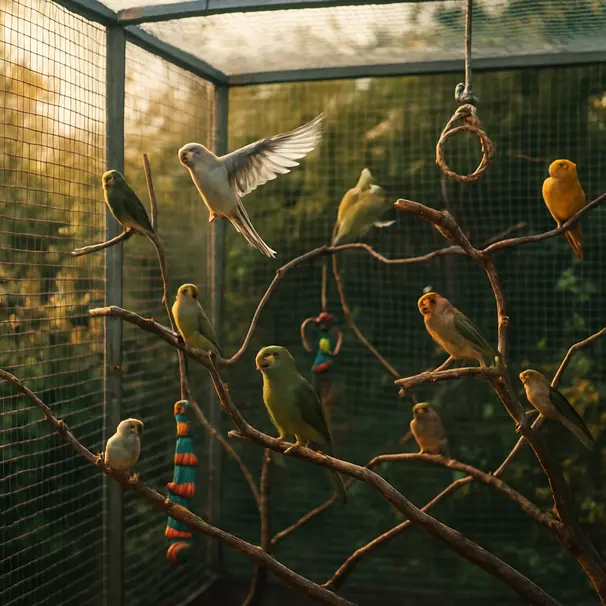
If you have space, a secure outdoor aviary can be a wonderful extension of a bird’s habitat. It offers natural light, fresh air, and varied scenery. Safety is paramount for outdoor enclosures.
A few pointers:
- Use weatherproof mesh and sturdy framing. Predators are persistent, so bury mesh or add skirting to prevent digging animals.
- Provide shade, perches at different heights, and sheltered areas from rain and wind.
- Check local temperature and humidity tolerances for your species. Some birds tolerate brief outdoor time well, while others may be sensitive to temperature swings.
Supervised out-of-cage time indoors also matters. Create a bird-proofed room with closed windows, removed breakables, and covered mirrors. Train birds to step up and return to the cage to make supervised time safer and more predictable.
Cleaning, maintenance, and routine checks
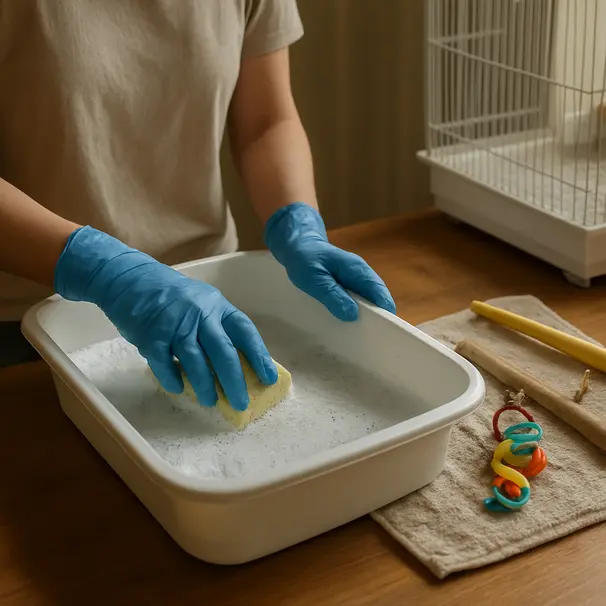
A clean cage is a healthy cage, but you don’t need harsh chemicals. Mild soap, warm water, and diligent rinsing keep things sanitary. Aim for a daily tidy and a weekly deep-clean.
Daily tasks:
- Change food and water, wipe bowls.
- Remove visible droppings and swap out soiled liner material.
- Check for broken toys, sharp edges, or loose parts.
Weekly tasks:
- Remove perches and washable toys for scrubbing.
- Clean trays, grates, and bars with mild soap, rinse thoroughly.
- Inspect the cage for rust, cracked coatings, or compromised latches.
Monthly or seasonal:
- Replace perches that are excessively worn.
- Replace frayed rope toys and chewed plastic parts.
Use cleaning products labeled bird-safe or simply stick to vinegar diluted in water for mild disinfecting, followed by a thorough rinse. If you’re unsure about a product, consider whether it would be safe on surfaces your bird could chew or preen near.
Common hazards to watch for
Birds are curious and exploratory. Here are common household risks to remove or control:
- Teflon and overheated non-stick cookware fumes.
- Scented candles, incense, and aerosol products.
- Toxic plants such as philodendron, oleander, and avocado.
- Small objects that can be swallowed: rubber bands, string, small toy parts.
- Lead and zinc exposure from old toys or costume jewelry.
If you suspect poisoning or sudden illness, contact an avian vet right away. Keep emergency phone numbers visible and know the location of the nearest avian-capable clinic.
Working with carers and vets: partnerships for better care
If you use a pet carer or sitter through a marketplace like Floofy, clear communication about your bird’s routine and preferences makes everyone’s life easier. Share:
- Feeding schedule, brand and proportions, and any preferences or allergies.
- Behavioral notes: favorite toys, preferred perches, what calms them.
- Handling rules and emergency contacts, including vet info.
Ask carers about their experience with birds, how they handle out-of-cage time, and whether they’re comfortable administering medication if needed. A brief trial visit can build trust and let your bird adjust to a new person gradually.
Consider routine vet check-ups. A vet can help assess weight trends, feather condition, and any signs that might be subtle to an untrained eye. Use phrases like “may benefit” or “consider” when discussing preventative care with your vet.
Quick checklist for a safer bird habitat
- Choose a cage with correct size, bar spacing, and sturdy materials.
- Provide varied perches and rotate toys for enrichment.
- Place the cage away from fumes, vents, and direct kitchen areas.
- Keep fresh water and clean dishes daily.
- Schedule regular deep-cleaning and inspect for hazards monthly.
- Bird-proof rooms for supervised out-of-cage time.
- Share detailed care notes with sitters and consult a vet when needed.
Final thoughts: small changes, big comfort
Safe, thoughtful habitats don’t require perfect setups from day one. Small upgrades—like swapping a narrow perch for a range of diameters, choosing a stainless-steel bowl, or moving a cage to a calmer corner—can make a big difference to your bird’s wellbeing. Stay curious, observe what your bird enjoys, and tweak the environment as their needs evolve. When in doubt, reach out to an avian vet or an experienced carer for practical, species-specific advice.
Creating a home that feels safe and inviting is one of the kindest things you can do for a pet bird. A little planning, regular maintenance, and lots of gentle attention will help your feathered companion thrive.