

Why enrichment matters for your cat
Cats are clever, curious, and often quietly dramatic. Boredom can show up as excessive meowing, scratching furniture, or sudden napping marathons. Enrichment helps channel their natural instincts—hunting, climbing, stalking—into safe, satisfying activities. You may see fewer problem behaviours and a happier, more engaged feline friend.
Enrichment can also be a lovely way for carers and owners to bond with cats. It does not have to be expensive or complicated. A little creativity and observation goes a long way.
Simple daily routines that make a big difference
Small, consistent changes to the day can build a richer life for an indoor cat.
- Morning mini-play: Spend five to ten minutes with an active toy, like a wand or feather teaser. It helps burn off morning energy and sets a calm tone for the day.
- Mealtime enrichment: Replace a bowl with a puzzle feeder or scatter food around a safe area for foraging. Eating while working a bit mirrors hunting and slows fast eaters down.
- Evening wind-down: A short, gentle play session followed by quiet grooming or lap time helps cats settle overnight.
Try varying the timing and type of play. Cats like predictability, but they also appreciate surprises now and then.
Rotate toys for fresh interest
Keep a small toy rotation. Leave two or three toys in rotation and store the rest. After a week, swap them. That novelty can turn an ignored toy into a favourite again.
DIY toys and crafty enrichment ideas
You don’t need fancy gear to keep a cat entertained. Many household items spark big reactions.
- Paper bag hideouts: A plain paper bag with the handles removed becomes a crunchy cave. Put a small, safe toy inside for peekaboo fun.
- Cardboard box city: Cats often love boxes. Stack them, cut holes for tunnels, or connect several for exploration.
- Feather wand from household bits: Attach feathers or ribbon to a stick or dowel with a bit of non-toxic glue or tape. Move it like a small bird to trigger stalking instincts.
- Toilet paper roll puzzle: Fold the ends of a cardboard tube inward, or make several tubes with treats hidden inside. Supervise play and avoid letting cats swallow paper bits.
A few safety notes: avoid strings or small parts unsupervised, and inspect DIY creations regularly for wear. If something starts falling apart, repair it or retire it.
Puzzle feeders and slow feeding options
Feeding-related enrichment is one of the easiest ways to add mental stimulation. Try these options:
- Scatter feeding: Hide kibble around a room or in safe-to-reach places so your cat has to hunt.
- Puzzle bowls: Available online or handmade, these require cats to nudge pieces or lift flaps to get food.
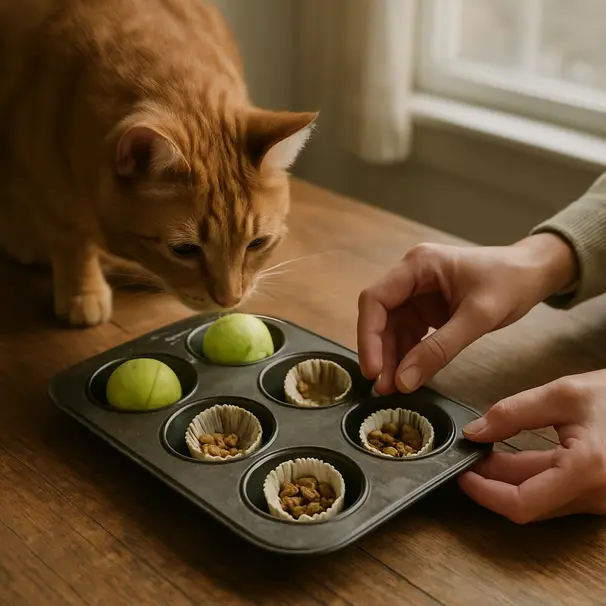
- Muffin tin trick: Place kibble in a muffin tin and cover some slots with tennis balls, small toys, or folded paper.
If your cat has special dietary needs or tends to overeat, consider consulting a vet before making big feeding changes. A slow-fed cat may enjoy meals more and feel less stressed.
Scent enrichment and the joys of sniffing
Scent is a huge part of a cat’s world. Introducing new, safe smells can spark curiosity and calm.
- Cat-safe herbs: A small pot of catnip, valerian, or catmint can provide short-lived excitement. Offer fresh or dried leaves and rotate what you provide.
- Scent trails: Dab a tiny amount of tuna water or a safe herb on a trail of paper pieces to encourage exploration.
- Familiar scent swapping: If carers or new household members are coming and going, swap a worn T-shirt between environments. Familiar smells can reassure shy cats.
Always observe how your cat reacts. Some cats become overstimulated by certain scents, so remove anything that causes stress.
Vertical space and climbing options
Cats love to perch up high where they can survey their kingdom. Adding vertical territory helps with confidence and exercise.
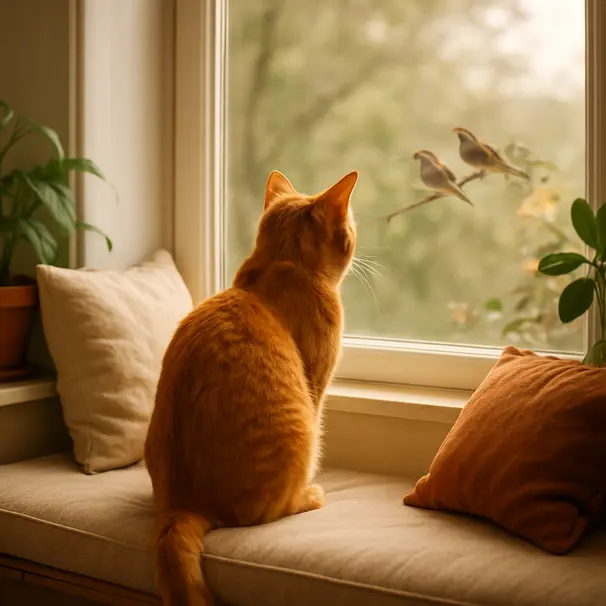
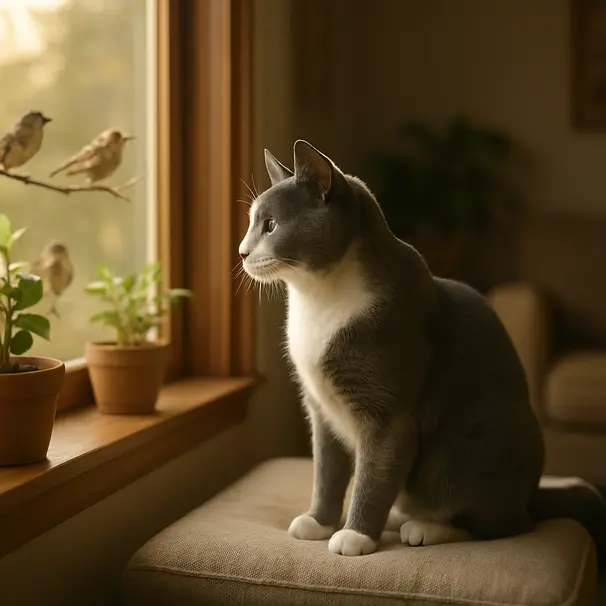
- Window perches: An inexpensive window bed or a secured shelf gives cats a sunny lookout. Position it near bird-friendly views if possible.
- Cat shelves: Wall-mounted platforms create climbing highways and safe perches.
- Scratching posts with different textures: Offer sisal, cardboard, and carpeted posts. Place them near resting and scratching spots.
Vertical furniture gives shy cats escape routes from busy areas and helps multi-cat homes reduce conflict.
Interactive play ideas for carers and owners
Play is best when it mimics hunting sequences: search, stalk, chase, catch, and eat. Here are playful ways to follow that pattern.
- The hunt game: Hide a toy under a blanket and let your cat pounce. Move slowly, then faster, to mimic prey behaviour.
- High-speed sprint: Use a long ribbon or laser for short bursts. Keep sessions brief to avoid frustration.
- Catch-and-treat: After a successful catch, reward with a small treat. This links play to positive outcomes and can be great training reinforcement.
Rotate the toys you use for interactive play. Some cats love feather wands, others prefer toys that bounce and roll.
Gentle training and enrichment through learning
Training can be a fantastic form of enrichment. It engages their brain and strengthens the human-cat bond.
- Clicker basics: Clicker training can teach simple cues, like sit or touch. Start with tiny steps and short sessions.
- Target training: Teach your cat to touch a target stick or your hand. It helps with grooming routines and vet visits because you can ask them to station themselves.
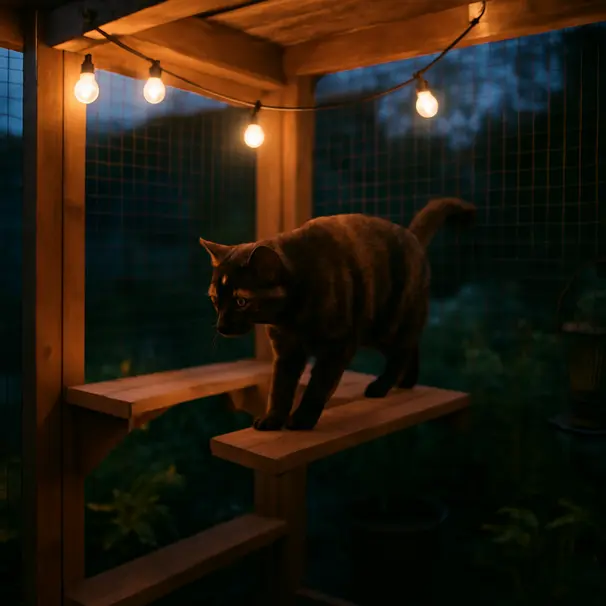
- Leash training for outdoors: Some cats enjoy calm harness walks or supervised time in a catio. Consider professional guidance and move slowly.
Training should be a positive experience. Use small rewards, keep sessions short, and stop if your cat seems stressed.
Enrichment for shy or senior cats
Not every cat wants high-energy play. Shy and older cats can still enjoy meaningful enrichment.
- Slow-scent games: Place small scent samples in a safe, quiet area and let them approach on their own time.
- Soft toys and gentle play: Use lighter toys and avoid frantic movements. A slow feather jiggle can be enough.
- Comfortable elevated spots with soft bedding: Senior cats appreciate easy-to-reach perches. Add a ramp or steps if jumping is painful.
Be patient. Progress may be subtle, but even small increases in curiosity are wins.
Social enrichment and safe introductions
If you or a carer is bringing a new person or pet into your cat’s life, slow introductions are key. Let cats control the pace.
- Scent first: Swap bedding or a towel so each side smells familiar, then introduce visual contact through a door or baby gate.
- Short, positive meetings: Keep initial interactions brief and calm. Reward calm behaviour with treats and praise.
- Provide escape routes: Make sure the cat has high perches and hiding spots during introductions.
Introducing new carers? Share a cheat sheet with notes about favourite toys, hiding spots, and how your cat likes to be approached.
Troubleshooting common challenges
Sometimes enrichment efforts need tweaks. Here are quick fixes for common hurdles.
- Cat ignores toys: Try a different texture or movement. Warm up a stuffed toy by rubbing it with your hands to add scent.
- Overstimulation during play: Watch for tail flicking or flattened ears. Stop before your cat reaches an annoyed point and switch to calm interactions.
- Resource guarding: In multi-cat homes, provide multiple feeding stations, litter trays, and perches so everyone feels safe.
If behaviour problems persist or your cat seems unwell, consider consulting a vet or a feline behaviour specialist.
Creating a simple weekly enrichment plan
Consistency helps. Here’s an easy weekly plan you can adapt:
- Monday: Morning wand play, evening slow food puzzle.
- Tuesday: New cardboard box hideout, short training session.
- Wednesday: Scent exploration with a fresh herb pot, window-perch time.
- Thursday: Short sprint play, social cuddle time with a carer.
- Friday: Puzzle feeder meal, gentle grooming.
- Saturday: Outdoor supervised catio or harness practice, rotating toys.
- Sunday: Quiet day with extra lap time and soft toys.
Adjust the schedule to suit your cat’s energy levels and preferences.
Final thoughts and gentle reminders
Enrichment is a gift you can give your cat every day. Start small, watch how your cat responds, and tweak activities. What delights one cat might bore another, so staying observant is key. If you share care duties with a sitter or carer, leave clear notes about favourite games, feeding routines, and any sensitivities.
If you have questions about behaviour or health-related changes, consider checking in with your veterinarian. They can help rule out medical causes and suggest targeted strategies.
With a little imagination and patience, you can build a playful, stimulating life for your cat. Happy exploring and have fun watching those whiskers twitch.