


Why this guide matters
If you love sharing small bites with your pup, cucumbers are an easy, budget-friendly option that many dogs enjoy. This guide walks you through safety, serving sizes, storage and fun ways to use cucumbers as treats and enrichment. It also highlights signs to watch for and when to consult your veterinarian. Think of this as a friendly kitchen-to-canine primer, full of practical tips that make it simple to add a crunchy snack to your dog care routine.

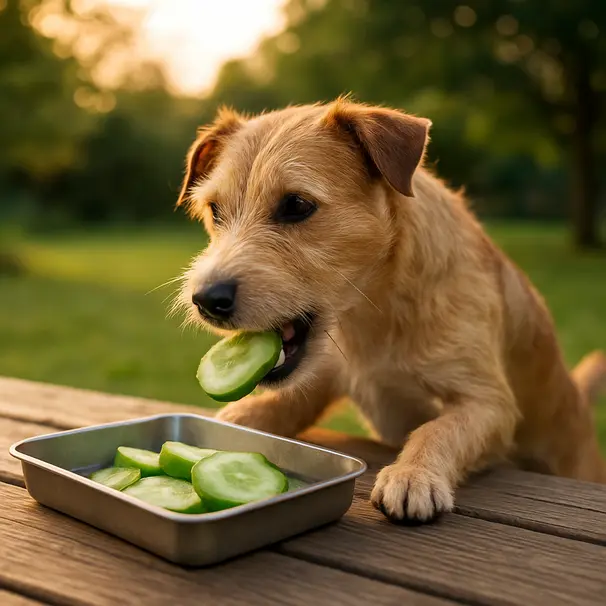
A pup curiously checking a sliced cucumber snack.
Are cucumbers safe for dogs?
Short answer: yes, cucumbers are generally safe for most dogs when offered plain, in moderation, and prepared thoughtfully. They contain mostly water and a few nutrients, and many dogs love the texture. Still, every dog is unique. Consider your dog’s size, age, weight, and any medical conditions before adding new foods to their diet. If your dog is on a prescription diet or has digestive sensitivities, have a quick chat with your vet first.
Nutritional snapshot: What cucumbers bring
Cucumbers are mostly water, which makes them a hydrating snack on warm days. They also provide small amounts of vitamins and minerals, including vitamin K and potassium, plus a bit of fiber. Because they’re low in calories, cucumbers can be helpful for dogs who need to manage weight. That said, they are not a balanced meal. Treat cucumbers as a supplement to good dog food, not a replacement.
Key points at a glance
- High water content, low calories
- Some fiber, vitamin K, and potassium
- Crunchy texture can appeal to many dogs
- Not a substitute for complete dog food
Benefits for dogs and pet carers
Cucumbers offer several practical benefits. They can help boost your dog’s water intake on hot days, provide a low-calorie reward for training, and add variety to snack time without the fats and sugars found in many commercial treats. For carers who walk or sit with dogs, cucumbers are easy to carry, slice, and portion. They can also be a smart option for multi-dog homes where you want a neutral, light treat option that most dogs tolerate well.
How to prepare cucumbers safely
Preparation is simple, but a few steps help keep things safe and tasty.
- Wash thoroughly, since cucumbers can carry dirt or pesticide residues. A quick scrub under running water is usually enough.
- Use plain cucumbers only. Avoid pickles, marinated slices, or flavored varieties, which often contain salt, vinegar, garlic, or onion — ingredients that can be harmful to dogs.
- Remove large seeds and the core in very large cucumbers if the seeds seem bulky. Small seeds in commercial cucumbers are usually fine for most dogs.
- Cut into bite-sized pieces that match your dog’s size. Tiny dogs need small cubes, while larger dogs can handle thicker slices.
- For dogs that gulp, consider thin slices or small dice so they chew instead of swallowing whole.
Portion guidelines and frequency
Moderation is the rule. Because cucumbers are mostly water and fiber, they’re low-risk, but too much can lead to loose stools. A good starting point is a few small pieces for small dogs, and up to a half cup total for medium to large dogs, given occasionally. Use cucumber pieces as part of the daily treat allowance so you don’t inadvertently increase overall calories.
Practical serving suggestions
- Training treats: small cube for every two or three good behaviors.
- Cooling snack: a few slices after a short play session on warm days.
- Meal topper: a small amount mixed into regular food for variety and texture.
Signs your dog likes cucumbers — and signs to stop
Many dogs show clear delight with the crunchy texture. They’ll take the slice gently, chew, and wag. But watch for any digestive upset after trying cucumbers for the first time. Mild symptoms can include softer stools or a brief change in appetite. Stop offering cucumbers if your dog shows vomiting, persistent diarrhea, hives, itching, swelling around the face, or signs of discomfort. If you see those, contact your veterinarian right away.
Creative ways to use cucumbers in dog care
Cucumbers are more than a simple treat. Here are practical, playful ideas to make snack time more engaging.
- Frozen cucumber slices: Freeze thin slices for a longer-lasting, cooling chew on hot days. Pack them in a silicone ice cube tray with a bit of low-sodium broth for extra flavor that is still dog-friendly.
- Training aid: Keep pre-cut cucumber cubes in a small container for low-calorie training rewards that won’t derail a diet plan.
- Enrichment: Hide small cucumber pieces in a snuffle mat or scatter them for a scent-foraging game. The crunch adds a satisfying texture for dogs that enjoy nose work.
- Mix with dog-safe fruits or plain yogurt: A tiny bit of plain, unsweetened yogurt can be mixed with diced cucumber for a spoon-fed treat, if your dog tolerates dairy. Always check for lactose sensitivity first.
Frozen cucumber bites make a cooling summer reward.
Recipes and simple snacks
Here are easy ideas to try at home.
Frozen cucumber cubes
- Dice cucumber into small cubes.
- Place in a single layer on a small tray and freeze until solid.
- Store in a resealable bag for cool treats during walks.
Cucumber training bites
- Thinly slice or dice into pea-size pieces for small dogs, or slightly larger cubes for bigger pups.
- Keep them in a small container near your training area for quick access.
Cucumber and plain yogurt dip
- Mix a spoonful of plain, unsweetened yogurt with finely grated cucumber.
- Offer a small spoonful as a lickable treat if your dog eats dairy without issue.
Storage and shopping tips
Buy firm, bright green cucumbers and store them in the fridge. They keep well for about a week when wrapped in a produce bag or container. Pre-cut cucumbers are convenient but may spoil faster, so use them within a couple of days. If you want to minimize pesticide exposure, consider buying organic or peeling the skin, although the skin contains nutrients and fiber.
Common mistakes to avoid
- Feeding pickles or pickled cucumbers, which are too salty and acidic for dogs.
- Giving large, whole pieces that can be a choking hazard, especially for small dogs.
- Overdoing it and upsetting the digestive system with too many cucumber treats.
When to check with a vet
If your dog has a history of gastrointestinal issues, pancreatitis, or a restricted diet, talk to your vet before introducing cucumbers. Also consult a professional if you notice any adverse reaction after offering cucumber, or if you’re unsure about portion sizes for a dog with weight concerns. A quick vet check can give you peace of mind and tailored guidance.
Using cucumbers responsibly with pet carers and sitters
If you’re a pet carer or using one, communicate clearly about any foods you give the dog. Leave written notes about the amount of cucumber allowed, how it’s prepared, and any past reactions. Carers appreciate simple instructions like slice size and frequency. That way everyone follows the same plan and the dog gets consistent care regardless of who’s on duty.
Final thoughts
Cucumbers are a refreshing, low-calorie option that can fit nicely into a dog-friendly treat routine. They may help boost hydration and offer a crunchy alternative to higher-calorie treats. Keep portion sizes sensible, prepare them plainly, and be ready to stop if you notice any digestive changes. With a little care, cucumbers can be a pleasant, cooling addition to your dog’s snack rotation.
Want extra help? If you need tips on serving sizes for a specific breed or age, or you’d like a pet carer to bring healthy treats during walks and visits, reach out through Floofy to find trustworthy carers who follow your feeding preferences.
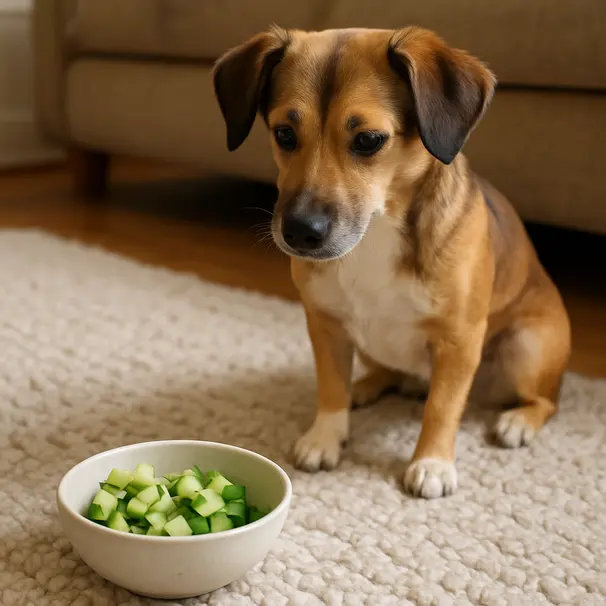
Simple cucumber cubes are perfect training treats.