

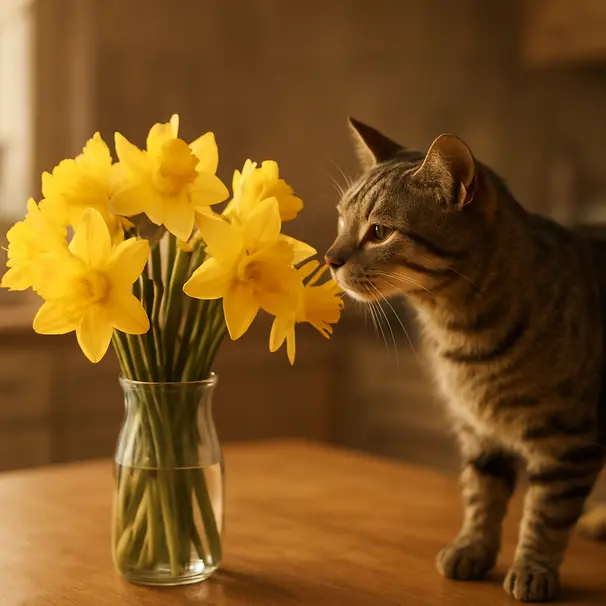
A friendly heads-up about daffodils and curious cats
Daffodils brighten up gardens and living rooms with sunny blooms. For many of us that means cheer on grey mornings and fresh bouquets on the kitchen table. For cats, though, daffodils can be interesting in ways we’d rather they weren’t. This guide is here to help pet owners and carers keep cats safe, with practical tips that are easy to follow and share.
Cats explore with their mouths and noses, and a nibble at a flower or bulb is not unusual. That curiosity is part of what makes them lovable, but it can also create a risk. Below you’ll find simple signs to watch for, safe-first-aid steps, and plenty of prevention strategies you can use at home or while caring for someone else’s cat.
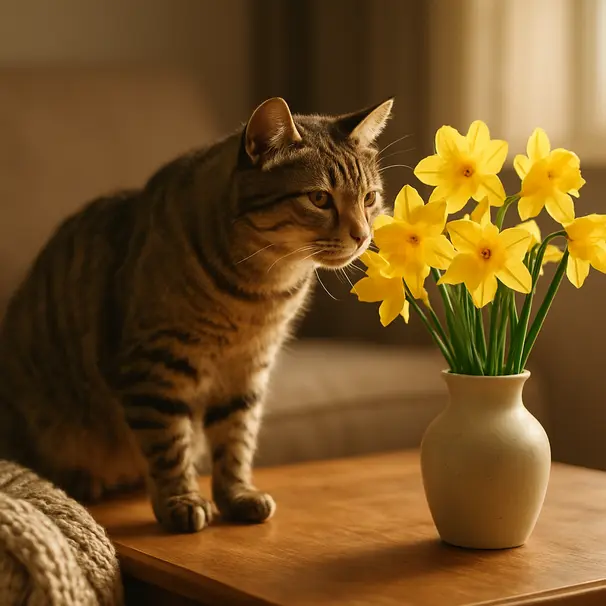
Why daffodils deserve attention
Daffodils are a common seasonal flower in gardens, parks, and bouquets. Many parts of the plant may attract a cat, especially the bulbs, which smell strong and may taste tempting if a cat scratches in soil or chews a potted plant. Bulbs often contain concentrated plant compounds.
Keep in mind that not every cat that tastes a little leaf will have a reaction. Still, it’s wise to treat daffodils as a potential hazard. A little prevention goes a long way and can save stress for everyone involved.
What to watch for after exposure
If you know or suspect a cat has chewed on daffodil leaves, flowers, or bulbs, look for these signs. Any single symptom on its own does not confirm serious trouble, but clusters of symptoms or anything that seems severe should encourage a call to a veterinarian.
- Drooling or strange mouth movements
- Vomiting or repeated retching
- Lethargy, weakness, or wobbliness
- Loss of appetite
- Abdominal discomfort, restlessness
If you see sudden, severe problems such as collapse, severe breathing difficulty, or seizures, consider this an emergency and seek veterinary attention promptly.
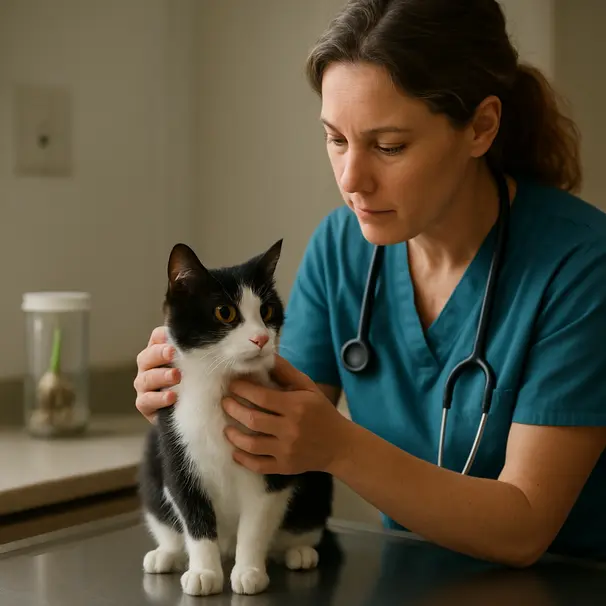
Quick steps to take right away
Stay calm. Cats pick up on our mood and staying composed helps you act clearly.
- Remove access. Gently move the plant away and make sure the cat can no longer reach any remaining daffodils.
- Check the mouth. If there are bits of plant in fur or mouth, you can try to remove loose pieces with gloves on. Avoid forcing the cat or putting your hands too close if the cat is stressed.
- Note what and how much. If you can, identify which part of the plant the cat chewed. Bulbs contain higher concentrations of plant compounds than leaves or petals.
- Call your vet or an emergency clinic. Explain what happened, describe the plant part eaten, and report any symptoms. They may ask you to monitor at home or bring the cat in. It can help to have a photo of the plant ready.
A vet may ask for weight and the estimated time since exposure. These details can help them advise you on next steps. Consider taking a photo of the daffodil or the packaging if it was a bouquet.
What not to do
- Don’t induce vomiting unless a veterinarian explicitly tells you to. In some cases that may do more harm than good.
- Don’t give home remedies or human medications without professional guidance.
- Avoid forcing water or food into a stressed cat.
Safety first means reaching out for professional advice when you are unsure.
Prevention at home: practical swaps and storage tips
Prevention is the least stressful path for everyone. Little changes can make a big difference.
- Place fresh bouquets out of reach. A high shelf, closed room, or a display behind glass can keep flowers cold and safe. Consider a heavy vase that is hard to tip.
- Keep potted daffodils where cats can’t paw at the soil. Window sills with screens and narrow ledges are tempting, so consider alternative spots.
- Store bulbs safely. Bulbs may be handled during planting season. Keep bulbs in sealed containers up high and wash hands after handling.
- Clean up fall and winter bulb debris. After bulbs are planted or flowers die back, remove and compost debris securely. Avoid leaving discarded bulbs in accessible compost heaps.
- Consider cat-safe plants. If you love flowers, choose pet-friendly species like snapdragons, roses, or cat-safe herbs. A small indoor cat grass pot can redirect chewing behavior.
For pet carers: visiting homes with seasonal plants
If you look after pets in other people’s homes, a quick safety checklist can help both you and the owner feel confident.
- Ask about plants on arrival. A brief question about toxic plants can prevent surprises.
- Do a quick walk-through. Note bouquets, open windowsill pots, or garden beds near doors you might open while supervising outdoor time.
- Communicate changes to owners. If you notice a risky arrangement, suggest simple moves and offer to help relocate the plant while the owner is away.
- Bring safe distractions. Portable toys, puzzle feeders, or a small cat-friendly plant like catnip can keep a cat occupied and less likely to sample flowers.
Keeping an open, nonjudgmental tone when you bring up plant safety helps build trust. Many owners appreciate the extra care.
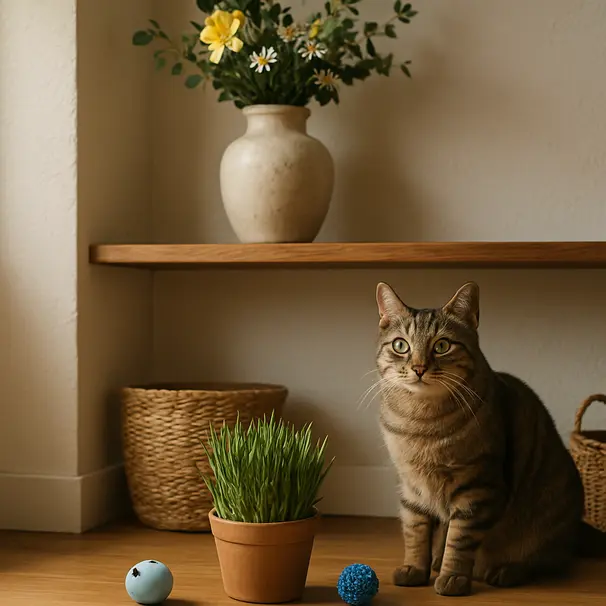
Safer bouquet styling and gifting ideas
If you like bringing flowers to a friend with cats, a few mindful choices make a lovely gesture without risk.
- Choose pet-friendly blooms and wrap them securely.
- Deliver bouquets in a container that is heavy or enclosed, which reduces the chance of curious paws.
- Include a note about placement, such as suggesting a high table away from the cat.
- Consider gifting potted herbs or succulents known to be cat-safe, or a small cat grass pot.
When giving bulbs as gifts, include a clear label reminding the recipient that bulbs should be stored out of pets’ reach until planted.
Training tips and enrichment to reduce plant chewing
Cats often chew plants out of boredom, curiosity, or dental reasons. Enrichment can redirect that behavior.
- Offer safe chew options. Cat grass, specially made chew treats, and dental toys may satisfy the urge to nibble.
- Increase playtime. Short, frequent interactive play sessions can reduce idle curiosity around plants.
- Create vertical spaces. Cat trees and shelves give cats interesting routes that are away from tabletops and vases.
- Use scent deterrents. A bit of citrus-scented, pet-safe spray on a vase base may discourage sniffing, but always test products for cat safety and comfort.
If chewing is sudden or intense, consider a vet or behaviour specialist to rule out underlying causes.
Gardening tips for outdoor spaces
If cats visit your yard or outdoor area, you can still enjoy daffodils while reducing risk.
- Plant bulbs in beds away from common cat paths, or under deep mulch so bulbs are hard to dig up.
- Use barriers. Low fencing or decorative cloches can protect newly planted areas.
- Provide outdoor cat-friendly zones. A small patch of cat grass or a sheltered box with toys can keep outdoor cats engaged.
- Avoid leaving bulbs exposed. If you dig up bulbs for sorting or storage, keep them in sealed bins until planting.
When to see a vet, and what to expect
If a cat shows multiple symptoms, or if exposure to bulbs is known, contacting a veterinarian is a wise step. Vets may recommend monitoring at home for mild cases, or an in-clinic visit for more pronounced signs.
At the clinic, staff may check vital signs, look for mouth or stomach irritation, and suggest supportive care. Treatments focus on managing symptoms and supporting the cat while their body clears any plant compounds. If your vet recommends it, they will guide you through options, timing, and what to watch for next.
A short seasonal checklist you can use
- Remove bouquets from low tables and coffee tables
- Store bulbs in sealed containers up high
- Place potted bulbs behind closed doors or glass
- Offer cat grass or toys on visible surfaces
- Ask carers to check plants and share any changes
Final thoughts from one pet lover to another
Cats and flowers both make our homes warmer places. A little planning lets us enjoy blooms without trading peace of mind. Keep daffodils out of reach, swap risky plants for cat-safe options, and have a vet’s number handy during planting season. That way you can enjoy spring colour and the happy, confident cat beside you.
If you’re a carer, adding a quick plant-safety note to your visit checklist can feel like a small extra kindness. For owners, a couple of adjustments can keep curious noses and mouths safe. When in doubt, reach out to a veterinary professional who knows your cat and can give tailored advice.
Thank you for looking out for your feline friend. With a few mindful choices, bright blooms and furry cuddles can coexist beautifully.