

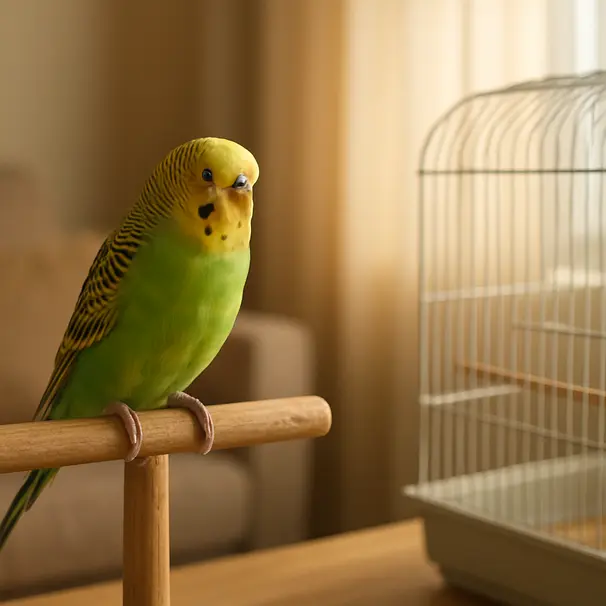
Daily Bird Care Checklist for Busy Owners and Pet Carers
Keeping a bird healthy and happy doesn’t have to be complicated, even on busy days. This checklist breaks the day into clear, friendly steps you can follow in ten to thirty minutes. It’s aimed at owners and pet carers who want dependable routines, gentle handling tips, and smart enrichment ideas that fit into a packed schedule.
Morning: Start Calm, Start Right
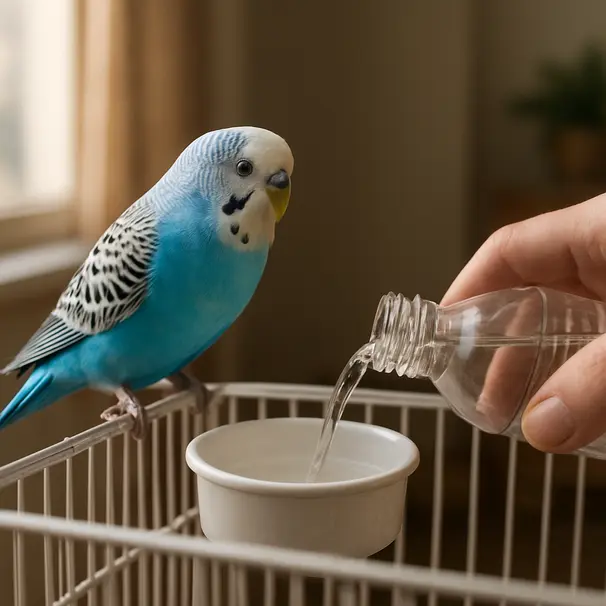
Mornings set the tone for a bird’s day. A short, consistent routine helps with stress, appetite and bonding. Aim to spend 10–20 minutes on these tasks before you head out.
Fresh food and water: Replace water daily, and top up seed mixes or pellets. If you offer fresh fruits and vegetables, change them daily to avoid spoilage. Consider serving wet foods in shallow bowls to prevent contamination.
Quick safety scan: Check the cage for any loose wires, broken perches, or unsafe toys. Remove anything that looks frayed or has small, chewed-off parts.
Sunlight and ventilation: Open curtains or move the cage to a bright spot, avoiding direct, harsh sunlight. A bit of morning light helps regulate sleep-wake cycles, but avoid drafts and sudden temperature changes.
5-minute interaction: Even a brief chat, whistle or hand-sitting session can reinforce trust. Birds respond well to consistent voices and short, positive encounters.
Morning checklist quick reference
- Replace water and food
- Remove spoiled fresh food
- Check cage for hazards
- Offer brief interaction
Midday: Maintenance and Enrichment
If you’re out for work or running errands, a pet carer can easily maintain routines when checking in. Midday is perfect for light maintenance and enrichment that keeps a bird mentally engaged.
Clean food and water dishes: A midday swap helps keep water fresh, especially in warm weather. Use hot, soapy water and rinse thoroughly.
Spot-clean cage: Remove droppings and obvious messes. Replace paper liners or change a small section of bedding if needed. This helps with hygiene and odor control.
Enrichment rotation: Swap toys or add a foraging activity. Simple ideas include hiding a favorite treat in a paper cup, tucking a small piece of fruit inside a foraging toy, or hanging a new chewable toy for short periods.
Supervised out-of-cage time: If schedules allow, a 10–30 minute supervised session provides exercise and exploration. Make sure windows and doors are closed, and any mirrors or reflective surfaces are covered.
Afternoon: Observation and Social Time
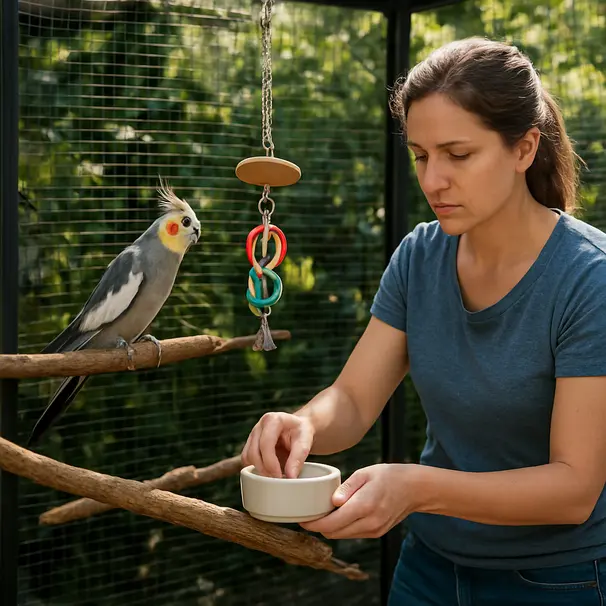
Afternoons can be social time for many birds. Use this part of the day to observe behavior and provide gentle interaction.
Observe behavior: Look for normal signs like preening, vocalizing, eating and perching steadily. Birds are subtle; a slight change in appetite, droppings, or posture can be a cue to watch more closely.
Short training sessions: Five to ten minutes of training helps with bonding and mental stimulation. Work on simple cues such as stepping up, target training, or staying on a perch. Keep sessions upbeat and end on a reward.
Offer chewables and textures: Rotate between wood, paper, and safe leaves. Changing textures helps satisfy chewing instincts and reduces bored destructive behaviors.
Evening: Wind Down and Prep for Night
Birds appreciate predictable nights. A calm evening routine helps them settle and sleep well.
Last food and water check: Top up water if needed and remove any perishable fresh food that might spoil overnight.
Dim the lights: Reduce bright lights an hour before bedtime to simulate sunset. This helps regulate circadian rhythms.
Quiet time: Keep noise low and handle your bird minimally close to bedtime. Many birds prefer to be left alone before sleeping.
Covering the cage: If your bird is used to a cage cover, make sure it is breathable and placed gently. Not all birds need a cover, so follow the bird’s usual preference.
Weekly and Monthly Tasks (Quick Notes)
Daily routines are essential, but a few less-frequent jobs keep things in great shape.
Weekly tasks:
- Full cage cleaning, including perches and toys
- Deep clean of food and water bowls with a mild disinfectant
- Rotate toys and add new foraging challenges
Monthly tasks:
- Inspect and replace worn perches and toys
- Trim nails or arrange professional grooming if needed
- Check and update emergency contact lists and the bird’s care instructions
Quick Health Check Every Day
You don’t need special training to do a basic health check. A few everyday observations can spot issues early.
Appetite: Is your bird eating the usual amount? A decrease in interest can signal stress or illness.
Droppings: Normal droppings have a consistent texture and color for each species. Sudden changes in volume, color or consistency may mean it’s time to consult a vet or an experienced carer.
Feather and skin condition: Feathers should look smooth and well-kept. Excessive fluffed feathers, bald patches or unusual scratching may be signs to watch.
Posture and energy: A bright, alert bird will perch comfortably and move around. Lethargy, sitting at the bottom of the cage, or hunched posture are reasons to seek professional advice.
Use gentle language when describing changes to a vet, and consider sharing photos or notes from your daily checklist.
Safety Tips for Busy Homes
Busy households need simple safety rules to protect birds.
- Keep windows and doors closed during out-of-cage time
- Avoid aerosol sprays, scented candles and non-stick cookware fumes
- Store toxic foods and plants out of reach, including chocolate, avocado, caffeine and onion
- Keep bathroom doors closed, baths can produce dangerous fumes from cleaning products
If a carer is looking after the bird, create a concise safety sheet with emergency contact information, the bird’s usual diet, and any known quirks or health notes.
Feeding Guide for Daily Routines
Feeding can be straightforward if you plan ahead.
Base diet: A good pellet or seed mix tailored to the species forms the baseline. Pellets may help provide balanced nutrition, while seeds are often used for variety.
Fresh food: Offer fruits and vegetables daily, in small amounts. Leafy greens, carrots, and small pieces of apple or pear are usually popular. Avoid high-fat or sugary treats every day.
Treats and training rewards: Use small pieces of favorite food during training sessions. Keep treats to a small portion of the daily intake.
Consider writing portions and meal times on a care card for sitters or carers to follow.
Enrichment Ideas That Fit a Busy Day
Enrichment doesn’t require hours of work. Small, varied activities can make a big difference.
Foraging jars: Place treats inside a jar with holes large enough for a beak but tricky to access. Change contents to maintain curiosity.
Paper puzzles: Hide treats under folded paper, or hang shredded paper for play. These are cheap and easy to swap daily.
Audio enrichment: Birds often enjoy short, varied audio clips of music or natural sounds. Keep volume moderate and limit to short periods.
Quick training bursts: Five minutes of positive training encourages focus and mental exercise. End with praise.
Handovers and Communication for Pet Carers
Clear communication between owners and carers makes a visit efficient and reassuring.
Leave a simple checklist: Include feeding amounts, favorite toys, handling preferences, and any medical notes.
Share routines: If your bird has a preferred interaction style, tell the carer. Some birds prefer hands, others prefer perches or toys.
Emergency contacts: Provide your vet’s phone number, and an alternate contact if you’re unreachable. Make sure carers know where keys and first-aid supplies are.
Notes on behavior: If the bird has been noisy or quiet lately, a short note helps the carer adapt the visit.
Travel and Short-Term Boarding Tips
If a carer is transporting or boarding a bird, plan for comfort and continuity.
Familiar items: Send a favorite perch or toy with the bird to reduce stress.
Feed and schedule: Pack measured portions and a sample of fresh food, with clear instructions.
Quiet routine: Keep the environment calm and predictable, and avoid loud, unfamiliar places during travel.
Consider a trial short stay before longer boarding to see how your bird adapts.
Final Notes: Keep It Simple and Flexible
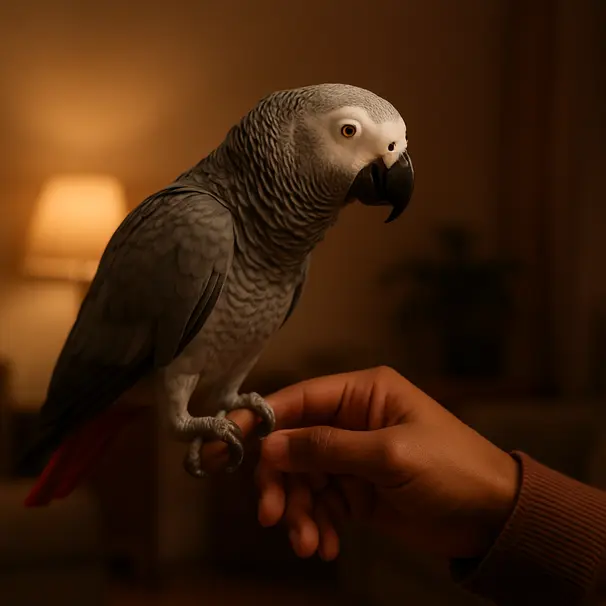
Daily care for a bird is about regular, reassuring actions. Short, consistent routines build trust and help catch small health issues early. If you’re a busy owner, partnering with a reliable carer who follows the checklist makes life easier for both you and your bird.
Remember to be patient, celebrate small progress, and consult an avian vet if anything seems off. With a little planning, daily care can be a joyful part of your life, even on hectic days.
Quick printable checklist
- Morning: fresh food and water, safety scan, 5-minute interaction
- Midday: clean bowls, spot-clean cage, enrichment swap
- Afternoon: observation, short training, chewable offer
- Evening: remove perishable food, dim lights, quiet time
Keep this checklist visible for carers and family members, and update it as your bird’s needs change. Small routines make a big difference, and your bird will thank you with curiosity, song, and bright, healthy behavior.