

Why a consistent walking routine matters
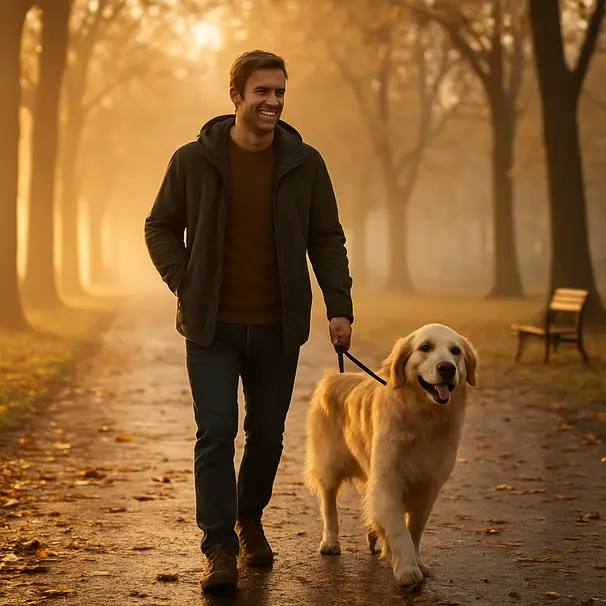
Walks are more than bathroom breaks. They’re a daily rhythm that can help your dog burn energy, learn good manners, and feel calmer at home. A regular walking routine gives dogs structure and mental stimulation, and that tends to make life smoother for owners and carers alike.
Good walks may help reduce common problems like restlessness, chewing, and noisy greetings at the door. They also give your dog chances to practice leash manners and social skills in small, manageable steps.
The fundamentals: what a daily routine should include
A balanced walk includes movement, sniff time, and training moments. Think of each walk as a short class plus an adventure: a warm up, a main exercise, and a cool-down.
- Warm up: Start with gentle walking and a few calm minutes to let your dog focus on you.
- Main exercise: Vary pace and length depending on energy level. This can be brisk walking, off-leash play in a safe area, or short interval running if your dog enjoys it.
- Mental breaks: Let your dog sniff and explore. Scenting engages their brain and can be as tiring as physical activity.
- Cool down: Slow the pace before heading home and reward calm behavior.
Aim for at least two walks a day for most dogs. Puppies and seniors might need shorter, more frequent outings. High-energy breeds may need three or more sessions, plus play and enrichment at home.
How long should each walk be?
There’s no one-size-fits-all answer. A good rule is to match walks to your dog’s age, breed and fitness. A quick guide:
- Puppies: Short bursts, multiple times. Keep walks gentle and watch for tiredness.
- Adults: 30 to 60 minutes daily can work for many dogs. Adjust up for working breeds.
- Seniors: Shorter, slower strolls more often may suit older joints.
If you’re unsure about an exercise plan, consider checking with your vet or a trusted trainer for tailored advice.
Building a leash-friendly routine
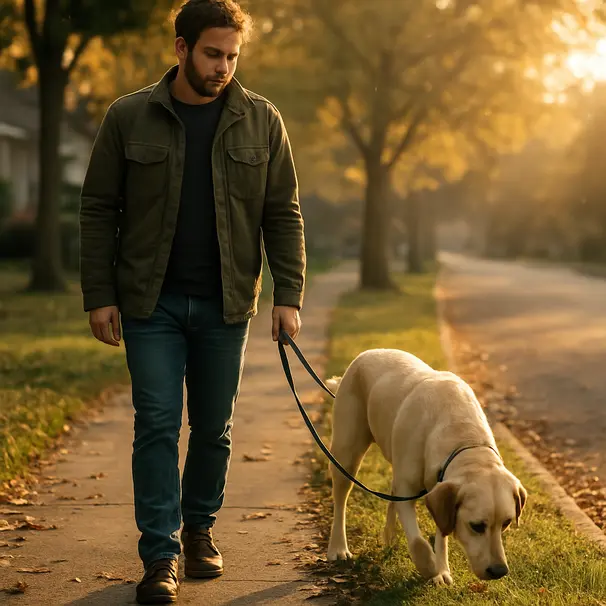
Leash manners transform walks from a tug-of-war into pleasant time together. A consistent routine helps dogs understand what you expect.
- Start each walk only after your dog is calm. A minute of sitting by the door can set a peaceful tone.
- Use rewards: small treats or a favorite toy can reinforce loose-leash walking.
- Practice turns and changes of pace. If your dog pulls, change direction and reward when they follow.
- Keep training sessions short and positive. Ten to thirty seconds of focus, followed by movement, works well.
If a dog is reactive or fearful on walks, break the walk into tiny steps, keep distance from triggers, and reward calm. If reactivity is severe, consult a behavior specialist.
Energy-level routines: sample daily plans
Below are practical sample schedules you can adapt. They’re written to suit different lifestyles and dog types.
Low-energy or senior dog
- Morning: 15 to 20 minute gentle walk with sniffing time.
- Midday: 10 to 15 minute stroll or potty break.
- Evening: 20 to 30 minute relaxed walk, slow pace, short training cues.
Tips: Use a harness that supports the chest, avoid slippery surfaces, and watch for signs of fatigue.
Average adult dog (moderate energy)
- Morning: 20 to 30 minute brisk walk with a short training session.
- Midday: 10 to 20 minute potty/sniff break.
- Evening: 30 to 40 minute walk, include playful time or a fenced off-leash area.
Tips: Add short interval sprints or fetch if your dog enjoys bursts of speed.
High-energy or working breed
- Morning: 40 to 60 minute vigorous walk or run with training drills.
- Midday: 20 minute enrichment or interactive game.
- Evening: 40 minute walk with play session at a dog park or structured activity like agility or nose work.
Tips: Rotate activities so your dog gets both physical and mental challenges.
Weather, seasons and safety basics
Weather affects how you walk. Hot pavement, icy surfaces, and heavy rain change the plan.
- Heat: Walk early or late when it’s cooler. Test pavement with your hand. If it’s too hot for you, it’s too hot for paws. Bring water for both of you.
- Cold and ice: Shorten walks, avoid hidden hazards, and dry paws when you’re back inside. Consider booties for long cold days.
- Rain: Use a waterproof jacket and embrace indoor enrichment if it’s a downpour. A short, focused potty walk with a towel at the door can keep things manageable.
Always carry identification, a mobile phone, and waste bags. If your dog has a medical condition, consider a vet check before adding intense exercise.
Mental enrichment on walks
A tired body is helpful, but a tired brain is often the real win. Add enrichment by:
- Letting your dog sniff posts, grass and curbs. Scent time is pure enrichment.
- Practicing short training games: sit-stay at a lamp post, recall between trees, or a quick paw shake.
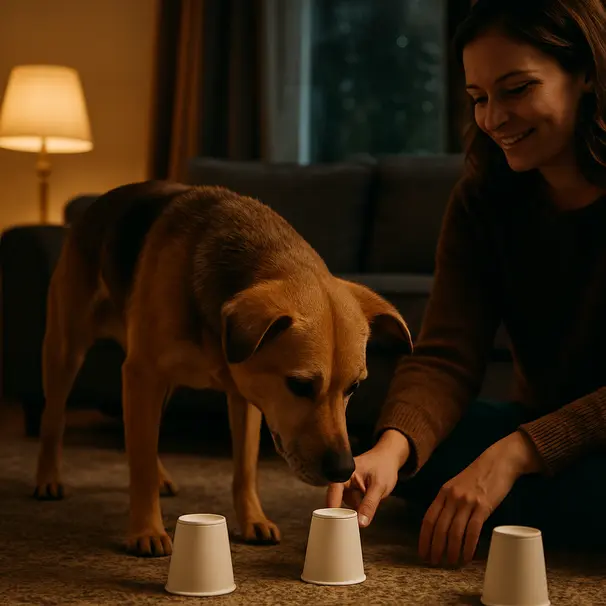
- Playing nose work games: hide a treat along a path and ask your dog to find it.
- Varying routes: New smells and landmarks keep walks interesting.
These small changes keep spirits high and improve focus at home.
Walking with a sitter or pet carer
If someone else walks your dog, establish a clear routine. Share a simple daily plan and important details:
- Preferred walk times and length.
- Leash and harness type, plus any quirks or triggers.
- Commands your dog knows and reward preferences.
- Emergency contacts, vet information and any medical notes.
A short checklist or a note in your pet care app helps carers keep consistency. Regular caretakers can also leave quick notes about energy, appetite and bathroom habits.
Handling common walk-time problems
Here are practical fixes for frustrating habits.
- Pulling: Stop and wait when your dog strains. Only move forward when the leash is loose. Reward calm walking.
- Lunging at other dogs: Increase distance, reward attention to you, and gradually reduce the gap when your dog stays calm.
- Excessive sniffing and dawdling: Set clear sniff windows. Allow a few minutes of free sniffing, then cue a focused walk.
- Anxiety or fear: Shorten walks near triggers and build confidence with rewards and slow desensitization. Seek a behaviorist if progress stalls.
Small, consistent steps beat sudden, intense training sessions. Patience matters.
Tracking progress and staying motivated
Keep a simple log to notice improvements. Note walk length, energy level, and any issues. You’ll see patterns: maybe midweek yawns mean your dog needs an extra play session, or rainy days cause trouble settling.
Set small goals: two weeks of calmer door exits, or five days with fewer pulls. Celebrate the wins. A happier walk makes life easier for everyone.
Special considerations: puppies and seniors
Puppies: Grow up gradually. Short, frequent walks are best. Avoid overdoing high-impact exercise and stop if your puppy seems tired. Use walks as socialization with controlled, positive experiences.
Seniors: Watch for stiffness and joint pain. Gentle, regular walks keep muscles and joints moving. If your older dog seems sore, consider a veterinary check to discuss supplements or therapies.
Always consider a vet when adding significant exercise changes or if you notice limping, excessive panting, or reluctance to move.
Gear that makes routines easier
Good gear simplifies life. Consider:
- A comfortable harness that fits well.
- A durable leash of the right length for control and freedom.
- A waist leash or hands-free option for runners.
- Reflective gear for night walks.
- Portable water bottle and collapsible bowl.
Try gear at home first so your dog adjusts before you head out.
Making walks social and fun
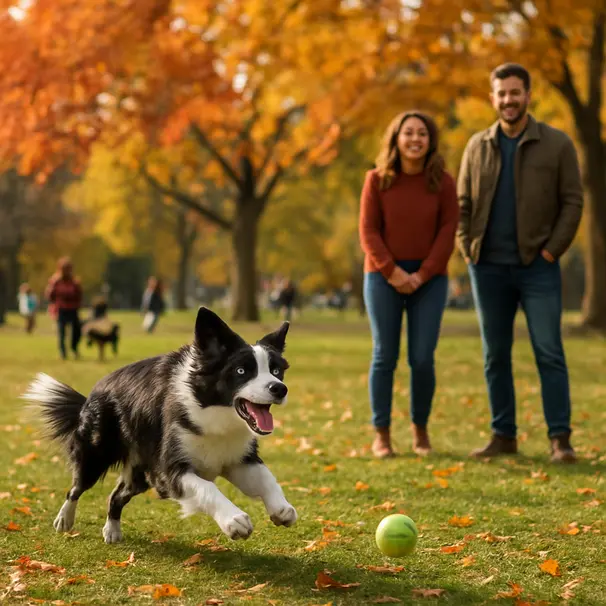
Walks can be a chance to build community. Meet a neighbor for a joint walk, take turns visiting a friend’s yard, or schedule playdates at a dog-friendly park. Socialization can improve behavior and give your dog positive interactions.
Keep play supervised and watch body language. Not every dog wants to be in a pack, and that’s okay.
Final checklist for a great daily routine
- Set consistent times that work with life and your dog’s needs.
- Include warm up, active time, sniff breaks, and cool down.
- Practice a few short training cues during walks.
- Adjust length and intensity for age and health.
- Prepare for weather and bring essentials.
- Share routines with pet carers and update them on changes.
A little planning goes a long way. Most dogs thrive on kindness, clarity, and predictability.
Quick Q&A
Q: How do I know if my dog is getting enough exercise? A: Look for relaxed behavior at home, an interest in training, and regular sleep patterns. Excess energy, destructive chewing, and hyperactivity may suggest more activity is needed. Consider mixing mental work with physical play.
Q: Can I replace a walk with play at home? A: Short indoor play can help, but walks provide unique smells, sights, and social learning. Use indoor play as a supplement, especially on bad weather days.
Q: How often should I update the routine? A: When your dog’s life stage changes, if you move, or if health or behavior shifts. Small tweaks are often enough.
Closing thoughts
Walks are one of the simplest ways to deepen your bond with your dog. A steady routine creates calm, encourages good manners, and fills your dog’s day with purpose. Start small, keep sessions positive, and enjoy the little discoveries along the way. With patience and consistency, daily walks can be some of the happiest minutes you share.