

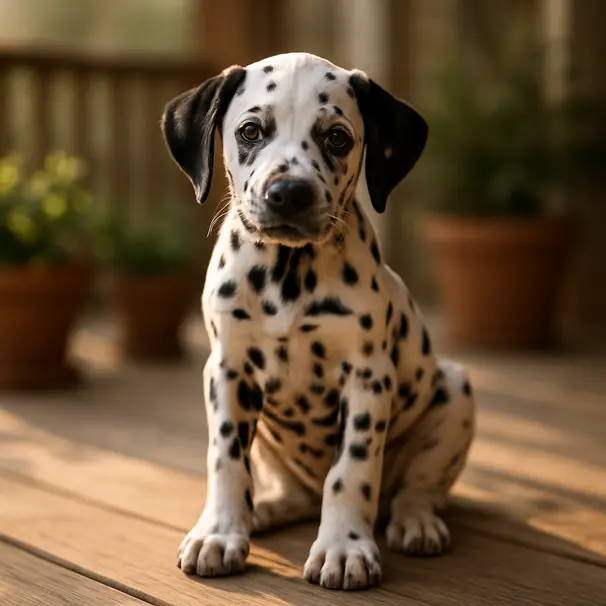
Dalmatian puppies: cute, smart & spirited
Dalmatian puppies have a way of stealing hearts. With those unmistakable spots, lively eyes, and tails that never stop wagging, they look like cartoon companions come to life. But beneath the charm is a breed with real needs: mental stimulation, steady guidance, and plenty of activity. This post is a friendly, practical guide for pet owners and carers who want to know what it takes to raise a happy, well-balanced Dalmatian puppy.
A quick Dalmatian puppy primer
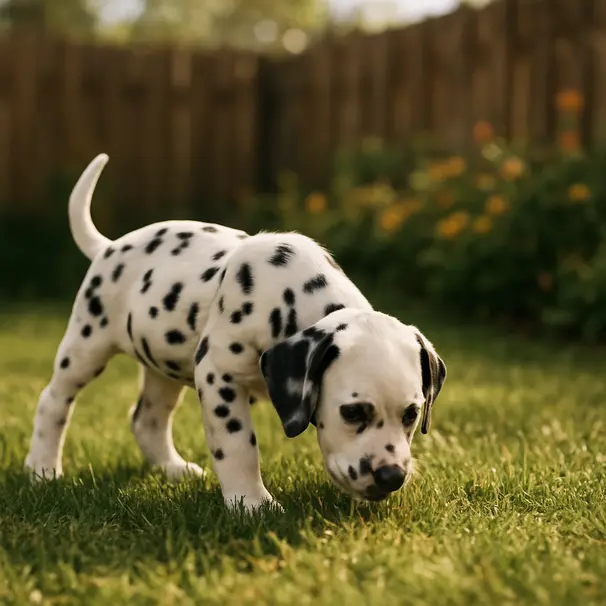
Dalmatians are medium-sized dogs, originally bred for coaching and guarding carriages. Today they’re known as family dogs with strong personalities. Puppies begin life as mostly white, and their spots start to appear in the first few weeks. They grow quickly, with adolescent energy peaking around six months to two years.
Key points at a glance:
- Lifespan: often around 10–13 years.
- Size: medium build, athletic frame.
- Coat: short and dense, sheds moderately.
- Temperament: lively, alert, and affectionate.
If you’re pairing a Dalmatian puppy with a household, remember they love company. They can be people-focused and may follow family members from room to room. That’s endearing, but it means they do best with carers who can give attention and structure.
Temperament: smart, spirited, and sensitive
Dalmatians are sharp learners. That intelligence makes them quick to pick up commands, but it also means they get bored if training is repetitive. They’re often playful and silly as puppies, with bursts of velcro-dog affection.
Personality traits to expect:
- High energy: they like to run, explore, and play for long stretches.
- Curiosity: they investigate new sights and smells with gusto.
- Sensitivity: harsh corrections can shut them down; gentle guidance works better.
- Independence: they can be stubborn, so consistent routines help.
They usually do well with kids who know how to interact respectfully with dogs. Early exposure to different people, pets, and environments helps them grow into confident adults. Positive reinforcement and short, fun training sessions can make learning a game rather than a chore.
Training and socialization: start early and keep it fun
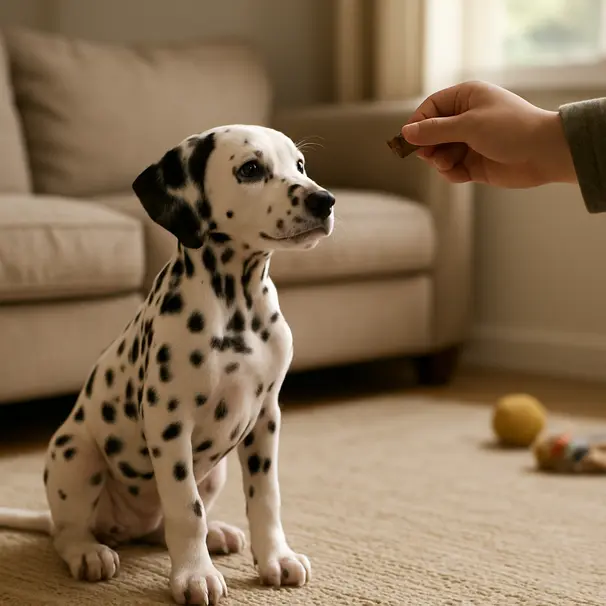
Training a Dalmatian puppy is a mix of teaching basics and channeling energy. Start socialization as early as possible. Introduce your puppy to a variety of people, household sounds, and gentle experiences. Some practical tips:
- Short sessions: five to fifteen minutes several times a day keeps focus sharp.
- Reward-based training: treats, praise, and play reinforce good behavior.
- Consistency: use the same cues and rules across the household.
- Crate training: this can help with house-training and gives puppies a safe den.
Basic commands like sit, stay, come, and leave it are vital. Because Dalmatians are fast runners, a reliable recall can prevent risky situations. If you struggle with recall or reactivity, consider working with a positive reinforcement trainer who can show techniques tailored to energetic hounds.
Puppy classes are an excellent way to socialize while learning. They also help carers practice handling and managing puppy play so it stays friendly and safe.
Exercise and play: keeping a busy brain happy
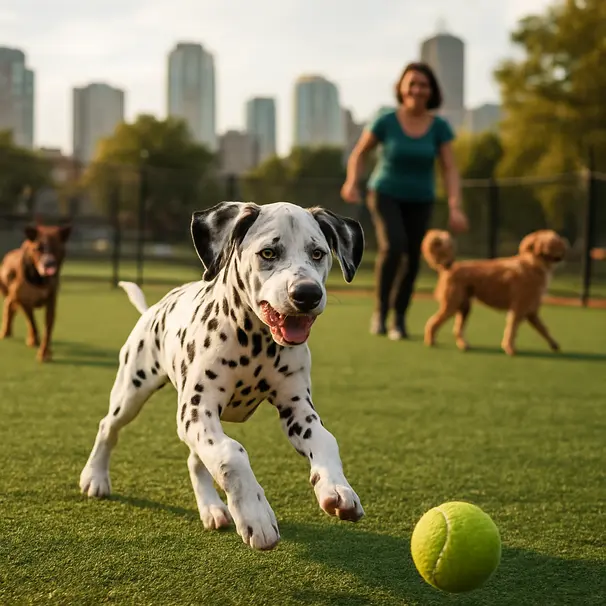
A bored Dalmatian puppy may invent its own activities, which can include chewing, digging, or enthusiastic barking. They typically need more exercise than many other medium breeds. Plan for daily activity that combines physical and mental challenges.
Ideas for balanced exercise:
- Walks: multiple short walks or one longer walk each day as the puppy grows.
- Off-leash play: a secure, fenced area for running and chasing safely.
- Puzzle toys: food-dispensing toys or snuffle mats can slow feeding and stimulate the mind.
- Training games: hide-and-seek, scent work, or basic agility obstacles.
Varying the routine keeps things interesting. For example, alternate a scent session one day with a brisk walk the next. Swimming can be a gentle way to burn energy if your puppy likes water. Always consider the puppy’s age and physical development; high-impact activities should be limited until their bones mature.
Grooming, nutrition, and health considerations
Grooming a Dalmatian pup is fairly straightforward, but they do shed and benefit from regular care. Their skin and ears deserve attention, and some Dalmatians can be prone to certain conditions.
Grooming basics:
- Brushing: a weekly brush helps control shedding and keeps the coat glossy. During heavier shedding seasons, increase frequency.
- Bathing: bathe only as needed to avoid drying the skin. Use a gentle puppy shampoo.
- Ears and nails: check ears weekly for debris and trim nails every few weeks.
- Dental care: start brushing early to build the habit.
Nutrition and weight:
- High-quality puppy food: choose a formula appropriate for medium-breed puppies and follow feeding guides.
- Monitor weight and body condition: Dalmatians should be lean and athletic, not overweight.
- Hydration: energetic pups need constant access to fresh water, especially after play.
Health notes to consider:
- Urinary concerns: Dalmatians can be prone to certain urinary crystals; diet adjustments may be recommended by a vet.
- Skin sensitivity: some have sensitive skin that can benefit from specific shampoos or diet tweaks.
- Ear infections: regular ear checks and gentle cleaning can help prevent issues.
These are general points. If you notice anything unusual, consider consulting your vet for tailored advice. A vet can help with vaccination schedules, parasite control, and any breed-specific health talks.
Bringing a Dalmatian puppy home: settling in smoothly
The first days and weeks set the tone. Prepare your home with essentials: a crate, bedding, food and water bowls, chew toys, and a safe area for play. Keep the environment predictable. Puppies thrive on routine.
Settling-in tips:
- Slow introductions: let the puppy explore one room at a time before allowing full access.
- Designated play and rest times: consistent meal, walk, and nap schedules help regulate behavior.
- Handling practice: gently handle paws, ears, and mouth to make grooming and vet visits easier later.
- Safe chew options: teething puppies need appropriate chew toys to protect your belongings.
If you use a pet carer or dog walker, introduce them gradually. Short walks together at first can build trust. Share your puppy’s routine, preferred treats, and any cues you’re using. A carer who understands your training approach becomes a valuable partner in consistent care.

Living with a Dalmatian puppy: family life and long-term tips
Dalmatians often bond closely with their people. They can be affectionate companions who enjoy family activities. Long-term, consistent care helps these puppies grow into stable adults.
Long-term considerations:
- Mental work: keep teaching new tricks to engage their minds.
- Ongoing socialization: maintain regular positive experiences with people and other dogs.
- Routine veterinary care: regular checkups can catch small issues early.
- Travel and carers: if you rely on sitters or doggy day care, pick professionals who understand high-energy breeds.
If you have a busy schedule, plan for help. Regular dog walkers, doggy day care, or trusted sitters can provide exercise and companionship. A well-exercised Dalmatian is more likely to be calm at home and easier to manage for visitors and carers.
Final thoughts: joyful chaos worth the effort
Raising a Dalmatian puppy is a lively adventure. They bring energy, intelligence, and affection in generous measures. With consistent training, varied exercise, and a caring routine, these puppies grow into faithful, spirited companions who brighten everyday life.
If you’re thinking of adopting or are already caring for a Dalmatian puppy, celebrate the small wins: the first reliable sit, calm crate time, or a peaceful night after a busy day. Those moments add up. And if you ever feel stuck, reach out to trusted carers, trainers, or your vet for support.
Resources and next steps:
- Consider joining a breed-specific owner group to share tips and local recommendations.
- Look for positive-reinforcement trainers with experience handling energetic breeds.
- Plan regular check-ins with your vet to tailor nutrition and exercise as your puppy grows.
Enjoy the spots, the silly antics, and the head-on cuddles. Dalmatian puppies are lively, loving companions that reward the care you give them with true, playful devotion.