

Designing Safe, Enriching Bird Habitats and Choosing the Right Cage
Caring for a bird is a joyful mix of feathered antics, curious beaks, and a desire to give them a life full of wonder. A big part of that life is the world you build for them. A thoughtful habitat helps birds feel secure, stay active, and express natural behaviors. This guide takes you through practical choices for cages, perches, toys, and daily routines, with tips that make both pet owners and pet carers feel confident.
Start with the bird’s natural needs
Birds are social, tactile, and often very active. Even small companion birds may love climbing, chewing, preening, and foraging. To design a habitat that suits them, consider these basics:
- Space: Birds need room to flap, stretch, and hop between perches.
- Safety: Non-toxic materials, secure latches, and careful placement can reduce accidents.
- Enrichment: Toys, foraging opportunities, and varied perches keep minds sharp.
- Routine: Predictable feeding, play, and quiet times reduce stress.
Keep in mind different species have different needs. A budgie needs a different amount of space and enrichment than an African grey parrot. If you’re unsure, consult experienced carers or an avian vet who may provide species-specific guidance.
Choosing the right cage: size, shape, and material
A cage is more than a box. It’s a home and a playground. When picking a cage, think long term. Birds may grow or become more active with training and bonding.
Size matters
Bigger is almost always better. A roomy cage allows flight within a limited space, helps prevent boredom, and gives room for toys and multiple perches. As a rule, aim for a cage where your bird can fully extend wings without touching the sides. For medium parrots, a larger horizontal space can support swinging and climbing.
Shape and bar spacing
Horizontal bars are helpful for climbing species, while vertical bars work well for others. Bar spacing must match your bird’s size to prevent escape or injury. Small birds need tighter spacing, and larger birds need stronger, widely spaced bars. For safety, double-check manufacturer specs and get advice from experienced carers.
Materials and finishes
Look for cages made from powder-coated steel, stainless steel, or other durable, non-toxic metals. Avoid cages with zinc or lead-based finishes. If metal tastes or coatings wear, birds that chew may be exposed to harmful substances. Wooden cages have charm, but wood can be chewed and is harder to sanitize.
Doors, locks, and safety details
Birds are clever with latches. Choose cage doors with secure closures and secondary locks to prevent escapes. Inspect welds and hinges for durability. Removable trays and grates that are easy to clean make daily maintenance less of a chore.
Perches: variety equals healthy feet
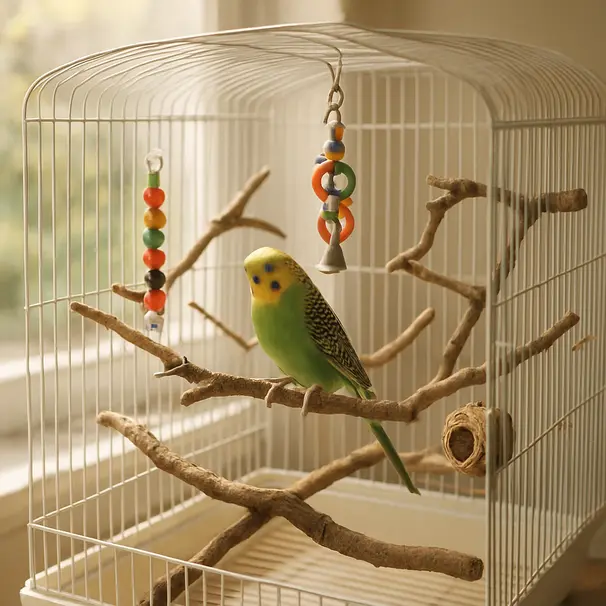
Feet health is often overlooked. Perches come in many shapes, sizes, and materials. Natural branch perches mimic wild environments and offer varied diameters. Combine these with smooth dowels, rope perches, and textured perches made for promote foot exercise.
Tips for perches:
- Alternate perch diameters to exercise different muscles.
- Avoid sandpaper-wrapped perches as they may damage skin.
- Position perches so droppings don’t fall onto food or water dishes.
Rotate perches occasionally to keep things novel. If your bird favors one perch and seems to chew it down, replace it before it becomes unsafe.
Enrichment: toys, foraging, and mental exercise
Toys are not frivolous extras. They help birds use natural behaviors like chewing, shredding, and problem solving. Think of toys as tools for a happier life.
Enrichment ideas:
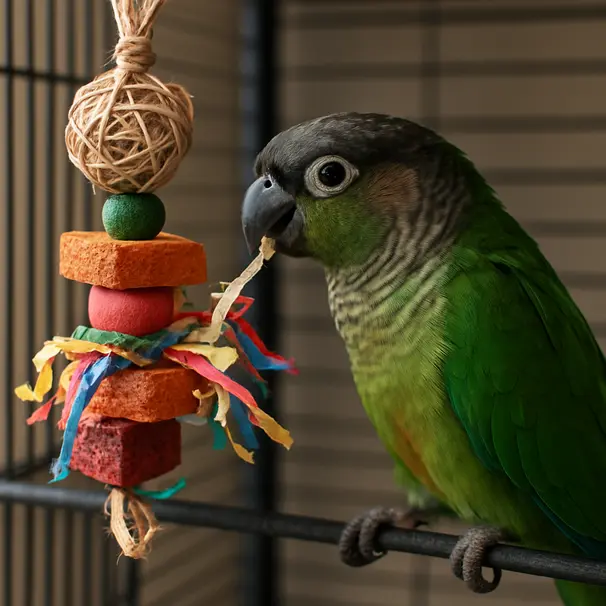
- Foraging toys: Hide treats inside shreddable items or puzzle feeders.
- Chew toys: Safe hardwoods, untreated wicker, and bird-safe rope support chewing instincts.
- Mirrors and bells: Use cautiously. Some birds bond with mirrors, others may become territorial.
- Rotate toys weekly to prevent boredom.
Create simple DIY foraging activities with paper, cardboard, and small cups. Supervise new toys at first to ensure they aren’t hazardous. If your bird has a tendency to ingest small pieces, opt for larger, more durable items.
Lighting, temperature, and placement
Natural light helps regulate circadian rhythms. Place cages near windows for daylight, but avoid direct hot sun or cold drafts. A corner that offers both a view and a sense of security often works well. If windows are bright in the afternoon, consider shading to prevent overheating.
Temperature matters too. Most companion birds do well in typical indoor temperatures, but sudden swings can stress them. If you use supplemental light for vitamin D or behavior reasons, consider full-spectrum bulbs rated for birds, and discuss this with an avian vet.
Indoor cages versus outdoor aviaries
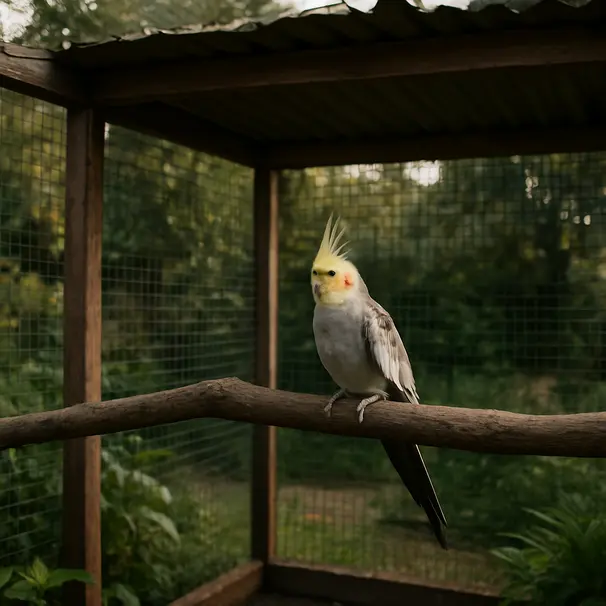
Both options have perks. Indoor cages keep birds close to family life, lower disease risks, and reduce predator threats. Outdoor aviaries provide fresh air, more space, and varied sensory experiences. If you choose an outdoor aviary:
- Ensure shelter from rain, wind, and extreme temperatures.
- Use secure roofing and predator-proofing.
- Offer shaded spots and areas for sunbathing in the morning.
If your bird spends time outdoors, bring them inside overnight and monitor for pests or drafts. Outdoor birds may need more frequent health checks and parasite prevention, so consult a vet or experienced carer for advice that fits the species.
Cleaning, maintenance, and daily routines
A clean home is a safe home. Daily spot cleaning of food and water dishes reduces bacterial growth. Replace soiled liners and wipe surfaces regularly.
Weekly and monthly tasks:
- Weekly: deep clean trays, scrub perches and toys, change water bowls.
- Monthly: inspect and replace worn toys, check cage integrity, deep sanitize perches.
Use bird-safe cleaning products or a diluted vinegar solution for many surfaces. Avoid strong fumes; birds have sensitive respiratory systems. If using disinfectants, rinse thoroughly and allow full drying before returning the bird to its cage.
Travel cages and temporary housing
Short trips need secure, smaller carriers designed for birds. For longer stays, larger travel cages with room to sit and access to water are better. When arranging temporary housing with a pet carer:
- Share routines and favorite toys.
- Provide clear feeding schedules and emergency contacts.
- Label everything with the bird’s name and any important notes about behavior or medical needs.
Carers may need a trial visit to build trust. A familiar towel or perch can help a bird settle in unfamiliar surroundings.
Working with pet carers: what to share
A great carer can make outings stress-free. Prepare a concise care sheet that includes:
- Daily feeding amounts and preferred foods.
- Favorite toys and comfort items.
- Known triggers, loud noises, or situations that stress the bird.
- Health notes and vet contact information.
Ask potential carers about experience with your bird’s species, their emergency plan, and how they introduce new birds to routines. A short meet-and-greet helps the bird and carer feel comfortable.
Safety hazards to watch for
Household hazards are surprisingly common. Watch for these red flags:
- Teflon and non-stick cookware fumes, which may be dangerous for birds.
- Ceiling fans and open windows without screens.
- Toxic plants, certain foods, and scented candles.
- Small objects a bird can swallow.
Keep human foods like avocado, chocolate, and alcohol far away. Use bird-safe plants and research anything that might come into the bird’s space. If you suspect poisoning or respiratory distress, contact a vet promptly.
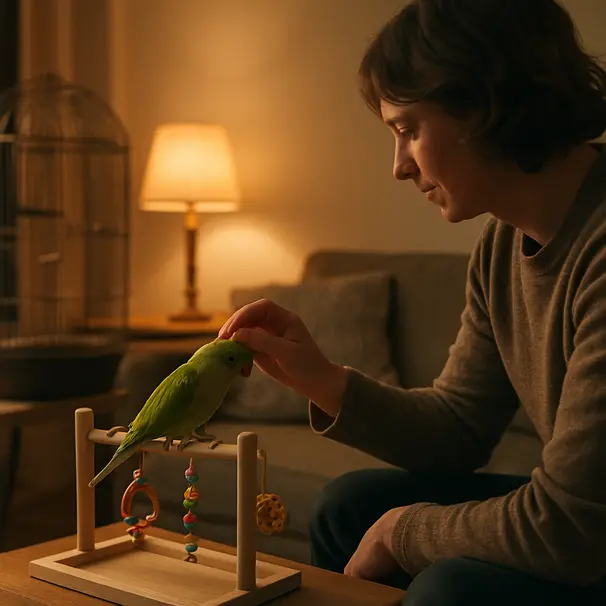
Social interaction and training
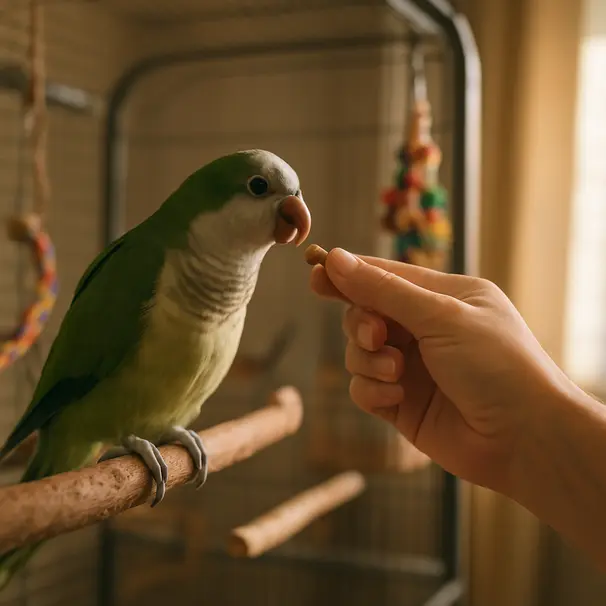
Birds thrive on positive interaction. Daily short sessions of training and play can reduce screaming and encourage desired behaviors. Training tips:
- Use gentle reinforcement, like preferred treats.
- Keep sessions brief and fun.
- Teach simple cues, such as step-up or target training.
If your bird has behavior issues, a qualified trainer or experienced carer may provide helpful strategies. Small consistent changes often lead to big improvements.
Common mistakes and how to avoid them
A few common mistakes are easy to fix:
- Too many identical toys: Rotate and vary textures.
- Perches all the same size: Mix diameters to exercise feet.
- Crowded cage: Make more space or reduce toys temporarily.
- Ignoring vet checks: Consider routine wellness visits.
Being proactive helps you catch problems early and keeps your bird’s life enriched.
Final checklist before setting up a new habitat
- Right-sized cage with secure locks.
- Variety of safe perches and at least two food/water dishes.
- A rotation plan for toys and foraging activities.
- Clean placement away from drafts and fumes.
- Emergency contact list and care routine written down.
Creating a safe, stimulating home for your bird is a loving act that pays dividends in trust and joy. Take your time, observe your bird’s preferences, and don’t hesitate to seek advice from vets or experienced carers. With thoughtful choices and a little creativity, your feathered friend can thrive in a space that’s built for curiosity and comfort.
If you’re planning a habitat refresh or need help while you’re away, consider connecting with trusted pet carers who may help maintain routines and enrichment. Birds respond beautifully to consistency, so thoughtful care makes all the difference.
Thank you for giving birds a home that celebrates their nature. Their quirky personalities will reward your attention with companionship and plenty of entertainment.