

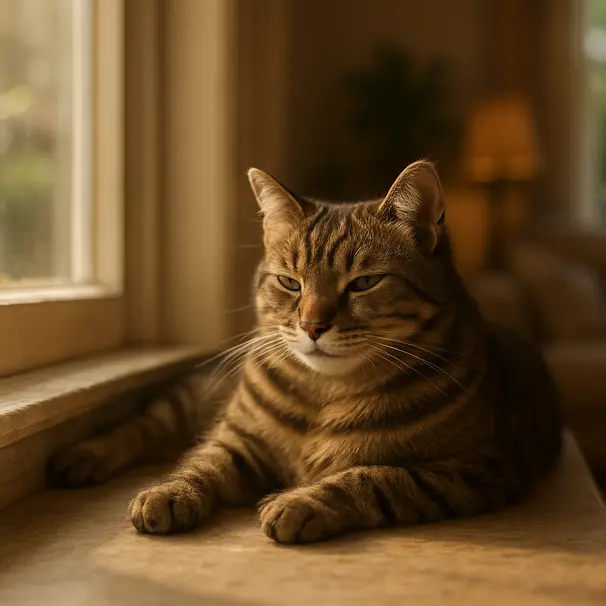
Do cats like music? A warm look at whiskers and melodies
You might have caught your cat flick an ear at a piano practice, or perhaps she curled up and slept through your favorite playlist. So do cats like music, or are they simply tolerant roommates with excellent hearing? Short answer: it depends. Long answer: science, temperament, volume and the kind of sounds all matter.
Cats have different hearing ranges and social cues than humans. What charms us might be boring or even annoying to them. Over the past decade researchers have started to tease apart those differences and even compose music that seems to resonate more naturally with feline listeners.
What the research says, in plain speak
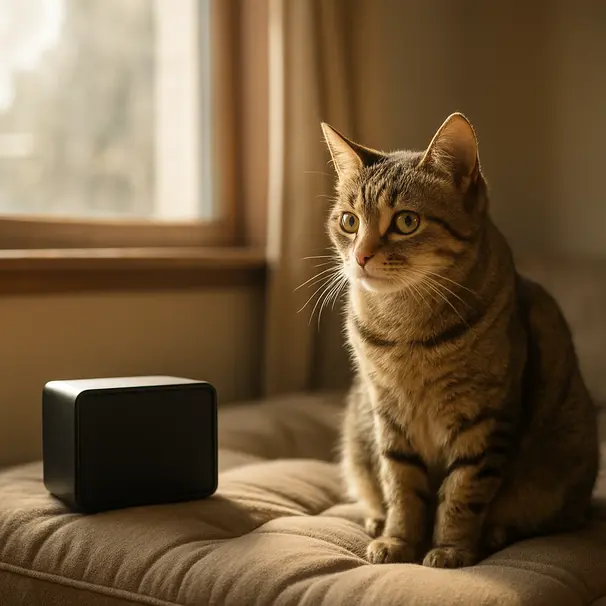
A number of studies suggest that cats don’t respond strongly to typical human music, but they do show interest in music tailored to their species. In one influential study researchers found that cats reacted more positively to music crafted with purring rhythms and vocal-like frequencies than to regular human music. That doesn’t mean cats hate all human tunes. It simply highlights that many of the acoustic cues we use in music — tempo, pitch range, and rhythmic patterns — affect cats differently.
The takeaways from the science:
- Cats may be indifferent to much human music, especially at normal listening volumes.
- Species-specific music, which borrows patterns from purring and cat vocalizations, often gets a better reaction.
- Individual personality, environment and past experiences influence whether a cat engages with music.
Researchers also point out that cats are more likely to show interest when the sounds are within their preferred frequency range and when the music has tempos similar to purring or kitten calls. That combination seems to feel familiar and comforting to many cats.
What “preference” looks like in studies
Scientists measure responses by watching behavior. Signs of interest or comfort can include approaching the speaker, relaxed posture, purring, kneading, or a drop in alert postures. Signs of dislike can be sudden alertness, ear flattening, avoidance, or fleeing. The same cat might show curiosity with one track and ignore another.
Why your cat’s reaction might be different from the study cat
Every cat is an individual. Breed tendencies, early life experience, sensitivity to sound, and the immediate environment all play parts.
- Personality: A bold, social cat may approach new sounds out of curiosity. A shy cat might hide.
- Hearing sensitivity: Cats hear higher frequencies than we do. High-pitched sounds may be stimulating or stressful depending on intensity.
- Context: A calm, familiar room encourages exploration. A tense vet carrier does not.
- Associations: If your cat once heard a loud instrument at thunder level, they may avoid similar sounds later.
Because of all these variables, a study shows trends but doesn’t predict every cat’s reaction. That’s good news. It means you can experiment with your own cat gently and find what she likes.
Practical tips for testing music with your cat
Here are friendly, step-by-step ideas for trying music with your cat, and how to read her responses.
- Keep volume low. Cats are sensitive to loud sounds. Start at a soft level and avoid sudden spikes.
- Choose the right environment. Test in a familiar, calm room when your cat is relaxed and awake.
- Use short sessions. Try three to five minute trials. If your cat responds well, extend gradually.
- Watch body language. Relaxed ears, slow blinking, and kneading are good signs. Tense bodies, flattened ears, or moving away mean stop.
- Try different content. Play quiet classical, ambient nature sounds, and species-specific tracks to compare.
- Repeat on different days. Cats may need time to get used to a new sound.
If your cat seems to enjoy certain music, you can use it to help with quiet evenings, background calm while you work, or to create a peaceful atmosphere for naps.
Choosing music that may appeal to cats
- Species-specific music: Compositions that mimic purring rhythms and vocal frequencies often do well. These tracks can sound slow, with soft pulses and pitches closer to feline range.
- Soft classical or ambient: Simple, gentle pieces without heavy percussion or sudden crescendos tend to be better received.
- Nature sounds and gentle white noise: Sounds like rain or rustling leaves can be soothing for some cats.
Avoid music with lots of high, shrieking frequencies at loud volumes, sudden loud beats, or erratic electronic effects. Even if a cat is curious at first, those elements can quickly become stressful.
About “music for cats” albums and playlists
There are albums and streaming playlists marketed specifically for cats. Many were created after research showed species-specific designs could be effective. If you try them, compare how your cat behaves with those tracks versus silence and human music. Use the observation checklist above and take notes. You might discover that your cat prefers a particular composer, or simply loves the sound of rain.
How music can help — and when to be cautious
Music may help in some situations, but it’s not a cure-all. For example, soft, familiar sounds can help reduce background stress in noisy environments, or make a carrier ride less chaotic for some cats. On the other hand, if your cat has noise phobia or an ear condition, music could make things worse.
Consider checking with your veterinarian if:
- Your cat has a history of anxiety or phobic reactions to sounds.
- Your cat starts showing signs of discomfort around music where she previously seemed fine.
- You suspect a hearing issue or pain when exposed to sound.
When in doubt, consult your vet. They can help rule out medical causes and advise safe approaches for sound exposure.
Quick ways to tell if music helps your cat
Create a simple A/B test at home over a few days. Use the same setting and routine to keep things fair.
A. Play a species-specific cat track for five minutes during a quiet time. Record behavior: relaxed, curious, indifferent, or stressed. B. On another day, play a human playlist at the same volume and length. Record behavior. C. Compare both to a silent baseline.
If your cat consistently shows calmer or more curious behavior with one option, that’s your winner. If responses are mixed, alternate and keep the sessions short.
Real-life stories: what pet carers notice
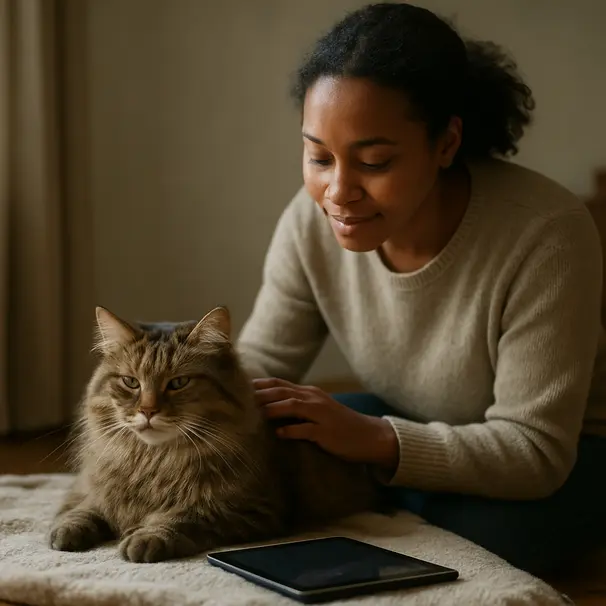
Many pet carers report that some cats seem soothed by gentle background music, especially older cats who appreciate steady, low-frequency sounds. Kittens, with their high-energy curiosity, might react differently. Similarly, cats with prior negative experiences around loud noises may be more suspicious and take longer to adjust.
Carers who work with nervous cats often use a combination of quiet music, predictable routines, and slow introductions to new stimuli. Music is a helpful piece of the puzzle, but not a standalone fix.
Easy playlists and devices to try
- “Music for Cats” style tracks: look for recordings that emphasize slow tempos and feline vocal ranges.
- Calm classical picks: solo piano or string pieces without heavy percussion.
- Ambient and nature playlists: rain, rustle, and gentle breeze sounds.
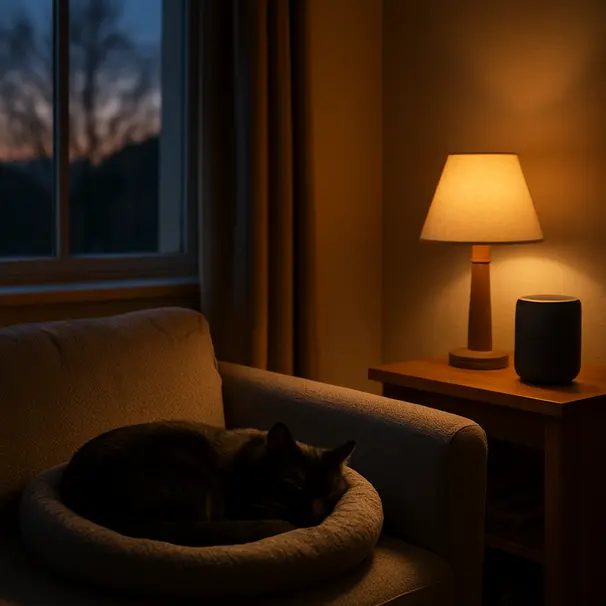
Devices: Use a speaker with decent low-frequency response and avoid tinny phone speakers. Place the speaker where your cat can choose to approach or move away. If you’re using a carrier, keep the device outside but nearby so the sound is familiar without being trapped.
DIY: Make a short feline-friendly session
- Choose a quiet afternoon.
- Set a soft playlist on low volume.
- Offer a favorite blanket or bed near the speaker.
- Sit with your cat, speak softly, and observe for five to ten minutes.
- Reward calm behavior with gentle petting or a treat.
This approach builds positive associations. Over time your cat may learn that certain sounds mean relaxation and companionship.
Final thoughts: follow your cat’s lead
The best rule of thumb is to listen to your cat. Some will clearly enjoy gentle, tailored music. Others will ignore it entirely. A small number might dislike it enough to avoid the room. All reactions are valid. The fun part is experimenting in a patient, low-pressure way and celebrating the small wins.
If you’re a pet carer, offering calm music during visits can be a thoughtful addition to your care toolkit, as long as you check the cat’s comfort level first. For owners, the experiment can be a sweet bonding activity. And if your cat curls up and naps through your favorite song, consider it a gentle compliment.
Want a simple checklist to try tonight? Keep it handy:
- Start quiet, short, and in a familiar place.
- Test species-specific and human playlists.
- Watch for relaxed or stressed body language.
- Repeat and compare over several sessions.
- Consult your vet if you have concerns.
Music might be a delightful secret between you and your cat, or it might be background noise she tolerates. Either way, exploring sound together is a small, playful way to connect.
Happy listening, and may your next jam session be purrfect.