

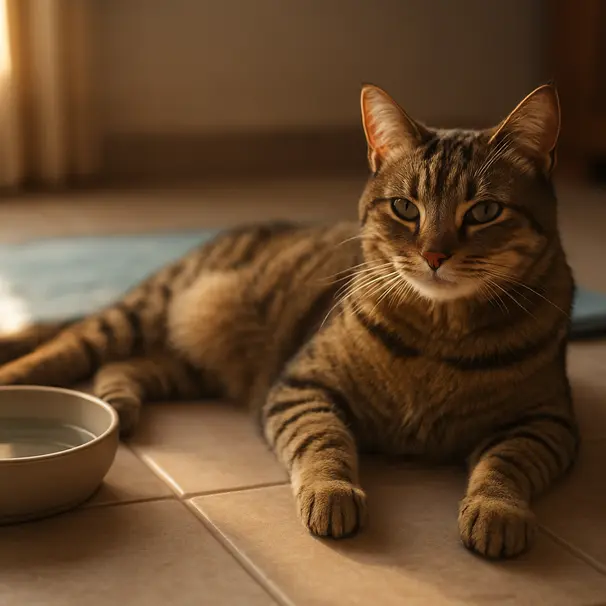
Do cats sweat, really?
Short answer, not in the way people do. Cats have very few sweat glands, and the ones they do have are mostly on their paw pads. Those glands can produce moisture, and you might notice damp paw prints on a hot day. But because this system is limited, cats rely on other methods to cool down, such as grooming, behavior changes, and subtle blood flow adjustments. It helps to think of a cat as clever at conserving energy and clever at avoiding heat, rather than built to sweat it away.
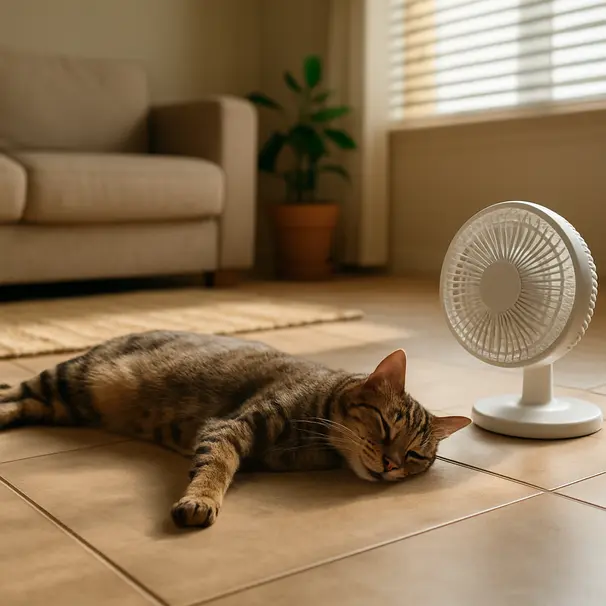
How cats cool themselves
Cats use several natural strategies to regulate temperature. Here are the main ones, explained in plain words.
- Grooming and saliva: Cats lick their fur and spread saliva. When that moisture evaporates, it may cool the surface a bit. This is similar to how dogs pant, though it is a gentler mechanism.
- Paw sweating: As mentioned, sweat glands on the paw pads can produce moisture. You might see damp paw prints, but this is not enough on its own to cool the whole body.
- Seeking shade and cooler surfaces: Cats will find a cool tile, shaded porch, or a breeze by a window. They often rearrange sleeping spots during the day, especially in warm weather.
- Reducing activity: Cats are smart about saving energy. On hot days they may nap more and play less.
- Positioning and stretching: Spreading out on a cool floor or exposing a patch of belly fur can help with heat loss.
None of these are “sweating” at the human level. Because their natural cooling toolbox is limited, your help can make a big difference on warm days.
Signs your cat may be too warm
Cats hide discomfort well, so subtle changes matter. If you spot any of these signs, consider cooling actions and watch closely. If your cat shows distress, consider contacting a vet.
- Restlessness or unusual pacing
- Heavy panting or open-mouth breathing
- Drooling more than usual
- Rapid heart rate or unusual lethargy
- Weakness, stumbling, or disorientation
- Bright red gums or tongue
- Vomiting or collapsing
A single sign could be temporary, but a combination, or any sign of collapse, is a reason to seek help quickly. Use careful wording with carers and vets, ask for advice, and consider immediate cooling measures while on the way to professional care.
Simple, safe ways to keep your cat cool at home
These are practical steps most owners and carers can use without drama. Try a few and notice what your cat prefers.
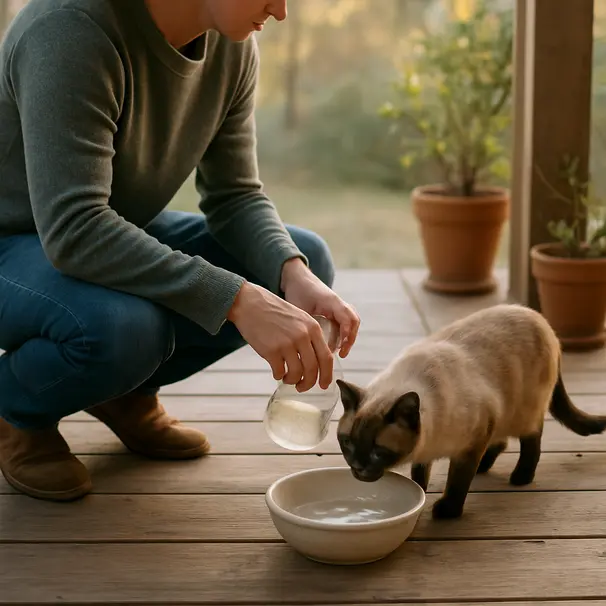
- Fresh water, everywhere: Place several water bowls around the house, on different levels. Some cats prefer moving water, so a small pet fountain may encourage drinking. Refill and refresh often.
- Cooler resting spots: Tiles, hardwood floors, or a cooling mat can provide relief. Place comfy bedding near these surfaces so your cat can choose.
- Shade and airflow: Close blinds during midday sun, open windows early morning or late evening for a breeze, or use fans to move air. Keep fans on a low setting so they are gentle and not stressful for the cat.
- Light meals: Offer smaller, more frequent meals during hot spells. Some cats may eat less in warm weather, and lighter feeding can be easier to digest.
- Wet towel trick: Lay a slightly damp towel in a shaded spot for your cat to lie on. If your cat tolerates gentle help, you can dampen the towel with cool, not cold, water and replace it often.
- Cooling toys: Frozen, short-duration treats in safe puzzle toys may encourage sipping and gentle play while cooling the mouth and paws.
Always watch your cat’s reaction. If your cat seems frightened by fans, fountains, or new bedding, back off and try a different option. The goal is comfort, not stress.
Products that can help, and safety notes
There are many pet cooling products available. Here are a few categories and how to use them safely.
- Cooling mats: Many are gel-based and activate under weight, providing a cool surface. Place on the floor and monitor the mat for punctures. If a mat leaks, remove it and clean up promptly.
- Portable fans and misters: A gentle fan can move air through a room. Avoid high-pressure misters or sprays aimed directly at the cat. A light misting on a towel is safer and less frightening.
- Pet-safe frozen treats: Freeze diluted broth or pet-safe liquids in small molds for a cool snack. Avoid high-salt broths or anything toxic like onions, garlic, or xylitol.
- Elevated beds: Beds with mesh centers allow air to circulate beneath the cat, which can be helpful in mild heat.
Avoid shaving a cat closely, especially long-haired breeds. Their fur can protect skin from sunburn and help regulate temperature. If you think a trim might help, consult a groomer experienced with cats, or ask a vet for guidance.
Outdoor cats and hot weather
If your cat goes outside, ensure access to shelter and water at all times. Create safe shaded areas with cool surfaces, and avoid leaving cats outside during peak heat hours. Outdoor cats may seek shade under bushes or in cool structures, but they still may be at risk in extreme temperatures. Consider bringing them indoors on particularly hot days.
If you care for multiple cats, monitor social dynamics. Dominant animals may block access to shade and water. Spread resources around so every cat can find comfort.
Travel, cars, and heat safety
Never leave a cat alone in a parked car. Temperatures inside a car can climb quickly, even with windows cracked. If you must transport a cat, use an air-conditioned vehicle, keep carrier ventilation good, and stop for water breaks if the journey is long. If a car overheats, consider calling for help rather than trying to manage a distressed cat alone.
Special needs cats: kittens, seniors, and flat-faced breeds
Some cats are more vulnerable to heat. Keep an eye on:
- Kittens: They may not regulate temperature well and may need cooler bedding and access to water.
- Senior cats and those with chronic conditions: Heart or respiratory issues can make cooling harder. Gentle monitoring and asking your vet for personalized advice is a good idea.
- Brachycephalic cats: Flat-faced breeds such as Persians and Himalayans sometimes have more trouble breathing and cooling. Extra vigilance and fast access to cool areas can help.
If your cat fits any of these descriptions, consider proactive measures and discuss heat plans with your vet.
What to do if your cat seems overheated
If you suspect overheating, act calmly and steadily.
- Move your cat to a cooler area, out of direct sun.
- Offer water, but do not force it. Some cats may drink, others may not.
- Apply cool, not cold, wet cloths to the neck and paws. Avoid covering the cat in ice. Sudden extreme cold can cause shock.
- Turn on a fan for gentle airflow. Keep movement minimal and speak softly to reassure your cat.
- Contact a vet for advice, and consider bringing your cat in if signs are severe or do not improve quickly.
These steps may help while you arrange professional care. Always err on the side of getting veterinary help if you are unsure.
Preventive habits for pet carers and owners
Good routines help prevent heat problems in the first place. Here are habits to build:
- Check water bowls frequently, especially during hot afternoons.
- Offer multiple resting options at different heights and surfaces.
- Observe subtle behavior changes. A cat that sleeps in a new spot or avoids certain rooms may be coping with temperature.
- Communicate with carers. If you use sitters or boarding services, confirm their cooling plans and ask them to report anything unusual.
- Keep a basic cooling kit handy: extra bowls, a damp towel, a fan, and your vet’s contact information.
Consistent small actions add up to big comfort for a cat.
Little adjustments that make a big difference
Sometimes tiny changes are the most effective. Try these easy ideas:
- Move a favorite bed away from afternoon sun.
- Freeze a portion of a tuna water or low-sodium broth in a small dish for a short cooling snack.
- Open windows in the early morning and late evening when temperatures are lower.
- Keep curtains closed on south-facing windows during the warmest part of the day.
These adjustments are low-effort and often welcome to a cat who knows the home well.
When to contact a vet
If your cat shows strong signs of distress, collapsed behavior, persistent heavy panting, or any worrying symptoms, consider contacting a vet promptly. Saying that something “may indicate” serious trouble and asking for advice is better than waiting. Your vet can recommend next steps and, if needed, urgent care.
A short checklist for hot days
- Fresh water in several places
- Cool resting spots available
- Blinds or curtains closed during peak sun
- Gentle airflow from fans or open windows
- Avoid leaving cats in cars
- Monitor vulnerable cats closely
- Contact a vet if severe signs appear
Final thoughts
Cats are adaptable and often do an impressive job of finding comfort. Still, they have limits. A few thoughtful changes, good hydration, and attention from carers can keep your feline friend cool and relaxed. If you’re ever in doubt, reach out to a trusted vet for tailored advice. A cool cat is a happy cat, and small acts of care can keep your floofy companion purring through the warm months.