


Do dogs get menopause? Here’s the truth
If you’ve ever watched an older female dog and wondered whether she’ll stop having heat cycles like a person stops menstruating, you’re not alone. The short answer is: dogs don’t experience menopause the way humans do. But there are important changes that can happen as a dog ages, and knowing what to expect helps you give the best care.
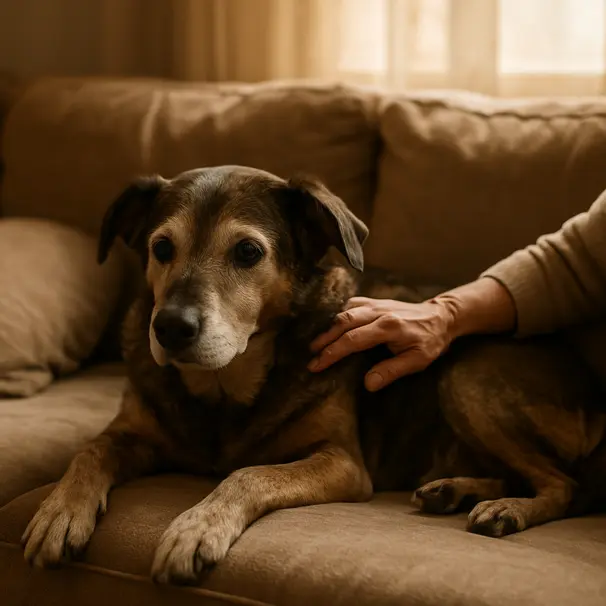
A quick biological snapshot
Female dogs have an estrous cycle, commonly called a heat cycle. Unlike human menstrual cycles, canine cycles are spaced further apart and are governed by different hormonal rhythms. Many dogs will continue to have heat cycles throughout their lives, although the frequency and intensity may change as they get older.
It’s tempting to draw a direct comparison to human menopause, but that comparison can be misleading. In people, menopause marks a pretty clear end to reproductive capability. In dogs, reproductive decline tends to be more gradual and variable between individuals and breeds. Some older females become irregular, some show fewer obvious signs, and others keep cycling well into senior years.
Signs of reproductive aging in dogs
Here are common signs you may notice as a dog’s reproductive system changes with age. Keep in mind that these are general observations. If something seems off, consider contacting your vet.
- Fewer or more spaced out heat cycles. Some dogs go longer between heats as they age.
- Shorter or lighter bleeding and discharge during heat.
- Subtler behavioral changes. An older dog may show less panting, less restlessness, or less interest in males during heat.
- Reduced fertility. Older females may conceive less easily or have smaller litters.
- Increased risk of certain reproductive conditions. Intact older dogs may be more likely to develop issues such as pyometra or mammary lumps; talk with your vet about prevention and monitoring.
These signs can be subtle. If you’re caring for an older intact female, keep a simple calendar of heat cycles and any behavior or health changes you notice. That record can be a huge help during vet visits.

What about male dogs? Do they go through “male menopause”?
Male dogs don’t go through menopause either. However, aging males can show reduced fertility, lower sperm quality, and changes in hormone-driven behaviors. Testosterone levels may decline slowly, which can affect libido and marking behaviors.
Aging males may still mate and father puppies, but fertility can be less reliable. If breeding is planned, consider a reproductive exam and semen testing well ahead of time, and consult your veterinarian about the best timing.
Health considerations for intact senior dogs
Keeping an intact dog into old age comes with extra things to watch for. The goal is to catch issues early so your dog stays comfortable and healthy.
- Pyometra: This is a uterine infection that may occur in intact females. Signs include lethargy, fever, vomiting, increased drinking, or unusual discharge. If you notice these, call your vet promptly.
- Mammary lumps: The risk of mammary tumors may rise in unspayed females. Regularly check for lumps and have any growths evaluated.
- Behavioral and comfort changes during heat: Older dogs may get tired more quickly, or the stress of heat cycles may affect quality of life.
If you’re unsure whether to spay an older dog, consider a conversation with your vet. They can help weigh the benefits and risks based on your dog’s age, health, breed, and lifestyle. Newer diagnostic and surgical protocols can make spaying older dogs safer than it used to be, but that decision is best made with professional guidance.
Practical tips for managing heat cycles in older dogs
Whether you’re a pet owner or a carer on Floofy looking after someone else’s dog, these practical tips can make heat cycles easier to handle and reduce stress for everyone.
- Keep a heat-cycle calendar. Note the date the bleeding starts and stops, and any behavioral changes.
- Provide quiet, comfortable resting spots. Older dogs may appreciate extra padding and a calm space during heat.
- Use doggy diapers or protective bedding when needed. These can help keep the house clean and reduce anxiety for the dog.
- Limit unsupervised outdoor time. If an intact female is in heat, male dogs nearby can become very persistent. Consider leashing and supervised walks, or taking routes with fewer off-leash dogs.
- Watch hydration and appetite. Any changes in drinking, eating, or toilet habits deserve attention.
These steps can help you stay calm and responsive. If something seems unusual—like heavy, prolonged bleeding or lethargy—contact a vet to consider next steps.
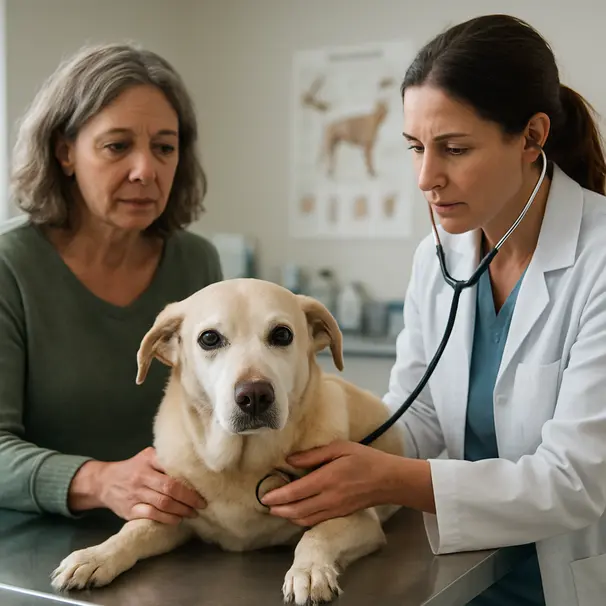
Considering spaying later in life: pros and cons
Spaying is the most straightforward way to stop heat cycles and reduce the risk of some reproductive diseases. However, spaying an older dog involves different considerations than spaying a young dog. Here are some points to discuss with your veterinarian.
Pros to consider:
- Eliminates heat cycles and the stress they can cause.
- Reduces risk of pyometra, which can be life-threatening.
- May decrease risk of certain mammary tumors if done early in life.
Things to think about:
- Surgery and anesthesia carry more risk in older dogs, especially if they have other health issues.
- Recovery may take longer, and pre-surgical screening is important.
- Some health benefits of early spay are not the same if the procedure is delayed until later years.
A vet can suggest pre-operative tests like bloodwork and imaging to assess surgical risk. They may also recommend non-surgical management for dogs where surgery isn’t appropriate.
Working with pet carers: communication and care plans
If you use pet carers through Floofy, clear communication is essential for intact senior dogs. Prepare a short, friendly care plan to share with carers so everyone is on the same page.
Include:
- A heat-cycle calendar and expected dates.
- Behavioral notes, such as whether your dog gets anxious or prefers solitude during heat.
- Emergency contacts, including your vet and a local emergency clinic.
- Any medications, supplements, or special feeding instructions.
- Preferred walking routes and leash requirements during heat.
Make sure carers know how to spot red flags, such as extreme lethargy, fever, vomiting, or foul-smelling discharge, and tell them to contact you and your vet right away. Good carers will appreciate the guidance and be prepared to offer the calm, consistent support an older dog needs.
When to call the vet
It’s always better to be safe than sorry. Consider calling your vet if you notice any of the following in an older intact dog:
- Heavy or prolonged bleeding beyond the usual heat length.
- Sudden or severe behavioral changes, such as confusion or collapse.
- Reduced appetite, vomiting, or diarrhea that lasts more than a day.
- Increased drinking and urination combined with lethargy.
- Any painful-looking swelling or a lump in the mammary chain.
If your dog is in obvious distress, seek urgent care right away. For non-urgent concerns, a phone call to the clinic can help decide whether an office visit or immediate attention is needed. Your notes on heat cycles will make these conversations quicker and more useful.
Breeding considerations for older dogs
If you’re thinking about breeding an older dog, it’s important to be cautious. Fertility changes, higher litter complications, and health risks can increase with age. Before planning a litter, consider a full reproductive checkup, including:
- General health exam and bloodwork.
- Reproductive imaging where appropriate.
- A discussion about genetic screening and breed-specific concerns.
Breeding responsibly means prioritizing the health of the mother and future puppies. A vet and a reputable reproductive specialist can help you weigh risks and create a safe plan.
FAQs
Do all dogs slow down reproductively as they age?
Not necessarily. Some dogs remain fairly regular, while others show clear changes. Breed, individual variation, and overall health all play a role.
Can behavior changes mean a dog is going through reproductive decline?
They can. Reduced interest in mating, less restlessness during heat, or more fatigue are possible. Always consider other medical causes and consult a vet to rule those out.
Should I spay my older dog if she’s been intact her whole life?
This is a personal and medical decision. Spaying can reduce certain risks, but surgery in older dogs carries considerations. Talk with your vet about tests and timing.
A compassionate approach
Caring for an older dog brings special joys and a few puzzles. Reproductive changes are part of that journey for many canine companions, but they aren’t a drop-in replacement for human menopause. With a little tracking, proactive vet care, and a calm routine, you can help an aging intact dog stay comfortable and safe.
If you’re using a pet carer, include clear notes and expectations in their care plan. If you’re deciding about spaying or breeding, consult a vet and weigh medical risks with the dog’s comfort and quality of life in mind.
Thank you for being the kind of person who pays attention to the subtle things. Those small observations make all the difference in keeping Floofy dogs happy and healthy.
Quick checklist for owners and carers
- Track heat dates on a calendar.
- Provide quiet, padded rest spots during heat.
- Use protective bedding or diapers if needed.
- Supervise walks and avoid high-dog areas when a female is in heat.
- Schedule regular vet checks and report changes promptly.
- Communicate care plans clearly with pet carers.
A thoughtful approach helps senior dogs live their best lives. If you’re unsure about anything, consider a vet consult to get personalized advice.