


Short answer: not exactly, but there are changes
No, dogs do not experience menopause in the same way humans do. Female dogs do not have a clean stop to reproductive cycling at a predictable age. Instead, their reproductive system and hormones may change over time. You might notice irregular heat cycles, different behaviours, or health shifts as your dog gets older. Those changes can feel a lot like what we call menopause in people, so it’s understandable to ask.
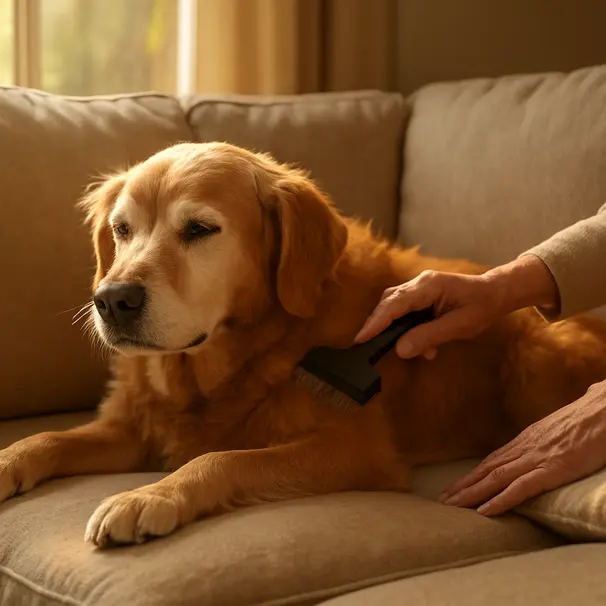
How a dog’s heat cycle usually works
Most unspayed female dogs begin having their first heat, or estrus, between about six months and two years of age. After that they typically cycle every six to twelve months, though frequency varies by breed and individual. Each cycle has distinct phases: proestrus, estrus (the fertile window), diestrus, and anestrus, the quieter period. Over a dog’s lifetime these phases can shift in length and intensity.
Key things to know about cycles and age
- Timing can change. As a dog ages, she may cycle less predictably. Periods of silence between heats can get longer, or the cycles might become more irregular.
- Signs can vary. Some older dogs show less obvious signs of being in heat, while others might show changes in mood or appetite.
- Spayed dogs don’t cycle. If your dog has been spayed, she won’t have heat cycles, though she can still show age-related hormonal or urinary changes.
Why it’s different from human menopause
Human menopause is a relatively abrupt and permanent end to menstrual cycles caused by depletion of ovarian follicles. Dogs don’t typically have that same pattern. Instead, their reproductive system can continue to produce hormones and have cycles into later life, though activity and hormone balance may change.
Because dogs’ cycles are driven by different mechanisms and timing, we don’t call their later-life changes menopause. Still, the practical experience for an owner can look similar: fewer cycles, softer signs, or new health concerns popping up.
What owners commonly notice as dogs age
Many of these signs aren’t exclusive to reproductive aging, but they do come up in older female dogs:
- Changes in heat frequency, intensity, or spotting patterns
- Behavioural shifts like increased clinginess, irritability, or low energy
- Weight gain or loss, and changes in coat quality
- Urinary leakage or accidents, especially during rest
- New lumps around the mammary chain or changes in breast tissue
If you spot any of these, it’s worth making a note and talking with your vet, especially if something appears suddenly or looks painful.
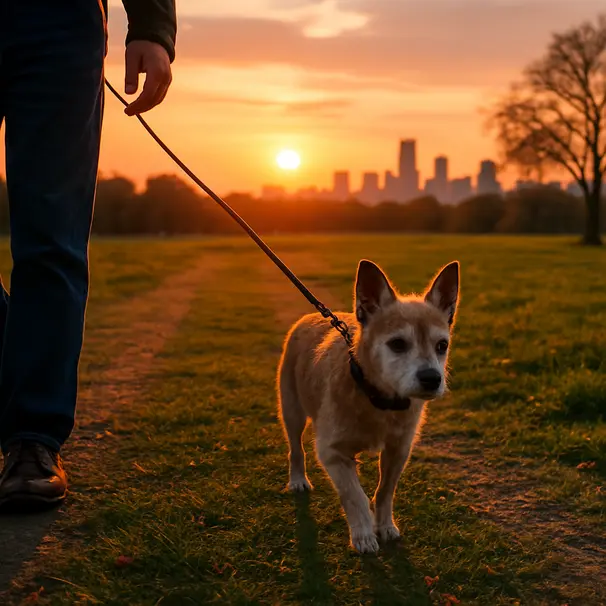
Urinary leakage: what it might mean
Some older female dogs develop urinary incontinence that shows up as dribbles while sleeping or sudden small leaks after lying down. This often happens months or years after spaying in some dogs, and it may increase with age. A vet can discuss possible causes and treatments. Those options can help reduce leakage and make life easier for both of you.
Remember, leakage is not just inconvenient, it may also lead to skin irritation or infections if not managed. A quick chat with a vet can point to simple management steps and treatments to consider.
Mammary health and cancer risk
As female dogs age, changes in mammary tissue can occur. Any new lumps, swelling, discharge, or skin changes around the mammary chain should be checked promptly. Early assessment helps your vet suggest the best next steps for diagnosis and care.
If your dog is intact and you plan future breeding, talk to your vet about age-related risks. Pregnancies in older dogs may carry increased complications, and breeders often set age limits to protect health.
Spayed versus intact: different paths as they age
- Intact females: They can continue to have heat cycles and may still be able to mate and conceive as they age. Reproductive health issues, hormone-driven conditions, or pyometra may become concerns. Discuss risks and monitoring with your vet.
- Spayed females: They won’t go into heat, but they can still develop age-related changes such as incontinence, weight changes, or skin and joint issues. Spaying lowers the risk of certain reproductive diseases, but it doesn’t stop all age-related problems.
If you’re deciding whether to spay an older female, a vet visit for a health check and bloodwork can help you weigh benefits and risks.
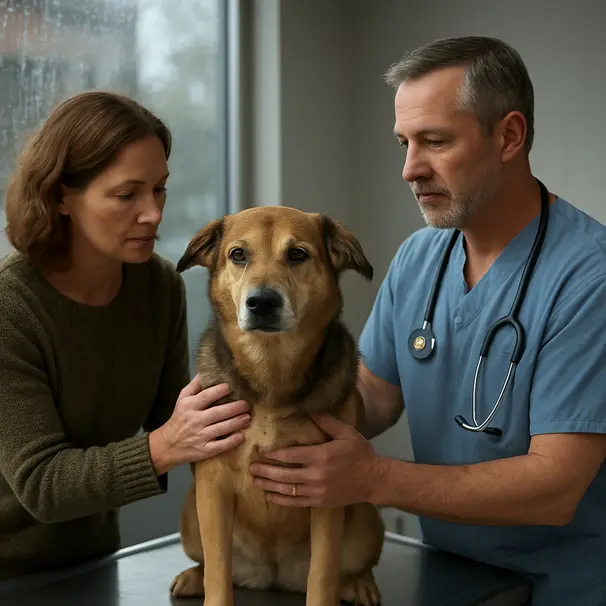
Practical care tips for ageing female dogs
Here are practical, everyday ways to keep an older female dog comfortable and healthy.
- Keep routine vet check-ups: Regular exams and preventive care can catch changes early.
- Monitor weight and diet: Older dogs often need calorie adjustments and joint-friendly nutrition. A nutrition-focused plan can help maintain healthy weight.
- Make toileting easier: If your dog has accidents, add more frequent walks, use washable bedding, and keep skin dry to prevent irritation.
- Gentle exercise: Low-impact walks and controlled play help joints and mood. Swimming or slow-paced fetch can be kind to aging bodies.
- Comfortable environment: A soft bed, easy steps or ramps, and accessible water bowls reduce stress.
- Grooming: Regular grooming helps you spot lumps, skin changes, or coat thinning early.
- Mental enrichment: Puzzles, gentle training, and new scents keep the brain active. Senior dogs often enjoy short, focused enrichment sessions.
Consider working with a trusted carer from Floofy for help with walks, visits, or overnight care. Carers can keep routines consistent, notice small changes, and help with exercise or gentle grooming.
When to see the vet
Contact your vet if you notice any of the following:
- Sudden, heavy, or prolonged bleeding
- New lumps or rapidly changing masses
- Persistent urinary leakage or signs of discomfort while urinating
- Sudden loss of appetite, weight loss, or lethargy
- Behavioural changes that affect daily life
The vet may suggest physical exams, blood tests, imaging, or referral to a specialist. Early investigation often leads to better options and clearer decisions.
Common questions owners ask
Can an old dog still get pregnant?
Yes, older intact females may still be able to become pregnant. Pregnancy in older dogs can carry more risk for both the mother and puppies. If pregnancy is possible, talk with your vet about safe options and what to expect.
Is it worth spaying an older dog?
Spaying can still be beneficial at older ages, but it depends on overall health, breed, and specific risks. Pre-surgical testing helps vets assess whether spaying is a safe choice. Discuss pros and cons tailored to your dog’s situation.
Will my dog become moody or depressed?
Hormonal shifts and age-related pain or discomfort can change behaviour. Not every dog becomes moody. Pay attention to slow changes in activity, appetite, or interaction. Routine checks and comfort measures often help.
What treatments exist for incontinence?
There are various approaches that a vet may consider, from behavioural and environmental strategies to medications or targeted therapies. Each case is different, so a tailored plan with your vet is best.
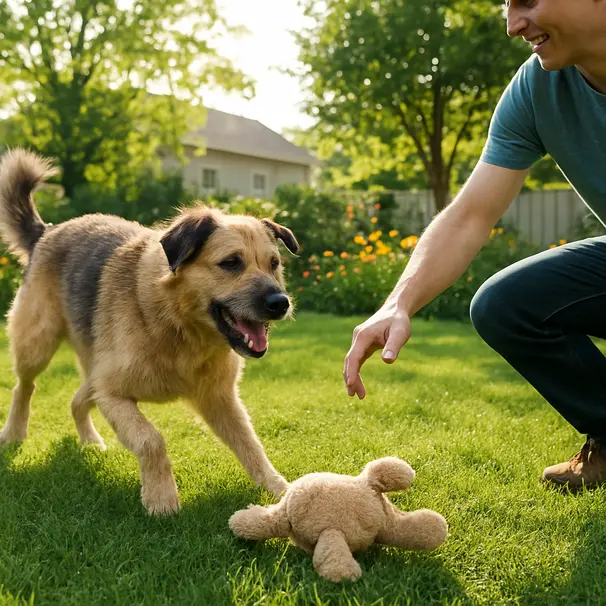
How Floofy carers can help with ageing dogs
Trusted carers can make a big difference. Here’s how they often support older female dogs:
- Keep a consistent daily routine for walks, meals, and medication
- Monitor and report changes in appetite, mobility, or toileting
- Offer gentle, supervised exercise and enrichment
- Assist with grooming and comfort needs, like lifting onto beds or helping with stairs
- Provide companionship and calm socialisation, which can boost mood
If you’re hiring a carer, share your dog’s health history, medication instructions, and any special handling tips. A short trial visit helps everyone get comfortable.
Emotional care for you and your dog
Watching a pet age is emotional. It helps to accept that changing needs are natural and to focus on comfort, joy, and quality time. Small rituals like a favourite evening cuddle, a gentle massage, or a special slow walk can mean a lot.
Make practical plans too. Keep a health journal with dates of changes, appetite notes, and any new behaviours. That record is helpful at vet visits and for carers who step in.
Final thoughts
Dogs don’t have menopause in the human sense, but many will experience shifting cycles and age-related changes. Those changes can be managed thoughtfully with good veterinary guidance, consistent home care, and support from trusted carers. If something feels off, or if you’re weighing options about spaying or treatment, consider a conversation with your vet. And if you want extra hands, carers from Floofy can keep life predictable and full of love as your dog enters her golden years.
- Quick checklist for owners and carers:
- Note any changes in heat timing or spotting
- Track toileting accidents and skin condition
- Keep a consistent feeding and walking routine
- Schedule regular vet check-ups and annual bloodwork
- Share details and observations with carers
With attention, patience, and a few small routines, you can help your senior dog feel comfortable, supported, and loved every day.