


Do male cats have nipples? A short, friendly answer
Yes, male cats do have nipples. It can be surprising the first time you notice them, especially if you associate nipples only with nursing. Most of the time they are perfectly normal, harmless, and nothing to worry about. This article explains why male cats have nipples, what they look like, when to be cautious, and how to check and care for them gently.

How common are nipples on male cats?
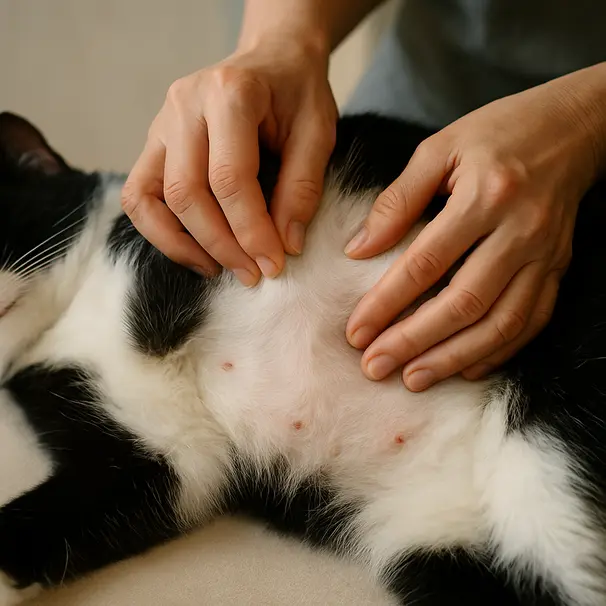
Almost every mammal follows the same basic developmental plan before sexual differences appear. That means kittens of both sexes start with the same basic body layout, including the tissue that becomes nipples. So seeing a few small, flat, evenly spaced bumps along your boy cat’s belly is entirely normal. They usually won’t be as pronounced as nursing female nipples, and many owners only spot them when their cat is relaxed and showing its belly.
Quick facts at a glance
- Number: Male cats usually have around 6 to 8 nipples arranged in two rows along the belly. Some individuals will have more or fewer.
- Appearance: Small, slightly raised, and pinkish or the same color as the surrounding skin. They are normally symmetrical.
- Function: In male cats, nipples are typically non-functional. They don’t produce milk under ordinary circumstances.
Why do male cats have nipples? A simple embryology explanation
Before a kitten develops male or female reproductive organs, the embryo forms the basic body plan that includes mammary tissue. The genetic and hormonal cues that follow later shape male or female characteristics, but those initial nipples have already developed. Think of it as the body laying out the blueprint first, then building the gender-specific parts afterward.
Because nipples form early, males keep them even though they usually won’t be used for nursing. This shared developmental pathway is common across many mammals, which is why you’ll see male nipples in dogs, hamsters, humans, and other animals as well.
What do normal male cat nipples look like?
Male cat nipples are subtle. Here’s what to look for when you check your cat at home:
- Size and shape: Small, round or slightly oval, and flat or slightly raised.
- Color: Often pink, but can match your cat’s skin tone or fur color. Darker-skinned cats may have darker nipples.
- Placement: Arranged in roughly parallel pairs along the belly, from chest to lower abdomen.
- Texture: Smooth and similar to surrounding skin.
If your cat’s nipples look like this, there’s usually no reason for concern.
When nipples might be a problem: signs to watch for
Nipples can become a sign of a health issue in rare cases. Consider checking with a vet if you notice any of the following:
- Swelling or a lump behind a nipple
- Redness, heat, or discharge from a nipple
- Pain or sensitivity when you touch the area
- A suddenly enlarged or hardened nipple
- Changes in appetite, energy, or grooming behavior
Enlarged nipples in a male cat can sometimes relate to hormonal changes, a skin infection, cysts, trauma, or, very rarely, mammary tumors. These situations are uncommon, but it’s best to err on the side of caution. If you spot anything unusual, consider scheduling a vet check.
How to check your male cat’s nipples safely
If your cat trusts you and enjoys gentle handling, a quick check is easy. Follow these steps:
- Choose a calm moment when your cat is relaxed, maybe during a cuddle or brushing session.
- Gently roll your cat onto its side or encourage it to lie on its back if it’s comfortable with that. Never force the position.
- Use soft, slow strokes to part the fur along the belly and chest.
- Look for small, evenly spaced bumps running in two rows from chest to belly.
- Gently palpate each area with your fingertips, using light pressure. You’re feeling for lumps, heat, or sensitivity.
If your cat shows pain or pulls away, stop and try again another time or let a vet examine the area. For anxious cats, a calm environment, treats, and short checks are best.
Caring for your cat’s nipples and skin
Most of the time, nothing special is needed to care for a male cat’s nipples. A few practical suggestions:
- Keep your cat’s fur and skin clean by regular grooming. This helps you spot changes early.
- Trim long fur around the belly gently or have a groomer help if matting is an issue.
- Avoid using human skincare products on your cat. If the skin seems dry or irritated, consult your vet for a pet-safe option.
- Watch for over-grooming, which can cause inflammation and infection.
If you bathe your cat occasionally, be gentle and use shampoo formulated for cats. Drying the belly area well can help prevent irritation.
Common questions from owners and carers
Can male cats lactate?
Male cats can very rarely produce milk, usually only under extreme hormonal conditions, medication effects, or certain health problems. It’s not normal and would be a reason to consult your vet.
Do male cats have mammary glands?
Yes, male cats have the same basic mammary tissue as females, but it generally remains undeveloped and nonfunctional. The tissue is small and usually not noticeable beyond the tiny nipples.
How many nipples does a cat have?
Cats typically have 6 to 8 nipples, but individual variation exists. Count along both sides of the belly to see how many your cat has.
What if you find a lump near a nipple?
Finding a lump can be stressful. Try to stay calm and note the details:
- Size, texture, and location
- Whether it seems attached to skin or deeper tissue
- Any changes in color or discharge
- How long you’ve noticed it and whether it’s growing
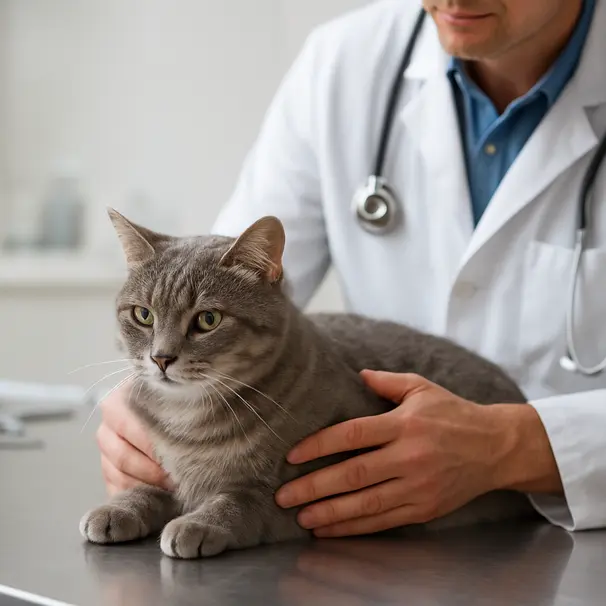
Take photos and show them to your vet. They may suggest a physical exam, needle aspiration, ultrasound, or other tests to determine the cause. In many cases, lumps are benign, but checking early is wise.
Practical tips for pet carers and sitters
If you care for other people’s cats through a platform like Floofy, these guidelines can help you spot issues and reassure owners:
- Always ask the owner about any medical history or spots to avoid handling.
- Let the cat approach you and avoid forcing belly exposure.
- Report any new lumps, swelling, or behavior changes promptly with photos.
- Keep grooming sessions short and positive, using treats and praise.
- If you suspect a health issue, recommend the owner consult a vet and offer to transport the cat if appropriate.
Being observant and communicating clearly helps owners trust you, and it can make a real difference to a cat’s health.
When to visit the vet
Contact a vet if you notice any of these signs:
- Rapidly changing lumps or swelling
- Redness, heat, or discharge
- Ongoing pain or reluctance to be touched
- Any systemic symptoms like lethargy, loss of appetite, vomiting, or fever
A vet can assess whether further tests are needed and suggest treatment options. Consider bringing photos from different angles and any notes about how long the change has been present.
Final thoughts: a small detail that matters
Finding nipples on a male cat is one of those little surprises that reminds us how fascinating animals are. Most of the time, they’re a harmless quirk of development and nothing to worry about. Being comfortable checking your cat’s belly and noticing changes can help you catch problems early, and it shows your cat the kind of calm, loving care they deserve.
If you ever feel unsure, a vet visit can give you peace of mind, and your Floofy carers or sitters can help monitor or transport your cat if needed. Little observations, shared quickly, often lead to big benefits for a pet’s health.
Quick checklist for owners and carers
- Spot small, symmetrical bumps along the belly: normal.
- Watch for swelling, redness, discharge, or pain: consult a vet.
- Keep grooming gentle and regular to spot changes early.
- Communicate any concerns promptly with photos and notes.
Your curiosity and attentiveness help keep cats safe and comfortable. A tiny nipple is usually nothing to fret about, but it’s also a great excuse for an extra cuddle.