

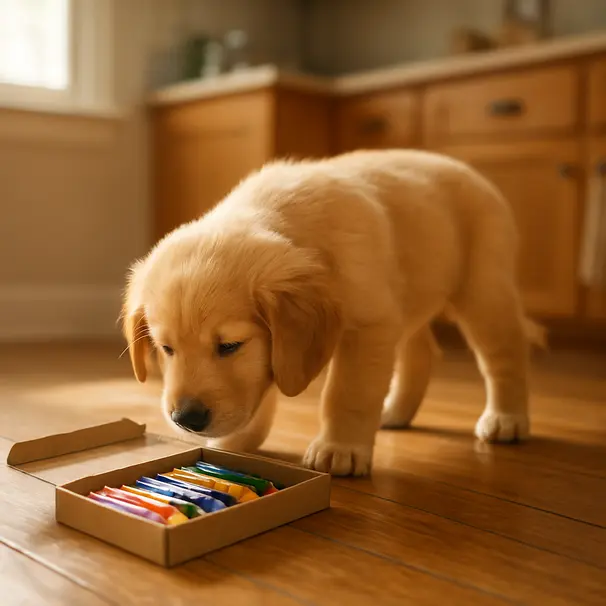
Dog ate a crayon? Take a deep breath first
Panic is normal. You love your dog and the sight of a colorful lump missing from your child’s art box can make your stomach flip. The fact is, most crayons are made from wax and pigment, and a single crayon often causes more worry than harm. Still, it helps to be practical and prepared.
In this article you’ll find clear steps to check your dog, what to do right away, when to call a vet, what vets may consider, and ways to stop crayons from becoming snack time. Keep a calm voice, move deliberately, and gather the facts.
First things to notice
- What type of crayon was it? Standard wax crayon, oil pastel, or marker? Some art supplies contain different ingredients.
- How many crayons or pieces did your dog eat? A whole box, half a stick, or a tiny nib?
- How big is your dog? A small toy breed is more likely to be affected by a larger item than a big Labrador.
- When did the chewing happen? Note the time and any immediate symptoms like drooling, vomiting, or coughing.
Write this down or take a quick photo of crumbs and the remaining crayons. That info can help your vet if you need to call.
Signs to look for right now
Check your dog calmly and thoroughly. Look inside the mouth for shards or stuck pieces, smell their breath, and watch for these signs that may suggest trouble:
- Gagging, drooling, or pawing at the mouth
- Vomiting or repeated retching
- Diarrhea or not eating
- Lethargy or difficulty breathing
- Abdominal pain, restlessness, or obvious discomfort
If your dog seems bright, active, and breathing normally, that’s reassuring. Still, keep a close eye over the next 24–48 hours, because some issues can appear later.
What to do immediately — practical, safe steps
Stay calm and avoid doing anything that could make things worse. Here’s a quick action plan you can follow right away.
- Remove the temptation
Gently take the remaining crayons away and put them out of reach. If kids are nearby, ask them to step back so you can focus.
- Look inside your dog’s mouth
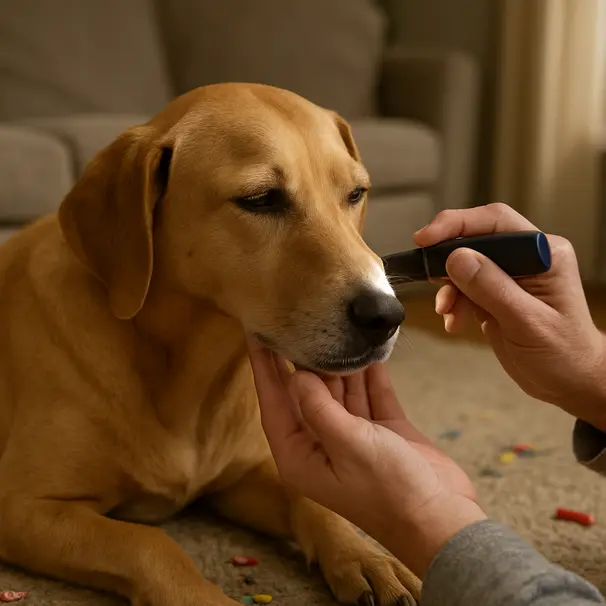
If your dog allows it, open their mouth and check for crayon pieces. Use a flashlight and your fingers if the dog is calm. If your dog is resistant or snaps, don’t force it. A fearful dog could bite — and that creates another emergency.
- Don’t induce vomiting unless a vet tells you to
Inducing vomiting can sometimes make things worse, especially if sharp pieces might injure the throat, or if the dog is drowsy or having trouble breathing. Call your vet or an emergency clinic before attempting to make your dog vomit.
- Offer water and watch
Let your dog drink small amounts of water. Hydration can help move soft items through the gut, but don’t force large volumes at once. Observe for vomiting or digestive upset.
- Note the details
Write down the time of ingestion, the type and number of crayons, your dog’s weight, and any symptoms. If possible, keep a piece of the crayon wrapper or take a photo of the crayon brand and color.
When to call your vet right away
Contact your vet or an emergency clinic if your dog shows any of the following, or if you’re unsure about the amount or type swallowed:
- Difficulty breathing, coughing, or choking sounds
- Repeated vomiting or severe diarrhea
- Pale gums, weakness, or collapse
- Signs of abdominal pain or bloating
- Small breed dogs that ate large pieces
- You suspect ingestion of something other than a simple wax crayon (for example, markers, paint, or crayons labeled as containing unusual pigments)
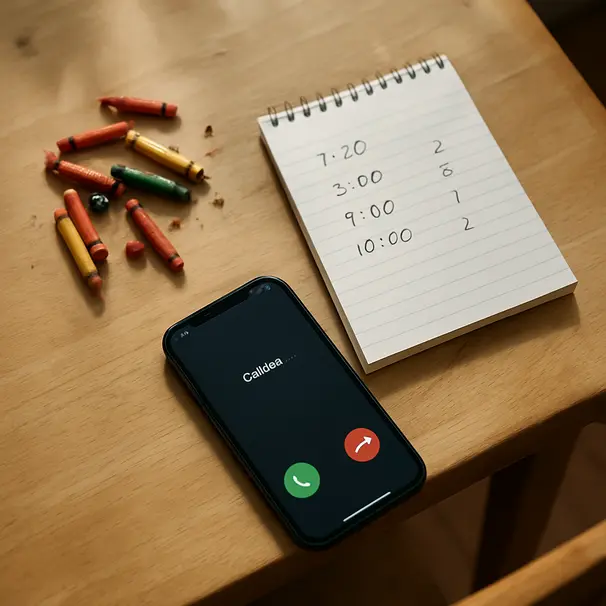
If you call, be ready with your notes: what, how much, when, and your dog’s weight. A photo helps a vet assess the product quickly.
What vets may consider and possible treatments
Vets will assess your dog and may recommend different steps depending on size, symptoms, and how long it’s been.
- Observation at home
If your dog is symptom-free and the crayon was small, a vet may recommend careful monitoring at home. Many wax crayons pass through the digestive tract without issue.
- X-rays or imaging
If there’s concern about obstruction or if the dog ate a large piece, your vet may use X-rays to check whether something is lodged in the stomach or intestines.
- Endoscopy or surgery
If a foreign object is stuck in the stomach or esophagus, an endoscope may be used to retrieve it. In more severe cases of intestinal blockage, surgery might be necessary. These are more likely if your dog ate multiple crayons, a large chunk, or if the pieces are sticky and clingy.
- Activated charcoal and medications
Activated charcoal doesn’t reliably bind to waxy substances, so it may not be useful for plain crayons. Vets may recommend anti-nausea medications, IV fluids for dehydration, or other supportive care based on symptoms.
Remember, each case is different. A vet’s recommendation will be based on your pet’s exam and diagnostics.
How to prevent a repeat crayon incident
Prevention is the best medicine. Dogs explore the world with their mouths, and crayons can look like toys or tasty sticks. Here are practical ways to keep art supplies safe.
- Store supplies out of reach
Use a high shelf, locked cabinet, or a container with a secure latch. If you have kids, teach them to close the art box after use.
- Use a designated art station
Set up a small table or tray for crafts and keep crayons in a kid-only area. Supervise art time when dogs are present.
- Swap in pet-safe alternatives
For households where curiosity is an ongoing problem, consider dog-safe chew toys, long-lasting dental chews, or puzzle feeders to redirect that chewing instinct.
- Train the “leave it” cue
Teaching a confident “leave it” and a reliable drop cue can prevent many accidents. Practice with low-value items first, then build up. Treat-based training sessions can make this fun and effective.
- Keep garbage and recycling secure
Crayon wrappers are often in boxes that end up in recycling. Use bins with lids and keep them where your dog can’t tip them over.
- Rotate toys and enrichment activities
Boredom can lead to mischievous behavior. A mix of safe toys, chew items, and interactive play can reduce the impulse to chew non-toy objects.
What to gather before you call a vet or pet sitter
If you decide to call your vet or need to leave instructions for a pet carer, having clear information helps everyone act faster.
- Time of ingestion
- Type and brand of crayon, with photo if possible
- Number of crayons or estimated amount eaten
- Your dog’s weight and age
- Any symptoms and when they started
- Your location and the nearest emergency clinic (if calling from a sitter)
If you use a pet-care platform like Floofy, add these details to your pet’s profile so carers have quick access should something happen.
A quick checklist you can print or save
- Stay calm and gather details
- Remove remaining crayons from reach
- Check mouth for pieces without forcing a jaw open
- Don’t induce vomiting unless instructed by a vet
- Offer small amounts of water and observe
- Call your vet if your dog shows concerning symptoms
- Keep photos/packaging for the vet
- Follow vet guidance about imaging or treatment
Final thoughts and a reminder about care
A crayon snack is scary, but many dogs will be fine after eating a small amount of wax. The important parts are staying calm, observing carefully, and getting professional advice when something feels off. If a specialist opinion is needed, your vet will guide you through imaging, monitoring, or procedures.
If you use pet carers from Floofy, make sure your sitter knows about your dog’s habits, emergency contacts, and where you keep potentially tempting items. Clear communication keeps everyone safer and less stressed.
If you ever feel unsure, call your vet. Better safe than sorry, and a quick call can give you the peace of mind you need.
Thanks for doing the right thing for your curious pup. You’re not alone — lots of good dog people have dealt with this, and with the right steps, many situations resolve without drama.
Stay observant, keep those crayons tucked away, and give your pup an extra hug (or a chew toy) after this little adventure.