

Why dog signals matter
Dogs talk with their bodies and their voices. For pet carers, learning that language makes the difference between a relaxed walk and a stressful episode. Understanding cues helps you keep a dog comfortable, read their needs early, and build trust with owners. This guide gives friendly, practical signs to watch for, plus quick actions you can take in the moment.

The basics of body language
A dog’s posture, tail, ears, and eyes give the clearest clues about how they feel. Look at the whole dog rather than one single signal. Context matters. A wagging tail that’s high and stiff is different from a slow, low wag. Below are common positions and what they may suggest.
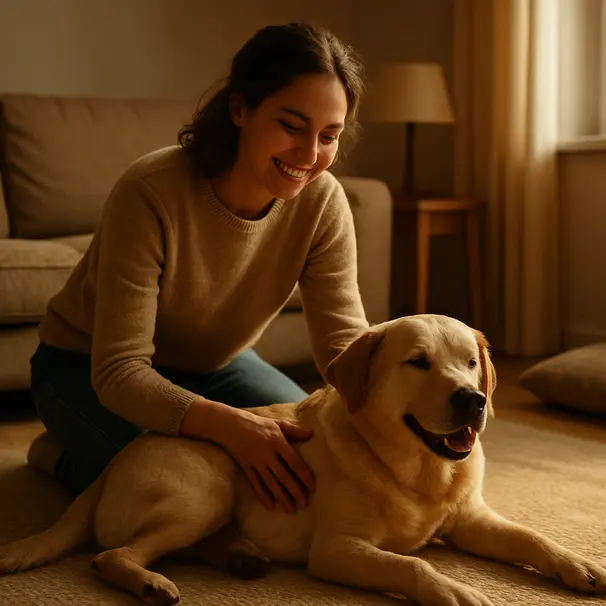
Calm and content
- Relaxed body: loose muscles, soft movements.
- Normal breathing, mouth slightly open, maybe a relaxed pant.
- Soft eyes, sometimes half-closed.
What to do: Keep routines predictable, offer gentle praise, and provide opportunities for rest and quiet enrichment. A calm dog benefits from low-key interactions and clear boundaries.
Alert and curious
- Ears forward, head up, body leaning slightly toward stimulus.
- Focused gaze, tail may be neutral or slightly raised.
What to do: Let the dog investigate safely. Use a short leash hold if needed, and call the dog away positively if they approach something unsafe.
Playful
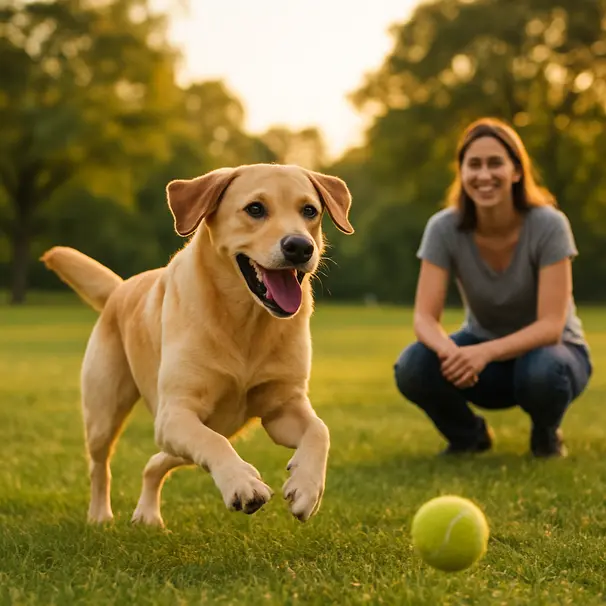
- Play bow: front legs stretched forward, chest low, rear up.
- Exaggerated movements, bouncy gait, open mouth.
What to do: Invite safe play. Match the dog’s energy and use toys to channel play appropriately, especially when caring for multiple dogs.
Fearful or uncertain
- Lowered body, tucked tail, ears back.
- Lip licking, yawning, turning head away, or crouching.
- Wide eyes showing more white than usual.
What to do: Give space and avoid direct eye contact. Move slowly, and let the dog approach you on their terms. Offer high-value treats only if the dog readily accepts them. If fear is persistent, talk with the owner about consistency and consider professional help.
Defensive or aggressive
- Stiff body, fixed stare, raised hackles, rigid tail.
- Growling, snarling, or snapping.
What to do: Prioritize safety. Do not reach toward the dog. If possible, create distance and remove triggers. Alert the owner and consider ending the interaction. For a carer, know how to get help and have a plan for emergency separation.
Reading the face, eyes, and mouth
Facial cues are subtle but informative. Eyes that are soft and slow-blinking usually mean relaxation. Hard stares can be a challenge signal. Lip licking, yawning, or nose licking often indicate stress, especially if they occur in tense situations.
- Whale eye: when the white around the eye is visible, the dog may feel threatened.
- Closed mouth with tight lips and tense jaw can indicate discomfort.
What to do: Notice repeated signs and try to reduce pressure. Move to a quieter spot and use calming tones. Consider offering a safe toy or chew to redirect tension.
Tail and ear signals
Tail and ear positions vary by breed, but general patterns help:
- High, loose tail: confidence or excitement.
- Low or tucked tail: fear, submission.
- Fast high tail wag: arousal, could be friendly or agitated.
- Slow, low wag: insecurity or caution.
- Ears forward: interest.
- Ears back and flattened: fear or appeasement.
What to do: Combine these cues with posture and vocalizations. If ears are back and tail tucked, back off gently and let the dog retreat to a safe spot.
Vocal cues: what barks, whines, and growls say
Dogs use different sounds for different reasons. Watch the pitch, repetition, and context.
- Barking: Can mean excitement, alarm, frustration, or an invitation to play. Short, repeated barks at a gate often communicate alert or territorial behaviour. High-pitched, single barks may be attention-seeking.
- Whining: Often signals desire, mild stress, or a request for attention. Repetitive whining during separation may indicate anxiety.
- Growling: A warning signal. It can be part of play between some dogs, but when paired with raised hackles and a stiff stance, it often means a real boundary.
- Low rumbling: Usually a serious warning.
- Whimpering or yelping: Sudden pain or fear.
What to do: Treat growling as valuable communication. Don’t punish a dog for growling. Instead, note what caused it and remove the trigger. For persistent vocal issues, discuss training strategies with the owner or a trainer.
Calming signals and how to respond
Dogs use calming signals to defuse tension. Recognizing them helps carers reduce stress quickly.
Common calming signals:
- Turning the head away
- Brief lip licking
- Slow blinking
- Sneezing
- Sniffing the ground
How to respond: Slow your movement and lower your voice. Avoid direct face-to-face approaches. Offer the dog a safe route away from the perceived threat and use calming, predictable routines to help them recover.
Handling common situations
Meeting new people or dogs
Let the dog set the pace. Offer an outstretched hand at a low level but keep it relaxed. Watch for signs of avoidance. If the dog stiffens, ask people to give space and sit or kneel rather than looming.
Walks and distractions
If a dog freezes or tenses at a stimulus, pause and allow observation. Using treats to shift focus can help, but don’t force the dog. For dogs who react to other dogs, work with the owner on desensitization exercises and keep distance as you manage the walk.
Grooming and handling
Many dogs feel vulnerable during grooming. Speak softly, provide treats, and break tasks into short steps. If a dog becomes stiff or growls, stop and reassess. Heavy restraint often increases stress. Suggest gradual desensitization with the owner and consider professional groomers for high-anxiety dogs.
Quick calming toolkit for pet carers
- Use a calm, even voice and gentle movements.
- Offer a quiet space with a comfy bed or crate if allowed.
- Carry high-value treats for redirection and reassurance.
- Use toys and mental games to replace unwanted attention.
- Keep a familiar item from home, like a blanket or toy, to help with transitions.
These small choices can make a big difference during visits or walks.
When safety and boundaries matter most
Some situations require immediate action. If a dog shows clear signs of escalating aggression or is injured, prioritize safety for everyone. Place yourself between the dog and people only if you can do so without getting bit. If a dog is injured or suddenly changes behaviour, consider contacting the owner and advising a veterinary check, as pain can change a dog’s reactions.
For long-term concerns, encourage owners to seek an accredited positive reinforcement trainer or behaviourist. Carers can keep notes on what triggers stress, how the dog responds, and which strategies help. These observations are valuable to professionals.
Building trust with the dog and the owner
Trust grows through consistency. Here are practical habits to adopt:
- Arrive on time and follow the owner’s routines.
- Ask about the dog’s usual cues and comfort items.
- Use the owner’s preferred words for commands and rewards.
- Share quick notes after visits: what you saw, any concerns, and what worked well.
Small, clear updates reassure owners and help you learn the dog’s unique language.
Training and enrichment tips carers can use
Mental exercise can reduce fearful and reactive behaviour. Try short sessions of basic cues, scent games, or food puzzles during visits. Keep sessions positive and short, and stop before the dog loses interest.
- Nose work: hide treats in a room for the dog to find.
- Short obedience practice: sit, stay, recall, with high-value rewards.
- Puzzle feeders: slow feeding and mental stimulation.
These activities can help anxious or bored dogs feel more relaxed over time.
Final thoughts for pet carers
Reading and responding to a dog’s body language and vocal cues is a compassionate skill. It takes attention, patience, and practice, but it strengthens safety and enjoyment for everyone. Keep learning, stay curious, and share observations with owners. When in doubt about health or sudden behavioural changes, consider suggesting a veterinary check or professional behaviour support.
Being a thoughtful carer means tuning in to the small signals. Once you notice how a tail, a blink, or a tiny whine changes the story, you’ll feel more confident and the dogs in your care will feel happier.
Further resources: ask owners about any training plans, keep a list of local positive reinforcement trainers, and consider short courses on canine body language to deepen your understanding.