


Dog breed traits and care needs every owner should know
Bringing a dog into your life is one of the warmest, most rewarding choices you can make. But every wag, cuddle and clever trick is shaped by a dog’s breed background and individual personality. Learning basic breed traits helps you plan walks, grooming, training and the kind of home life that keeps your dog thriving.
This guide walks through common breed categories, practical care tips, and what to tell a pet carer. I’ll share easy checklists, red flags to watch for, and friendly advice you can use whether you have a purebred, mixed-breed, or rescue dog.
Understanding breed categories and what they mean
Breed categories offer quick clues about energy, instincts and grooming needs. These are broad patterns, not rules, but they’re a great starting place.
Herding breeds
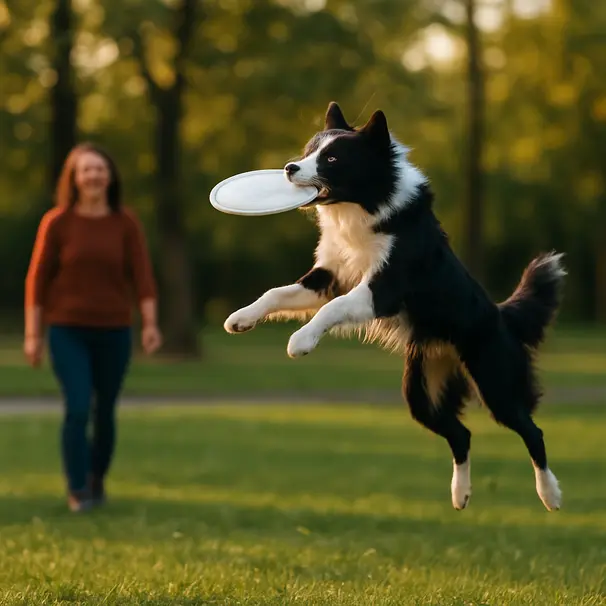
Herding breeds like Border Collies, Australian Shepherds and Corgis were bred to move livestock. Typical traits:
- High energy and mental focus
- Strong herding or chasing instincts
- Thrives on jobs and training games
Care tips: Plan for long daily exercise sessions, include obedience or nosework, and give puzzle toys to prevent boredom. Short training bursts keep their minds sharp.
Sporting and retriever breeds
Labradors, Golden Retrievers and Spaniels love to retrieve and swim. Traits often include:
- Friendly, people-oriented temperaments
- Strong desire to fetch and work
- Moderate to high exercise needs
Care tips: Regular fetch, swimming, or scent games are great. They usually tolerate grooming well but may shed seasonally.
Working and guardian breeds
Breeds such as German Shepherds, Rottweilers and Saint Bernards were bred for tasks like guarding and pulling. Traits:
- Loyal, protective instincts
- Often larger, muscular builds
- Can be reserved with strangers
Care tips: Early socialization and consistent leadership help. Their exercise may focus on purposeful tasks rather than endless running.
Terrier breeds
Terriers like Jack Russells and Westies are energetic, curious and bold. Traits:
- High prey drive and digging tendencies
- Compact but powerful bodies
- Quick thinkers and stubborn streaks
Care tips: Supervised off-leash play in secure areas, plenty of mental stimulation, and training that rewards focus.
Hounds
Beagles, Greyhounds and Dachshunds were bred for scenting or sight-tracking. Traits:
- Strong noses and tracking instincts
- Variable energy levels (Greyhounds may be sprinters, Beagles may roam)
- Independent streaks
Care tips: Scent games, long sniffing walks, and secure fencing. Use long lines or recall training with caution if they’re scent-driven.
Toy and companion breeds
Chihuahuas, Pomeranians and Shih Tzus are often happy as lap dogs. Traits:
- Low to moderate exercise needs
- Strong attachment to owners
- Some may be sensitive to rough handling
Care tips: Gentle socialization, short walks, and regular grooming for long coats. Watch for cold sensitivity in tiny breeds.
Non-sporting and mixed groups
This group covers many breeds with varied traits, plus mixed-breed dogs. Traits depend on lineage. Mixed breeds often combine strengths from multiple groups and can be wonderfully unique.
Care tips: Observe your dog’s energy, reactivity and comfort with handling, then tailor routine and training accordingly.

Exercise and mental stimulation: quality over just quantity
Dogs need both physical and mental outlets. Two dogs might both get a 30-minute walk, but one needs a sprint and a puzzle, while the other is content with a slow sniff.
High-energy breeds may need multiple daily sessions that include running, agility, or structured games. Herding and sporting breeds often respond best to activities that involve a task, like fetching with a challenge or herding-style obedience work.
Moderate-energy and older dogs may prefer brisk walks, gentle play and brain games such as food puzzles. Small breeds can burn energy with indoor games and short, frequent walks.
Practical ideas for variety:
- Interval walks: mix brisk walking, sniffing, and recall games
- Nosework or scent trails: easy to set up and mentally rewarding
- Tug and short fetch sessions: great for quick energy burns
- Training sessions: five minutes of focused training twice a day keeps minds sharp
How to spot boredom or excess energy:
- Destructive chewing, digging or repetitive pacing
- Over-excitability when visitors arrive
- Restlessness at night
If your dog shows these signs, consider increasing mental challenges or swapping in a different activity. Professional dog walkers or carers can help provide that extra focused exercise on busy days.
Grooming and coat care by coat type
Coat type affects how often you’ll brush, bathe and visit a groomer. Here’s a practical breakdown.
Short coats
- Examples: Beagle, Boxer, short-coated Terrier
- Care: Weekly brushing to remove loose hair, baths as needed
Double coats
- Examples: Siberian Husky, Golden Retriever
- Care: Seasonal heavy shedding requires daily brushing during blowouts. Regular baths may help manage loose undercoat.
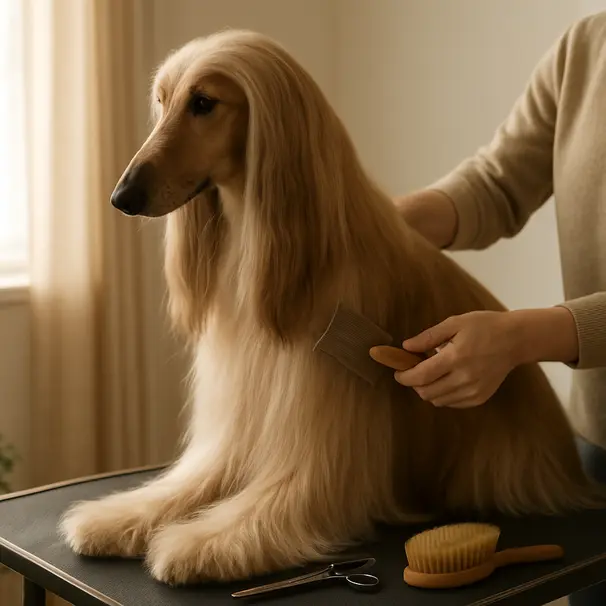
Long, silky coats
- Examples: Afghan Hound, Maltese
- Care: Daily brushing to avoid mats, regular trims, and gentle detangling tools
Curly or wiry coats
- Examples: Poodle, Wirehaired Pointing Griffon
- Care: Regular professional grooming may be ideal. Brushing keeps tangles at bay.
Skin and coat health tips:
- Use a brush suited to the coat type; soft bristles for delicate fur, slicker brushes for dense coats
- Start grooming routines early so dogs accept handling
- Consider seasonal trims in warmer climates
- Check ears and nails regularly; keep nails trimmed to a comfortable length
If you’re unsure about the right grooming schedule, ask a groomer or your vet for breed-specific advice. Professional groomers and pet carers can help maintain a coat between salon visits.
Health, lifespan and common concerns to consider
Every breed has potential health tendencies. This isn’t meant to alarm you, but knowing what to watch for helps you be proactive.
Common areas to monitor:
- Joint issues: large breeds may be prone to hip or elbow concerns, consider weight management and appropriate exercise
- Respiratory sensitivities: flat-faced breeds may struggle in hot weather, and may do better with shorter walks in heat
- Eye and ear problems: breeds with droopy ears may need regular ear checks
- Dental health: small breeds often need more frequent dental care
Regular vet checkups, age-appropriate screenings, and preventive care can help spot early issues. Ask your vet about breed-specific screening recommendations and vaccination schedules.
Nutrition and weight
- Pick a diet suited to life stage and activity level
- Manage portions and treats to avoid excess weight, which can worsen joint and heart conditions
- Consider slow-feeders or puzzle feeders for fast eaters
Medication and supplements
- Some owners consider joint supplements or specialized diets, but you should consult your vet first
Emergency planning
- Keep a digital and printed file with your dog’s medical records, medications, and vet contact information
- Share any health quirks with your pet carer so they can watch for changes
Socialization, training and temperament cues
Temperament matters more than breed in many day-to-day situations, but breed tendencies give clues about where to focus socialization and training.
Early socialization suggestions:
- Introduce a friendly variety of people, dogs and environments gradually
- Reward calm behavior with treats and praise
- If your dog is shy, let them set the pace and avoid overwhelming situations
Training tips by tendency:
- Independent dogs: use short, high-reward sessions to keep attention
- Sensitive dogs: praise and gentle corrections work better than harsh methods
- High-drive dogs: channel instincts into sports like agility or scent work
Separation anxiety
- Some breeds form very tight attachments and may show distress when left alone
- Build independence gradually, leave for short periods and increase time alone slowly
- Provide enrichment such as frozen treat dispensers or safe chew toys
Working with a pet carer on training
- Share your training cues, rewards, and any boundaries you enforce
- Ask carers to reinforce consistent cues to avoid confusion
- If your dog has special needs, outline step-by-step handling instructions
Choosing a pet carer who understands your breed
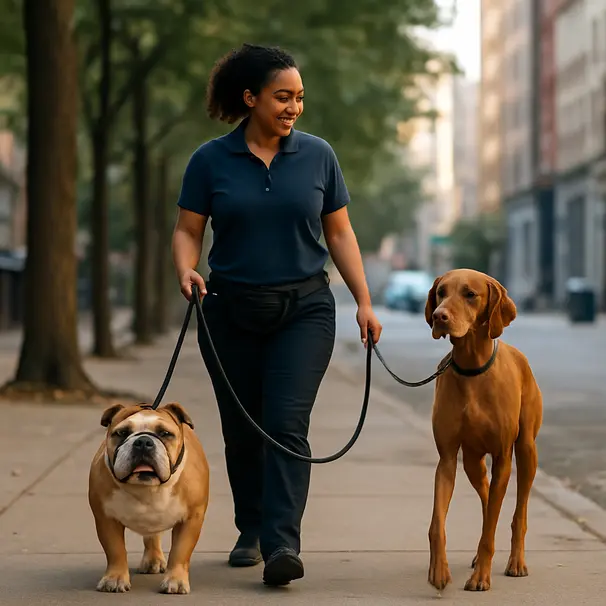
When you trust someone with your dog, breed awareness matters. A good carer adapts to size, energy, handling and health needs.
Questions to ask a potential carer:
- Have you worked with this breed or similar-sized dogs before?
- How would you handle high energy, fearfulness or prey drive?
- Are you comfortable administering medications or special diets?
- What’s your plan for emergencies and vet transport?
Share this information upfront:
- Typical daily routine and exercise levels
- Food type, portion size and feeding schedule
- Any health conditions or medications
- Favorite calming methods and things that stress your dog
A short trial visit can help you watch how the carer interacts with your dog. Look for calm confidence, clear communication, and a willingness to follow your routines.
Living arrangements and family fit
Some breeds do better in apartments, others need yards. Think beyond size to energy, noise level and social needs.
Apartment-friendly breeds often have lower exercise demands or adapt well to indoor play. But a quiet, low-energy dog can still be vocal if bored.
Families with children should consider breed tolerance for handling. Supervision and teaching kids gentle interactions are essential for any breed.
Multi-pet households need careful introductions and slow integrations. Introduce dogs in neutral spaces, supervise early interactions, and separate during feeding if needed.
Practical checklist for new and prospective owners
- Observe the dog’s daily energy and match exercise to that level
- Find a groomer who knows your dog’s coat type
- Schedule initial vet visit and ask about breed screenings
- Create an emergency kit and medical file
- Prepare a carer brief that covers routine, health and behavior
- Start short, consistent training sessions early
Final thoughts
Breed traits are a helpful map, not a strict rulebook. Getting to know your dog as an individual, while keeping breed tendencies in mind, makes life together smoother and more joyful. Share routines with any carer, stay curious about your dog’s needs, and don’t hesitate to ask professionals for tailored advice. With a little planning and lots of love, you’ll create a routine that lets your dog shine.
- Quick takeaways:
- Match exercise to breed energy and mental needs
- Grooming depends on coat type, so set a consistent schedule
- Share breed-specific notes with carers and vets
- If unsure, observe your dog and adjust routines gradually
Thanks for reading. If you’re preparing to hire a pet carer or choosing a new furry friend, save this guide and use the checklists when you chat with sitters, groomers or vets. Happy tails!