

Dog cloudy eyes: causes & care
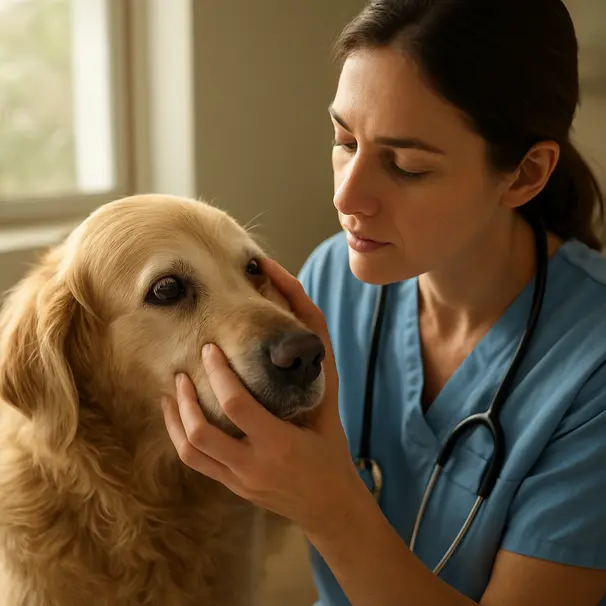
It’s always a little worrying to spot cloudiness in your dog’s eyes. You might notice a bluish haze, a milky film, or just a change in how light reflects off the eye. Some changes are harmless and come with age. Others may need prompt veterinary attention. This post walks through common causes, what to watch for, steps carers can take at home, and how to make life safe and happy for a dog with vision changes.
What “cloudy” can mean
Cloudy eyes is a general description. Dogs can have cloudiness from different layers of the eye: the cornea (the clear front surface), the lens behind the pupil, or even inside the eye itself. Each location hints at different causes. Look at the overall picture: is the dog squinting, is there discharge, or is one eye affected more than the other? Those details help narrow things down.
Common causes of cloudy eyes in dogs
Below are some of the conditions your vet may consider. I’ll keep the language friendly and practical. Remember, these are possibilities, not diagnoses. A vet exam is the best next step if you’re concerned.
Cataracts
- What it looks like: a whitish or gray spot inside the pupil or lens, often more obvious in photos or bright light.
- Who gets it: older dogs and dogs with diabetes may develop cataracts, though some breeds get them young.
- Why it matters: cataracts can affect vision, and they may progress. A vet may discuss monitoring or treatment options.
Nuclear sclerosis (age-related lens change)
- What it looks like: a bluish-gray, slightly hazy appearance in older dogs. It often doesn’t block vision as much as cataracts.
- Who gets it: typically older pets.
- Why it matters: this is usually a normal aging change and may not need treatment, but it’s worth a vet check to confirm.
Corneal ulcers and scarring
- What it looks like: cloudiness or white spots on the surface of the eye. The dog might blink a lot or avoid bright light.
- Who gets it: dogs who scratch their eyes, have foreign bodies, or suffer trauma.
- Why it matters: corneal ulcers can be painful and may need topical medications or other treatment.
Glaucoma
- What it looks like: the eye may appear cloudy and enlarged, often with redness and squinting.
- Who gets it: can occur at any age but requires quick attention.
- Why it matters: glaucoma can be painful and may cause rapid vision loss if not treated.
Uveitis (inflammation inside the eye)
- What it looks like: cloudiness, sometimes with discharge, squinting, or a change in pupil size.
- Who gets it: can be caused by infection, immune conditions, or trauma.
- Why it matters: uveitis may be linked to systemic disease and often needs veterinary care.
Dry eye (keratoconjunctivitis sicca)
- What it looks like: dull, thickened cornea and sticky discharge. The eye may look cloudy from persistent irritation.
- Who gets it: some breeds, dogs on certain drugs, or those with immune problems.
- Why it matters: managing tear production can help comfort and reduce ongoing damage.
Lens luxation or trauma
- What it looks like: sudden clouding, discomfort, and an odd pupil shape if the lens has moved.
- Who gets it: some breeds are predisposed; trauma can cause it too.
- Why it matters: may require urgent surgical care.
Signs that you should see a vet quickly
Some eye problems can be emergencies. Call your vet or an emergency clinic if you notice:
- Sudden cloudiness in one or both eyes
- Severe squinting or holding the eye closed
- Thick, colored discharge (yellow or green)
- Eye looks swollen or noticeably enlarged
- Your dog seems painful, keeps pawing the eye, or shows behavior changes
- Sudden bump in clumsiness or walking into things
These are red flags because they could indicate painful conditions or fast-progressing problems where earlier treatment may help preserve vision.
How a vet may figure out what’s going on
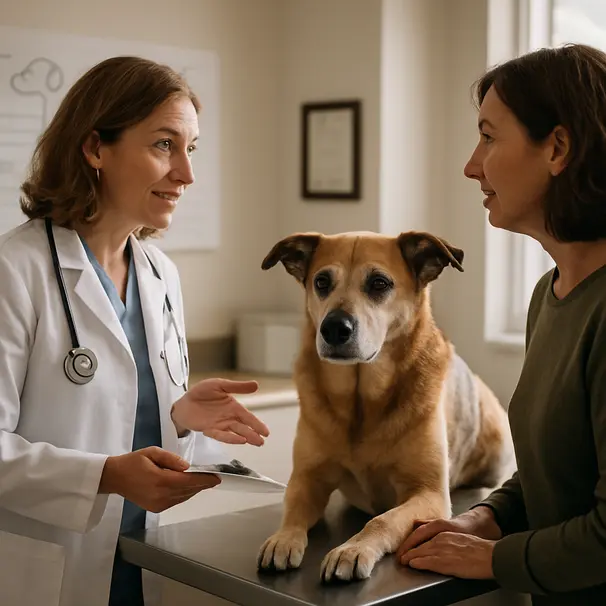
A veterinary ophthalmic exam is the safest way to sort causes. Your vet may do some of the following tests:
- Visual inspection with magnification, checking each layer of the eye
- Fluorescein staining to find corneal ulcers
- Tonometry to measure eye pressure (checks for glaucoma)
- Slit-lamp exam to look at the cornea, lens, and anterior chamber
- Dilated eye exam to view the retina
- Bloodwork or screening for infections and systemic disease if uveitis or metabolic causes are suspected
These tests are quick and can give a lot of useful information. The vet will explain what they find and likely suggest a treatment or monitoring plan.
Practical home care steps while you wait for a vet
If your dog’s eyes look cloudy but they aren’t in acute distress, you can take supportive steps at home. These measures can help comfort your pet and avoid making things worse.
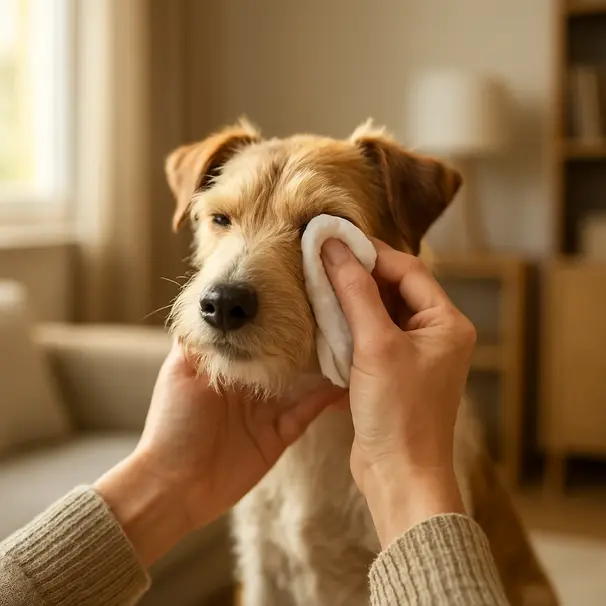
- Keep the area clean. Use a soft, damp cloth or vet-approved eye wipes to gently remove crust and discharge. Wipe from the corner outward.
- Prevent rubbing. Use an e-collar or supervise closely to stop the dog from pawing at the eye.
- Avoid human eye drops. Over-the-counter products for people can irritate dogs or hide important signs. Only use medications prescribed by your vet.
- Control the light. If bright sunlight seems to bother your dog, provide shaded resting spots or indoor time.
- Minimize dusty or smoky environments. Airborne irritants can worsen corneal problems.
- Note changes. Keep a short log of when you noticed cloudiness, any new behaviors, and photos if the cloudiness changes. That helps the vet.
If your dog has a chronic condition like dry eye, your vet may recommend daily tear supplements or ointments. These can help the cornea stay healthy and reduce further clouding.
Prevention and long-term care
Not all causes of cloudy eyes are preventable, but some steps may reduce risk or slow progression.
- Regular check-ups. Annual or biannual exams give a chance to spot early changes before they interfere with vision.
- Manage underlying disease. Good control of diabetes, high blood pressure, or immune conditions can reduce eye complications.
- Breed awareness. Some breeds are predisposed to cataracts or glaucoma. If you care for those breeds, be extra vigilant and ask your vet about screening.
- Groom carefully. Trim hair around the eyes and be cautious with grooming products near the face.
- Keep up with parasite prevention. Some infections that affect the eyes are spread by parasites or ticks.
Tips for pet carers and sitters
If you’re pet sitting or working as a carer, you may be the first to notice an eye change. Here’s a short checklist that can help you and the dog’s family:
- Observe and report. Note which eye is affected, when you first saw it, and any other signs like discharge or changes in behavior.
- Avoid applying anything without permission. Only use products the owner or their vet has approved.
- Use gentle handling. A stressed dog may make eye exams harder; calm, slow movements are best.
- Know emergency contacts. Keep the owner’s vet contact and an emergency clinic number handy.
- Keep the dog safe. Prevent running on stairs or stairs without supervision if vision seems reduced.
These small steps make a big difference to owners and to the dog’s well-being.
Living with a dog who has vision changes
Many dogs adapt beautifully to partial vision loss. Here are practical tips to help your dog stay confident and happy.
- Keep the layout steady. Avoid rearranging furniture; dogs learn the environment by memory and scent.
- Use scent and sound cues. Place treats in consistent spots, and use toys that make noise to encourage play.
- Shorten the risk. Block off hazards like pools or balconies if your dog’s vision is poor.
- Train with touch and voice. A soft tap on the shoulder or a spoken cue helps guide dogs who can’t see well.
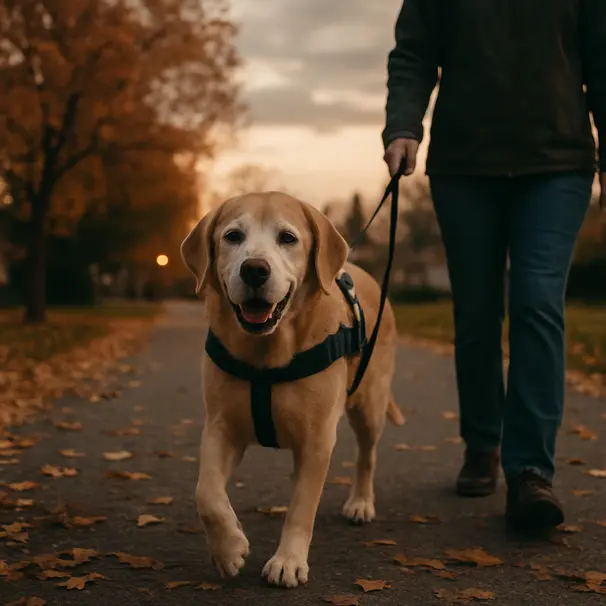
- Harness over collar. A harness can be gentler if you need to guide a dog with poor vision.
- Enrichment matters. Puzzle feeders, scent games, and gentle play keep them engaged and confident.
- Be patient. Dogs may move more cautiously; give them time to learn a new way of navigating.
Many owners find their dogs become more affectionate and resilient. A calm routine and a few adjustments in the home help dogs keep living full, happy lives.
Final thoughts
Cloudy eyes can mean many things, from simple age-related changes to conditions that need prompt care. If you notice cloudiness, especially with pain, discharge, or sudden behavior changes, consider contacting a vet sooner rather than later. Keep notes, take photos, and provide calm, protective care in the meantime.
If you need help with transport to the vet, medication reminders, or a trusted sitter while your pet recovers, Floofy connects you with local carers who understand special needs. A little vigilance and kind care go a long way toward protecting your dog’s sight and comfort.
Thanks for being a thoughtful pet person. Your dog notices the love you give, even in the smallest details.