

Dog concussion: signs & care
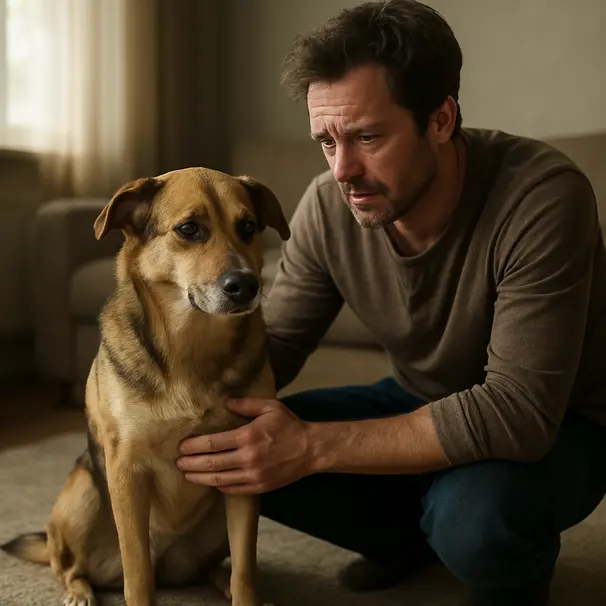
A bump to the head is every dog owner’s worst little nightmare. You might picture a dramatic fall or a collision on a busy walk, but concussions in dogs can happen in everyday moments. This post aims to help you spot possible signs, take calm, practical first steps, and support your dog while you contact a veterinarian. It doesn’t replace professional care, but it can help you act quickly and confidently.
What is a concussion in dogs?
A concussion is a type of mild traumatic brain injury that can occur after a blow to the head or sudden jolt. In dogs, symptoms can be subtle. A dog may seem off for a few hours, or may show more obvious changes in movement and behavior. Signs can be delayed, and what looks mild at first can change, so watching your dog closely for the hours after an incident can make a real difference.
Common causes
- Accidental falls from heights, furniture, or vehicles
- Being struck by a ball, stick, or other object during play
- Collisions with cars, bicycles, or other animals
- Rough housing with other dogs, especially large breeds
- Shaking or sudden deceleration, like in a car crash
Even a playful head bump during rough play can cause a concussion in some dogs. Size, skull shape, and underlying health may affect risk.
Signs to watch for
Concussion signs vary. Some dogs look sleepy and fine, others act confused or unsteady. If your dog experiences any of these after a head injury, consider contacting your vet promptly.
Physical signs
- Drowsiness or excessive sleepiness
- Staggering, wobbly walking, or poor coordination
- Vomiting or nausea
- Seizures or sudden collapsing
- Pupils that are different sizes or slow to react to light
- Bleeding or swelling around the head or face
Behavioral and cognitive signs
- Unusual confusion or disorientation
- Forgetting known commands, or seeming less responsive
- Increased irritability, restlessness, or hiding
- Vocalizing more than usual, whimpering, or seeming anxious
- Changes in appetite or drinking patterns
These signs may appear immediately or a few hours later. If you notice any worrying change, it’s better to act sooner than later.
Immediate steps after a head injury
Stay calm. Dogs pick up on our emotions, and a calm owner can help a scared or dazed pet feel safer.
Check safety first. Move your dog only if they are in immediate danger, for example in the middle of a road. If you must move them, try to keep the head and neck straight and supported.
Assess consciousness. Is your dog awake, groggy, or unresponsive? Are they breathing normally? If breathing is shallow or absent, seek emergency care immediately.
Look for serious bleeding or obvious fractures. Apply gentle pressure with a clean cloth to control heavy bleeding, and consider seeking urgent veterinary help.
Keep movement to a minimum. Encourage quiet rest to reduce the chance of worsening brain movement. Wrap your dog in a blanket or keep them on a stable surface to prevent further injury.
Call your vet. Describe what happened, the signs you’ve seen, and your dog’s age and any health issues. Your vet can advise whether you should come in right away or watch at home for specific symptoms.
What NOT to do
- Don’t try to give oral medications or human painkillers. Some human medicines can be very toxic to dogs.
- Don’t force food or water if your dog is vomiting or very drowsy. This could lead to choking.
- Don’t shake or slap the dog to try to “wake them up.” Gentle stimulation like calling their name or softly touching a paw is safer.
- Don’t assume mild signs are harmless. Changes can develop over hours, so watch closely and seek veterinary advice.
First aid you can provide at home
These measures can help while you arrange veterinary care, but they’re not substitutes for professional assessment.
- Keep your dog warm and calm. A quiet room with dim lighting can reduce stress.
- Gently support the head and neck if you must move the dog, keeping them as still as possible.
- If there is a visible wound, apply gentle pressure with a clean cloth to reduce bleeding, then cover lightly to keep it clean.
- Note details to tell your vet: the time of the incident, what happened, how your dog responded right afterwards, and any changes since then.
If you have a pet carer or floofy sitter, communicate clearly about what happened and any care steps you’ve already taken. Accurate information helps the vet make faster recommendations.
When to get emergency veterinary care
Consider urgent vet attention if you notice any of these:
- Loss of consciousness, or difficulty waking your dog
- Repeated vomiting
- Seizures or twitching
- Pronounced difficulty breathing
- Bleeding that won’t stop
- Clear changes in pupil size or inability to focus
- Rapid deterioration in behavior or mobility
If you’re ever unsure, calling an emergency vet for triage by phone can offer immediate guidance.
What a vet may do
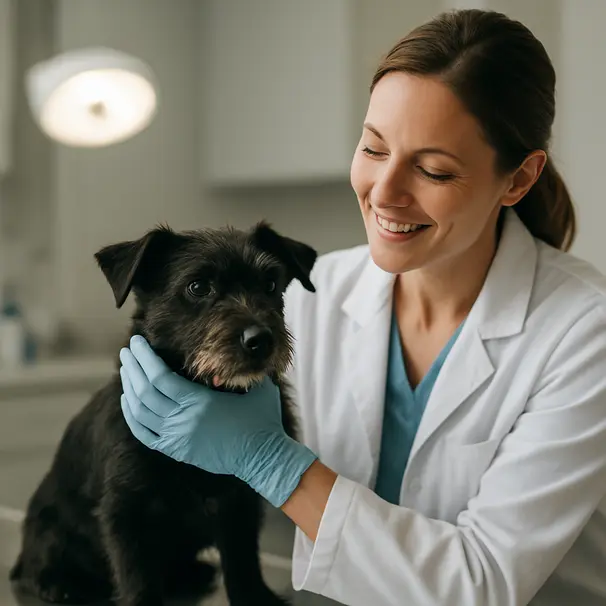
A vet will take a detailed history and perform a neurological exam to assess reflexes, coordination, and behavior. They may recommend observation, imaging like X-rays or CT scans, or blood tests, depending on the signs and suspected severity.
Treatment often focuses on symptom control and preventing complications. This could include medication to control seizures or nausea, fluids for hydration, and monitoring for changes in behaviour or neurologic function. In severe cases, more intensive care may be needed. Ask the vet to explain the plan in simple terms, and consider bringing a trusted carer with you for support.
Recovery and home care
Recovery times vary. Some dogs bounce back in a few days, others may need weeks of rest and monitoring. Follow your vet’s instructions closely, and consider these practical tips to support healing.
Create a calm environment
- Limit activity. Avoid active play, running, and stairs for the time your vet recommends. Short, supervised leash walks for bathroom breaks are usually best.
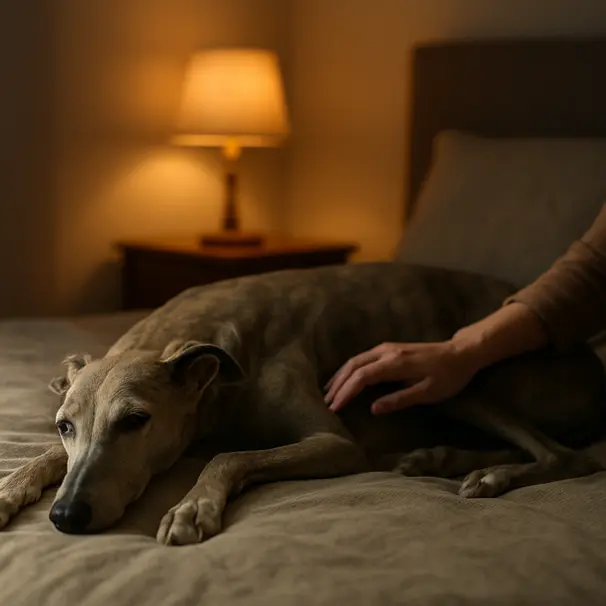
- Reduce sensory stimulation. Keep music low, lights dim, and visitors minimal. A quiet corner with a comfortable bed can be comforting.
Monitor carefully
- Keep a log of sleep patterns, walking ability, appetite, vomiting, or any behavioral changes. This information is helpful if symptoms change.
- Check pupils and coordination a few times a day. Note any new or worsening signs.
Medication and follow-ups
- Give medications exactly as prescribed. If your dog won’t take a pill, ask your vet for safe alternatives.
- Attend follow-up appointments. Your vet may want to reassess neurologic function after a few days.
Provide gentle reassurance
- Offer calm petting and quiet companionship. Many dogs find a familiar voice soothing.
- Use low-effort enrichment, like sniffing games or simple food puzzles, only if your vet says it’s okay. Keep activities slow and gentle.
Long-term outlook
Many dogs with mild concussion recover well with rest and supportive care. Some may take longer to return to normal, and a few may have lingering sensitivity, balance issues, or behavior changes. If your dog had a more serious head injury, recovery could be a longer process that needs ongoing veterinary involvement.
Watch for these longer-term flags, and consult your vet if they appear:
- New or worsening balance problems
- Persistent changes in behavior or learning
- Ongoing seizures or fainting
A gradual return to normal routines, guided by your vet, can help protect your dog during recovery.
Prevention and safety tips
- Supervise play between dogs, especially if there’s a big size difference.
- Use secure leashes and harnesses near roads or water.
- Keep cars and windows closed enough that a dog cannot fall from a moving vehicle.
- Make the home safer with gates at stairs if your dog is prone to sudden jumps or falls.
- Teach gentle play and safe recall commands that can help avoid risky situations.
Notes for pet carers and sitters
If you’re caring for someone else’s dog, be proactive. Share emergency contacts, vet details, and the dog’s medical history with the owner. If an incident happens on your watch:
- Contact the owner immediately with clear details.
- Keep the dog calm, note exact times and symptoms, and seek veterinary advice if anything seems off.
- If a vet visit is needed, get written permission from the owner for treatment, or have clear prearranged protocols if you are a registered carer.
Clear communication helps reduce stress and improves outcomes for the dog.
Final thoughts
Seeing your dog dazed or unsteady is frightening, but your calm, timely actions can make a big difference. Watch closely, limit activity, keep your pet comfortable, and consult your vet as soon as possible. Recovery often follows with rest and gentle care, and your vet can help create the safest plan for your dog’s return to full spirit and play.
If you’re ever uncertain, consider reaching out to a trusted veterinary clinic or emergency service for guidance. And if you need extra hands, a Floofy pet carer can help monitor and care for your dog while you get professional advice or treatment.
Take care, and give your pup an extra gentle scratch behind the ears for being brave.