


Dog destroying beds? You can fix this, together
If you come home to a stuffing-strewn living room one too many times, take a breath. It happens to a lot of dog owners. Beds are soft, tasty-looking, and sometimes inviting targets for bored, anxious, or teething pups. The good news is there are lots of practical, gentle things you can try that may help reduce or stop the behaviour.

Why dogs chew and destroy beds
Understanding the reason behind the chewing makes solutions more effective. Here are the common causes:
- Boredom and excess energy. A restless dog with nothing interesting to do may turn the bed into a project. Chewing provides stimulation and a way to use up energy.
- Teething. Puppies and adolescent dogs often chew to relieve sore gums. Chewing soft things can feel comforting.
- Anxiety or separation distress. Some dogs chew when they’re stressed, especially if they’re left alone for long periods.
- Seeking attention. If ripping the bed gets a big reaction, your dog may learn that destruction is an effective way to get you engaged.
- Instinct and denning behaviour. Some breeds like to dig and nest, and a bed can become a place to rearrange.
- Unsuitable bed design. Beds with tempting loose material, squeakers, or stuffing that smells like food can be irresistible.
Knowing which of these is likely will guide what to try first. For example, a bored dog needs exercise and enrichment, while an anxious dog may benefit from gradual desensitisation and comfort strategies.
First steps: quick wins you can try tonight
- Put damaged beds out of reach. If a bed is already shredded, remove it. Loose stuffing can be a choking hazard.
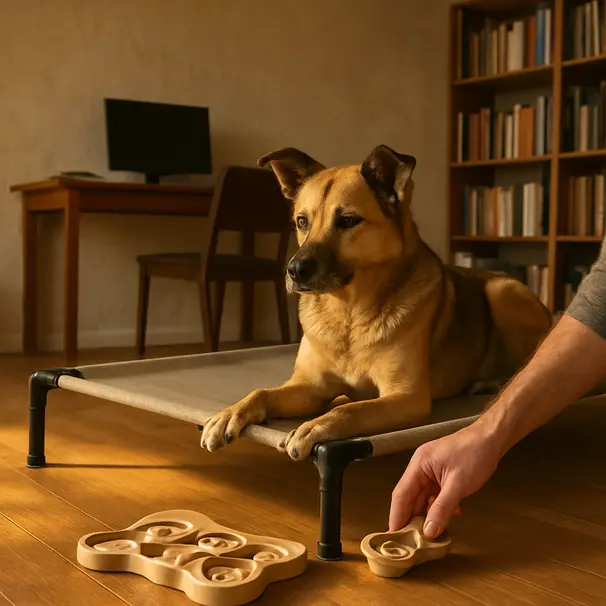
- Swap in a more durable option temporarily. A chew-proof mat or raised cot with canvas cover can be safer while you work on behaviour change.
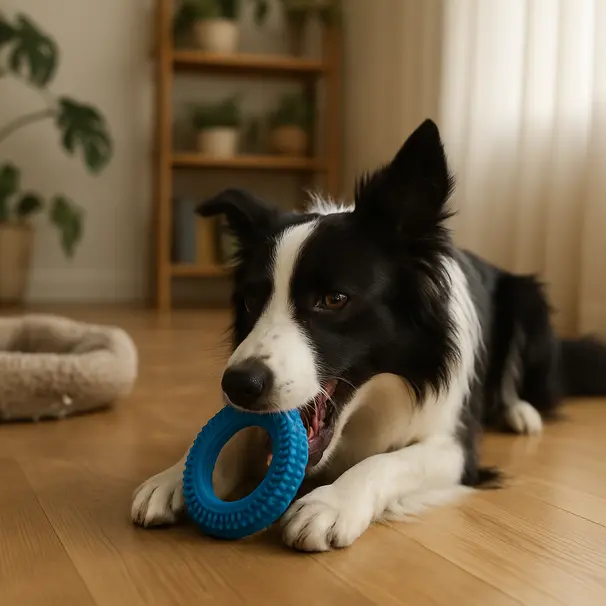
- Offer safe chew alternatives. High-value chew toys, frozen Kong toys stuffed with a smear of peanut butter or canned pumpkin, and long-lasting chews can redirect the urge.
- Increase exercise. A tired dog chews less. Add an extra 10–20 minutes of play or a brisk walk if you can.
- Give enriched time when you leave. Food puzzles and treat-dispensing toys can keep a dog busy and reduce destructive habits.
These quick steps may not solve the root cause, but they can lower the risk of further destruction and keep your dog safe.
Long-term strategies that actually help
The goal is to teach your dog better options and change the environment so chewing the bed is less rewarding.
1. Match activity to your dog’s needs
Some dogs need more than a single daily walk. Work on a consistent routine that includes play, sniffing, and structured training. Consider:
- Two shorter walks rather than one long walk.
- A session of active fetch or tug before you leave the house.
- Scent games or hide-and-seek treats around the home to provide mental stimulation.
A well-exercised dog will usually have less compulsive energy to damage belongings.
2. Supervise and manage
Until your dog learns, management is your friend. Use baby gates, playpens, or closed doors to keep dogs away from beds when unsupervised. Crate training can help if your dog finds the crate a calm, safe space. Make sure the crate is associated with positive things, not punishment.
3. Teach “leave it” and alternative behaviours
Training gives dogs options. Teach “leave it” and a reliable replacement behaviour such as “go to mat” or “settle.” Reward the dog heavily for choosing the mat or a chew toy over the bed. Consistency matters: carers and family members should use the same cues and rewards.
4. Rotate and upgrade toys
Just like people, dogs can get bored of the same toys. Keep a variety on hand and rotate them to maintain novelty. Use high-value toys only when you need the dog busy, for example when you leave the house.
5. Address anxiety gently
If your dog chews when separated or clearly stressed, work on gradual separation training. Start with very short departures and build up slowly. Consider calming aids such as adaptil pheromone diffusers, anxiety wraps, or consult your vet for options. These may help, and a professional behaviourist can offer a personalised plan.
Choosing a dog-proof bed
Not every bed is created equal. Here are features to look for:
- Tough, chew-resistant fabric such as ballistic nylon or heavy canvas.
- Reinforced seams and hidden zippers to prevent easy access to stuffing.
- Raised cots made of metal or plastic with washable covers.
- Beds without loose bits, squeakers, or toys attached.
If you want a cosy look, consider a durable base and then add soft, replaceable covers that are tied on or zipped in a way the dog can’t easily open.
DIY fixes and smart swaps
If buying a brand-new heavy-duty bed isn’t an option, try these DIY ideas:
- Sew a zippered cover from tough fabric and stuff with an old pillow that’s been encased in another layer. Fewer loose seams mean less temptation.
- Use a crate mat with a removable cover and lock the cover in place with Velcro on the underside.
- Repurpose a yoga mat under the bed for extra support, making it less floppy and appealing to dig.
- Distract with a safe stuffing alternative: a designated plush toy filled with dog-safe stuffing can give the dog an outlet without destroying the bed you want to save.
These small changes can slow down damage and buy you time to train.
A step-by-step training plan you can follow
Week 1
- Begin with supervised time near the bed. Reward calm behaviour with treats and a marker word like “good.”
- Teach a strong “go to mat” cue: lure the dog to a specific mat, reward, and add distance slowly.
Week 2
- Start leaving the room for short periods, returning calmly and rewarding the dog for staying on the mat or chewing a toy instead of the bed.
- Increase the length of absences gradually.
Week 3
- Introduce more distractions while the dog is on the mat; reward focus and calm.
- If destruction happens, calmly remove the dog, remove the bed, and retry with a durable alternative.
Keep sessions short and positive. If progress stalls, step back to shorter absences and rebuild confidence.
Cleaning up and safety after a bed gets destroyed
If a bed is shredded, get any soft bits out of reach quickly. Loose stuffing can be swallowed, so check your dog’s stool and behaviour. Consider a vet if you suspect ingestion or if the dog shows vomiting, lethargy, or loss of appetite. For cleaning fabric and smells:
- Vacuum immediately to remove small pieces.
- Wash covers in hot water if washable, and air out the foam or inner parts if possible.
- Use pet-safe enzymatic cleaners on spots to remove scent cues that encourage repeat chewing.
Tips for pet carers and sitters
As a carer, your approach can make or break progress:
- Ask the owner about the dog’s triggers and leave detailed instructions on allowed toys, safe areas, and exercise routine.
- Keep the environment consistent with the owner’s routine, including mat cues and training words.
- Use management tools the owner prefers: a crate, baby gate, or specific bed type.
- Communicate any incidents calmly and with detail. Photos and clear notes help owners understand what happened.
Working together creates trust and better outcomes for the dog.

When to ask for professional help
If chewing is severe, persistent, or accompanied by other worrying signs like pacing, howling, or self-harm, consider consulting a vet or qualified behaviourist. A vet may rule out medical causes such as dental pain or skin irritation. A behaviourist can design a structured plan tailored to your dog’s needs.
Remember to say the words “consider” and “may” when talking about medical or behavioural interventions, and ask a professional for personalised advice.
Final encouragement and realistic expectations
Fixing destructive chewing takes time, patience, and consistency. Celebrate small wins: a whole night without damage, a five-minute calm mat stay, or even a single successful leave-and-return. Most dogs respond well to a mix of management, enrichment, and training. You’re not alone in this, and with steady effort, many dogs learn better options and beds stay intact.
If you use Floofy to find a trusted carer, include the dog’s routine and what has worked so far. Shared understanding between owners and carers speeds progress and keeps everyone—especially the dog—more relaxed.
Keep calm, keep cushions stored, and keep trying. Your patient, playful approach can make a big difference for your dog and your home.