

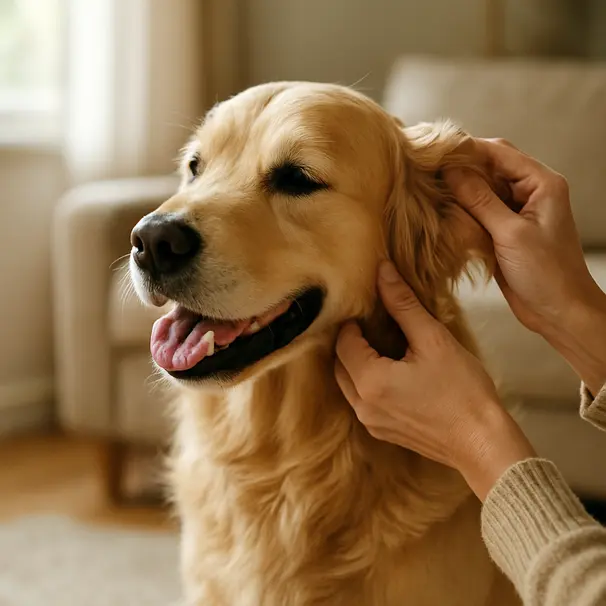
Why ear infections matter
If your dog is shaking its head or pawing at an ear, you can probably feel the worry rise in your chest. Ear infections are common, uncomfortable, and sometimes persistent. They can range from mild and easy to manage, to painful and frustrating. The good news is there are sensible, practical steps you can take at home to help your dog, and to reduce how often infections return. Consider this your friendly guide to understanding causes, spotting signs early, and trying safe, simple care that may help alongside veterinary advice.
What causes ear infections in dogs
Dog ears are different from ours. Some breeds have long, floppy ears that trap moisture. Others have hairy ear canals or are prone to skin allergies. A few common triggers to consider:
- Bacteria and yeast, which can overgrow when the ear environment becomes warm and moist.
- Ear mites, more common in puppies and in multi-pet households.
- Allergies, both food and environmental, which may lead to itchy, inflamed ears.
- Excess moisture after swimming or bathing, which can encourage microbial growth.
- Foreign bodies like grass seeds that irritate the ear canal.
- Narrow or hairy ear canals that reduce airflow and trap debris.
- Underlying health issues that change ear chemistry, such as hormonal imbalances.
Each of these can play a part. Often two or three factors combine, for example, an allergy that makes skin inflamed and a bit of moisture that lets yeast flourish.
Signs to watch for
Dogs are good at hiding discomfort, but ear problems often show up as behavior you’ll notice:
- Frequent head shaking or tilting.
- Pawing or scratching at the ear.
- Redness, swelling, or a bad smell from the ear.
- Dark discharge that looks waxy or crumbly, or a wet, smelly discharge.
- Scabs or hair loss around the ear from scratching.
- Sensitivity to touch near the ear, or less interest in playing.
If you spot any of these signs, consider booking a vet check. A professional can determine the cause and recommend a safe treatment plan. Left unchecked, ear infections may become chronic and require longer courses of treatment.

When to call the vet
Consider speaking to your veterinarian if:
- Symptoms are sudden, severe, or rapidly getting worse.
- The ear looks very red, swollen, or painful.
- Your dog seemed unwell in other ways, like running a fever or not eating.
- Home cleaning doesn’t help, or the problem keeps returning.
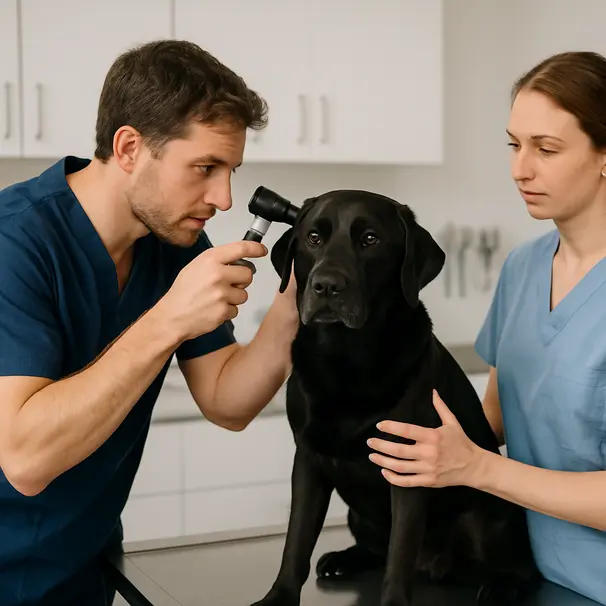
Your vet may examine the ear with an otoscope, take swabs for microscopic evaluation, and suggest treatments that may include topical medicines, oral medications, or changes to diet or environment.
Safe home care: what you can do now
Before you try anything at home, think: is the ear very painful, bleeding, or stuffed with foreign material? If so, see your vet. If the situation looks milder, these gentle steps can help soothe an irritated ear and make a vet visit easier to manage.
Basic ear check routine
- Find a calm, quiet spot and have treats ready.
- Gently lift the ear flap and look into the ear canal for redness, discharge, or swelling.
- Note any odor and the color/consistency of discharge.
- Keep notes about what you see and when it started. This helps carers and vets.
Cleaning your dog’s ears — a careful approach
Cleaning can help remove debris and let treatments work better. Consider these tips:
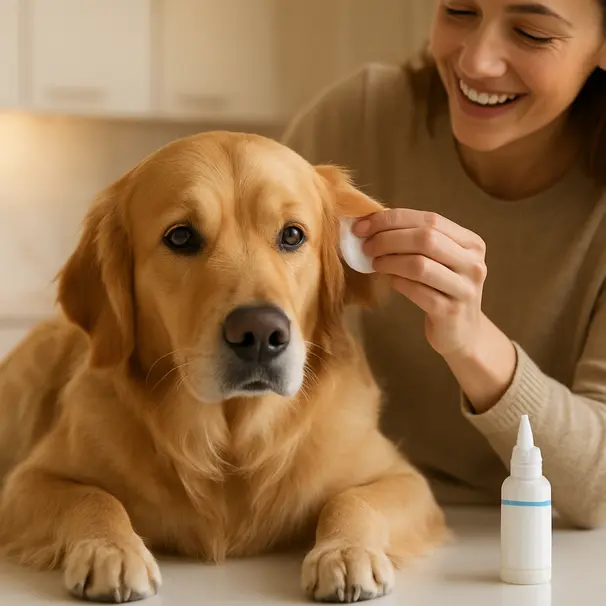
- Use a vet-recommended ear cleaner. A good product helps loosen wax and dries the ear without irritating sensitive skin. Consider asking your vet for a recommendation specific to your dog.
- Warm the cleaner in your hands for comfort. Hold the ear flap up and gently squeeze a little solution into the ear canal. You may hear a squishing sound.
- Massage the base of the ear for about 20 to 30 seconds to help loosen dirt and wax.
- Let your dog shake. This often helps eject loosened debris.
- Use a soft cotton pad or gauze to wipe away what comes out of the ear. Avoid cotton buds, and never insert anything deep into the ear canal.
- Reward your dog with praise or a treat, and keep the session calm and short.
If cleaning causes pain, bleeding, or intense discomfort, stop and contact your vet. And don’t persist with aggressive cleaning if the ear is clearly inflamed.
What to avoid
- Avoid using cotton swabs inside the ear canal. They can push debris deeper and cause damage.
- Don’t use alcohol, hydrogen peroxide, or essential oils unless a vet specifically tells you to. These can sting and aggravate inflamed skin.
- Avoid frequent, harsh cleaning that strips natural oils. Overcleaning can make ears drier and more irritated.
Treatment options your vet may suggest
Your vet may suggest one or more of the following, depending on the diagnosis:
- Topical drops for bacteria or yeast.
- Oral medications for severe infections or underlying causes.
- Ear flushing under sedation for stubborn debris.
- Treatment for ear mites or for allergic inflammation.
- Advice on diet changes or allergy testing if allergies are suspected.
Remember to follow the full course of treatment as advised. Even if the ear looks better, stopping early can let the infection return.
Preventing future ear problems
Prevention is usually a combination of regular care and attention to environment and breed needs.
- Check ears weekly, especially after swimming or long walks in tall grass.
- Keep floppy-eared and hairy-ear breeds groomed and dry. Consider trimming excess hair around the ear opening if your groomer or vet recommends it.
- Dry ears gently after baths or swims. Use a soft towel and, if your vet approves, a drying ear solution.
- Manage allergies with your vet’s help. Controlling allergy triggers may cut down on chronic ear inflammation.
- Use vet-recommended ear cleaners on a schedule that fits your dog. Some dogs benefit from monthly maintenance; others need less frequent care.
- Keep nails trimmed and discourage face/ear scratching that can create breaks in the skin.
A simple supplies checklist for carers and owners
- Vet-recommended ear cleaner.
- Soft cotton pads or gauze.
- Treats for positive reinforcement.
- Clean towels for drying after water exposure.
- Notebook or app for logging symptoms and treatments.
If you use a professional pet carer, share this checklist and any special instructions. Consistent care between home and carers can make a big difference.
Caring for chronic or recurring infections
If your dog seems to get infections repeatedly, you may be dealing with an underlying trigger. Your vet may suggest allergy testing, skin work-ups, or review of the diet. Sometimes a combination of medical treatment, regular cleaning, and environmental changes brings the best long-term improvement.
It can feel discouraging if infections keep coming back. Try to track patterns: does the problem flare after a certain season, after grooming, or after new foods? Little details often reveal the solution.
What pet carers should know
Carers play an important role in spotting and preventing ear issues:
- Perform quick ear checks at each visit and report anything unusual.
- Follow the owner’s care plan and cleaning routine exactly.
- Keep logs of any changes in behavior, head shaking, or discharge.
- Avoid doing deep cleaning or using home remedies unless the owner or vet has approved them.
- Communicate promptly if a problem seems painful or is not improving.
Good communication between owner and carer builds trust and better outcomes for the dog.
Final thoughts: small steps, big comforts
Ear infections are common, but they don’t have to become a chronic headache. Gentle checks, careful cleaning with vet-approved products, timely vet visits, and good communication with carers can make a real difference. Be patient, keep notes, and treat your dog with calm reassurance during care. A comfy bed, a favorite treat, and a soft voice go a long way toward helping a pup feel safe while you take care of their ears.
If you’re on Floofy and looking for a trusted pet carer to help with regular ear checks or to administer vet-approved treatments, look for carers who highlight medical experience, follow owner instructions, and communicate clearly. A little teamwork helps keep ears healthy and pups happy.
If in doubt, consider contacting your veterinarian. They can offer targeted advice and a treatment plan that may help your dog get back to playful, itchy-free days.