

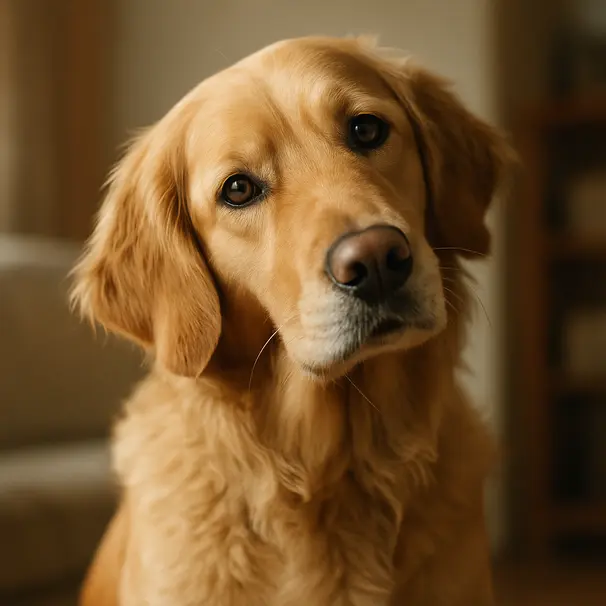
Why dog ears are pure joy
There is something utterly disarming about a soft, velvety ear between your fingers. Dog ears communicate feelings, annoyances, curiosity, and sometimes a mischievous plan. They also give you a tactile shortcut to calm a nervous pup. Learning to read and care for ears makes you a better friend to your dog and a more confident pet carer.
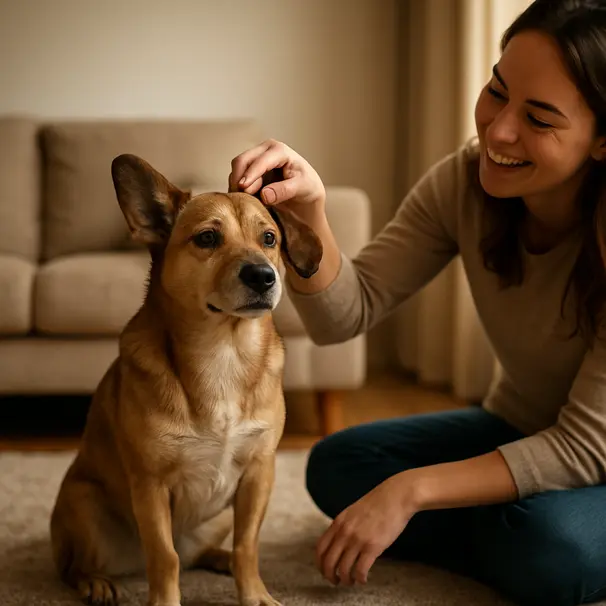
A calm ear check builds trust and comfort.
Quick ear basics every owner should know
Dog ears come in many styles. Some dogs have floppy ears that fold over, others have upright ears that act like radar dishes, and a few breeds have semi-erect or cropped ears. Inside the ear there is a sensitive canal and a flap called the pinna. The pinna helps capture sound and shows mood through position and movement. Healthy ears may smell neutral, look clean, and feel warm but not hot.
Common ear behaviors and what they may mean
- Swiveling and tilting: Dogs often turn their ears toward a sound. That little tilt can mean curiosity, attention, or trying to hear better.
- Patting and gentle rubbing: Many dogs love slow, rhythmic pats on the base of the ear. It can be soothing and help release tension.
- Scratching or head shaking: Occasional scratching is normal, but repeated scratching or vigorous head shaking may suggest discomfort. This could be simple irritation, trapped debris, an allergic response, or an ear infection. Consider checking and, if needed, consulting a vet for persistent issues.
- Drooping or holding the ear oddly: If an ear suddenly looks different, like it hangs down when it usually stands up, that could mean pain or muscle issue around the ear.
How to check your dog’s ears safely
Make ear checks part of your routine, just like brushing teeth or looking at paws. Regular checks help you spot early signs of trouble and make grooming sessions easier. Here’s a step-by-step approach that most dogs tolerate well.
Step-by-step ear check
- Choose a calm time and a quiet spot where your dog is comfortable.
- Stroke and soothe first to build trust. Offer a treat or two so the experience is positive.
- Look at the ear flap for redness, swelling, or scabs. Gently lift the flap and peek inside the ear canal. It should look pale pink and largely free of excessive wax or debris.
- Smell carefully. A strong, sour, or yeasty smell may suggest an issue. A faint, neutral smell is normal. If you detect a strong odor, consider asking a vet to take a look.
- Check for sensitivity. If your dog flinches, cries, or pulls away when you touch the ear, this could signal pain and warrants professional advice.
Cleaning ears: gentle, occasional, and targeted
Not every dog needs regular ear cleaning. Some dogs naturally keep their ears tidy. Others, especially breeds with floppy ears or those who love puddles, may benefit from more regular attention. The key is to be gentle and use products made for dogs. Avoid using cotton swabs deep in the ear canal. Swabs can push wax further in and may cause damage.
Safe cleaning steps to consider
- Ask your vet what type of cleaner is appropriate. A gentle, pH-balanced ear solution for dogs is commonly recommended.
- Apply a small amount of cleaner at the entrance to the ear canal, following the product instructions. Massage the base of the ear for a few seconds to help loosen debris.
- Let your dog shake their head. That helps bring loosened material outward.
- Wipe the outer ear and ear flap with a soft cotton pad or a soft cloth. Do not insert anything deep into the canal.
- Reward your dog after cleaning so they learn this is a pleasant routine.
Signs that mean it’s time to see a vet
Some ear problems can be managed at home, but others need a vet’s attention. Consider a consultation if you notice any of the following signs that are persistent, severe, or worsening.
- Repeated head shaking or vigorous ear scratching.
- Swelling, redness, or a painful response when touching the ear.
- Colored discharge or heavy wax buildup that cleaning doesn’t address.
- A strong, unpleasant odor coming from the ear.
- Sudden changes in hearing or balance, such as stumbling or circling.
Vets can examine the ear more thoroughly, take swabs for testing, and recommend treatments such as prescription ear drops if needed. If your dog seems uncomfortable or unwell, a prompt check-in can help them feel better faster.
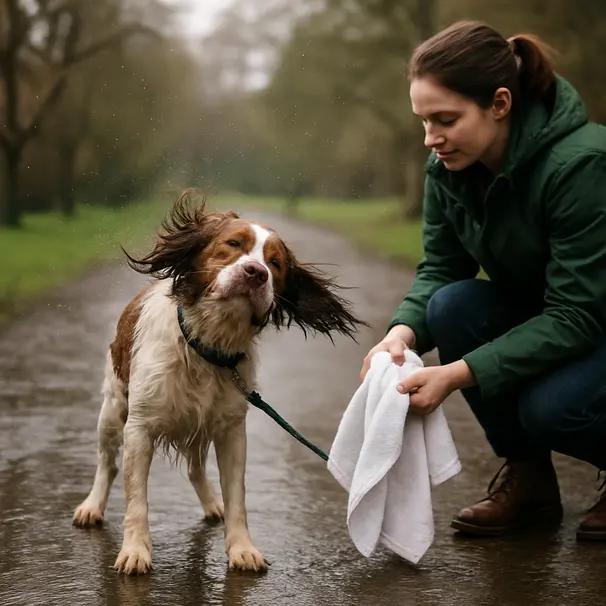
Drying and inspecting ears after a wet walk.
Grooming ears like a pro pet carer
Grooming around the ear area requires a steady hand and a calm approach. If you’re a pet carer or sitter, ask owners how their dog likes to be handled. Some dogs enjoy ear rubs, others prefer minimal touch. Keep sessions short, and break them into small rewards and pats.
Tips for trimming and de-furring
- For breeds that need hair trimmed around the ear, use blunt-nosed scissors or clippers made for dogs. Work slowly and keep fingers between the blade and the skin as a safety measure.
- If you see a lot of hair inside the ear canal and the dog is uncomfortable, ask a professional groomer or a vet to remove it. Some dogs tolerate plucking poorly, and it can cause pain.
- Keep nails tidy to avoid accidental scrapes during play or grooming.
Training your dog to love ear handling
Not all dogs naturally enjoy ear handling. With patience you can create a positive association. Start in short, calm sessions, pair handling with high-value treats, and gradually increase the time you spend touching ears. If your dog has a history of ear pain or sensitivity, build trust slowly and consult a trainer or behaviorist if needed.
Gradual desensitization routine
- Step 1: Touch near the ear for a second, then reward.
- Step 2: Lightly stroke the ear outer edge, reward generously.
- Step 3: Lift the ear flap gently and treat, repeating until the dog stays relaxed.
- Always stop before the dog shows signs of stress and try again later.
Fun ear-friendly activities and soothing tricks
Ears can be part of bonding time. Here are a few gentle activities that many dogs enjoy.
- Slow ear massage: Light, circular motions at the base of the ear can be soothing.
- Scent games: Hide small treats under a towel and encourage your dog to use its nose while you give gentle ear rubs after they find the treat.
- Calm cuddle sessions: Low lighting, soft petting, and quiet praise help create a relaxing environment for ear handling.
Breed notes and seasonal considerations
Certain breeds are more prone to ear issues. Dogs with long, floppy ears often have less air flow, which can trap moisture. Dogs with heavy hair around the ear canal may accumulate wax faster. In warmer months, moisture and heat can encourage yeast or bacterial growth. After baths, swimming, or rainy walks, gently dry the outer ear and consider a brief check for debris.
When you’re using a pet carer or sitter
If you hire someone to care for your dog, share ear care routines and any sensitivities. A trustworthy carer will ask about cleaning products, food allergies, recent ear problems, and how your dog likes to be handled. Leave a small list of steps to follow and emergency contact details for your vet. Clear communication helps protect your dog and eases the sitter’s job.
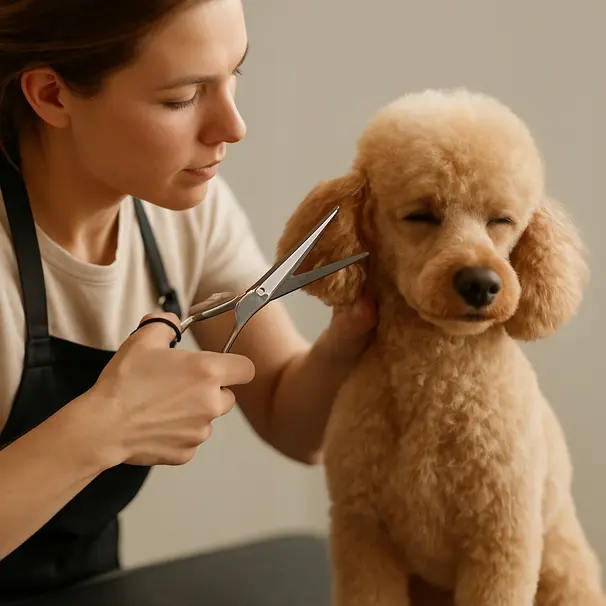
A gentle grooming session with careful ear attention.
Everyday ear health checklist
- Weekly glance inside the ear for color and debris.
- Clean only when recommended by your vet or if you spot visible buildup.
- Keep ears dry after water play by gently patting them with a towel.
- Watch for behavioral changes like increased scratching or head shaking.
- Keep grooming tools clean and use gentle products made for dogs.
Wrapping up with a soft pat
Dog ears are a small thing that gives a lot back. They help you understand your dog’s feelings, make grooming moments into bonding time, and can signal health changes quickly. Treat ear checks as a friendly ritual, reward your dog often, and call a vet if something seems off. With a little care and attention you and your dog can keep those glorious ears happy for many walks, snuggles, and ear rubs to come.
Quick FAQ for busy owners
- How often should I clean my dog’s ears? Consider cleaning only when there is visible wax or after vet recommendation. Overcleaning can irritate the ear.
- Can I use human ear drops? Avoid human products. Check with your vet before using any drops or solutions.
- My dog shakes their head after checking for debris. Is that normal? Dogs often shake to clear loose debris. If shaking is frequent, seek a vet opinion.