

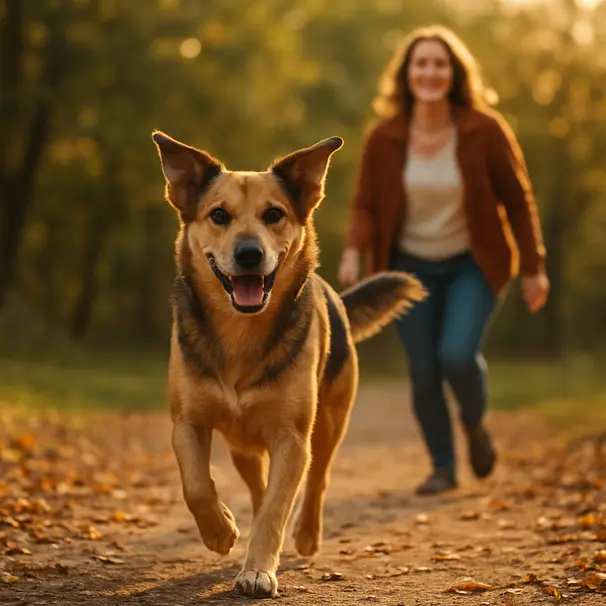
Dog exercise calculator: daily needs
Figuring out how much exercise your dog really needs can feel a bit like decoding a secret language. Is your border collie restless because it’s bored, or because it’s tired? Does a senior lab still need daily runs? This guide walks you through a practical, friendly exercise calculator you can use right away, plus real-life schedules and safety tips for every stage of life.
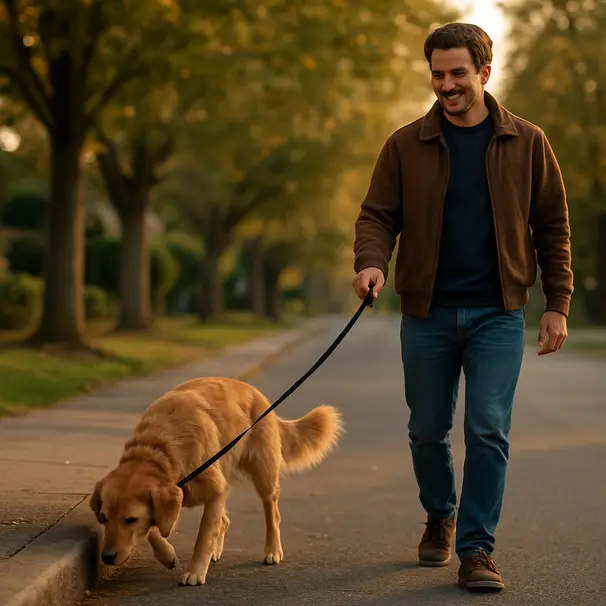
Why measuring exercise matters
Regular exercise helps dogs stay mentally sharp, physically fit, and emotionally balanced. Too little movement can lead to weight gain, destructive behaviour, or anxiety. Too much, or the wrong kind, can cause joint strain or exhaustion.
We’re not making medical claims here, but a simple routine tailored to your dog’s age, body, and temperament can help you spot when something’s off. If you notice persistent limping, listlessness, or abrupt changes in appetite or behaviour, consider checking with your vet.
The simple calculator: steps you can follow
This little calculator is a guideline, not a prescription. Use it to estimate daily active minutes and translate that into walks, play, and enrichment.
- Determine life stage
- Puppy (up to 12–18 months, depending on breed)
- Adult (mature, generally 1.5 to 6–7 years)
- Senior (age varies by breed, often 7+ for medium dogs)
- Assess size and weight
- Small (under 10 kg / 22 lbs)
- Medium (10–25 kg / 22–55 lbs)
- Large (25–40 kg / 55–88 lbs)
- Giant (40+ kg / 88+ lbs)
Rate natural energy level (low, moderate, high) Think about breed tendencies and individual personality. Retrievers and shepherds often have higher drives. Couch-loving hounds might be lower energy.
Apply the base minutes
- Base active minutes per day by life stage:
- Puppy: 5 minutes per month of age, up to several short sessions. (Example: 6-month-old = ~30 minutes of structured activity, plus play and training.)
- Adult: 30–90 minutes of active exercise, adjusted by size and energy.
- Senior: 20–60 minutes, split into gentle sessions and mental enrichment.
- Adjust for size and energy level
- Energy level multiplier:
- Low: multiply base by 0.8
- Moderate: multiply base by 1.0
- High: multiply base by 1.4
- Size adjustments (if needed):
- Small dogs may need more frequent short bursts; keep total minutes similar unless breed is particularly active.
- Giant breeds often need lower-impact activities to protect joints.
- Add mental exercise time
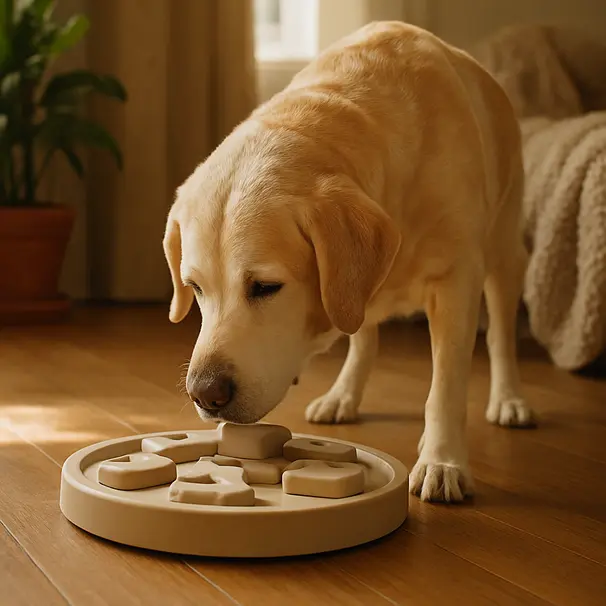
- Training, scent work, food puzzles and interactive toys: add 10–30 minutes of mental stimulation daily. Mental work can be as tiring as physical exercise.
Quick example calculations
- Small, adult, moderate energy (base 45 minutes): 45 × 1.0 = 45 minutes physical + 15 minutes mental = 60 minutes total.
- Large, adult, high energy (base 60 minutes): 60 × 1.4 = 84 minutes physical + 20 minutes mental = ~104 minutes total.
- Senior, large, low energy (base 30 minutes): 30 × 0.8 = 24 minutes physical + 15 minutes mental = ~39 minutes total.
These are estimates you can tweak for your dog’s individual needs.
Tailoring exercise for puppies, adults and seniors
Puppies
- Short, frequent sessions work best. Their bones and joints are still developing, so avoid long-distance running or repetitive high-impact activities.
- Focus on play, short walks, and basic training. Keep active sessions to many small bursts rather than one long workout.
Adult dogs
- This is the most flexible stage. Mix cardio (walks, runs, fetch), strength-building (hill walks, controlled tug), and mental work (training, scent games).
- High-energy breeds benefit from structured activities like agility, flyball, or advanced obedience.
Seniors
- Prioritize low-impact exercise like leash walks, gentle swimming, and short play sessions.
- Add more rest days and watch for stiffness after exercise. Gentle stretching and slow warm-ups can help.
- Consider more mental enrichment if joint issues limit physical activity.
Types of exercise and how they count
Not all minutes are equal. A brisk walk and a session of hide-and-seek both count, but they challenge different parts of your dog’s body and brain.
- Brisk walk or jog: moderate cardio, builds endurance.
- Running off-leash (safe area): high-intensity cardio, good for high-energy dogs.
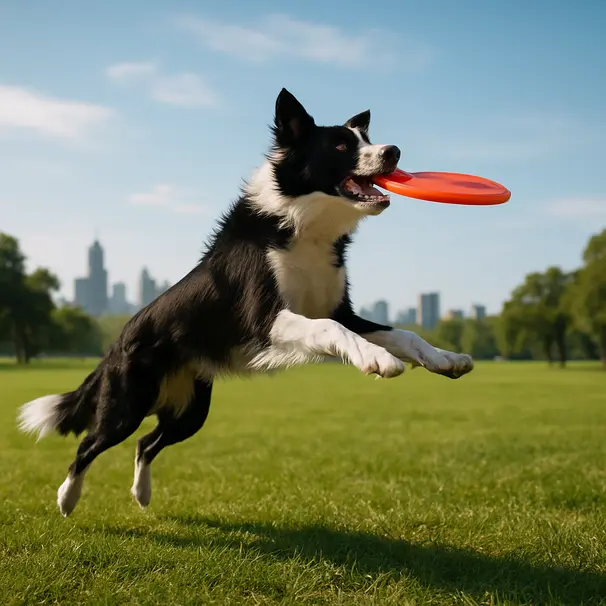
- Fetch: intense bursts, great for sprinting breeds.
- Tug: short bouts of strength-building, but avoid if your dog has jaw or neck issues.
- Swimming: low-impact full-body workout, excellent for seniors and injured dogs (with supervision).
- Scent work and training: mental exercise. Ten minutes of focused scent games can be very tiring.
Practical rule: aim for a mix of 60–70% physical, 30–40% mental work across a day. For example, if your calculator suggests 90 minutes total, that could be 60 minutes of walks and play, plus 30 minutes of training and brain games.
Sample daily schedules you can copy
Small, moderate-energy adult (total target ~60 minutes)
- Morning: 20-minute brisk walk
- Midday: 10 minutes of training and puzzles
- Evening: 25-minute off-leash play or park visit
- Bonus: scatter feeding or a sniff walk for 5–10 minutes
Large, high-energy adult (total target ~110 minutes)
- Morning: 30-minute jog or fast walk
- Mid-morning: 15 minutes of scent work or training
- Afternoon: 20 minutes of play (fetch or tug)
- Evening: 30–40 minute long walk, include hills
Senior dog with low mobility (total target ~40 minutes)
- Morning: 15-minute gentle stroll, slow pace
- Midday: 10 minutes of indoor scent games and puzzle feeder
- Evening: 15-minute short walk or gentle swimming session
Puppy 6 months (structured activity ~30 minutes)
- Multiple short sessions: 3–5 minutes training x 6 repeats throughout the day
- Short, supervised play sessions between naps
- Brief leash exposure walks that focus on manners and new smells
Safety and signs to watch for
A happy, healthy exercise routine includes downtime and recovery. Watch for these signs that you should slow down:
- Excessive panting or difficulty breathing during or after exercise
- Limping, stiffness the next day, or reluctance to move
- Sudden behavior changes—withdrawal, aggression, or lethargy
- Overexcitement that doesn’t settle after activity
If you notice these, consider shortening sessions, changing surface or intensity, and checking with your vet. For dogs with known health conditions, ask a vet before starting new high-impact routines.
Heat safety tips
- Avoid strenuous exercise during the hottest hours.
- Carry water and take breaks for shade.
- Be cautious with breeds prone to overheating, such as brachycephalic (flat-faced) dogs.
Joint safety tips
- Use soft surfaces when possible and avoid too much jumping for large or giant breeds.
- Gradually build up intensity for young or returning-to-exercise dogs.
Using the calculator with Floofy carers
If you’re booking a pet carer, share your dog’s calculator results and routine. A good carer will match your dog’s needs:
- Walk pace and duration
- On- and off-leash preferences
- Training cues and reward types
- Any health limitations or medications
Before first booking, consider a meet-and-greet so the carer can observe energy level and body language. Ask carers about their experience with breeds similar to yours and whether they can provide enrichment, not just walks.
Practical tips for busy owners
- Break activity into short sessions across the day. Three 20–30 minute sessions often beat one long walk.
- Combine mental challenges with physical work. A strength game, like walking while your dog carries a light backpack (consult a vet if unsure), or a brisk sniffing session, can be very effective.
- Rotate toys and puzzle feeders to keep things novel.
- Keep a log for a week: note durations and behavior afterward. You’ll spot patterns and know what’s working.
Case studies: quick examples you can relate to
Case 1: Luna, 4-year-old border collie
- High energy, adult, medium size. Calculator suggests about 120 minutes total. Luna gets a mix of runs, agility practice, and scent games. She’s calmer and sleeps better.
Case 2: Max, 9-year-old labrador retriever
- Senior with mild arthritis. Calculator suggests ~45 minutes gentle exercise. Max enjoys short swims and slow walks, plus puzzle feeders. His stiffness reduced with the slower routine.
Case 3: Pip, 5-month-old terrier mix
- Growing puppy. Short training sessions and lots of low-impact play scattered through the day. Avoid long runs until growth plates mature.
Final checklist before you customize
- Age: Puppy, adult, or senior?
- Size and joint considerations
- Breed tendencies and individual energy level
- Mix of physical and mental work
- Safety: heat, joints, and vet advice
- Consistency: keep a predictable routine to reduce stress
Wrap-up and next steps
Use this calculator as a starting point. Try a plan for two weeks and watch for changes in mood, weight, and behaviour. Tweak minutes, swap activities, and keep variety in the routine. If you’re ever unsure, a quick chat with your vet or a trusted Floofy carer can help tailor things more safely. A happy dog often equals a calmer home, and a little thoughtful exercise goes a long way toward that.
Want help turning this into a daily plan? Share your dog’s age, size, and energy, and a Floofy carer can create a tailored routine you can try together.