

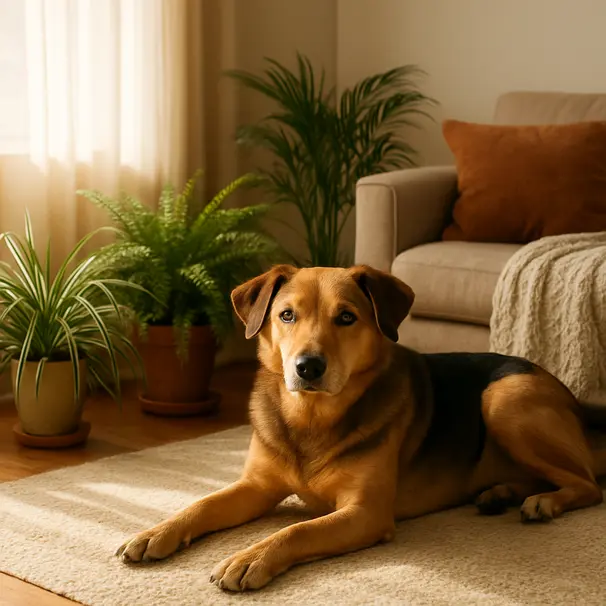
Bring the green home, and keep your dog safe
Plants breathe life into a home, they soften corners, freshen the air, and give curious noses something new to explore. If you share your space with a dog, a little extra planning goes a long way. This guide walks you through a wide range of dog-friendly plants, how to care for them, and realistic ways to keep both plants and pups happy.
I’ve been a plant lover and a dog parent for years. I’ve learned that dog-proofing doesn’t have to mean bland, empty shelves. With a few smart choices and tweaks, you can create a lush, pet-safe home that feels cozy and lived in.
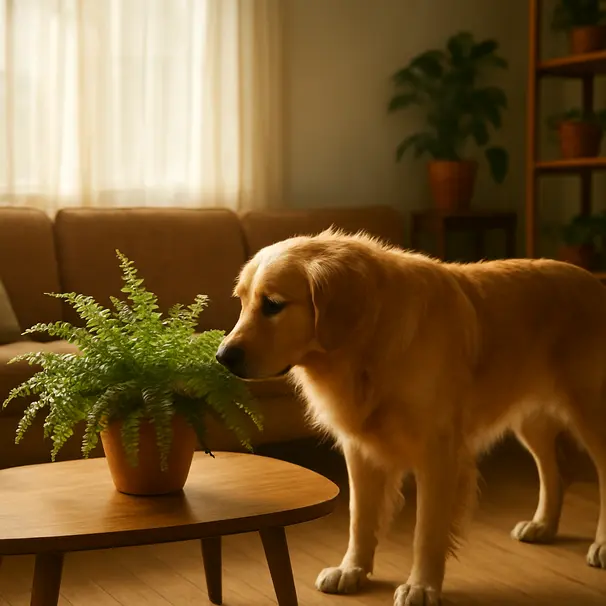
Why choose dog-friendly plants
Not all plants are equal when pets are around. Choosing non-toxic, sturdy species lowers the risk of upset tummies and accidental poisoning. Beyond safety, some of these plants are good at bouncing back if a curious snout gives them a nibble. Others are great for small spaces, low light, or for people who forget a watering schedule.
Think of plant selection as setting your home up for success. Pick varieties that match your time, light, and energy, then place them where a dog’s curiosity is less likely to cause trouble.
Top dog-friendly plants for different homes
Below are reliable, pet-safe plants grouped by typical home setups. For each one you’ll find a quick care note and a realistic tip for living with dogs.
Spider plant (Chlorophytum comosum)
- Care: Thrives in bright, indirect light and tolerates occasional forgetfulness. Water when the top inch of soil is dry.
- Dog note: Non-toxic and forgiving of light nibbling. Plant in a hanging basket or on a high shelf to keep curious paws at bay.
Boston fern (Nephrolepis exaltata)
- Care: Likes consistent moisture and humidity, plus bright indirect light. Mist regularly or place near a humidifier.
- Dog note: Soft, arching fronds tolerate a gentle nose investigation. Keep pots secure to avoid spills if your dog is boisterous.
Areca palm (Dypsis lutescens)
- Care: Prefers bright, indirect light and regular watering. It can grow tall, so give it some space.
- Dog note: Non-toxic and creates a tropical feel. Place behind furniture or in corners where dogs can’t knock it over.
Parlor palm (Chamaedorea elegans)
- Care: Thrives in lower light and is slow growing, so it’s great indoors with minimal fuss.
- Dog note: Sturdy and pet-safe, good for apartments and gentle dogs.
Rosemary (Rosmarinus officinalis)
- Care: Loves bright light and well-draining soil. Let it dry slightly between waterings.
- Dog note: Aromatic and dog-safe in plant form. Keep small pots on a stable table to prevent tipping.
Basil (Ocimum basilicum)
- Care: Needs bright light and regular watering. Pinch back flowers to keep leaves productive.
- Dog note: Safe in small amounts, and you’ll enjoy fresh snips for cooking. Keep an eye on enthusiastic pullers.
Parsley (Petroselinum crispum)
- Care: Likes sun to part sun and even moisture. A cheerful windowsill herb.
- Dog note: Flat-leaf parsley is generally safe. Fresh herbs can be tempting treats, so supervise nibbling.
Peperomia (Peperomia obtusifolia and relatives)
- Care: Small, low-water plants that prefer bright, indirect light. Great for desks and shelves.
- Dog note: Compact and non-toxic, they’re ideal for homes where space is limited.
African violet (Saintpaulia)
- Care: Prefers bright, indirect light and even moisture. Flowers reward a little attention.
- Dog note: Non-toxic and small, perfect on a table out of the way of tails.
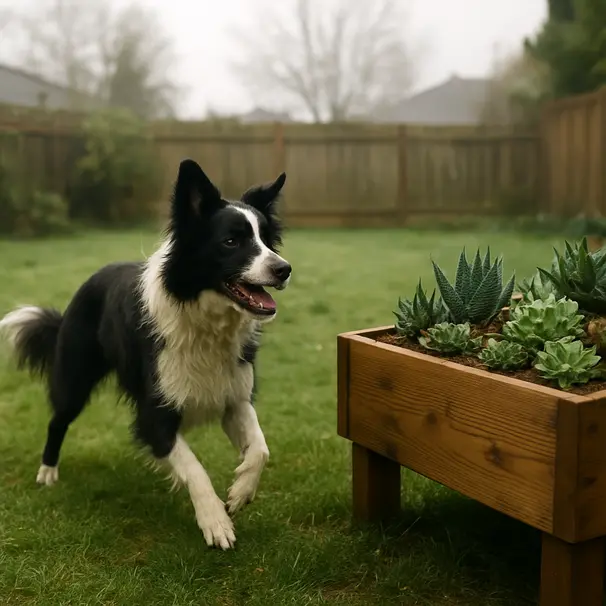
Haworthia and other pet-safe succulents
- Care: Bright light and sparse watering. Excellent for busy households or beginners.
- Dog note: Compact, slow-growing, and generally safe. Use sturdy pots so a bump won’t send them flying.
Calathea (Calathea spp.)
- Care: Loves humidity and indirect light, with interesting patterned leaves that fold up at night.
- Dog note: Non-toxic and visually striking. Keep away from chewing puppies until they learn to leave plants alone.
Phalaenopsis orchid
- Care: Bright, indirect light and careful, infrequent watering. Blooming can last for weeks.
- Dog note: Non-toxic and elegant, orchids make a calm focal point rather than a chew toy.
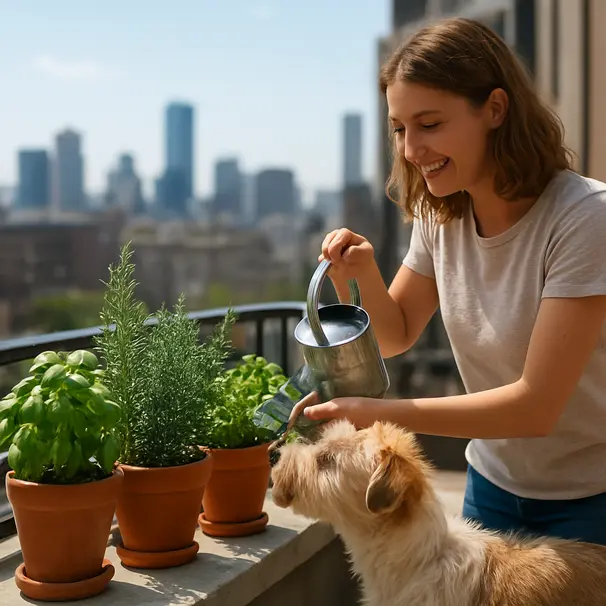
Placement, pet-proofing, and training tips that actually work
Plant choice is step one. Placement and a few behavioral nudges make the rest feel effortless.
- Think vertical. Hanging baskets and wall-mounted planters keep ground-level curiosity in check, especially for large dogs and puppies.
- Create barriers. Use plant stands with narrow bases or place plants on a console table behind a couch. A low gate can protect an entire plant corner.
- Anchor pots. Heavy, wide-based pots resist tipping. If a plant must sit on the floor, place it in a low tray or sand-weighted container.
- Offer alternatives. If your dog loves digging or chewing leaves, give them a designated sniff-and-chew station with safe items like a pot of rosemary, a chew toy, or a fresh herb clip.
- Reward respectful behavior. When your dog approaches a plant calmly, reward them with a treat or praise. Over time they’ll learn sniffing equals good things, as long as they keep their teeth to themselves.
- Supervise training sessions. Short reward-based sessions help curious pups learn limits faster. If a dog repeatedly targets plants, redirect to an acceptable toy and reward immediately.
Keep cleaning in mind. Fallen leaves and damp soil can attract bugs. Sweep or vacuum around plant areas, and check soil regularly for mold or pests.
Simple daily and weekly plant care routines
A predictable routine helps you and your plants. Here’s a no-frills approach:
- Daily: Quick check for drooping leaves, chewed tips, or new messes. Wipe dusty leaves to help them photosynthesize.
- Twice a week: Watering depends on plant type. Herbs and ferns often need more regular checking, succulents less so.
- Weekly: Rotate potted plants a quarter turn so they grow evenly, and prune dead leaves. Inspect for pests like tiny aphids.
- Monthly: Consider a light feeding with a balanced houseplant fertilizer during the growing season.
Keeping a sticky note or a phone reminder for water days helps a lot. If you have a carer looking after plants while you’re away, leave a quick care guide with essential dos and don’ts.
Designing a pet-safe plant corner
If you want a single spot that’s both beautiful and dog-friendly, try this low-fuss setup:
- Pick a corner with indirect sunlight. Many dog-safe plants prefer this lighting.
- Use varying heights. A tall parlor palm, a medium spider plant, and a low planter of succulents create depth and reduce temptation.
- Secure containers. Use heavy pots, non-slip mats, or anchor systems for shelves.
- Add sensory soil covers. Smooth river rocks on top of soil discourage digging and add a clean look.
- Keep chews on hand. Place a favorite toy or lick mat near the corner to gently divert attention.
- Label each plant. If you hire a pet carer through Floofy, simple labels with care notes make plant-sitting easier and safer.
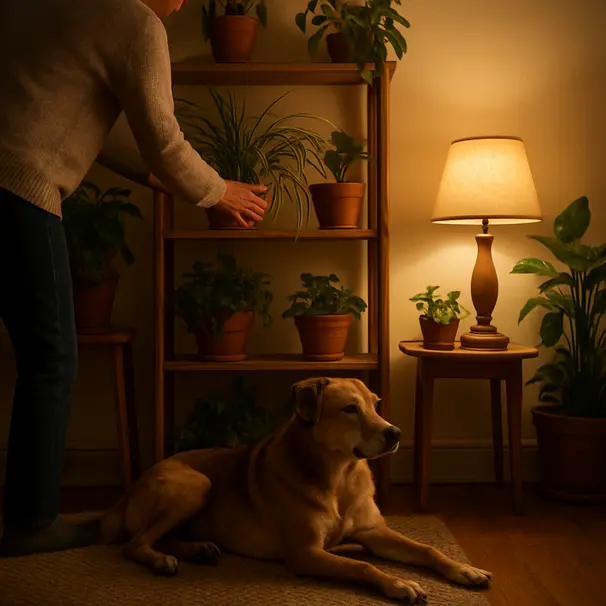
Plants to avoid and safer alternatives
Some common houseplants can cause serious problems if ingested. If you love a look but it’s toxic, consider a safe alternative:
- Avoid: Lilies, philodendrons, pothos, dieffenbachia, oleander. These can cause irritation or worse.
- Try instead: Spider plant, peperomia, calathea, and parlor palm. They provide lush foliage without the same risks.
If you suspect your dog has eaten a toxic plant, contact your vet or an emergency animal clinic right away. Keep a list of common toxic plants by the phone or in your home-care folder for carers.
Preparing for visitors and pet carers
When someone comes to care for your dog or plants, a little prep makes both tasks smoother:
- Leave clear notes. A short list with watering frequency, light needs, and any delicate plants helps prevent mistakes.
- Point out “no-go” zones. If a few plants are especially precious, make them obvious and give the carer permission to move them temporarily.
- Show hazards. Let carers know about any plant pots that are heavy to lift, or plants that need special attention.
- Add emergency contacts. Your vet, a nearby pet emergency clinic, and a plant-care-savvy friend are good to include.
A quick walkthrough the first time builds trust. Many Floofy carers are happy to learn a bit about your plants and will follow your routine closely.
Final thoughts from a fellow plant-and-pup lover
Plants and dogs can absolutely coexist, and often they make each other better company. With a few thoughtful swaps, secure placements, and a little training, you’ll have a home that feels alive and safe. Start with a couple of easy, dog-friendly species, watch how your dog reacts, and expand your indoor garden slowly.
If you ever feel unsure about a plant or notice worrying behavior, consult your vet for tailored advice. And if you need hands-on help, consider booking a trusted Floofy carer who understands pets and plants, to water, check, and keep both your pup and plants in tip-top shape.
Happy planting, happy tails.