

Why take your dog to a pub
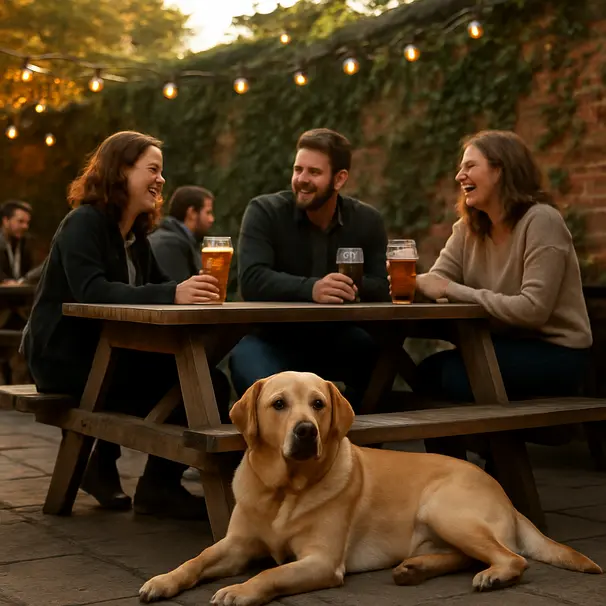
There’s something quietly joyful about sharing a pint (or a soft drink) with your dog at your side. Pubs can be great places for gentle socialising, low-key exercise between walks, and simply spending time together in a relaxed atmosphere. For many dogs, a short trip to a pub provides new smells, calm human company, and the chance to sit beneath a table while you catch up with friends.
That said, not every pub is suitable for every dog. So the aim of this guide is to help you find the right venues, prepare for a smooth visit, and leave both you and your dog happier than when you arrived.
How to spot a genuinely dog-friendly pub
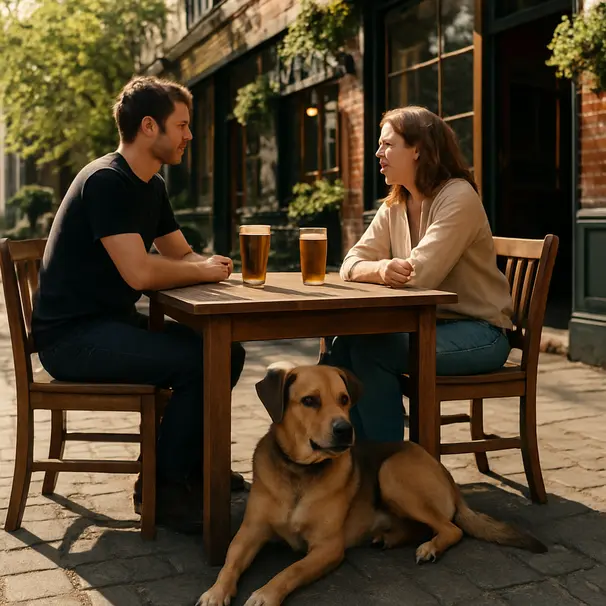
Some signs a pub welcomes dogs:
- A clear welcome notice on the door or website, often with a dog symbol.
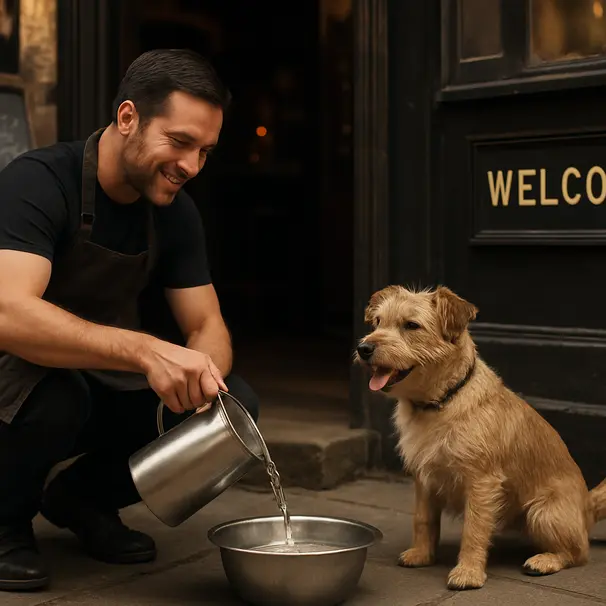
- Water bowls and dog treats visible near the entrance or bar.
- A bar area, terrace, or beer garden where dogs are commonly allowed.
- Staff who smile when a well-behaved dog enters.
Practical ways to check first:
- Call ahead. A quick phone call saves awkward moments and helps you check peak times.
- Look at recent reviews and photos on Floofy, Google, or social pages. Current guest photos often show where dogs are allowed.
- Ask about seating arrangements. Some pubs welcome dogs in the bar but not in the dining room.
Choosing the right type of pub for your dog
Not all dog-friendly venues feel the same. Think about your dog’s personality and energy.
- For nervous dogs: Choose a quiet village inn or off-peak weekday visit. A small local is less likely to be crowded.
- For highly social dogs: Seek out pubs with enclosed beer gardens where other dogs may be present and where your dog can safely say hello if both parties are comfortable.
- For active dogs: Pubs near long walks, canals, or coastal paths make a great stop-off. Your dog can get exercise, then relax while you rest.
- For older or mobility-limited pets: Look for pubs with step-free access and covered seating so your dog can lie down comfortably.
Practical pub etiquette every dog owner should know
A smooth pub visit is about consideration. These are simple habits that make life easier for everyone.
- Keep your dog on a short lead unless you’re in an enclosed area and the pub explicitly allows off-lead play.
- Bring a mat or blanket so your dog can have a designated spot instead of sprawling across foot traffic.
- Avoid feeding your dog from the table. Pub food often contains unsafe ingredients like onion, garlic, rich gravies, or bones.
- Clean up quickly and fully if your dog has an accident. Carry waste bags even when outside.
- Watch body language. If your dog looks stressed, give them space and consider heading home early.
How to behave around other guests and dogs
- Ask before allowing your dog to approach strangers or other dogs.
- Keep greetings short and controlled; celebrate calm behaviour with low-key praise.
- If your dog is reactive, bring a head halter or gentle leader to help guide them and consider a quieter corner.
What to pack for a pub trip with your dog
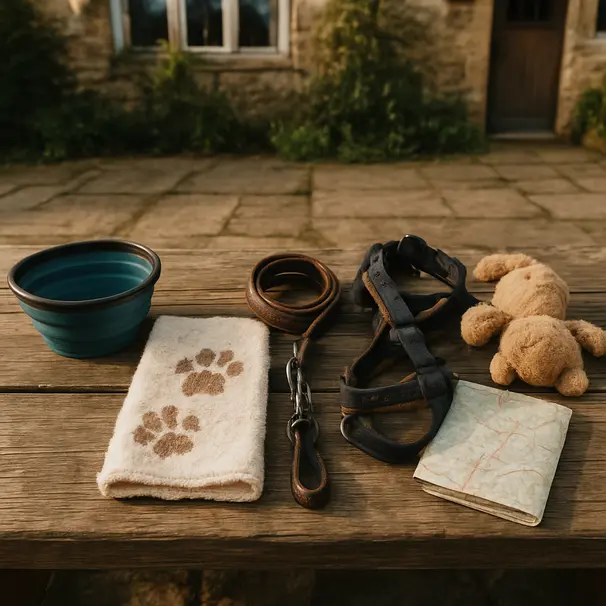
A simple kit makes outings less stressful:
- Collapsible water bowl and a bottle of water.
- Waste bags and a small towel for muddy paws.
- A favourite low-value chew or toy to keep them settled beneath the table.
- A lightweight mat or blanket for comfort.
- A spare leash or harness, and ID tag details updated on a microchip database.
- Treats for good manners and distraction.
Also consider whether your dog may need medication or a calming aid. If your dog has anxiety in busy places, you may want to consult your vet about options to help them stay comfortable.
Safety and health considerations
Pubs are social environments with a few hazards. Keep an eye on these common issues:
- Hot plates and spilled drinks. Keep your dog away from food service areas.
- Food-sharing hazards. Human snacks can be toxic to dogs, so don’t let them scavenge under tables.
- Crowd stress. Loud music or busy times may make some dogs anxious. If your dog tenses, it’s time to move.
- Weather. If you plan to sit outside, provide shade and fresh water on warm days; sheltered spots are better when it’s rainy or cold.
If your dog has health needs or allergies, consider checking the menu and speak to staff about safe options. Always consider contacting a vet if an unusual reaction occurs.
Finding dog-friendly pubs across the UK
You’ve got a few great ways to discover spots near you:
- Floofy listings and reviews. Our community often shares up-to-date tips and photos from recent visits.
- Local dog-walking groups on social media. These groups usually know which pubs are best for dogs in a particular area.
- Dedicated dog-friendly directories. Several websites and apps let you filter by features like garden, enclosed area, or accessible entry.
- Word of mouth. Ask your local dog walker or pet carer — many have perfect recommendations for their walking routes.
When you find a promising place, check opening times and whether they accept bookings. Some popular beer gardens fill up quickly on sunny weekends.
Sample pub outings by region (what to expect)
- Seaside beer gardens: Expect sand, salty air, and happy dogs. These spots are lovely after a coastal walk but can be windy and busy in summer.
- Countryside inns: Often sit on circular walking routes and welcome muddy paws. Bring a towel and ask for a quiet corner.
- Canal-side pubs: Great for relaxed waterside walks before settling down. Be mindful of towpath traffic and narrow spaces.
- City centre bars: Many city pubs allow dogs in the bar area but not the main dining room. They’re perfect for after-work pit stops.
Remember to confirm local rules. A pub’s policy can change with seasons, new management, or local regulations.
Making it a social occasion without stress
A pub visit should be enjoyable for you and relaxing for your dog. Try these tips:
- Short and sweet: For first visits, keep it brief. A 30–45 minute trial shows how your dog copes.
- Timing: Avoid peak times for your dog’s first visit. Mid-afternoon or early evening on quieter days tends to work best.
- Meet-ups: If you’re arranging to meet friends who have dogs, agree on basic rules beforehand about greetings and space.
- Rewards: Reward calm behaviour with treats and praise, not big celebrations that might excite other dogs.
What to do if things go wrong
Even with preparation, you may need to leave early sometimes. That’s okay. A calm and efficient exit is kinder than forcing a stressed dog to stay.
If your dog gets into a scuffle, separate them calmly, check for injuries, and exchange contact information with the other owner. If a dog shows signs of serious injury, seek veterinary help right away.
How carers and sitters can help
If you’re a pet carer or sitter accompanying a client’s dog, communication is key. Confirm the owner’s instructions regarding recall, food, and interactions with strangers. Keep photos updated in Floofy messages and let owners know how their dog settled in the pub setting.
If you regularly take dogs to pubs as part of your job, build a list of favourite venues and share these with owners. Many will appreciate a trusted local recommendation that suits their dog’s temperament.
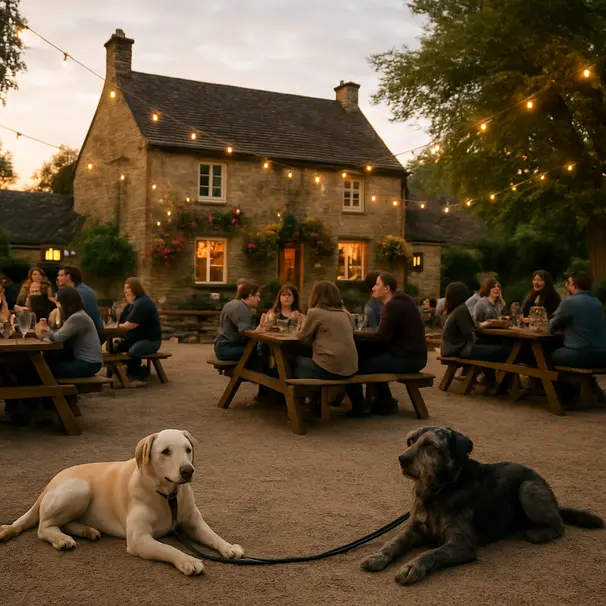
A short checklist before you go
- Call ahead or check the pub’s social pages for dog policy.
- Bring water, a bowl, and waste bags.
- Pack a mat or blanket and a favourite toy.
- Plan an exit strategy if the pub gets too noisy.
- Keep ID and contact details current.
Final thoughts
Dog-friendly pubs are wonderful places to bond and socialise, but they work best when owners and carers plan thoughtfully. With a little preparation, courteous behaviour, and the right pub choice, you can enjoy many relaxed afternoons and evenings together. Use local knowledge, read recent reviews, and don’t be afraid to try a short visit before settling in for a long session. Cheers to many happy pub outings with your four-legged friend.