

Dog fungal infections: causes & cures
Fungal infections in dogs are common, often uncomfortable, and sometimes confusing for pet owners and carers. You might notice a hotspot that won’t heal, a smelly ear, or dull, flaky patches of skin. This article walks through the most common types, what tends to cause them, how they may be diagnosed, and practical steps you can consider to help your pup feel better. It also covers prevention and how carers can support an owner during treatment.

How fungi differ from bacteria and parasites
Fungi are a different kind of organism than bacteria or parasites. They can live on your dog’s skin as harmless residents, but under the right conditions they may overgrow and cause problems. Two types are most important for dog owners: yeast infections and dermatophyte infections, often called ringworm. Yeast naturally lives in warm, moist areas like skin folds and ears, while dermatophytes live in the environment and on infected animals.
Common types of fungal infections in dogs
Yeast infections (Malassezia and others)
Yeast infections can cause red, greasy, itchy patches, a rancid smell, and thickened skin. They commonly show up in skin folds, paws, and inside ears. Dogs with allergies, excess moisture, or immune issues may be more prone.
Ringworm (dermatophytes)
Despite its name, ringworm is a fungal infection, not a worm. It often shows as round, hairless patches with scaly skin. Ringworm can spread to other animals and humans, so caution is important if you suspect it.
Less common fungal infections
There are deeper or systemic fungal infections that can affect internal organs. These are rarer and often affect dogs with weakened immune systems or those exposed to large loads of environmental fungi. If a dog seems generally unwell, a vet consultation is important.
What causes fungal infections in dogs?
Fungal overgrowth usually follows a change in the skin environment, not just one single cause. Common triggers include:
- Moisture and warmth: Damp fur, frequent swimming, or persistent humidity can make skin more hospitable to fungi.
- Allergies: Dogs with food or environmental allergies may have inflamed skin that fungi can exploit.
- Skin injuries: Scratches, insect bites, or irritated skin can allow fungi to enter or overgrow.
- Underlying illness: Hormonal issues, immune suppression, or chronic diseases can raise risk.
- Antibiotic use: Long or repeated courses of antibiotics may upset natural microbial balance and let fungi flourish.
- Contact with infected animals or contaminated bedding and soil, especially for ringworm.
Signs to watch for
Every dog is different, but common signs include:
- Itchy, red or greasy skin
- A musty or sour smell from the coat
- Scaly, flaky patches or crusts
- Hair loss, often in circular patches
- Thickened, darkened skin in chronic cases
- Frequent ear infections, head shaking or scratching at ears
- Licking or chewing at paws
If you notice sudden changes, persistent symptoms, or signs spreading to other pets or family members, consider a vet visit.
How fungal infections may be diagnosed
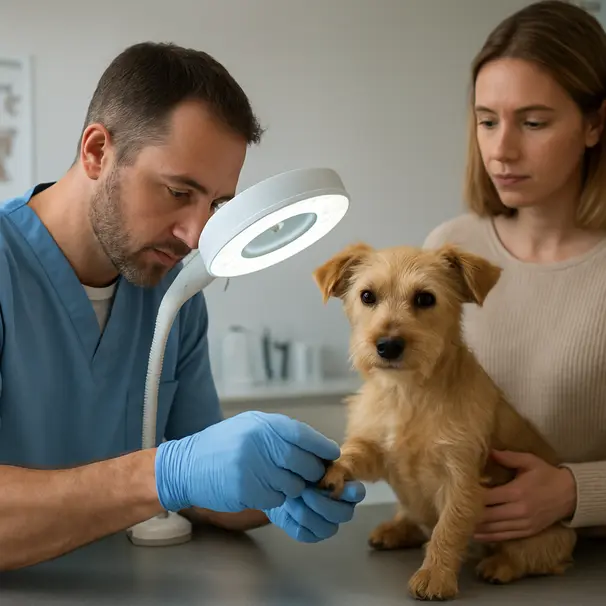
A vet will usually start with a physical exam and a history. They may consider these tests:
- Skin scrapings or tape preparations examined under a microscope, which can show yeast or fungal elements
- Wood’s lamp: a special light that makes some ringworm strains fluoresce, although not all do
- Fungal culture: samples taken to see what grows, useful for identifying the exact organism
- Cytology: pressing a slide to the skin or ear to look for organisms and inflammatory cells
- Skin biopsy or blood tests in complicated or deep infections
A clear diagnosis helps choose the safest and most effective treatment.
Treatment options you may see
It’s important to avoid self-medicating your dog with over-the-counter products meant for humans. That can make things worse. Typical approaches a vet may recommend include:
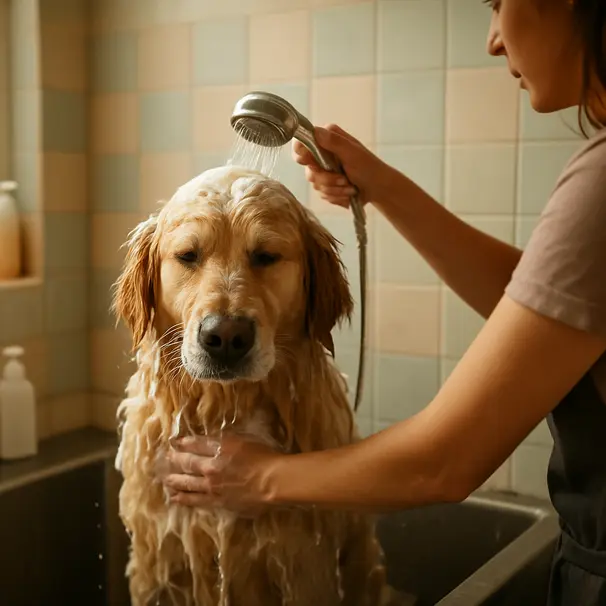
- Topical treatments: Medicated shampoos, sprays, or creams can help control surface fungi, and can be a mainstay for skin or localized infections. Baths may be recommended once or twice weekly depending on the product.
- Antifungal medications: Oral antifungals may be prescribed for more extensive or stubborn infections. These can take several weeks to months, and vets usually monitor bloodwork during treatment.
- Ear treatments: Special ear drops or flushes that include antifungal agents can clear yeast overgrowth inside the ear canal.
- Environmental cleaning: For ringworm especially, washing bedding, toys, and vacuuming may be part of the plan.
Throughout treatment, check-ins with your vet can help ensure the chosen approach is working and that the dog isn’t having side effects.
Practical home care and comfort
You can do several things at home to support recovery and make your dog more comfortable:
- Keep affected areas clean and dry. Moisture feeds fungi, so dry skin folds and paws after baths and walks.
- Use vet-approved medicated shampoos and follow application instructions closely.
- Prevent licking and scratching with an Elizabethan collar or supervised breaks to avoid spreading the infection.
- Wash bedding and soft toys in hot water and dry thoroughly. Consider sealing dirty items in plastic for a short period if needed.
- Limit playdates with unfamiliar dogs until a vet confirms the infection is not contagious.
Small comforts such as extra cuddles, gentle brushing, and quiet time can reduce stress as the dog recovers.
Prevention strategies
Preventing fungal infections is about reducing risk factors and spotting signs early. Consider these tips:
- Dry your dog after swimming or baths, especially in skin folds and between toes.
- Maintain a regular grooming routine to keep skin and coat healthy.
- Check ears regularly for odor or redness and clean with a vet-recommended solution if needed.
- Address allergies and flea control promptly, since these can increase fungal risk.
- Keep communal areas clean. Wash bedding and vacuum regularly, especially in humid climates.
- If you board or use pet carers, ask about their cleaning and hygiene routines before leaving your dog.
Routine care can help prevent small issues from becoming stubborn infections.
Special considerations for carers and walkers
If you’re a pet carer on Floofy or care for multiple dogs, there are extra precautions to consider:
- Isolate any dog with a suspected contagious fungal infection, like ringworm, until a vet clears them.
- Wear gloves when treating or cleaning up after an infected dog, and wash hands thoroughly afterward.
- Clean grooming tools between dogs. Disinfect surfaces, crates, and bedding between clients.
- Communicate openly with the owner about treatment plans, progress, and when a vet visit is recommended.
- Encourage owners to let you know about recent antibiotics or immune-suppressing treatments their dog has had.
Good hygiene protects both other dogs in your care and the humans who handle them.
When to call the vet
Consider contacting a vet right away if:
- The dog seems generally unwell, lethargic, or has a fever
- The infection is spreading quickly or not responding to treatment
- Multiple pets or family members show similar skin issues
- You see deep, draining lesions or signs of painful inflammation
- The dog has underlying health problems or is on immune-suppressing drugs
A prompt vet visit may prevent complications and help tailor treatment safely.

Long-term outlook and follow-up
With attentive care and appropriate treatment, many superficial fungal infections resolve well. Chronic or recurrent skin problems may need a deeper look into allergies, endocrinopathies, or other underlying causes. Follow your vet’s recommended follow-up schedule. They may advise repeating cultures or cytology to confirm the infection is gone before stopping medication.
Regular check-ins and consistent home care can make a big difference in preventing relapses.
Quick checklist for owners and carers
- Look for itchiness, smell, hair loss, and flaky patches
- Keep affected areas clean and dry
- Use vet-recommended topical products and follow dosing carefully
- Talk to a vet before starting oral antifungals
- Wash bedding and disinfect shared spaces
- Communicate clearly between owner and carer about treatment and progress
Final thoughts
Fungal infections can be frustrating, but you don’t have to tackle them alone. With the right diagnosis, practical home care, and a clear plan from your vet, many dogs recover fully. If you’re a pet carer, good hygiene and transparent communication with owners will help keep everyone safer. If you’re worried, consider reaching out to your vet earlier rather than later. A quick check can keep your dog comfy and help prevent spread to other pets or people.
If you’d like a printable version of the checklist or guidance for carers on cleaning protocols, your Floofy carer can help coordinate that with the owner and the vet.