

Dog grooming at home made easy
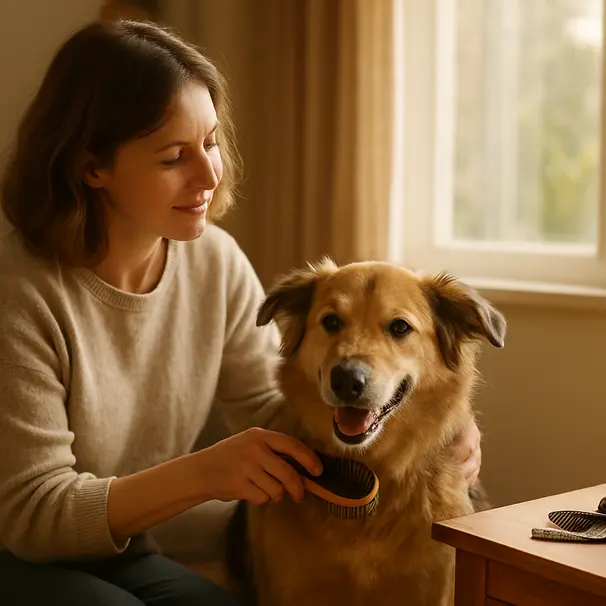
Grooming your dog at home can feel like a big task, especially if you picture slippery tubs and frantic tail-wagging. It doesn’t have to be that way. With the right approach, a few simple tools, and a calm attitude, grooming can become a bonding ritual that helps your dog look, feel, and smell better.
Why grooming matters
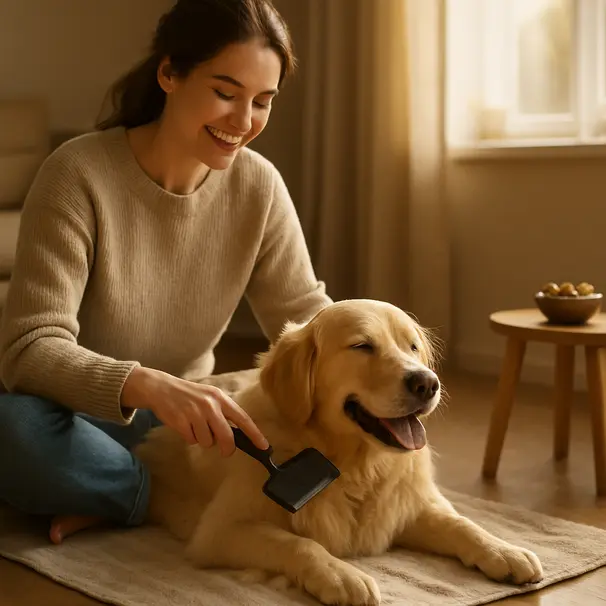
Grooming is about more than looks. Regular brushing, bathing, nail care and basic coat trims can help catch skin changes, keep fur tangle-free, and reduce the amount of hair that ends up on your sofa. For carers, grooming also helps build trust and gives you a chance to check paws, ears and teeth up close. If you notice anything unusual, consider talking to your vet.
The benefits in short
- Health check opportunities: spot lumps, bumps and irritation early.
- Comfort: remove matting and excess fur so your dog can move and rest easily.
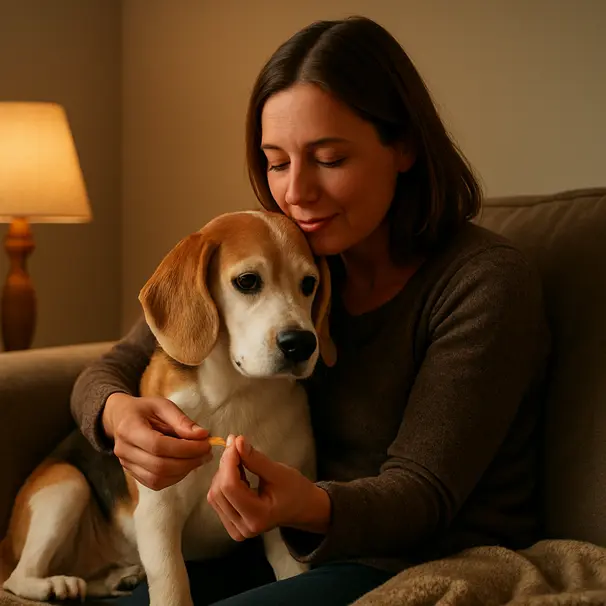
- Bonding time: grooming can be a relaxed way to show care.
- Less mess: regular upkeep reduces shedding around the house.
Preparing for a calm grooming session
A little prep goes a long way. Start by choosing a quiet time when your dog is relaxed, such as after a walk or play session. Have all your tools within reach so you don’t need to leave the dog alone mid-groom. If your dog is new to grooming, keep the first few sessions short and positive.
Create a grooming area
- Pick a spot that’s non-slip and easy to clean.
- Use a towel or mat to define the space and collect loose fur.
- If the dog is small, a table at waist height can help prevent back strain. For larger dogs, a bathroom or laundry room works well.
Safety first
- Keep nails, clippers and scissors away when the dog is unsupervised.
- Consider a harness or leash for larger dogs to prevent sudden jumps.
- Use grooming treats to reward calm behavior and build positive associations.
Essential grooming tools
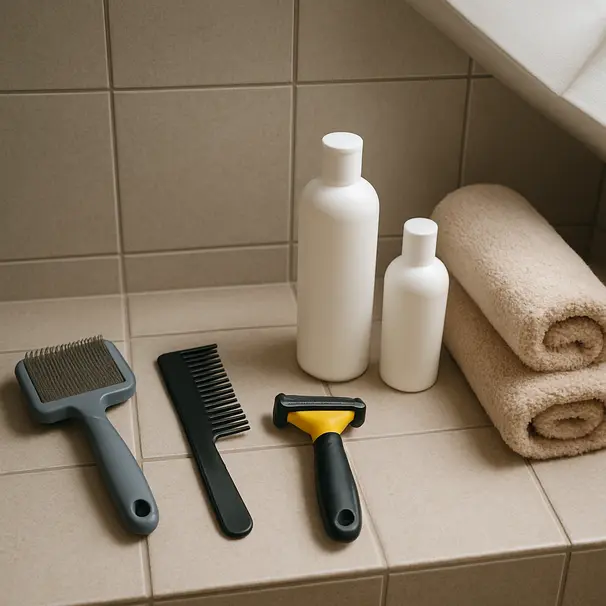
You don’t need a whole salon kit to start. A few quality tools will cover most breeds and coat types.
- Slicker brush: great for removing tangles and loose undercoat.
- Comb: helps find and remove small mats, and checks skin condition.
- Deshedding tool: useful for heavy shedders during seasonal changes.
- Dog-friendly shampoo and conditioner: choose gentle formulas that match skin needs. Consider tear-free or hypoallergenic options if your dog has sensitive skin.
- Nail clippers or a grinder: grinders can be gentler but take practice.
- Ear cleaner and cotton pads: for routine ear checks and gentle cleaning.
- Towels and non-slip mat: for bath time and drying.
Tip: Test new products on a small area of skin and watch for irritation. If your dog has a skin condition, consider consulting a vet before trying new shampoos or treatments.
A step-by-step grooming routine
Follow a predictable order to keep things smooth. You can adjust timing based on your dog’s tolerance.
1. Start with brushing
Begin by brushing in a calm place. Long-haired dogs may need more time; short-haired dogs often need a quick sweep to remove loose fur. Work gently through tangles from the tips to the roots, using your fingers to hold the fur close to the skin when you reach a mat. Mats near sensitive areas like ears and armpits may need extra patience.
2. Check ears and eyes
Look for redness, smell, or unusual discharge. Use a vet-approved ear cleaner on a cotton pad and wipe only the visible outer part of the ear. Never insert anything deep into the ear canal. For tear stains or crusty eyes, a damp cotton pad can help clean the area gently.
3. Bathing basics
Only bathe your dog when needed. Over-bathing can strip natural oils and dry the skin. Use lukewarm water and wet thoroughly, avoiding a sudden rush of water to the head if your dog dislikes that. Apply shampoo sparingly and massage gently, then rinse completely. A conditioner may help coat manageability, especially for long-haired dogs. Dry with towels first, then let them air dry or use a low-heat dryer if your dog tolerates it.
4. Nail care
Check the nails and trim only a small bit at a time. If your dog has light-colored nails, you can usually see the quick. For dark nails, trim conservatively and stop if you see a small dark dot in the center. A grinder can round edges and is less likely to cut into the quick, but it can be noisy. Offer treats and calm praise throughout.
5. Coat trims and tidy-ups
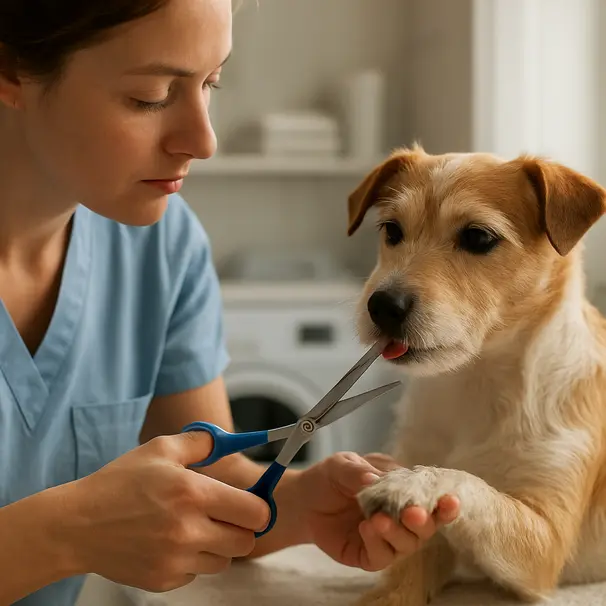
For a simple tidy, trim hair around the paws, sanitary areas and between paw pads. Use blunt-ended scissors for safety. If your dog needs a full haircut, consider learning basic clipping skills from a pro carer or start with mild trims and build confidence. If you’re unsure about major cuts, it’s fine to seek professional help.
Managing anxious or squirmy dogs
Not every dog will relax instantly. Here are ways to make grooming less stressful.
- Break sessions into short, frequent visits. Five to ten minutes a day works wonders.
- Pair tools with treats so the dog learns to expect good things.
- Use a calm voice and gentle strokes to reassure them.
- Try desensitization: let the dog sniff the brush, clippers or dryer while off and reward calm behavior.
- If your dog becomes very distressed, stop and try later rather than forcing the issue.
If your dog shows extreme fear or aggression, consider working with a behaviourist or an experienced carer. They can suggest strategies or training plans to make grooming safer and more comfortable.
Breed-specific tips
Different coats need different care. Here are quick pointers for common types.
- Short and smooth coats: weekly brushing and occasional baths. Nail care and ear checks are still essential.
- Double-coated breeds: use a deshedding tool seasonally and brush regularly to prevent matting. Avoid shaving most double-coated breeds as it can affect coat regrowth and temperature regulation.
- Long and silky coats: daily brushing helps prevent tangles. Use conditioner to ease combing and be gentle with mats.
- Curly or corded coats: regular professional trims may be needed. Brushing should be careful to avoid damaging coat structure.
When in doubt, ask a groomer or experienced carer about the best routine for your dog’s breed and lifestyle.
Troubleshooting common issues
- Mats: work gently with a mat splitter or detangling spray, start at the edges and be patient. If a mat is too tight, a careful trim might be safer.
- Excessive shedding: increase brushing frequency during seasonal sheds and consider a de-shedding tool. Diet and health can also affect shedding, so think about discussing changes with a vet.
- Dirty ears: only clean the outer ear and stop if you see bleeding or strong odor. A vet visit may be needed for infections.
- Sensitive skin: use mild, fragrance-free products and shorten bath intervals. If redness or hair loss appears, consider a vet consultation.
Tips from experienced carers
- Keep a treat jar near your grooming area. Small, soft treats work best for quick rewards.
- Film a session to see your technique and spot areas for improvement.
- Trade sessions with a fellow carer. Watching others can teach new approaches and shortcuts.
- Schedule regular short sessions rather than long, infrequent marathons. Consistency pays off.
When to call a professional
Some situations are best left to a professional groomer or a vet-run clinic. Consider seeking help if:
- Your dog has very severe matting.
- There are signs of skin infection, bleeding, or persistent irritation.
- You need a complex haircut or a full undercoat shave and you lack experience.
- Your dog becomes aggressive or extremely stressed during grooming despite training.
A good groomer or an experienced carer can show you techniques, tools and safe handling tips, and they may spot health issues early.
Final thoughts
Grooming at home is a learning curve, but it gets easier with routine and patience. Focus on small wins, celebrate calm behavior, and remember that each gentle session is a chance to strengthen your bond. With a few tools, some practice, and a relaxed attitude, your home grooming sessions can become one of the best parts of caring for your dog.