


Dog gum disease: causes & care guide
Your dog’s mouth is full of character. From silly grins to toy-chewing enthusiasm, that little face tells a lot about how your dog feels. Unfortunately, many dogs hide dental pain well, and gum disease can creep up slowly. This guide will help you spot signs, understand common causes, and take practical steps to keep your dog’s teeth and gums healthy, comfortable, and ready for cuddles.
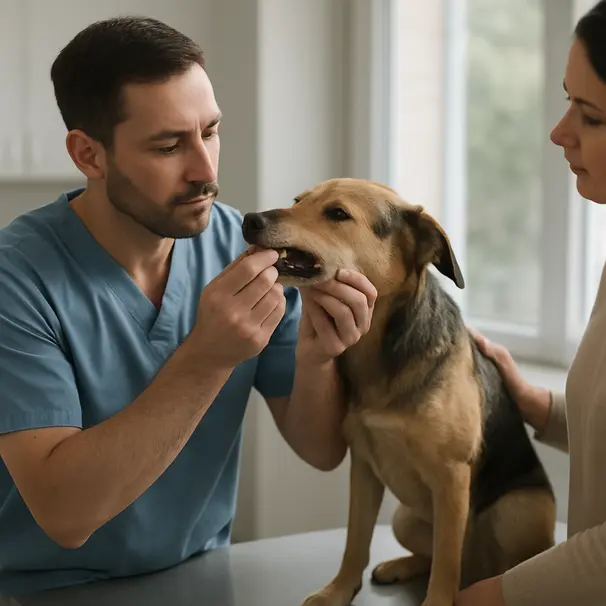
What is gum disease in dogs?
Gum disease is a term that covers inflammation and infection of the gums and the structures that support the teeth. It usually starts with plaque, the soft film of bacteria that forms on teeth. If plaque isn’t cleared away, minerals in saliva can harden it into tartar. Tartar clings to the tooth surface and sits under the gumline, where bacteria may inflame the gums and break down the tissues that hold teeth in place.
Early gum inflammation is called gingivitis, and it may be reversible with cleaning and care. If the problem progresses, it can become periodontitis. That stage can cause bone loss, loose teeth, chronic pain, and broader health effects. Because dogs often hide pain, many owners notice problems late. A little prevention and attention can go a long way.
How gum disease develops
- Plaque buildup after eating, especially sticky or soft foods.
- Tartar formation from mineral deposits on plaque.
- Bacteria moving under the gumline and causing inflammation.
- Immune response and tissue damage when inflammation becomes chronic.
Commonly, gum disease follows a simple path, but speed and severity vary by breed, age, and individual care.
Who is most at risk?
Some dogs are more likely to develop gum disease than others. Risk factors include:
- Small breeds, such as toy and miniature dogs, often have crowded teeth that trap food and bacteria.
- Older dogs, since dental disease accumulates over time.
- Dogs that eat soft food exclusively, which may leave more residue on teeth.
- Lack of regular oral care, like tooth brushing and professional cleanings.
- Certain medical conditions that lower resistance to infection.
None of this means a dog is doomed to dental trouble. It just helps to know where to pay extra attention.
Signs your dog may have gum disease
Dogs can be stoic, so look beyond asking if they’re in pain. These are common clues:
- Persistent bad breath, stronger than the usual puppy breath.
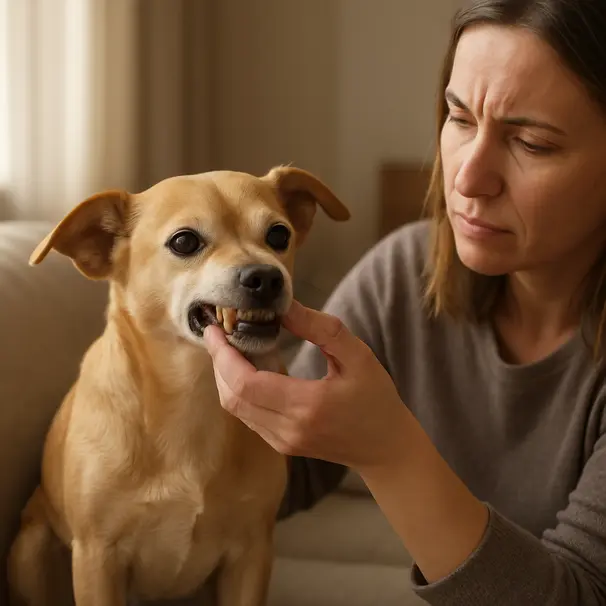
- Red, swollen, or bleeding gums, especially when touched.
- Yellow or brown crusty buildup on teeth, near the gumline.
- Drooling more than normal or drooling that contains blood.
- Difficulty chewing, dropping food, or favoring one side of the mouth.
- Pawing at the face, rubbing the mouth on furniture, or shaking the head.
- Loose or missing teeth.
- Reduced appetite, weight loss, or a change in behavior, such as irritability.
If you notice any of these signs, consider arranging a vet visit. Catching problems early can help keep treatment simple and recovery quick.
How a vet checks for gum disease
A vet exam usually starts with a visual inspection of the mouth. For a complete assessment, the vet may recommend a thorough dental check under sedation, because that allows them to examine under the gumline and take dental X-rays. X-rays reveal hidden damage below the surface and show bone loss you can’t see with the naked eye.
Probing around the teeth measures pocket depths between teeth and gums, which helps determine how advanced the disease is. Your vet may recommend a treatment plan based on those findings, often combining professional cleaning with targeted follow-up care at home.
Gentle at-home care you can try
Daily care is the most effective way to slow or prevent gum disease. Start small and build a routine that fits your dog and your life.
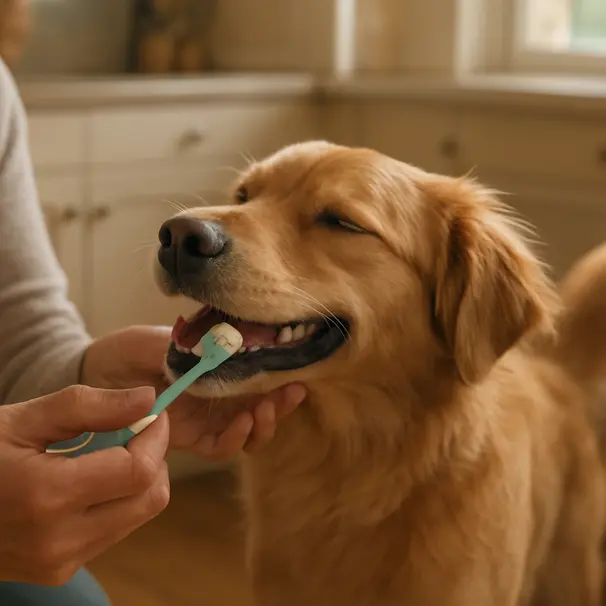
- Brushing: Aim for daily brushing, but even a few times a week can help. Use a pet-safe toothpaste and a soft toothbrush or finger brush. Spend a minute or two, focusing on the outer surfaces where plaque builds.
- Dental chews and toys: Chews and textured toys can help remove plaque mechanically. Choose options appropriate for your dog’s size and chewing style. Avoid very hard chews that might crack teeth.
- Water additives and oral rinses: These products may help reduce bacteria in the mouth. They can complement brushing but usually don’t replace it.
- Diet: Some veterinary dental diets are formulated to reduce tartar. Your vet can advise whether a specific diet may help.
- Regular inspections: Make a habit of briefly looking into your dog’s mouth once a week. Early spotting of changes makes a difference.
If your dog is not used to brushing, be patient. Gradual training with praise and treats helps most dogs accept daily care.
Practical routine for brushing
- Start slowly, using just your finger to rub the outside of the lips so your dog gets used to the motion.
- Introduce toothpaste next, letting your dog lick it off your finger first.
- Move to short, gentle brushing sessions of 10 to 30 seconds at first, building up over weeks.
- Focus on the cheek teeth, where plaque accumulates most.
- Reward with a favorite treat or playtime to keep the experience positive.
Consistency beats perfection. Short sessions every day are better than long sessions once in a while.
When professional treatment may be needed
If gum disease has progressed beyond the earliest stages, a professional dental cleaning under anesthesia may be needed. That procedure typically includes:
- Scaling to remove plaque and tartar above and below the gumline.
- Polishing the tooth surfaces to slow future plaque buildup.
- Dental X-rays to assess bone and tooth roots.
- Extractions if teeth are badly damaged or infected.
Aftercare often involves pain medication, antibiotics in some cases, and a period of soft food while the mouth heals. Your vet will explain risks and benefits and can help you decide on the best approach for your dog.
Recovery tips after dental work
- Keep activity calm for a day or two, depending on the vet’s advice.
- Offer soft food if chewing is uncomfortable, and reintroduce regular food gradually.
- Give pain medication exactly as prescribed, and watch for side effects.
- Avoid chew toys and hard treats until the vet says it’s safe.
- Check the mouth daily for swelling, persistent bleeding, or foul discharge, and call the clinic if you’re concerned.
Good aftercare helps healing and reduces the chance of complications.
Choosing a pet carer who can help with dental routines
If you use pet sitters or carers, they can play a big role in ongoing dental care. When interviewing a carer, consider these questions:
- Are you comfortable brushing a dog’s teeth? Ask for specifics, such as technique and products they use.
- Do you have experience handling dogs that are nervous about their mouths?
- Can you follow a vet’s post-dental care instructions precisely?
- Are you willing to do short daily routines, like a quick inspection or applying water additive?
A good carer will be honest about what they can do and will communicate clearly with you. Leaving a written routine and any special treats or tools makes it easier for carers to help consistently.

Tips to make brushing easier for nervous dogs
- Keep sessions very short, and stop before your dog shows signs of stress.
- Use a calm voice, gentle petting, and soft praise.
- Rotate who brushes if more than one family member is involved, giving the dog variety.
- Try different brush types and toothpaste flavours. Some dogs prefer a minty taste, others a poultry flavour.
- Practice handling the lips and cheeks during quiet times, building trust.
Patience and positive reinforcement are key. Many dogs learn to tolerate, or even enjoy, oral care over time.
Common myths about dog dental health
- Myth: “Dog breath is normal.” Bad breath can indicate dental disease or other health issues. Ask your vet if the smell is persistent or foul.
- Myth: “If a dog eats well, its mouth is fine.” Dogs often eat despite dental pain. Look for subtle signs like dropping food or favoring a side.
- Myth: “Chewing bones keeps teeth clean.” Very hard chews, like weight-bearing bones, can fracture teeth. Safer alternatives exist.
Separating fact from fiction helps you make better daily choices for your dog.
Quick FAQ
- How often should a dog see the vet for dental checks? Consider at least an annual checkup, more often if your dog has a history of dental problems.
- Can puppies get gum disease? Puppies can develop gingivitis, often linked to retained baby teeth or other issues. Early dental care is helpful.
- Are dental treats effective? Some can help reduce plaque, but they work best as part of a broader routine that includes brushing.
When to call the vet now
Contact your vet promptly if you see any of the following:
- Severe drooling with blood or pus.
- A tooth that’s obviously loose or an oral fracture.
- A lump or swelling under the eye, jaw, or around the mouth.
- Signs of systemic illness, like fever, lethargy, or loss of appetite.
Timely intervention can prevent pain from worsening and reduce the need for extractions or invasive procedures.
Final thoughts
Good dental health is one of the easiest ways to help your dog feel better for longer. Small, consistent steps often make the biggest difference. Brushing a few times a week, choosing safe chews, and scheduling regular vet checks add up to happier smiles and fewer surprises. If you’re ever unsure, ask your vet. They can help tailor a plan to your dog’s age, breed, and habits.
A healthy mouth makes playtime, treats, and cuddles more enjoyable for both of you. Take things at your dog’s pace, celebrate small wins, and keep that tail wagging.