

Dog Health Guide: Preventive Care to Keep Your Dog Healthy
Keeping a dog healthy is a joyful, ongoing project. Little habits add up, and a few preventive steps can help your pup feel their best for years. This guide covers everyday routines and tips that pet owners and carers can use to support a dog’s physical and mental wellbeing. Think of it as a friendly roadmap, full of practical suggestions you can try tonight or share with a trusted carer.
Routine veterinary care: the foundation of prevention
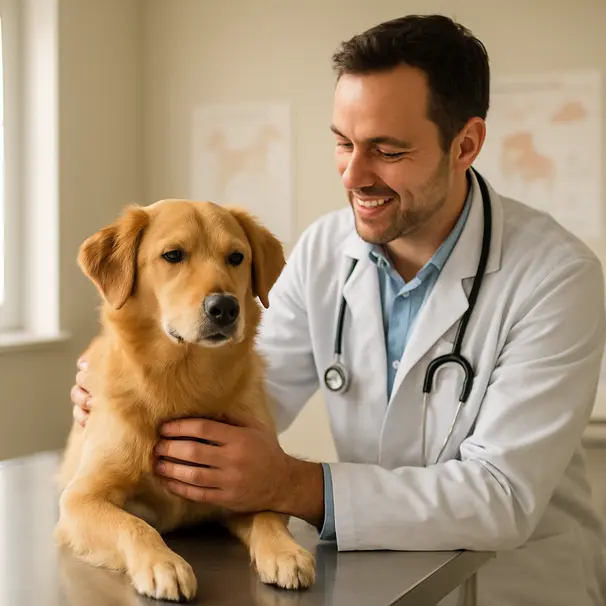
Regular vet visits are one of the most helpful things you can do for your dog. They give your vet a chance to build a health history, catch subtle changes early, and tailor a care plan for your dog’s age, breed, and lifestyle.
- Schedule annual or semi-annual wellness exams based on your vet’s advice. Puppies and seniors may need more frequent checks.
- Discuss vaccinations and boosters. Vaccines may help protect against common diseases, and your vet can recommend the right schedule.
- Talk about parasite prevention. Flea, tick, and worm prevention can reduce discomfort and risk of illness for your dog, and may protect people in your home.
- Consider dental checks. Dental health may affect overall wellbeing, and a vet can advise on at-home brushing or professional cleaning if needed.
Your vet may suggest bloodwork, weight tracking, or other screenings as your dog ages. These tests can help spot issues early. If cost is a concern, ask your clinic about prioritizing tests or spacing them out, and consider local resources that may offer support.
Nutrition and weight: food that supports long-term health
Feeding well is about more than picking a brand. It’s about balancing calories, nutrients, and life stage needs.
- Choose a diet appropriate for your dog’s age, size, and activity level. Puppies, adults, and seniors often have different needs.
- Read labels thoughtfully. Look for named protein sources and clear statements about life stage. If in doubt, ask your vet or a veterinary nutritionist.
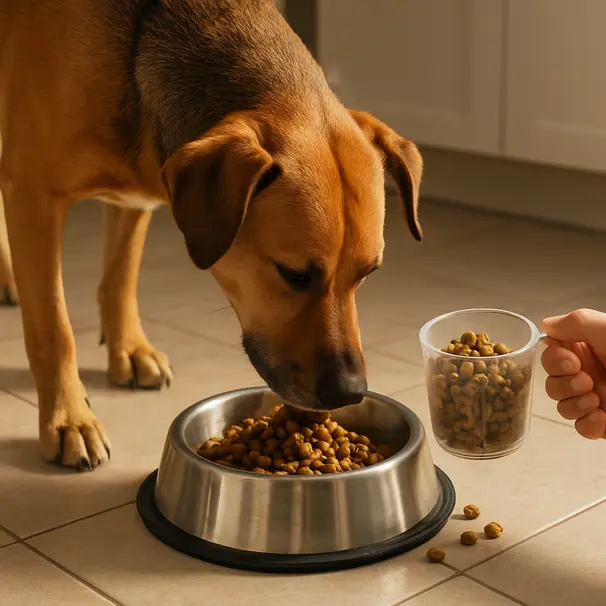
- Watch portion sizes. Follow feeding guidelines, but remember they’re starting points. Adjust amounts based on your dog’s body condition and activity.
- Keep treats and extras sensible. Treats should make up only a small portion of daily calories, and human foods can sometimes be risky.
- Consider weight checks at home. A daily or weekly look and gentle feel along the ribs can help you notice gradual gains or losses.
If your dog seems to eat but loses weight, or gains weight unexpectedly, consult a vet. Changes in appetite or body condition may be signs to explore further.
Exercise and mental enrichment: healthy body, happy mind
Exercise reduces boredom, helps keep weight in check, and can calm anxious dogs. But mental enrichment matters just as much as physical activity.
- Aim for consistency. Short walks, play sessions, or training every day tend to be more helpful than sporadic long outings.
- Match activity to your dog. High-energy breeds may need more intense activities, while older dogs may prefer gentle strolls and scent work.
- Try mixed activities. Walks, fetch, short runs, swimming, and canine sports can all contribute different benefits.
- Use puzzle toys and scent games. Hiding kibble in a snuffle mat or rotating puzzle toys can keep the mind engaged on quiet days.
- Include training as enrichment. Short training sessions give dogs mental work, build confidence, and strengthen your bond.
If your dog shows stiffness, limping, or reluctance to exercise, consider slowing down and arranging a vet visit. Age, injury, or joint conditions may be factors, and a vet can suggest safe modifications.
Grooming and home care: small rituals with big benefits
A grooming routine is part practical, part bonding. It also helps you find early signs of trouble.
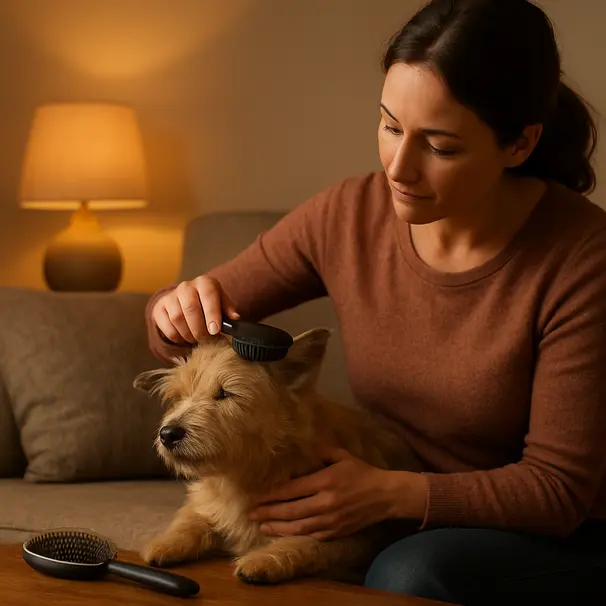
- Brush regularly. Brushing removes loose hair, prevents matting, and spreads natural oils. How often depends on the coat type.
- Check ears and eyes. Look for redness, unusual discharge, or odor. Gently wipe the outer ear with a damp cloth if needed, and ask your vet how to clean safely.
- Trim nails on a schedule. Long nails can affect gait and cause discomfort. If you’re nervous about trimming, many groomers and vets can help.
- Keep teeth in mind. Brushing a few times a week may help dental health. Dental chews and toys can offer support, though they aren’t a substitute for professional care when needed.
- Inspect skin and coat during grooming. Lumps, hot spots, rashes, or persistent scratching are signs to mention to your vet.

Vaccines, parasite control, and microchips: practical protections
These measures may reduce certain risks and help keep your dog safer in everyday life.
- Vaccinations: Follow the schedule your vet recommends. Vaccination needs can vary by region and lifestyle.
- Parasite prevention: Year-round protection against fleas, ticks, and heartworms may be appropriate. Ask about options that fit your dog and household.
- Microchipping: A microchip can increase the chance of being reunited if your dog gets lost. Keep the contact information up to date.
Talk with your vet about the best combination of protections based on where you live, how often your dog spends time outside, and whether they mix with other animals.
Recognizing signs of illness: trust your instincts
You know your dog’s normal rhythms. If something feels off, it probably is. Early attention can make a big difference.
Common signs that merit attention include:
- Changes in appetite or water intake
- Noticeable weight loss or gain
- Lethargy or unusual hiding
- Persistent coughing, sneezing, or breathing changes
- Vomiting, diarrhea, or sudden changes in stool
- Increased scratching, hair loss, or skin irritation
- Lumps, swelling, or wounds that won’t heal
- Changes in bathroom habits, like straining or accidents
If you see these signs, consider calling your vet. For emergencies such as severe trauma, difficulty breathing, or unresponsiveness, seek immediate veterinary care.
Preparing for travel or time away: tips for pet owners and carers
When you can’t be there, good preparation helps carers provide consistent care and keeps your dog less stressed.
- Leave clear written instructions. Include feeding times, portion sizes, medication details, exercise preferences, and any quirks your dog has.
- Share emergency contacts. Add your vet’s number, a secondary contact, and directions to the nearest emergency clinic.
- Keep familiar items handy. A favorite blanket, toy, or bed can comfort a dog in a new place.
- Walk through routines with the carer. A short trial visit helps the carer learn cues, and lets your dog meet them in a calm setting.
- Consider medication reminders. If your dog needs medicines, label them clearly and demonstrate how to give them safely.
Trusted pet carers can be a wonderful extension of your support network. Look for carers with references, experience, and a style that suits your dog. On Floofy, profiles and reviews can help match you with someone who understands your pet’s needs.
Preventive care checklist: an easy reference
- Annual or semi-annual vet wellness exams
- Updated vaccinations as recommended
- Year-round parasite prevention when appropriate
- Daily feeding routine with measured portions
- Regular weight checks and body condition monitoring
- Daily or frequent exercise, plus mental enrichment
- Weekly grooming basics; nails, ears, and coat checks
- Teeth brushing several times per week if possible
- Microchip with up-to-date contact information
- Emergency contact list and a written care plan for carers
Keep a printed copy of this checklist near your dog’s supplies, and share a copy with anyone who cares for your pup.
Final thoughts: small steps, steady care
Healthy dogs are the result of consistent, loving attention. You don’t need to overhaul everything at once. Try picking one area to focus on each month. Maybe this month is extra brushing, and next month is a new enrichment game. When in doubt, reach out to your vet. They can help you prioritize what matters most for your dog.
Caring for a dog is a partnership. With routine veterinary care, sensible nutrition, regular exercise, and a few preventive habits, you’ll give your dog a great chance at a long, joyful life. And remember, trusted carers can help keep that routine steady when you’re away, which is a big gift to both you and your dog.
If you’d like a printable version of the checklist or a sample daily care sheet to share with a carer, let us know. We’re here to help you keep every wag and sniff healthy and happy.