


Dog hiccups: a warm, practical guide for worried humans and their pups
Hiccups can be funny and a little worrying. Your dog makes that rhythmic little twitch and then looks at you as if to say, “Is this normal?” The short answer is usually yes. This article walks through common causes, gentle fixes you can try right away, longer-term strategies, and signs that mean you should call a vet.
What exactly are hiccups in dogs?
A hiccup is a sudden, involuntary spasm of the diaphragm, followed by an abrupt closure of the vocal cords that creates the characteristic sound. Dogs experience hiccups in much the same way people do. Puppies get them a lot because their bodies are still maturing, but adult dogs can hiccup too.
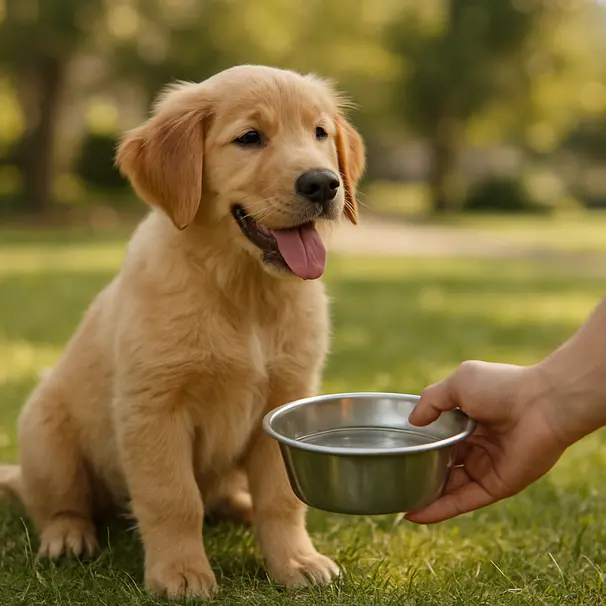
Why dogs get hiccups
Hiccups can come from several harmless situations. Think of them as your dog’s little respiratory hiccup moment.
- Eating or drinking too quickly, especially gulping air while munching
- Excitement or sudden bursts of activity that change their breathing pattern
- Swallowing air when panting heavily after play
- A sudden change in stomach temperature, for example drinking very cold water after running
- Gastroesophageal reflux or mild stomach upset in some dogs
- Puppies may hiccup during or after nursing because of the rapid intake of milk and air
Most of the time these are brief and resolve on their own. If your dog seems comfortable and hiccups stop in a few minutes, there’s usually no cause for alarm.
Puppies and hiccups
Young dogs get hiccups more frequently. Their diaphragms and nervous systems are still growing, and their meals are often heartier relative to body size. If your puppy hiccups a lot but otherwise seems happy, sleeping well, and eating normally, it’s part of growing up.
Quick, safe fixes you can try right away
If your dog’s hiccups are bothering them or you’d like to try to help, these simple, low-risk approaches may help ease the spasms. Use a calm voice and gentle handling—stress can make hiccups worse.
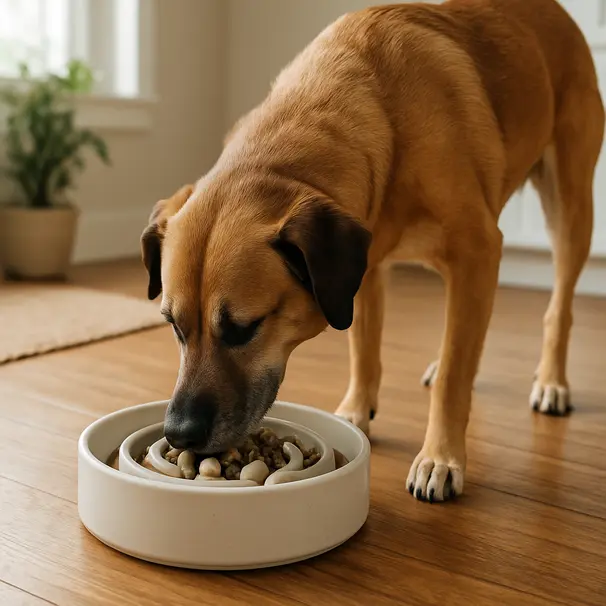
- Slow the pace at mealtimes. Use a slow-feeder bowl, spread food across a flat tray, or feed small, frequent portions. This can stop gulping and reduce air swallowing.
- Offer a few sips of room-temperature water. Drinking slowly can change their breathing pattern. Avoid forcing water or using very cold bottles.
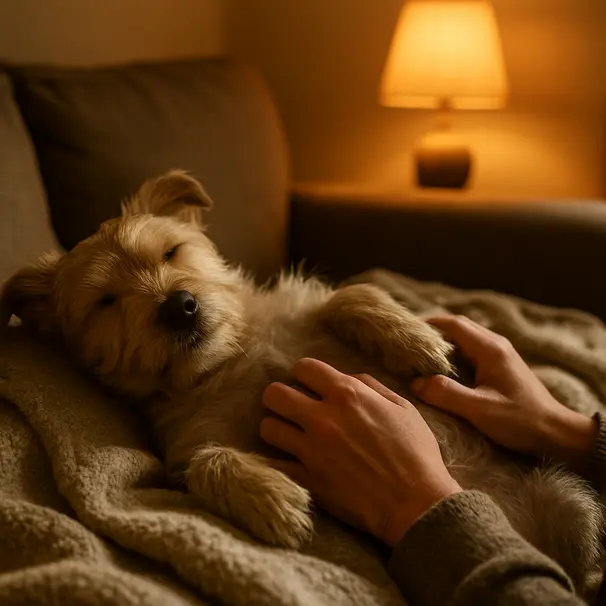
- Gentle belly rubs or light back strokes may soothe the diaphragm. Keep pressure gentle and monitor your dog’s comfort.
- Short, quiet walks or a calm moment on your lap can steady rapid breathing.
- Try a short pause in activity. If your dog was excited or panting after play, encourage a calm rest period and a familiar cue like “settle.”
Avoid home remedies that involve startling or forcing your dog to do something uncomfortable. Unlike people, dogs won’t hold their breath on command, and startling can spike stress and make hiccups worse.
Longer-term fixes to reduce hiccup frequency
If hiccups are a recurring annoyance, small lifestyle tweaks can help. These changes often make mealtimes calmer, digestion gentler, and overall breathing patterns steadier.
- Change feeding habits: feed smaller portions more frequently, and consider elevated bowls for large breeds that may gulp. Test different feeders to find what works for your dog.
- Manage excitement: practice calm-down routines after play, such as a consistent wind-down ritual with a soft voice, a favorite chew toy, or a short sit-and-stay exercise.
- Monitor water temperature: very cold water after intense activity might trigger hiccups in some dogs. Offer room-temperature water after exercise and let them sip slowly.
- Check for swallowing air: if your dog pants heavily or breathes through their mouth a lot, look for underlying causes like heat, overexertion, or anxiety and address those with cooling, rest, or behaviour training.
- Maintain a healthy weight: extra belly pressure can influence digestion. A balanced diet and regular exercise can reduce gastric discomfort that might lead to hiccups.
Training tools like puzzle feeders and scent games not only slow feeding but stimulate the brain, which can calm overall arousal and reduce hiccup triggers. Small lifestyle shifts often yield noticeable improvement.
When hiccups might mean something more serious
Most hiccups are innocent, but occasionally they can hint at a deeper issue. Consider contacting your vet if you notice any of the following:
- Hiccups last for many hours or don’t ease after several attempts to calm your dog
- Hiccups are accompanied by coughing, gagging, wheezing, difficulty breathing, or blue-tinged gums
- Your dog shows signs of distress, lethargy, repeated vomiting, or loss of appetite
- Hiccups began after a traumatic event or the ingestion of a foreign object or toxin
Your vet may suggest a physical exam, X-rays, or other tests to rule out conditions like respiratory infections, gastrointestinal issues, or structural problems. Use safe phrasing: these signs may warrant professional assessment.
A few things you shouldn’t try
- Don’t force a dog to drink or swallow; it can cause choking or aspiration.
- Don’t use dramatic startle techniques to stop hiccups. Dogs react differently than people, and this can increase stress.
- Avoid home remedies you read online that involve pushing on the throat or forcing positions that make your dog uncomfortable.
Better to try gentle, calming actions and reach out to a vet if you’re unsure.
Practical tips for pet carers and sitters
If you’re caring for someone else’s dog, hiccups are a common reason owners message pet sitters. Here’s a short checklist to keep owners reassured and dogs calm:
- Let the owner know the hiccups started and how long they’ve been happening
- Try the simple fixes: slow water sips, calm cuddles, short rest
- Note any other symptoms like coughing, vomiting, or breathing changes
- Keep feeding routines consistent with the owner’s instructions
- If hiccups persist more than a few hours or you see worrying symptoms, contact the owner and recommend a vet visit
Good communication and gentle handling go a long way. Owners appreciate when carers act calmly and observe carefully.
Small case studies: real-life examples
Milo, a bouncy lab puppy: Milo had frequent hiccups after each meal. Switching to a slow-feeder bowl and offering smaller meals four times a day reduced hiccup episodes dramatically.
Luna, a nervous rescue: Luna often hiccuped after playdates when excitement ran high. Adding a 10-minute wind-down routine with a chew toy and soft music helped lower her overall arousal and hiccups decreased.
Oscar, a middle-aged terrier: Oscar developed lengthy hiccups and occasional coughing. His owner sought veterinary advice; after an exam and some tests, a mild reflux treatment and diet change helped. This highlights that persistent or unusual hiccups may need professional attention.
Bottom line: most hiccups are fine, but keep an eye out
Hiccups are common, usually harmless, and often improve with simple home measures. They can be amusing and a little unnerving, especially in puppies. Try slow feeders, calm routines, and gentle touch to help. If hiccups persist, come with breathing problems, or are paired with other concerning signs, consider contacting your veterinarian to check things over.
If you’re a Floofy carer looking after a dog experiencing hiccups, use calm communication with the owner and follow the short checklist above. For pet parents, these small adjustments often stop hiccups from becoming a recurring nuisance.
Thanks for being a thoughtful pet person. A few minutes of calm care can make a big difference to a hiccuping pup.
Quick reference: what to try, fast
- Offer room-temperature water, let them sip slowly
- Slow down meals using a slow feeder or small portions
- Provide a calm rest after play, with gentle petting
- Avoid startling or forcing any action
- Contact a vet if hiccups last a long time or other symptoms appear
Keep a hand on your pup, a calm voice nearby, and a pocketful of patience. Hiccups are often just one of those small, fleeting things that make dog ownership both unpredictable and entirely lovable.