

Why dogs jump
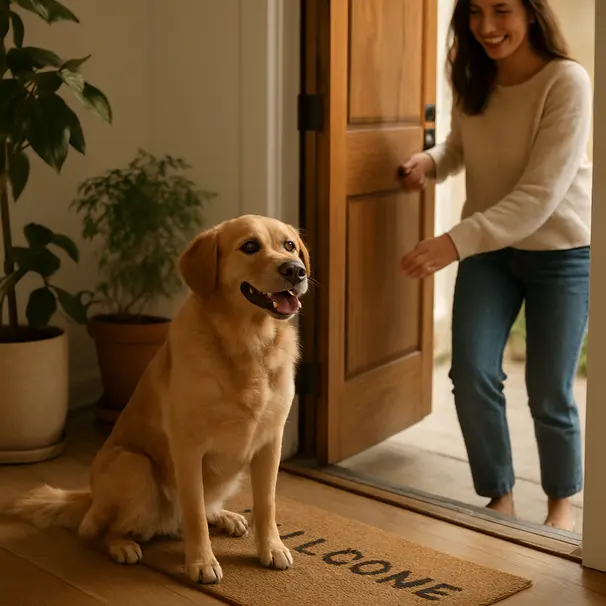
Dogs jump up because it usually gets attention, and attention is rewarding. For many dogs, jumping starts as a joyful greeting. Puppies especially leap because they’re excited, curious, and still learning impulse control. For others it’s a learned behaviour: every time they jump, someone laughs, pets them, or exhales a surprised “oh!” and they get rewarded.
There are other reasons too. Some dogs jump to investigate a smell or reach a face, others jump because they’ve been reinforced by guests who bend down and give affection. On the flip side, a sudden onset of obsessive jumping or a change in energy could sometimes point to medical discomfort or anxiety. If the behaviour appears out of character, consider a vet check to rule out pain or neurological issues.
Is jumping dangerous or just annoying?
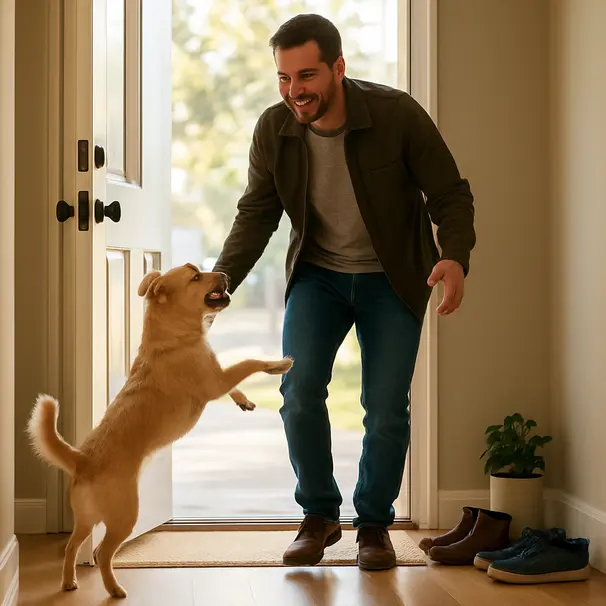
Jumping can be a nuisance and it can be dangerous. Small children, older adults, or someone with mobility issues might be knocked over. Even a happy dog’s paws can scratch a face, or a heavy dog’s weight can be hard on a visitor. And for dogs, repeatedly practicing an unwelcome behaviour makes it harder to change later.
That said, it’s a fixable habit. With clear rules, consistent training, and a few practical tools, most dogs can learn calmer greetings.
The simple guiding rule: paws stay on the floor
Choose one house rule and stick with it: all four paws on the floor. When everyone follows that rule, the dog gets a single, predictable message. If some people greet the dog on the floor and others allow jumping, the dog gets mixed signals and progress stalls.
Practical household commitments:
- Tell guests your rule politely: “Please wait until she’s sitting.”
- Put a leash on the dog when visitors arrive, at least at first.
- Have a mat, bed, or spot the dog is trained to go to for greetings.
These management steps reduce reinforcement opportunities and make training faster.
Training steps that actually work
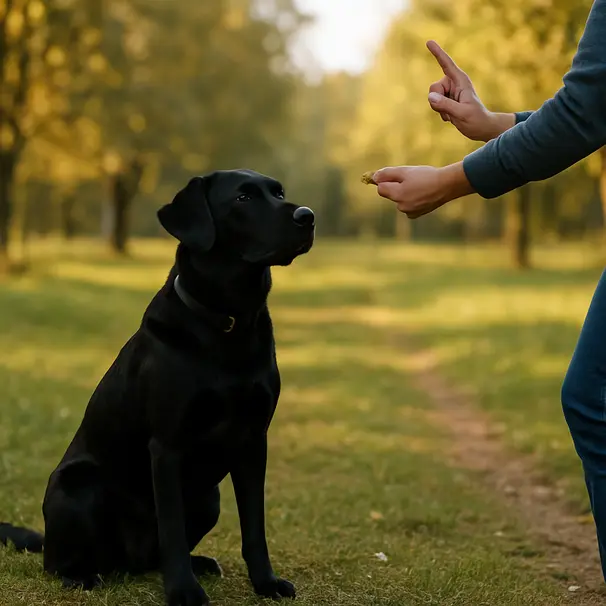
Here are clear, repeatable exercises to replace jumping with calm behaviour. Work in short sessions, several times a day, and always reward the behaviour you want.
1) Teach a reliable “sit for greeting”
Step-by-step:
- Practice sit in a quiet room with tasty treats. Reward immediately when the dog offers a sit.
- Build duration: ask for a sit, count to two before rewarding, then extend the wait gradually.
- Add mild distractions, then practice with people. Start with one calm person who ignores jumping.
- When the dog sits, reward with praise, a treat, or an approach. If the dog jumps, the person turns away and waits silently until four paws return to the floor.
Important tips: reward the sit with attention so the dog learns sitting gets access to what they want.
2) Teach “touch” or “focus” as an alternative
A touch or hand-target can be a useful replacement for jumping. Train the dog to touch your palm with their nose, then ask for a touch when guests arrive. It directs their energy toward you and away from leaping.
Training touch:
- Hold your palm near the dog’s nose and mark (with a click or a calm word) when they make contact.
- Reward instantly.
- Gradually ask for a clear touch on arrival instead of jumping.
3) Train “go to mat” for calm greetings
A mat gives the dog a predictable place to be when people enter. Teaching a reliable go-to-mat behaviour helps when there are lots of guests or high excitement.
How to teach it:
- Lure the dog onto a mat with a treat and reward.
- Add a cue like “place” or “mat” and reward for staying a few seconds.
- Increase duration slowly and practice with mock greetings.
Use the mat in daily life so it’s a normal, positive space, not a punishment zone.
4) Use the leash and simple handling for arrivals
When someone knocks, clip a leash on the dog and ask for a sit or mat. The leash gives a gentle physical tool to prevent launches while you reward calm behaviour. Practice the entire arrival routine until it becomes second nature.
5) Ignore the jump, reward the calm
Most dogs are reinforced by any attention. If a guest turns away, crosses their arms, and waits silently, they’re withholding the reward. The moment the dog offers four paws or a sit, the guest turns back, calmly praises, and rewards. Consistency from everyone is crucial.
Short sessions, big results
Train in 5–10 minute bursts, multiple times a day. Dogs learn faster when practice is frequent and positive. Keep training fun and relaxed. If the dog is tired or frustrated, end on a good note with an easy success.
When excitement is through the roof: extra tools
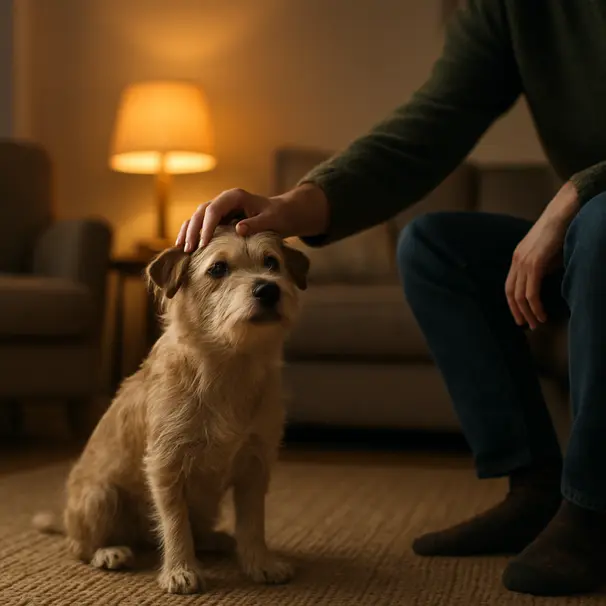
Some dogs are naturally more excitable. High-drive breeds or adolescent dogs may need extra management.
Try these options:
- Pre-visit exercise: a brisk walk or play session 15–30 minutes before guests arrive helps burn off energy.
- Enrichment toys: puzzle feeders or chew toys during visits keep the dog’s mouth and brain occupied.
- Long-duration training: practice “stay” and longer mat sessions, gradually increasing how long the dog waits for attention.
If the dog continues to jump despite consistent training, consider a behaviour specialist. A qualified trainer or animal behaviourist can assess triggers and tailor a plan. Also, if jumping accompanies other sudden behavioural changes, a vet consultation may help rule out medical causes.
Tips specifically for carers and sitters
As a pet carer, your approach can set the tone for the whole household. When you first meet a dog in a client’s home:
- Ask the owner for the household greeting rule and follow it exactly.
- Arrive calmly, don’t crowd the dog, and avoid leaning over or reaching for the face.
- Put the dog on a lead if there’s any chance of jumping on unfamiliar people.
- Use their favorite treats and a one-word cue like “sit” or “place”.
- Leave detailed notes for the owner: what worked, what didn’t, and how many practice sessions you did.
Consistency between owners and carers is one of the fastest ways to stop jumping.
Troubleshooting common scenarios
- The dog jumps only at certain people: the dog may like that person’s scent or energy. Have that person practice the same calm arrival routine and reward sitting only.
- Children and jumping: teach children to stand still with arms folded and to reward only when the dog sits. Supervision is essential.
- Mail carriers and delivery drivers: use a mat or crate during deliveries. Desensitise the dog by pairing the sound of knocks with treats and calm behaviour over time.
- Puppy jumping: puppies need structured practice and lots of repetition. Keep sessions short and patient. Puppies gradually develop better impulse control as they grow.
A two-week starter plan
Day 1–3: Set the rule and practice sit in quiet sessions. Reinforce every sit with a treat and praise.
Day 4–7: Add brief mock arrivals. Use a leash, ask for sit or mat, and reward calm behaviour. Practice with one friendly helper.
Day 8–10: Increase difficulty: open the door briefly, have the helper step in and out. Reward only the calm responses.
Day 11–14: Add variety—different visitors, different rooms, and one brief real-world test with a friend. Keep sessions positive and note progress.
By the end of two weeks you should see clearer choices from your dog. Keep reinforcing and gradually make rewards more about attention and petting, not just treats.
When to seek professional help
If your dog’s jumping is tied to anxiety, intense reactivity, or if the behaviour is resistant after consistent home training, a certified behaviourist or professional trainer can help. Look for someone who uses positive reinforcement. A behaviourist can create a step-by-step plan based on the dog’s history and temperament.
Also consider a vet visit if the behaviour appears suddenly or is accompanied by other changes like lethargy, pain, or aggression.
Final thoughts: patience, consistency, and kindness
Changing a habit takes time. Your dog isn’t being naughty on purpose; they’re responding to what’s worked for them in the past. With consistent rules, short training sessions, thoughtful management, and gentle reinforcement of alternatives, most dogs learn calmer greetings.
Celebrate small wins, and keep practice relaxed and fun. If you’re a Floofy carer, leave clear notes for the owner and mirror their routine. If you’re an owner, bring everyone on board so your dog gets the same message from all directions.
With patience and a few practical tools, you’ll have calmer, safer greetings—and a happier dog who knows how to ask for attention politely.