

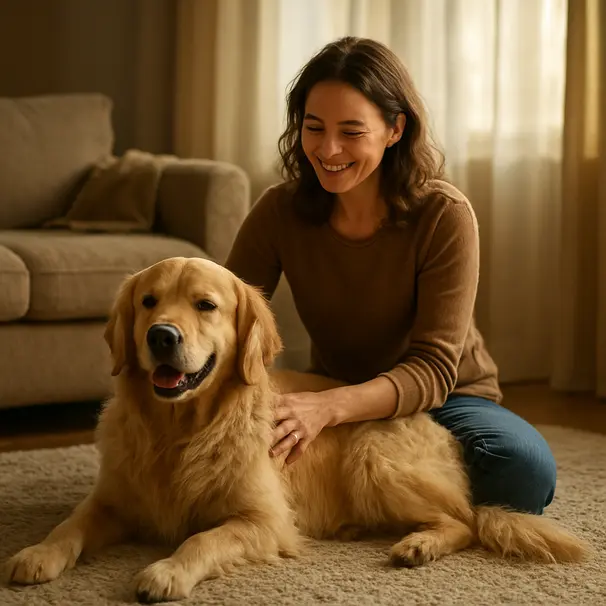
Dog massage guide for relaxation
Dogs love touch, and a calm, thoughtful massage can be a wonderful way to help your dog unwind, deepen your bond, and support gentle mobility. This guide walks you through how to read your dog’s cues, simple techniques you can use at home, a short routine to try, and when to reach out to a vet or a professional carer. Keep it friendly, slow, and fun for both of you.
Why massage can help your dog
Massage can help your dog relax, settle after a busy day, or get ready for a nap. It can also be a gentle way to check for lumps, tender spots, or changes in muscle tone. Remember, massage is not a treatment for medical conditions, but it may help your dog feel calmer and more comfortable. If your dog has a known health issue, consider checking with your vet before you begin.
How to tell if your dog is enjoying the massage
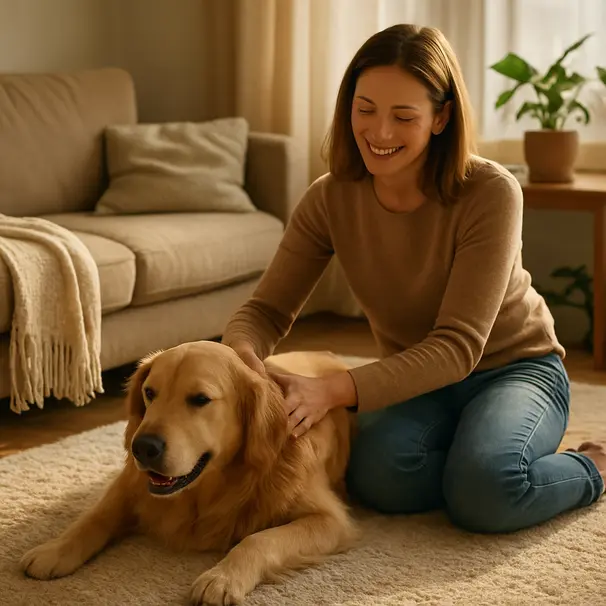
Dogs tell us a lot with their bodies. Look for signs that your dog is relaxed and happy:
- Soft eyes and slow blinking.
- Sighs or contented exhalations.
- Leaning into your hands, nudging for more.
- A wagging tail that’s relaxed, not stiff.
Watch for signs of discomfort or stress and stop if you see them:
- Tensing up, suddenly pulling away, or avoiding touch.
- Growling, lip licking, yawning in a worried way.
- Snapping, stiff posture, or repeated attempts to move away.
If you’re unsure what your dog is communicating, take it slow. Offer short sessions and build trust over time.
Safety first: when to pause and consult a vet
Massage can feel great, but avoid massaging areas that are painful, swollen, or hot to the touch. If your dog has a recent injury, open wound, unexplained limping, or an underlying condition like a heart problem, speak with your vet before starting massage. If your dog shows pain during massage, stop and ask a professional for advice.
Use gentle pressure, never press over joints or bones, and avoid deep or vigorous work unless a qualified canine massage therapist recommends it.
Setting the scene: environment and tools
A relaxed environment helps your dog settle quickly. Aim for:
- A quiet room with soft lighting, or a shaded outdoor spot on a calm day.
- A supportive surface, like a low couch, a rug, or a padded mat.
- A few high-value treats for positive reinforcement.
- Optional: a soft brush, a towel, and a comfy blanket.
Wear comfortable clothing and sit or kneel so you can move easily. Keep sessions short at first, five to ten minutes, and increase with your dog’s comfort.
Basic massage techniques
You don’t need special training for gentle touch. Start with these simple techniques:
- Effleurage: Long, gliding strokes along the body to warm the muscles and encourage relaxation. Use the flats of your hands, moving from the neck toward the tail in gentle sweeps.
- Light compression: Gentle pressing and releasing with the palms to invite circulation. Think of this as a rhythmic squeeze, not a deep push.
- Circular rubbing: Small, slow circles using your fingertips to ease tension in tight spots, like the shoulder blade area. Keep pressure light and watch your dog’s reaction.
- Kneading: Soft, alternating pressure with your fingers and thumbs on larger muscle groups, useful for hips and thighs when done carefully.
Stay slow and rhythmic, and pause if your dog seems unsure. Variety helps, so change between strokes to keep the experience pleasant.
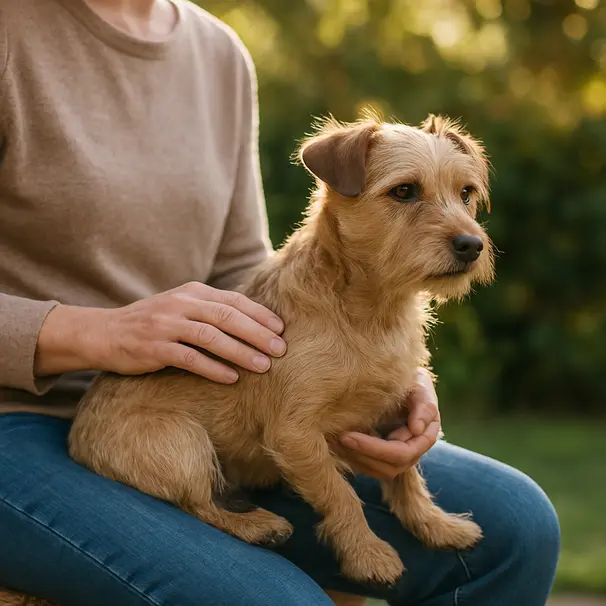
Area-by-area guide
Head, ears, and neck
- Start with light strokes along the top of the head and down the neck.
- Use your thumb and forefinger to gently rub the base of the ears. Many dogs love a gentle ear rub, but some are sensitive, so watch for avoidance.
- Avoid pressing on the throat. Keep motion soft and calming.
Shoulders and chest
- Glide your hands from the shoulder blades down toward the chest with sweeping motions.
- Use circular rubs around the shoulder blades to work out holding tension.
- For deep-chested breeds, keep pressure shallow near the ribcage.
Back and spine
- Use flat, gentle strokes parallel to the spine, avoiding direct pressure on the spine itself.
- Work the muscles on either side of the spine using long strokes, not deep pressure.
Hips, thighs, and hindquarters
- Use kneading and light compression on the larger thigh muscles.
- Move from the top of the leg down toward the paw, being mindful of joints.
- If your dog has arthritis, reduce pressure and ask your vet about preferred techniques.
Legs, paws, and tail base
- Finish with gentle strokes down the legs and light paw handling. Many dogs dislike rough paw handling, so be patient and reward calm behavior.
- Massage the base of the tail with small circles if your dog tolerates it. Some dogs enjoy it, some don’t, so read the cues.
Modifying massage for puppies, seniors, and anxious dogs
Puppies
- Keep sessions very short, a minute or two at first, and focus on creating a positive association with touch.
- Use very light pressure, and combine massage with praise and treats.
Senior dogs
- Use slower, gentler strokes. Older dogs may have sore spots, so avoid deep pressure and ask your vet if you’re unsure.
- Focus on gentle range-of-motion support around hips and shoulders, without forcing movements.
Anxious dogs
- Let your dog approach you. Start with a calm presence, offering treats and gentle petting before trying massage techniques.
- Keep sessions predictable. Use the same approach and location each time to build trust.
Putting it together: a sample 10-minute routine
This short routine is ideal for beginners and busy pet owners. Adjust timing to suit your dog.
- Settle in (1 minute): Invite your dog to a comfortable spot. Speak softly and offer a treat, let them sniff your hands.
- Head and neck (2 minutes): Use light effleurage across the head and gentle ear rubs. Keep pressure light.
- Shoulders and chest (2 minutes): Glide from shoulder blades down the chest, add small circular rubs around each shoulder.
- Back and spine (2 minutes): Long, gentle strokes along the sides of the spine. Avoid pressing directly on the spine.
- Hindquarters and thighs (2 minutes): Knead gently through the thigh muscles with alternating fingers.
- Finish and praise (1 minute): Slow down strokes, end with soft petting and a treat. Allow your dog to stand or move away when ready.
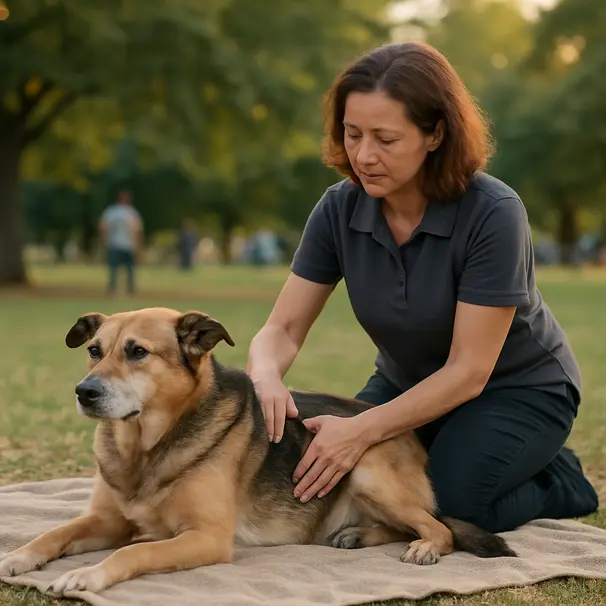
How often and how long?
Short, regular sessions are usually best. Five to fifteen minutes, two or three times a week may be plenty for many dogs. Some dogs enjoy daily sessions, while others prefer a few longer sessions each week. Follow your dog’s lead and keep sessions pleasant, not forced.
Using massage with other care routines
Massage pairs well with grooming, brushing, or quiet time before bed. You can use it after a walk to help your dog calm down, or during quiet mornings to encourage a slow start to the day. If your dog is going to the groomer or staying with a pet carer, ask if they can include a short calming massage as part of their care routine.
When to seek a professional
If your dog has persistent stiffness, chronic pain, or mobility changes, ask your vet about a referral to a certified canine massage therapist, animal physiotherapist, or other specialist. Professionals can provide targeted work, stretching plans, and advice tailored to your dog’s health.
Be cautious about trying deep tissue or therapeutic techniques without training, especially for dogs with medical issues. A professional can help you learn safe, effective ways to support your dog at home.
Quick troubleshooting and FAQs
Q: My dog falls asleep during massage, is that good?
A: Absolutely. Falling asleep is often a sign your dog is relaxed and comfortable. Keep the pressure gentle and the pace slow.
Q: My dog used to love it but now moves away. What do I do?
A: Dogs change with age and mood. Check for pain or discomfort, try a different area, or shorten sessions. If avoidance continues, speak with your vet.
Q: Can massage help anxiety?
A: Massage may help some dogs feel calmer by lowering nervous energy and strengthening your bond. It’s not a cure for anxiety, but it can be a helpful part of a broader plan that may include behavior training and environmental changes.
Final thoughts
Massage is a lovely way to show care, slow down together, and learn more about your dog’s body language. Keep sessions gentle, watch for cues, and enjoy the shared quiet. If you ever have questions about your dog’s health or mobility, reach out to your vet or a certified canine massage therapist.
If you’re looking for trusted help, Floofy connects pet owners with experienced pet carers who can include calm, friendly massage and personalized care during visits. Try a short session and see how your dog responds, then build from there.
Thanks for spending this quiet time with your dog. A little touch can go a long way to make both of you feel calmer and closer.