


Dog mum life: coffee, chaos & cuddles
There’s a special kind of joy that comes with being a dog mum. Mornings often begin with the comforting hiss of coffee and a tail whack against the bed, and evenings end with dog hair in strange places and a warm, heavier-than-air cuddle on the sofa. This post is a friendly, practical look at those daily rhythms. You’ll get tips for routines, training, finding trusted carers, and keeping your own cup half-full while your pup’s bowl is full.
Morning routines: caffeinate, leash up, embrace the chaos
Mornings are where the day is won or lost, and for dog mums the alarm often means a fuzzy head, a groggy human, and a dog who believes breakfast should have happened five minutes ago. A predictable wake-up routine helps both of you start calmer.
- Start small: get your coffee, drink a few sips and take three slow breaths. Dogs pick up on your energy, and a steadier human makes for a steadier walk partner.
- Establish a short pre-walk ritual: put on shoes, grab poop bags, and put a treat in your pocket. That treat can be a lifesaver for quick focus before the door opens.
- Ten-minute play or mental engagement before you leave helps burn off immediate bursts of energy. A food puzzle, a quick hide-and-seek with treats, or a short obedience session can make your pup more relaxed for a walk.
If mornings are crazy because everyone’s hungry, try prepping a simple breakfast station: kibble in a timed feeder or a measured bowl ready to go. This reduces the scramble and avoids the last-minute spilt bowl disaster.
Training and boundaries: loving consistency wins
Training isn’t about perfection, it’s about clarity. Dogs thrive on clear expectations and consistent cues. A few practical approaches will help you move from reactive chaos to calm cooperation.
- Keep commands simple and consistent. Pick one word for each action and stick to it. Changing cues confuses your dog and slows progress.
- Short, frequent sessions beat long, occasional ones. Five minutes, three times a day is far more effective than one frustrated half-hour.
- Use rewards that match the job. If you need reliable attention in a busy park, high-value treats or a game of tug may work better than kibble.
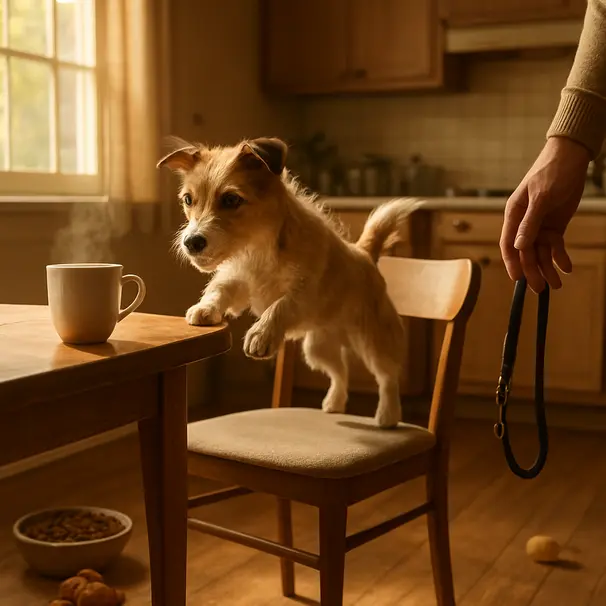
When teaching boundaries, think like a detective. If your dog keeps counter-surfing, remove temptations and manage the environment. Use baby gates, crates when appropriate, or put food away early. Training and environmental management together make progress faster and kinder.
Training tips for common moments:
- Doorway manners: ask for a sit before opening the door. Reward stepping back, not launching.
- Leash reactivity: stop moving when your dog lunges, reward calm attention, and change direction to make walking with you more interesting than the trigger.
- Recall: practice in a low-distraction area, increase difficulty gradually, and always make coming back worth it.
Consider gentle tools and positive approaches. If your dog’s behavior affects safety or health, consider consulting a trainer or your vet for tailored advice.
Social life, dog dates and trusted carers
Finding people who understand your dog’s personality is a game changer. Good carers and doggy buddies give your pup enrichment and give you freedom. Here’s how to approach it with care and confidence.
- Look for carers with clear profiles and references. Check recent reviews and ask about experience with your dog’s age, size, and energy level.
- Communicate expectations. Share feeding times, calming cues, and any nerves your dog has around strangers or other dogs.
- Arrange a meet-and-greet. A short introduction, ideally in a neutral space, helps everyone read body language before a longer sit.
When arranging doggy dates or playgroups, match personalities, not just sizes. A confident small dog can overwhelm a shy but large dog. Watch body language during interactions and step in early if play becomes too intense.
Practical checklist for handing your dog to a carer:
- Food and feeding instructions, including portion sizes and timing.
- Medication notes, if any, including how and when to administer.
- Emergency contact info, your vet’s details, and a backup contact who knows your routines.
- Favorite toys or comfort items that help your dog settle.
Trust builds over time. Start with shorter sits and gradually extend them as your dog and carer become comfortable. A reliable carer who sends updates and photos gives you peace of mind and creates a routine your dog can lean on.
Managing work, travel and the unpredictable days
Balancing a job, obligations, and dog care takes planning and a bit of flexibility. Here are ways to manage those long workdays or sudden trips without guilt.
- Staggered care: combine dog walkers, daycare drop-ins and trusted neighbours. Even short midday walks can reduce stress and destructive behavior.
- Enrichment boxes: leave a selection of rotated toys, snack puzzles or frozen treats to keep your dog busy while you’re out.
- Prep for absences: on travel days, write a simple routine note for carers. Include meals, walks, and calming cues that work best.
If you work from home, set boundaries that respect both your schedule and your pup’s needs. Scheduled breaks for short walks improve your dog’s day and your focus. You may find your best work rhythms align around a mid-morning play session and an afternoon walk.
When your plans change suddenly, have a list of backup carers. A quick message to a trusted pet-loving neighbour can save the day. If your dog has separation anxiety, short practice departures can help; consider seeking professional help if anxiety is severe.

Health, grooming and small rituals that make a difference
Taking care of a dog’s basic health can feel like another full-time job, but small, regular habits go a long way.
- Nail trims: try to make them part of a calm weekly routine. A quick touch of the clippers and a treat afterwards builds positive associations.
- Dental care: introduce toothbrushes or dental chews slowly. Regular attention to teeth can help avoid later discomfort.
- Coat care: a short brush while you sip your coffee can reduce shedding and become a soothing ritual for both of you.
If your dog seems off—less playful, eating differently, or unusually tired—consider contacting your vet. They can help rule out issues early. Use cautious language around health, such as “may benefit from” or “consider checking with a vet,” rather than making firm claims.
Grooming is also an opportunity to bond. Keep sessions gentle, end on a positive with treats or a walk, and build up longer sessions gradually. If grooming is stressful, consider a professional groomer who can work with your dog’s comfort level.
Self-care for the dog mum: you matter too
It’s easy to pour everything into your dog and forget your own needs. But you can’t pour from an empty cup. Small self-care habits help you stay patient, present and joyful with your pup.
- Morning coffee is sacred. Protect that ten minutes of calm before the day picks up pace.
- Find a dog mum community. A friend who gets the early-morning chaos and the joy of muddy paws is priceless.
- Keep your own routines: exercise, sleep and short breaks help you show up calmer and more consistent for your dog.
Ask for help when you need it. Sharing care responsibilities, even temporarily, is not a failure, it’s smart planning. Professional carers, family and neighbours can be part of a reliable safety net.
Nighttime rituals: winding down with cuddles
Evening routines are the antidote to a busy day. A predictable wind-down helps your dog sleep better and gives you a moment to breathe.
- A gentle walk or quiet play before bed helps burn excess energy.
- Create a calm space: dim lights, a soft blanket, and a favorite toy help signal it’s rest time.
- Finish with a short grooming or a cuddle. Those quiet minutes reinforce your bond and leave you both feeling settled.
Small rituals can also cue your dog to settle independently. A special blanket or a particular low-energy activity before bed can teach your pup that night is for rest.
Final thoughts: imperfect, joyful, and real
Dog mum life is messy, warm and endlessly rewarding. You’ll have days when everything goes to plan, and days where the toast burns and the pup refuses to leave the door. That’s okay. Practical routines, gentle training, a circle of trusted carers and a little self-care can help you thrive.
Keep things simple, celebrate small wins, and remember to laugh at the chaos. Your dog doesn’t need perfection, they need presence, patience and love. Pour the coffee, scoop the kibble, and enjoy the cuddles when they come. They’re the best part.
If you’d like, make a short list now: one training goal, one potential carer to ask, and one tiny self-care habit you’ll keep this week. Small steps build dog mum magic.