

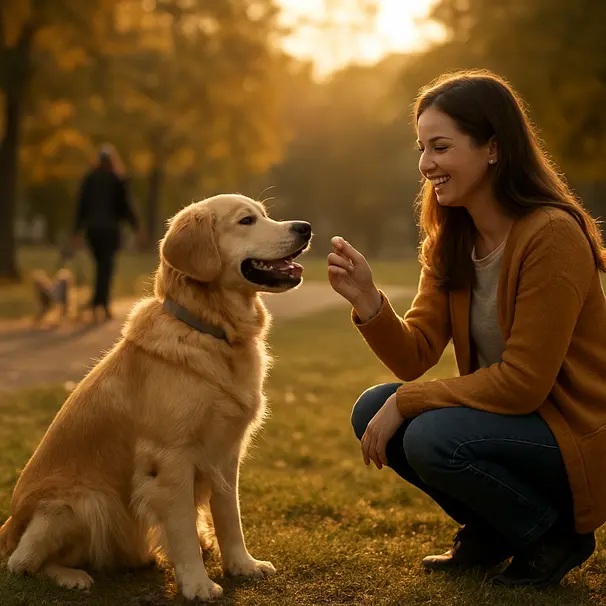
A friendly start to training
Training a dog is one of the kindest things you can do for them. It helps dogs feel safe, gives them structure, and makes living together calmer and more enjoyable. This guide is written for both pet owners and carers who want clear, practical steps to teach good manners and basic obedience. Read on for a gentle, realistic approach that works for most dogs, with tips you can use right away.
Keep the goal simple
Good training is about communication and trust. The aim isn’t perfection, it’s clarity. Dogs learn best when they understand what you want, feel motivated to respond, and experience consistent outcomes. Use short sessions, frequent rewards, and predictable cues. That combo usually beats long, confusing drills every time.
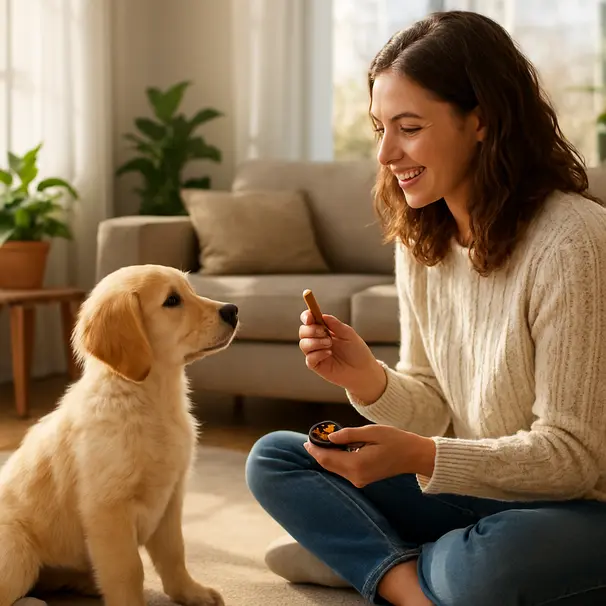
Training essentials: philosophy and tools
Training doesn’t need expensive equipment. It needs patience, timing, and the right tools used well.
- Rewards: high-value treats, a favourite toy, or enthusiastic praise. Change rewards to keep things interesting. Small, soft treats work best for many dogs during short sessions.
- Clickers and markers: a clicker or a consistent verbal marker like “yes” can help make the timing of rewards precise. The marker signals exactly which behaviour earned the reward.
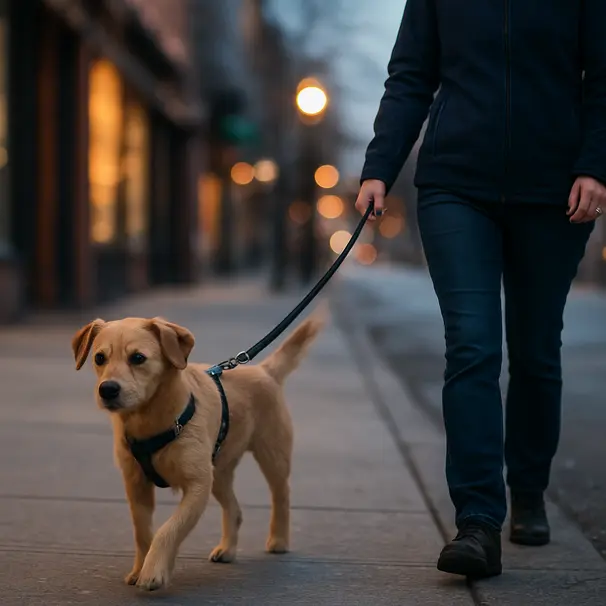
- Leash and collar options: a flat collar, a martingale, or a well-fitted harness works for most walks. Know how each tool changes control and comfort.
- A safe space: a crate, a quiet room, or a bed where the dog can relax and reset. Think of it as their den, not punishment.
Training sessions should be short and joyful. Aim for 5 to 10 minutes, two to four times a day. If a dog becomes distracted or frustrated, finish on a calm, successful note and try again later.
Timing, consistency, and clarity
Timing matters. Reward immediately after the behaviour you like, so the dog links action and reward. Use the same cues and body language for commands. If multiple carers are involved, share a short cheat sheet of cues and rewards so everyone stays consistent.
Consider puppies and older dogs differently. Puppies often need more repetition and shorter sessions. Older dogs may learn slower or need modifications, but they can still pick up new tricks with patience.
Core commands to teach first
A small vocabulary of reliable commands makes life much easier. Start with these and expand slowly.
Sit
- Hold a treat near the dog’s nose, then move your hand up and back so the nose follows and the rear naturally lowers. Say “sit” as the rear touches the floor, mark with a click or a “yes”, then give the treat.
- Practice from different positions and add distractions gradually.
Come (recall)
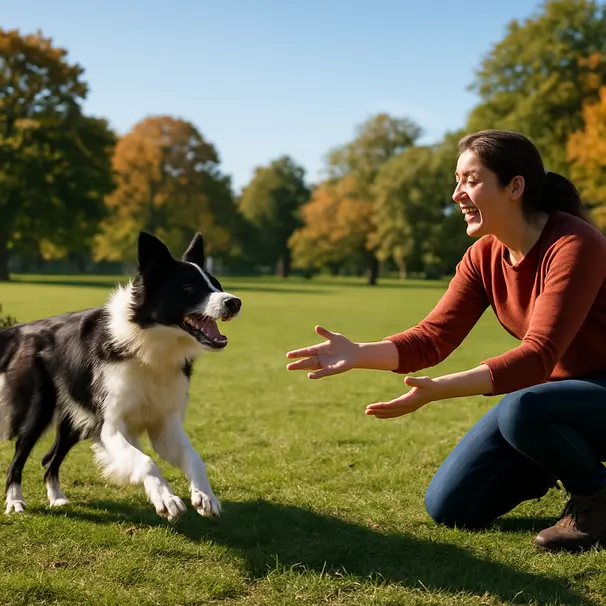
- Use a happy, enthusiastic tone. Start close and reward generously. If the dog hesitates, crouch or run backwards to make yourself more appealing.
- Avoid calling a dog to punish them. That breaks trust and weakens the cue.
Stay and wait
- Start with short stays: give the cue, step back one pace, then return and reward. Gradually increase distance and time.
- Teach “wait” for doorways and food bowls as a practical safety skill.
Leave it / drop it
- Place a treat in your closed hand. When the dog stops trying to get it, mark and reward with a different treat. Progress to leaving low-value items on the floor, covering them with your hand until the dog looks away, then reward.
- For “drop it”, trade an item the dog has for something even better. Keep the exchange calm.
Heel or loose-leash walking
- Reward the dog for being near your side. Use short bursts of walking, then stop and reward when the leash is loose.
- If the dog pulls, stop walking. Start moving again only when the leash relaxes. This teaches that forward movement comes with calm behaviour.
House manners and everyday habits
Teaching practical habits makes both carers’ and owners’ lives easier. These lessons often require patience over days and weeks, not minutes.
Greeting politely
Many dogs jump when excited. Teach an alternative: ask for a sit when people arrive. Reward calm greetings. If visitors ignore jumping, and only reward calm behaviour, the dog learns faster.
Crate basics and quiet time
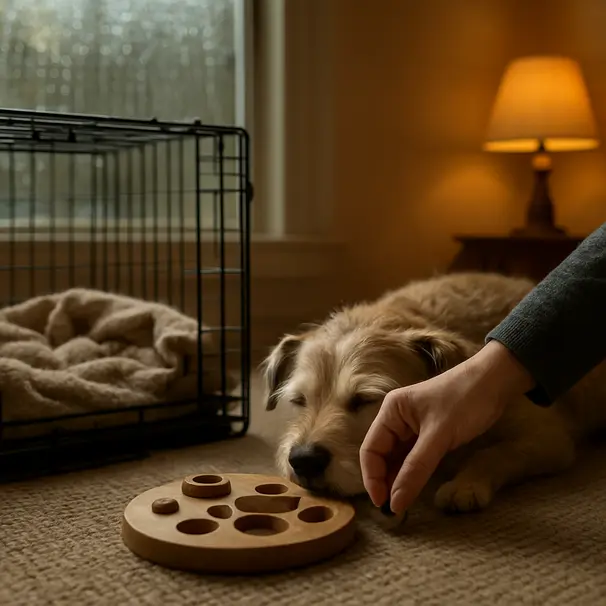
Make the crate a comfortable, positive space. Start by feeding meals nearby, then inside. Leave the door open so the dog chooses to enter. Use chew toys and a soft bed. Crate training can help with house training and gives dogs a predictable spot to decompress.
House training tips
- Keep a consistent schedule for bathroom breaks.
- Praise and reward outside immediately after the dog eliminates. Accidents happen. Clean them up calmly and avoid yelling.
- Consider a bell on the door for dogs that can learn to signal potty needs.
Handling manners
Regular, gentle handling helps with grooming and vet visits. Practice touching paws, ears, and mouth while offering treats. Short sessions build tolerance and trust.
Reading body language and managing stress
Learning to read stress signals helps prevent problems. Look for yawns, lip licking, turning away, or stiff bodies. These signs say the dog is uncertain or uncomfortable.
If a dog shows stress:
- Give space, reduce intensity, and lower your voice.
- Offer a high-value treat at a distance to change the dog’s emotional state.
- Consider breaking tasks into smaller steps and praise each tiny success.
If a dog’s behaviour changes suddenly, consider consulting the owner and recommend a vet check. Changes could be due to discomfort or health issues, and it’s best to rule that out.
Socialisation and enrichment
Socialisation is about positive exposure. Give dogs safe, gradual experiences with people, other dogs, and different environments. Always supervise interactions and stop if a dog looks worried.
Enrichment reduces boredom and problem behaviours. Try puzzle feeders, scent games, hide-and-seek with treats, or short training sessions that tire the brain. Rotate toys to keep novelty.
Games that teach impulse control
- “Wait for it”: hold a treat, only give it when the dog looks away or sits calmly.
- “Find it”: toss treats around a room to encourage searching and sniffing. This uses natural behaviours in a constructive way.
Handling common challenges
Here are practical approaches to frequent issues.
- Barking: identify the trigger. Reward quiet, and teach a “quiet” cue by marking short silences then lengthening them.
- Pulling on the leash: stop and wait for slack, or change direction when pulling starts. Reward for walking beside you.
- Resource guarding: trade items for higher-value treats and work in tiny steps. For serious guarding, suggest professional guidance.
- Fearful behaviour: go slowly, use distance, and pair exposure with yummy rewards. Avoid forcing interactions.
If a behaviour feels beyond quick fixes, encourage the owner to seek a qualified trainer or behaviourist. Trainers can offer personalised plans and safety guidance.
Special notes for pet carers
As a carer, you’re the bridge between an owner’s expectations and the dog’s routine. Clear communication helps everyone.
- Meet-and-greet: arrange a short introduction at the owner’s home. Ask about cues, food, medical needs, and favourite comforts.
- Maintain the routine: follow feeding times, walk lengths, and training cues the owner uses. Dogs thrive on predictability.
- Daily notes: leave a short message about walks, meals, potty times, and any new behaviours. It helps owners and builds trust.
- Safety first: always ask about vet contacts, emergency plans, and allergies. If something seems off, call the owner and recommend a vet visit if needed.
- Boundaries: know what you’re comfortable handling. If a dog has serious behavioural history, suggest a trainer or decline and offer to connect the owner with specialists.
Putting it all together: a simple weekly plan
Here’s a compact routine a carer or owner can use.
- Daily: two short training sessions (5–10 minutes each), one enrichment activity, and at least one structured walk.
- Twice weekly: a longer recall session in a safe, enclosed area, and a calm handling practice for 5–10 minutes.
- Weekly: review notes with the owner, update training goals, and rotate toys to maintain interest.
Consistency is the real magic. Little pockets of training and predictable routines add up quickly.
Parting thoughts for happy partnerships
Training is a relationship, not a checklist. Celebrate small wins, and keep expectations realistic. Dogs learn best from people who are kind, clear, and consistent. As a carer, your patience and calm will help dogs feel safe and confident. As an owner, your follow-through makes progress stick.
If you ever worry a behaviour may be linked to health, consider suggesting a vet visit. For complex or dangerous behaviours, a qualified behaviourist is the safest route. Above all, enjoy the process. Training time can become the best part of your day.
Quick reference checklist
- Short, frequent sessions, with high-value rewards.
- Clear cues, consistent language, and predictable outcomes.
- Read body language, reduce stress, and reward calm.
- Keep daily routines consistent and leave helpful notes if you’re a carer.
- Seek professional help for medical or serious behavioural concerns.
Training takes time, but it’s one of the most rewarding investments you can make for a dog. With patience, clear cues, and a little creativity, you’ll help any dog become a calmer, happier companion.