

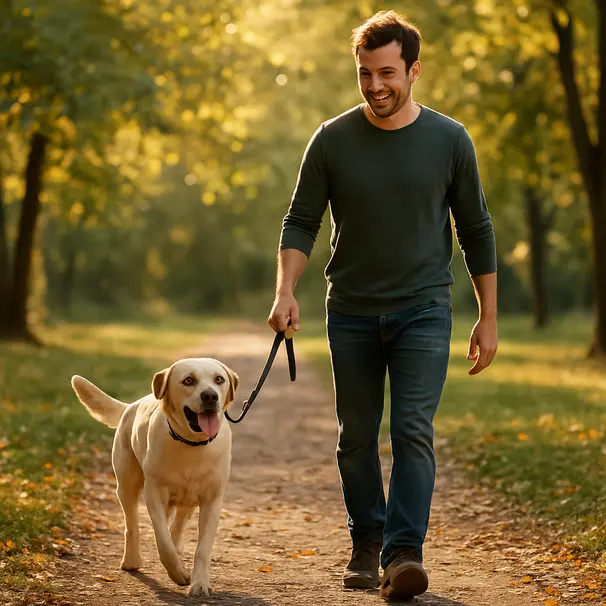
Dog obesity: risks & how to help
Dogs are family. When a favourite pup carries extra weight, we notice the slower stairs, the shorter walks, or the heavier breathing after play. It’s easy to think a chunky belly is cute, but extra pounds can affect a dog’s comfort and long-term health. This post is a friendly, practical roadmap for spotting weight issues, understanding potential risks, and taking simple, safe steps to help your dog feel better. Consider this a conversation between two pet lovers, with realistic tips you can try at home and with a trusted carer.
Why weight matters
Body weight affects joints, energy, and overall quality of life. Extra weight may make daily activities harder, and can contribute to conditions that make life less comfortable. That said, every dog is different in size, shape, and build. The goal is a healthy body condition, not an idealized number on a scale.
How to tell if your dog is overweight
A quick at-home check can give you a good idea. You can also ask a vet or a professional carer to help with a more thorough assessment.
Body condition score (BCS)
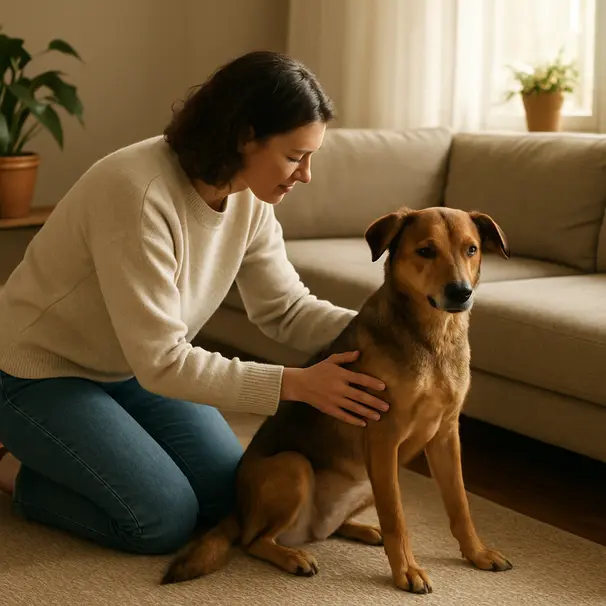
Pet professionals often use a body condition score, which looks at three things: ribs, waist, and tummy tuck.
- Ribs: You should be able to feel your dog’s ribs under a thin layer of fat, without pressing hard. If you can’t feel ribs at all, that may indicate excess weight.
- Waist: Seen from above, your dog should have a noticeable waist behind the ribs. If the waist is absent or the body is round, that may suggest extra weight.
- Tummy tuck: Seen from the side, the belly should rise up toward the hind legs. A sagging belly can be a sign of overweight.
These checks are gentle and quick, and they help you notice changes over time. If it’s confusing, ask a vet or an experienced carer to demonstrate.
Common causes of weight gain
Understanding the cause helps you choose the right strategy. A few common contributors are:
- Portion creep. Small increases in daily food or extra treats add up over weeks and months.
- Free-feeding. Leaving food out all day makes it hard to control intake.
- High-calorie diets and fatty treats. Some commercial treats are denser in calories than you might expect.
- Low activity. Older age, injury, or a busy household can reduce exercise.
- Neutering and metabolism changes. Hormonal shifts after sterilization may subtly change appetite or energy needs.
- Certain medications or medical issues. Some conditions can change weight, so consider a vet check if weight gain is sudden.
Health risks linked to obesity
Extra weight can increase stress on joints, which may make arthritis worse. It may also affect breathing, stamina, and the heart. Overweight dogs may be more likely to develop other conditions as they age. That said, the degree of risk varies, and gradual, supervised weight loss can improve comfort and mobility.
Always consider a veterinary exam if weight gain is rapid, or if your dog shows pain, breathing issues, or other new symptoms. A vet can help rule out underlying causes and suggest a safe plan.
A gentle, practical plan to help your dog
The best approach is gradual and steady. Fast weight loss can be stressful, and sudden changes in diet or activity can backfire.
1. Start with a vet check
Consider a vet visit before changing food or increasing exercise, especially for older dogs or those with medical conditions. Your vet may suggest blood tests or tailor a weight-loss plan. They can also recommend an ideal target weight and a safe weekly weight loss rate.
2. Measure food carefully
Freefeeding is convenient, but measuring helps control calories. Use a proper measuring cup or a kitchen scale. Follow feeding guidelines as a starting point, then adjust based on progress and vet advice.
- Weigh dry kibble if you can; cup sizes vary between brands.
- Split meals into two feeds to keep energy steady during the day.
- Track treats within the daily calorie budget.
A handy trick: swap calorie-dense treats for low-calorie options like carrot sticks, apple slices (no seeds), or training treats made for weight control. Always check that any human food is safe for dogs first.
3. Choose the right food
Some dogs may benefit from lower-calorie or higher-fibre diets. Prescription or veterinary-formulated weight-management diets exist, and may be worth considering if your vet recommends them. For others, simply cutting portion sizes and switching treats may be enough.
Look for foods that keep your dog feeling full without excess calories. High-quality protein and fibre can help with satiety. If you’re thinking about a new diet, consult your vet to ensure it meets nutritional needs.
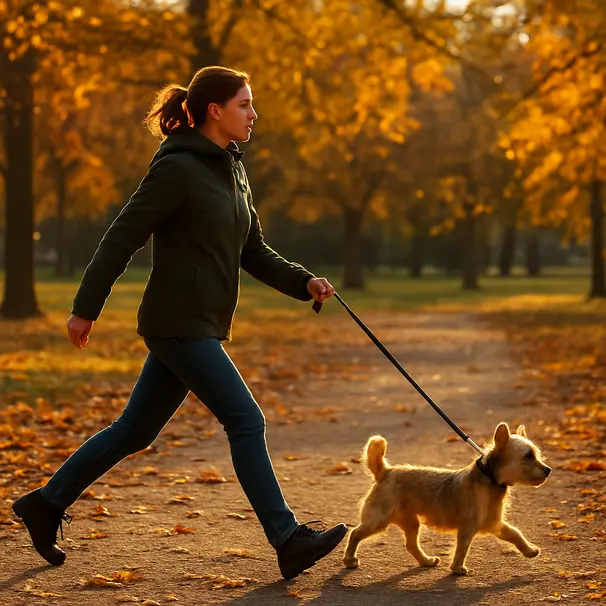
4. Make exercise enjoyable
Exercise shouldn’t feel like punishment. Short, frequent sessions can be as effective as long walks, and they’re easier on joints.
- Brisk walks: Aim for pace and consistency. Several short brisk walks add up.
- Play sessions: Tug, fetch, or chase games in a safe space can burn energy quickly.
- Swimming: A low-impact option for dogs with joint pain.
- Interactive games: Hide-and-seek, scent work, or chase-the-toy indoors on rainy days.
If your dog is sedentary or has mobility issues, start slowly. Gentle increase in duration and intensity can help avoid injury. A professional carer or trainer can suggest safe, tailored activities.
5. Enrichment and mental exercise
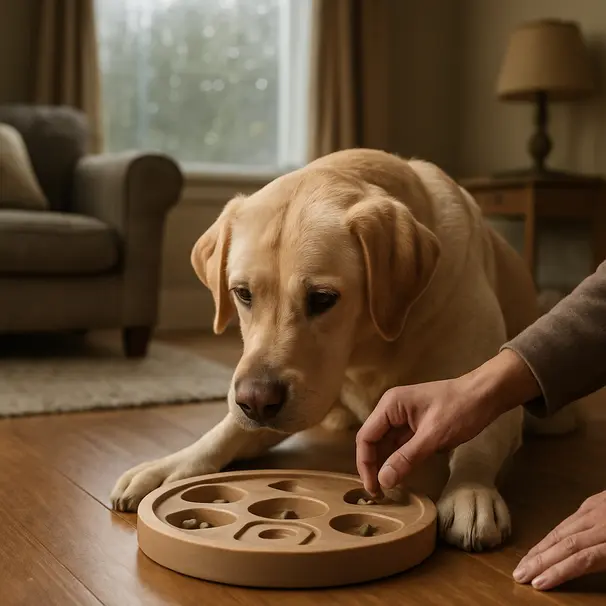
Weight control isn’t just about calories. A bored dog may beg or overeat. Enrichment can reduce food-seeking behaviours and keep the mind active.
- Puzzle feeders and kibble-dispensing toys can extend meal time and make eating more satisfying.
- Training sessions with tiny low-calorie treats or praise offer mental stimulation.
- Rotate toys to keep things interesting.
These activities can sometimes replace extra treats and help your dog burn a few extra calories in a fun way.
6. Treat management and family buy-in
Household cooperation is essential. Make sure everyone knows the plan so guests or kids don’t sneak extra snacks. If you use treats for training, count them as part of the daily allowance.
Consider limiting table scraps and using pocket-sized training treats. Another trick is to use a portion of the dog’s meal as training rewards rather than additional calories.
7. Track progress and adapt
Weighing your dog every two to four weeks gives you real data. Use the same scale and weigh at similar times of day for consistency. Also track body condition, energy levels, and mobility.
Small wins matter. If progress stalls, review portions, treats, and activity. A vet or nutritionist can help adjust calories or recommend alternatives.
Working with a pet carer or sitter
If you use Floofy or another carer, they can be a huge help. A reliable carer can:
- Follow the feeding plan and portion out meals.
- Run regular, timed walks at the right pace.
- Provide enrichment, puzzle toys, and training sessions.
- Record weight and behavior changes for you.
When hiring a carer, share the plan, show how to measure food, and explain treat limits. Ask for updates after each visit so you can track consistency.
Safe weight loss targets and pace
Rapid weight loss can be risky. A gradual pace feels better and is more sustainable. Your vet can recommend a target based on breed, age, and starting weight. Small, steady changes are kinder to metabolism and joints.
Common pitfalls and how to avoid them
- Relying on flashy “miracle” diets. If it sounds too good to be true, check with a vet.
- Skipping portion control because you assume exercise alone will fix it. Both food and activity matter.
- Punishing a dog for begging. Reward calm behaviour with attention, not food.
- Ignoring slow progress. Tiny reductions add up over months.
Real-life tips from carers and owners
- Use a separate kitchen station for measuring food so it becomes part of your routine.
- Freeze portions of wet food into ice-cube trays for controlled snack-sized portions.
- Make walks more interesting by changing routes or adding short training intervals.
- Celebrate non-scale victories: more spring in the step, easier stairs, or longer play sessions.
When to see the vet urgently
Consider prompt veterinary attention if weight gain is rapid, if your dog suddenly changes appetite, or if you notice signs of pain, laboured breathing, or extreme lethargy. These could suggest an underlying problem that needs diagnosis.
Final thoughts
Helping a dog shed extra weight is an act of love. It can take time and patience, but steady, compassionate changes often lead to better mobility, more energy, and a happier life. Involve your vet and a trusted carer for support, and focus on habits you can keep long term. Small adjustments add up, and your dog will thank you in cuddles and tail wags.
If you need help building a routine, consider a trusted sitter or dog walker from Floofy who understands portion control and enrichment activities. A little teamwork goes a long way toward a healthier, happier pup.
Quick checklist to get started
- Book a vet check to rule out medical causes.
- Measure and record current food amounts.
- Replace calorie-dense treats with low-calorie options.
- Schedule short, frequent walks or play sessions.
- Add puzzle toys to mealtime twice a week.
- Weigh and photograph progress every 2–4 weeks.
You’ve got this. With kindness, consistency, and the right help, most dogs can move toward a healthier weight and a brighter, more comfortable life.