

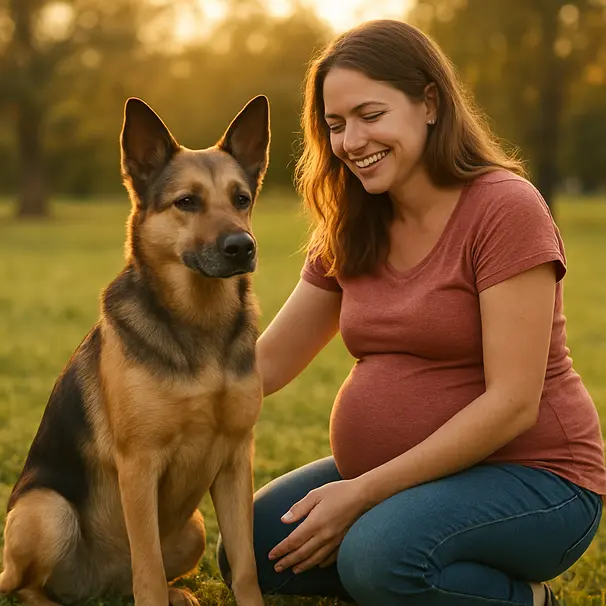
A warm hello to expectant dog families
If your dog is expecting, congratulations. That flutter of excitement, worry, and curiosity is totally normal. This guide walks you through how long pregnancy usually lasts, what to expect week by week, practical care tips, and how to prepare a safe welcoming space for the new litter. Think of it as a friendly roadmap you can read now and share with any carers helping you.
A quick note on vet advice
Every dog is different. The suggestions here can help you prepare, but consider your vet the best source for tailored guidance. If you notice anything unusual, don’t hesitate to reach out for professional advice.
How long is a dog pregnancy?
A typical canine pregnancy lasts around 63 days from conception. That’s the common benchmark, though it’s normal for the full term to range from about 58 to 68 days. Timing can vary depending on breed, litter size, and individual differences.
- Small breeds may show signs sooner and deliver a little earlier.
- Large breeds sometimes carry a bit longer.
Because detecting the exact day of conception can be tricky, many owners track the start from a known breeding date or rely on veterinary ultrasound and palpation to estimate due dates. Consider scheduling a vet visit mid-pregnancy to get a clearer timeline.
Signs and timeline: what to expect week by week
Pregnancy often follows a rough timeline, and you may notice physical and behavioral changes. These are general patterns, so use them as a guide rather than a strict rule.
Weeks 1–2: Early stages are often silent. You might not notice obvious signs. Some dogs act entirely normal, while others may feel a little tired.
Weeks 3–4: Appetite changes can start. Some dogs eat less for a short time, others may get hungrier. You might feel small swellings when gently palpating the abdomen. Consider a vet check if you want confirmation.
Weeks 5–6: The belly becomes more noticeably round. Mammary glands enlarge. Energy levels can vary. An ultrasound around this stage may show developing embryos and estimate litter size.
Weeks 7–9: The final stretch. Appetite often increases, and nesting behavior may begin. Puppies grow quickly and settle into position for birth. Keep a close eye on your dog’s comfort and consult your vet for a pre-birth check.
A few things to keep in mind:
- False pregnancy (pseudopregnancy) can make a non-pregnant dog show many pregnancy-like signs. A vet exam can help tell the difference.
- Litter size, breed, and individual health make a difference in how your dog looks and behaves.

Prenatal care: nutrition, exercise, and vet checks
Good prenatal care helps mum and her puppies stay well. Small, consistent actions often make the biggest difference.
Nutrition
- Quality food matters. Consider feeding a high-quality commercial diet appropriate for pregnancy and lactation. Some commercial puppy formulas are recommended during late pregnancy and nursing because they offer extra calories and nutrients.
- Feed smaller, more frequent meals late in pregnancy as the growing puppies can crowd the stomach.
- Avoid sudden diet changes. If you need to switch food, do it gradually and consult your vet.
- Supplements can help in specific cases, but consider them only under veterinary guidance. Unnecessary or excessive supplements may cause issues.
Exercise and comfort
- Gentle daily walks and light play usually help maintain muscle tone and mood. Avoid high-impact activity or intense endurance exercise in later pregnancy.
- Offer comfortable resting spots with soft bedding and easy access to water.
- Keep her stress low. Changes in routine, loud events, or intense interactions can be upsetting. Calm reassurance and consistent care can help.
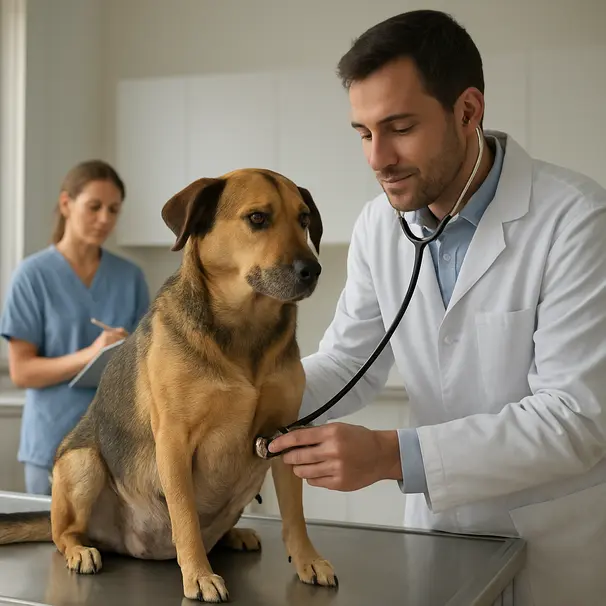
Veterinary checks and diagnostics
- Consider a mid-pregnancy check. A vet can confirm pregnancy, estimate litter size with ultrasound, and screen for conditions that might affect whelping.
- Discuss vaccinations and parasite control. Some treatments should be given before breeding, and others adjusted during pregnancy.
- Talk about a plan for the birth and postnatal care. Your vet can share tips for emergency signs and what to expect during labor.
Preparing for whelping: space, supplies, and a plan
Creating a calm whelping area gives mum a safe place to labor and care for her puppies. Start setting the space up a couple of weeks early so your dog can become familiar with it.
Essentials for your whelping corner:
- A whelping box, low-sided so puppies can’t wander but shallow enough for mum to step in and out easily.
- Clean, washable towels and blankets. Plan for several changes a day.
- A felt or soft mat to provide traction for newborns.
- A heat source such as a low-heat pad or heat lamp positioned safely so puppies can move away if they get too warm.
- Basic birthing supplies in a labeled kit: clean towels, disposable gloves, sterile scissors, dental floss or suture material to tie off umbilical cords if needed, iodine for umbilical cleaning, and a flashlight.
- A scale to weigh puppies daily in the first week, and a thermometer to check mum’s temperature if needed.
Make an easy access plan for you and any carers. If you have a trusted pet carer or a Floofy sitter helping, share a checklist and show them where supplies live. Rehearse calm handling so the dog associates people with gentle, helpful interactions.

The big day: signs of labor and a gentle approach
Labor can start subtly. Many dogs show nesting behavior, refuse food, and become restless. A drop in body temperature may precede active labor by 12–24 hours. Again, check with your vet for specifics on temperature ranges and what to watch for.
Stages of labor you may see:
- Early labor: Restlessness, panting, loss of appetite, nesting. Contractions may be mild and intermittent.
- Active labor: Stronger contractions, clear discharge, and the arrival of puppies. This is the stage where most pups are born, usually with intervals that vary from a few minutes to an hour or more between puppies.
- Afterbirth: Mum should deliver a placenta after each puppy. Count placentas and puppies to help detect retained placentas.
Tips for supporting mum:
- Stay calm and quiet. Soft praise and a gentle presence help more than hovering or bright lights.
- Only intervene if you know how or if your vet instructs you. Many healthy births proceed without hands-on help.
- Keep warm, clean towels on hand and be ready to gently clear a puppy’s mouth and nose if breathing seems delayed.
When to call a vet or emergency clinic:
- Strong contractions for more than an hour with no puppy.
- A puppy visible in the birth canal for a long time without progress.
- Weakness, heavy bleeding, or very high fever in mum.
These are examples of red flags. Discuss your plan with a vet beforehand so you can act quickly if needed.
After birth: feeding, monitoring, and early care
The first 24–48 hours are precious. Puppies rely entirely on mum for warmth and colostrum, which provides important antibodies. Watch that each puppy latches and feeds well in those first hours.
- Encourage skin-to-skin contact and supervised nursing.
- Weigh puppies daily. A steady weight gain is a good sign; losing weight or failing to gain may need prompt attention.
- Keep the area warm and draft-free. Newborns can’t regulate body temperature well for several weeks.
- Monitor mum for appetite, milk production, and any signs of discomfort or infection. A vet check 24–48 hours after birth can be a good idea to ensure everyone is healthy.
If a puppy is not feeding, consider supplemental feeding after discussing methods with your vet. Never give formula designed for other species. Puppy-specific milk replacers are available and can help in emergencies.
Working with a pet carer or breeder: practical tips
If you’ll have help from a pet carer, sitter, or breeder, clear communication is key. Here are some practical tips to make shared care smoother:
- Create a written care plan with feeding schedules, emergency contact numbers, and vet details.
- Show carers the whelping area and supplies ahead of time, and run through how you’d like them to support mum.
- Agree on boundaries: how and when to handle puppies, when to call you, and when to contact the vet.
- Keep a logbook with puppy weights, feeding times, and any notes — it’s a simple way for everyone to stay informed.
On platforms like Floofy, look for carers with experience in neonatal or breeding care. Ask for references and specific experience with whelping if that’s a priority. Trust and calmness are the most valuable traits in a caregiver during this time.
When to contact your vet: clear red flags
Contact your vet or emergency clinic if you notice:
- No puppy delivered after strong contractions lasting more than an hour.
- Discolored, foul-smelling, or heavy bleeding from the vulva.
- Mum seems very weak, confused, or collapses.
- A puppy is blue, limp, or has difficulty breathing and does not respond quickly to gentle stimulation.
- Mum’s temperature remains high or very low for an extended period.
If you’re unsure, call. A quick conversation can help you decide if a clinic visit is necessary.
Quick whelping checklist
- Whelping box set up two weeks early
- Clean towels and bedding
- Heat source and thermometer
- Birthing kit: scissors, gloves, iodine, dental floss
- Scale for weighing puppies
- Vet contact and emergency clinic details
- Written care plan for any carers helping
Final thoughts
Watching a pregnant dog through to motherhood is a big responsibility and a wonderful experience. With calm preparation, gentle care, and a plan that includes your vet and trusted carers, you’ll give mum and her puppies the best possible start. Be patient with yourself and your dog, and remember: small, steady steps lead to big comfort for everyone.
If you’re arranging help, consider choosing a carer experienced with whelping tasks. A familiar, calm presence can make a huge difference for a nervous mum. Good luck, and enjoy meeting those new paws soon.