


Dog restless at night? Here’s why
A sleepless dog means a sleepy owner, and that can quickly turn into a household of frazzled nerves. If your dog has been pacing, whining, jumping up, or suddenly asking for attention during the night, you’re not alone. There are lots of reasons a dog might be restless, and many of them can be eased with some practical changes. This post walks through common causes, simple fixes you can test tonight, and how carers can help keep nights calm.
How to tell if your dog is truly restless
Restlessness can look different depending on your dog’s personality and routine. Watch for patterns rather than single nights. Common signs include:
- Repeated pacing or circling, especially around bedtime
- Frequent whining, barking, or small yelps at night
- Getting up, nudging you, or pawing at the bedroom door
- Changes in sleeping position or inability to settle
- Increased activity at times your dog used to sleep
If these behaviours happen occasionally, consider recent disruptions like a late walk, a noisy neighbor, or a change in feeding time. If they become regular, try tracking what happens each night for a week. Note time of first waking, any triggers you spot, and how long it takes your dog to settle.
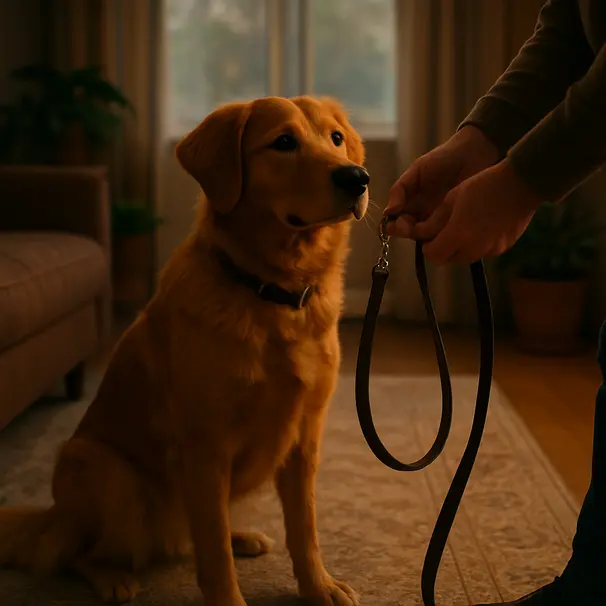
Common reasons dogs are restless at night
Dogs don’t have insomnia for the same reasons humans do, but they can be uncomfortable, anxious or under-stimulated. Here are the most frequent causes and what to look for.
1. Not enough daytime exercise or mental stimulation
Some dogs need a lot more activity than they get. A dog who hasn’t burned off excitement may have excess energy at night. It’s not just about long walks. Puzzle toys, training sessions, and playtime all help.
Look for late-day zoomies, high energy during the evening, or refusal to relax. Increasing daytime activity often improves sleep quality.
2. Anxiety and separation stress
Dogs are social animals. If they’re used to people around and suddenly left alone at night, they may feel anxious. This shows as pacing, whining, or scratching at doors.
Triggers include new household routines, a recent move, or a change in a family member’s schedule. Younger dogs or dogs with a history of shelter life may be especially sensitive.
3. Medical discomfort or pain
Arthritis, bladder issues, ear infections, digestive upsets, or even itchiness can disturb sleep. Older dogs might wake because of pain or cognitive changes.
Watch for changes in appetite, limping, increased water intake, or accidents in the house. If you suspect medical causes, consider a vet check.
4. Environmental factors
Noisy streets, a bright hallway light, uncomfortable bedding, or a drafty room can all wake a dog. Even small things like a new scent on bedding or a different sleeping spot can matter.
Try to make the sleeping area consistent, quiet, and cozy.
5. Schedule changes
Dogs thrive on routine. New work hours, visitors, or travel can throw bedtime off. Even a single late-night event can shift a dog’s expectation about when to sleep.
Gradual schedule changes usually work better than sudden shifts.
6. Dietary and bathroom timing
A late heavy meal or too much water right before bed may cause discomfort or nocturnal bathroom needs. Adjusting feeding times and evening water access can help.
7. Age-related sleep changes
Puppies and seniors have different sleep needs. Puppies may wake from excitement, needing a bathroom break or gentle reassurance. Older dogs may wake with confusion or discomfort and may benefit from quieter, more supportive bedding.
Quick checks to run tonight
If your dog is restless tonight, run through this short checklist. These are low-effort changes that can tell you a lot.
- Take a brisk walk or a 10–15 minute active play session about an hour before bedtime.
- Offer a calming chew or a safe stuffed Kong to encourage focused chewing.
- Make the sleeping area darker and quieter. Close curtains, use soft padding, and move any noisy clocks.
- Check for any signs of injury, blood in urine, or unusual smells.
- Shift a late meal earlier and limit water an hour before bed, unless a vet advises otherwise.
Often a combination of a little extra exercise and a consistent wind-down routine can show quick improvements.
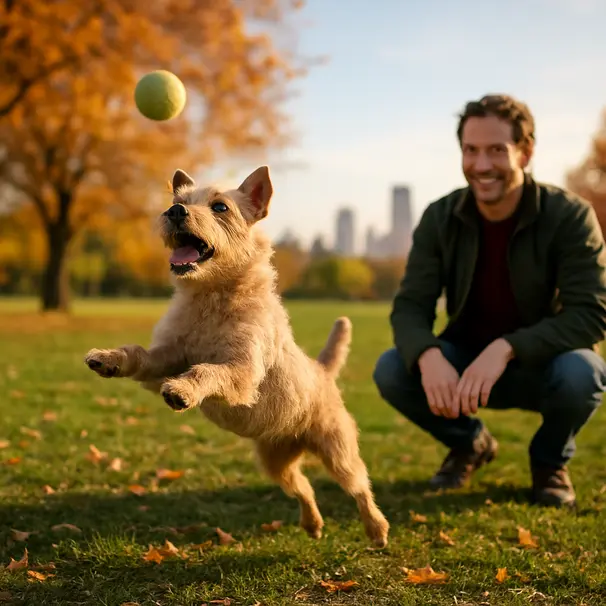
Practical fixes that can help long term
Consistency is the secret sauce. Small changes, repeated, make a big difference.
Create a calming bedtime routine
Dogs learn by repetition. Try this sequence for a couple of weeks and see if it helps:
- A calm walk 45–60 minutes before bed, with a few minutes of sniffing to tire mental energy.
- Indoor enrichment like a food puzzle, training cue practice, or a chew when you get home.
- Dim the lights, play soft music or white noise, and offer the bed or crate as a positive place.
- Quiet time with you for five to ten minutes to reinforce the feeling of safety.
Make nights predictable
Keep bedtimes and wake-up times similar every day. Dogs may adapt quickly to a reliable schedule.
Increase daytime enrichment
A tired dog sleeps better. Add short training sessions, scent games, or interactive toys into the day. Even five-minute bursts of brain work a few times daily can reduce nighttime restlessness.
Manage anxiety with gradual desensitisation
If separation anxiety plays a role, practise short, calm absences during the day. Leave your dog for a few minutes, then come back calmly. Gradually increase the time apart. Consider pairing departures with a safe, long-lasting food toy.
Upgrade bedding and sleeping spots
Orthopaedic beds can ease pain for older dogs. A soft blanket that smells like home can comfort anxious dogs. Place the bed away from drafts and loud appliances.
Consider calming aids carefully
Products like pheromone diffusers, anxiety wraps, and vet-recommended supplements may help some dogs. These options can be extra support, not a replacement for training or medical care. Talk to your vet before trying new supplements.
Work with a vet for medical issues
If you suspect pain, urinary problems, nocturnal coughing, or frequent waking, schedule a vet visit. A basic exam, blood work, or imaging may reveal issues that can be managed.
How pet carers and sitters can help overnight
If you hire a pet carer or use overnight sitting, good communication matters. Share what helps your dog sleep and what to avoid.
Tips to share with carers:
- Your dog’s usual bedtime routine and preferred sleeping spot
- Foods, toys, or chews that calm your dog
- Any medical needs or medications and exact dosing times
- How your dog asks for attention when anxious, and how you prefer it handled
- Emergency contact info and the nearest vet
A great carer will follow routines, offer calm reassurance, and report any unusual night behaviours. If a carer notices a sudden increase in restlessness, they should contact you and recommend a vet if needed.
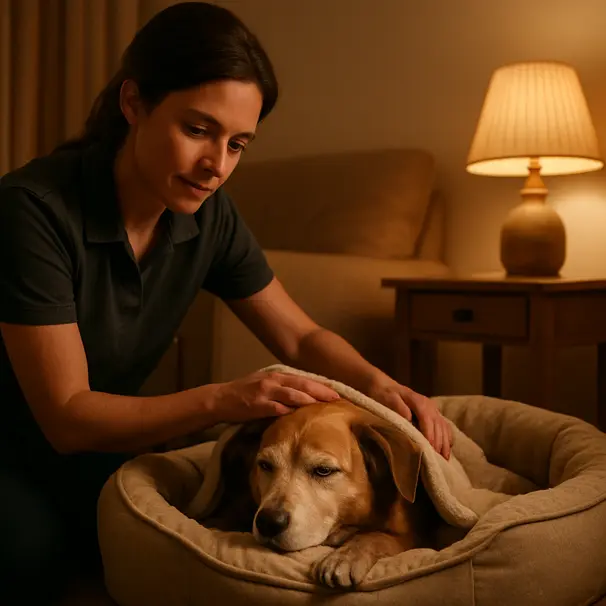
Night checklist for pet carers
- Stick to the owner’s bedtime routine
- Provide a quiet, dim area and familiar bedding
- Offer enrichment before lights out
- Limit late food and water unless specified
- Note and report any signs of pain, vomiting, or bathroom accidents
Carers can be a huge help in stabilising a dog’s routine when owners are away. Choose carers who are calm, observant, and experienced with nighttime needs.
When to see the vet sooner rather than later
Consider booking a vet visit if:
- Restlessness is new and persistent for several nights
- There are physical signs like limping, vomiting, frequent urination, or blood in urine
- Your dog seems disoriented, confused, or shows personality changes
- Restlessness is accompanied by a sudden loss of appetite or severe lethargy
A vet visit can rule out pain, infections, metabolic imbalances, or other health issues. Use the phrase may or could when discussing possible causes with your vet, since only a professional exam can confirm a diagnosis.
Long-term support and training
If restlessness is a recurring problem, thinking long term helps. Work with a trainer or behaviourist if anxiety or learned night-time attention-seeking is part of the picture. A professional can create a gradual plan that reduces stress and improves sleep for everyone.
Combine training with environmental changes, enrichment, and possible medical management. Progress may be gradual but is usually steady.
Small comforts that make a big difference
- A night light in the hallway for older dogs who may get confused
- A radio or white noise app to mask outside sounds
- A crate if your dog finds it safe and calming, introduced positively
- A short check-in routine rather than long comforting sessions when your dog wakes at night
These little adjustments often help dogs feel safe without encouraging attention-seeking behaviour.
Final thoughts
A restless night or two doesn’t always mean something serious. With observation, small adjustments, and a consistent routine, many dogs settle faster and sleep more soundly. If you’re trying tips for a few weeks with no improvement, or you spot worrying physical signs, talk to your vet. And if you need overnight help, choose a carer who understands your dog’s routine and can keep nights calm.
A rested dog is a happier companion. Try one or two changes tonight, track how your pup responds, and be patient. With some detective work and gentle fixes, those peaceful nights can come back.