

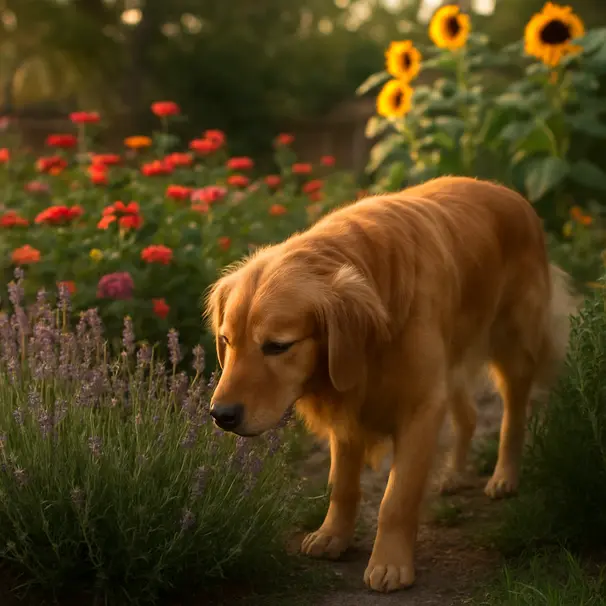
Dog-safe plants to brighten your garden
A garden should be a happy place for everyone in the family, including the four-legged members. If you love plants and you share your life with dogs, choosing the right greenery makes a big difference. This guide walks through friendly plant choices, layout ideas, and easy care tips to help you build a bright, safe garden your dog will enjoy.
Why pick dog-safe plants
Dogs explore with their noses, mouths and paws. They’ll sniff, nibble and sometimes roll in shrubs. Choosing plants that are non-toxic and sturdy can reduce risks and save you from sudden chewed-up begonias. Using dog-safe plants also means less worry for pet carers and neighbours who may spend time with your pup.
Dog-safe doesn’t mean boring. Many fragrant, colorful and textured plants are gentle for curious noses. You can create scent trails, shady nooks, and visual interest without resorting to harsh chemicals or toxic species.
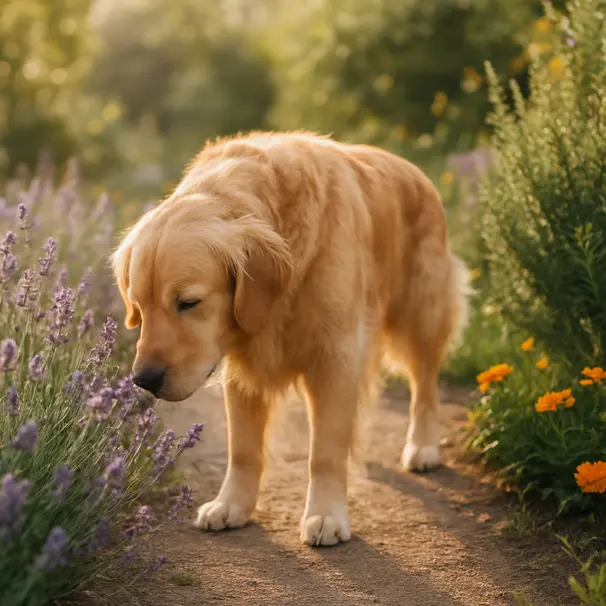
A few garden design basics before planting
- Pick zones. Designate a play area, a quiet spot, and a planting area. Dogs appreciate predictable spaces. A small gravel path or a low fence can keep enthusiastic diggers away from fragile beds.
- Think low-tox textures. Look for sturdy groundcovers and grasses that tolerate trampling. Mix in tall, forgiving shrubs for vertical interest.
- Use pots and raised beds. These give plants extra protection and let you rotate pots if a dog gets too curious.
Plant choices that tend to be dog-friendly
Below are practical plant suggestions that are commonly regarded as safe for dogs. Remember: even non-toxic plants can cause upset stomachs if eaten in large amounts, so discourage nibbling and check with your vet if your dog has a sensitive tummy.
Lavender (Lavandula)
Lavender brings scent, pollinators and a relaxed vibe to the garden. Most lavender varieties are not considered toxic to dogs, and the plant’s texture tolerates light sniffing and brushing past. Use it along paths or near seating areas.
Rosemary (Rosmarinus officinalis)
A hardy herb that smells fantastic and handles dry spots well. Rosemary can be planted in pots or hedges. It’s generally safe for dogs and can be snipped fresh for cooking.
Snapdragons (Antirrhinum majus)
Bright and cheerful snapdragons add vertical color without common toxicity concerns. They’re great for borders and containers.
Camellias (Camellia japonica)
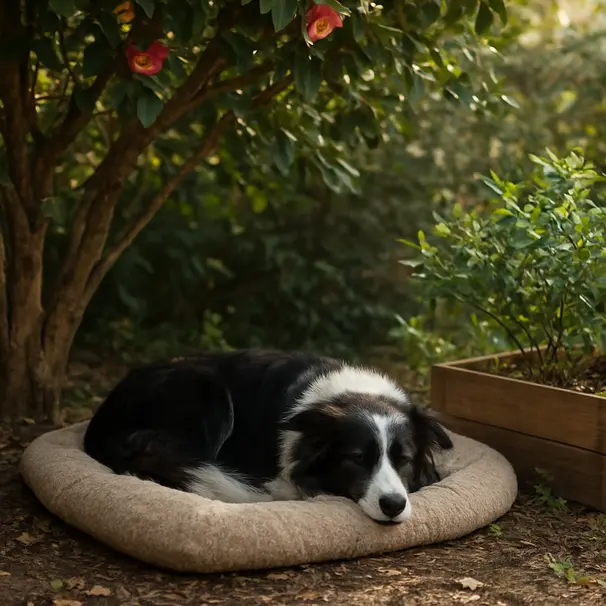
These evergreen shrubs offer glossy leaves and elegant blooms. Camellias are usually safe and make lovely sheltered corners for a dog to rest in shade.
Marigolds (Tagetes)
Marigolds are tough, colorful, and good at deterring some pests. They’re not known to be toxic to dogs and are easy to grow in mass for cheerful borders.
Sunflowers (Helianthus annuus)
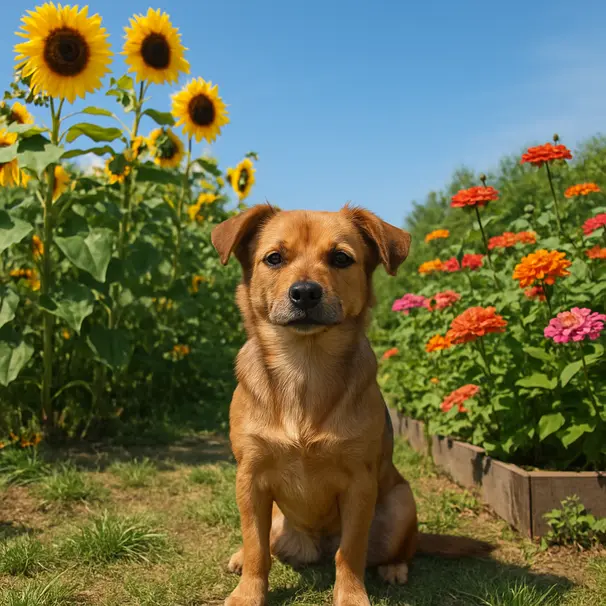
Tall, sunny, and remarkably robust. Dogs love watching their height and the birds they attract. Sunflowers are generally non-toxic and create a joyful backdrop.
Blueberries (Vaccinium)
If you want something edible, low-growing blueberry bushes are a treat. Fruit can be a healthy snack in moderation. Blueberries also attract pollinators and have attractive autumn foliage.
Zinnias (Zinnia elegans)
Long-blooming, bright, and fuss-free, zinnias stand up to playful paws and children. They’re perfect for cut-flower patches too.
Phlox (Phlox paniculata)
Phlox creates mounds of flowers in mid-summer and is generally considered pet-safe. It works well at the edge of beds where dogs can admire without trampling.
Ornamental grasses
Switchgrass, blue fescue and other clumping grasses add movement and texture. They tolerate roughhousing and bounce back after being brushed.
How to place plants for safety and durability
Placement matters as much as plant choice. Think about sightlines and dog behavior. Here are practical layout tips:
- Put resilient plants where dogs play. Choose tough groundcover, ornamental grasses and shrubs near paths and play zones.
- Keep curious plants up high or behind barriers. If you adore delicate blooms, give them a raised bed or a small fence.
- Create a sniff garden. Dogs love scent. Plant fragrant herbs like rosemary, lemon balm, and catmint in a dedicated corner to keep their noses engaged.
- Add visual boundaries. Low hedges, logs, or decorative stones guide dogs away from fragile areas without looking clinical.
Soil, watering and companion care
Healthy soil supports robust plants that bounce back. Compost and mulch help retain moisture and reduce weeds. For pet-friendly mulch, avoid cocoa bean mulch, which can be harmful to dogs.
Watering in the morning lets leaves dry by evening, reducing fungal risks and keeping plants healthier. If you use fertilizers or pest controls, seek pet-safe products and follow label guidance. Consider using physical barriers before chemical approaches.
Training tips to protect plants
A little training goes a long way. Encourage your dog to stay on paths using treats and praise. Teach a reliable recall and a “leave it” cue for nascent plant-chewing moments. Offer enrichment alternatives like chew toys or puzzle feeders to reduce boredom-based sampling of greenery.
Seasonal care and planting calendar
- Spring: Plant perennials and herbs. Refresh mulch and set up new raised beds.
- Summer: Keep an eye on watering and provide shade. Replace any chewed annuals with sturdier options.
- Autumn: Clean up fallen fruit and leaves to avoid slips. Plant bulbs for spring color.
- Winter: Protect tender pots and drain shallow water features to prevent freezing hazards.
Seasonal tasks aren’t just about plants, they’re about keeping your dog safe and the garden enjoyable year-round.
Common plants to avoid around dogs
There’s no need to be alarmist, but it helps to know a few common plants that can cause problems. If you have these in your neighbourhood, supervise sniffing and prevent chewing. Examples include:
- Oleander
- Foxglove
- Sago palm
- Rhododendron and azaleas
- Lily of the valley
If your dog eats parts of any unusual plant and seems off—lethargic, vomiting or unusually drooly—contact a vet. Keep photographs of suspect plants handy on your phone for quick ID.
Enrichment ideas that use dog-safe plants
- Scent trails: Lay a trail with dabbed herbs to encourage nose work and slow exploration.
- Treat planting: Plant a patch of edible blueberries or raspberries and offer a supervised nibble session as a reward.
- Shade nook: Arrange a comfy bed beneath a camellia or large shrub for afternoon naps.
- Sensory paths: Combine different textures—pebbles, soft grass, and fragrant herbs—for a dog-friendly walking circuit.
Plant-proofing tips for busy households
- Use sturdy planters for prized plants and anchor them so they don’t tip over.
- Keep small, tempting bulbs and bulbs stored out of reach until planted.
- Use companion planting to distract nibblers; herbs like mint can be planted in pots to contain their spread.
- Label plants with simple tags so carers and visitors know what’s safe and what to avoid.
Working with pet carers and visitors
If you use pet carers or welcome friends who walk your dog, share a short garden map. Highlight safe zones, off-limits beds and where to find water. Leave a quick list of plants to avoid and your preferred training cues. Clear communication makes outings smoother and protects your plants.
Quick troubleshooting: bite marks, digging and allergies
- Bite marks: If a pup repeatedly nibbles the same plant, try relocating that plant, or swap it for a sturdier species.
- Digging: Create a dig box with soft soil or sand, and bury toys to redirect energy away from your beds.
- Allergies: If your dog shows itchy skin or sneezing after being in certain plants, note the timing and talk to your vet about possible sensitivities.
Final thoughts
A dog-safe garden is a warm, living space that welcomes curiosity and keeps risks low. With a bit of planning, you can mix vibrant color, scent and texture without trading safety for style. Pick hardy, non-toxic plants in high-use areas, create clear zones, and use training and enrichment to protect both plants and pups.
Gardening with a dog is a joyful project. Celebrate small wins, like a plant that survives the summer or a new sniffing route your dog loves. With these tips, you’ll have a greener, brighter garden that both you and your dog can enjoy together.
If you’re unsure about a specific plant or your dog’s reaction, consider checking a reliable plant database or asking your vet. Happy gardening and tail wags ahead!