

Dog salmonella: symptoms & prevention
Salmonella might sound like a big, scary word, but with some practical know-how you can help keep your dog safe and your home calm. This guide walks through what salmonella is, how dogs can pick it up, signs to watch for, sensible prevention steps, and simple things carers and owners can do at home. I’ll keep this friendly and practical, like chatting with a fellow dog lover over a cup of tea.
What is salmonella?
Salmonella is a group of bacteria that can live in the intestines of animals and people. In dogs, it may cause tummy upset or more serious illness, depending on the dog’s age, overall health, and the amount of bacteria involved. Not every dog infected with salmonella will show obvious signs, and that’s part of why it can be tricky.
How dogs can get salmonella
- Eating contaminated food, especially undercooked meat or raw diets, can be a common route.
- Scavenging outdoors, including garbage, dead animals, or bird feeders, may expose a dog to bacteria.
- Contact with other infected animals or their feces can spread salmonella.
- Contaminated surfaces, water bowls, or toys might transfer bacteria between dogs and people.
Dogs with weaker immune systems, puppies, and older dogs may be more likely to get sick after exposure. Carers and owners should be mindful that a dog who looks fine can still carry and shed bacteria.
Signs and symptoms to watch for
Some dogs show obvious signs, and others may only have mild or intermittent symptoms. If you notice any of these, consider contacting a vet for advice.
- Diarrhea, which may be watery and sometimes contain blood
- Vomiting
- Lethargy or a sudden drop in energy
- Loss of appetite
- Fever
- Dehydration, shown by dry gums or reduced skin elasticity
- Occasionally, joint pain or other signs if bacteria travel beyond the gut
Because these signs overlap with many other conditions, they don’t prove salmonella on their own. Still, they’re a helpful checklist for deciding whether to reach out to a veterinary professional.
When symptoms are subtle
Some dogs may only have mild diarrhea or no signs at all and still shed salmonella. If your dog has been exposed to risk factors, like raw food or scavenging, it’s worth mentioning this to your vet even if symptoms are mild.
When to contact a vet
If your dog shows persistent vomiting, bloody diarrhea, severe lethargy, or signs of dehydration, consider contacting a vet promptly. Young puppies, older dogs, or pets with existing health issues may need quicker attention. If someone in the household is pregnant, elderly, very young, or immunocompromised, let the vet know, since there can be increased risk to people.
A vet may suggest stool testing, blood tests, or supportive care based on the dog’s condition. Remember to frame your concerns in terms of what you’ve observed, how long symptoms have been happening, and any recent exposures to raw food or risky environments.
Diagnosis and treatment: what to expect
Diagnosis typically involves testing a stool sample to see whether salmonella is present. A vet might also suggest bloodwork to check hydration and organ function if the dog seems unwell.
Treatment often focuses on supportive care. This can include:
- Fluid therapy to address dehydration and electrolyte imbalance
- Rest and a bland, easily digestible diet while recovering
- Monitoring for secondary infections or complications
Antibiotics may be considered in certain situations, for example if the dog is very ill or if the bacteria are found to be spreading. Vets weigh the benefits and risks of antibiotics carefully because these drugs can sometimes prolong bacterial shedding or disrupt normal gut flora. Always follow your vet’s advice and ask questions if any part of the plan is unclear.
Practical prevention tips for owners and carers
Preventing salmonella is often about simple hygiene and sensible food choices. Here are practical steps you can start using today.
- Choose safer diets: If you feed raw meat, consider discussing alternatives or safe handling with a vet. Cooking meat thoroughly can greatly reduce bacterial risks.
- Handle food safely: Wash hands after preparing pet meals, clean surfaces, and store pet food properly. Use separate utensils for pet food and human food when possible.
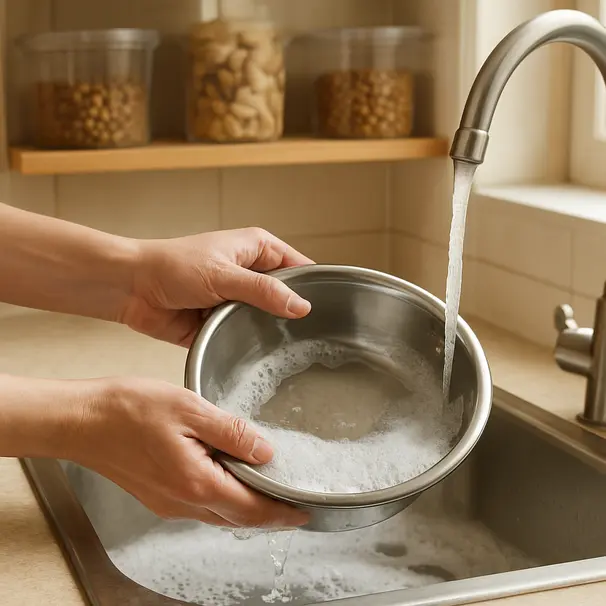
- Keep bowls clean: Wash food and water bowls daily with hot, soapy water. Consider a weekly sanitizing routine for heavily used bowls.
- Control scavenging: Supervise walks and use a leash or training to discourage dogs from eating unknown items outdoors.
- Manage litter and waste: Pick up feces promptly in your yard and when out on walks. Use gloves or pick-up tools, and wash hands afterwards.
- Quarantine new arrivals carefully: If you’re bringing in a new dog or foster, consider a brief period of observation before allowing close contact with other pets.
- Clean shared spaces: If a pet sits on furniture or carpets while unwell, clean those areas according to product guidelines to reduce spread.
These steps can help reduce the chance of infection and also lower the risk that your dog might spread bacteria around the home.
Tips specific to pet carers and sitters
If you’re taking care of other people’s dogs, a few extra precautions can go a long way.
- Ask about diet and recent health issues when you meet a new dog. If a dog is on a raw diet or has recent diarrhea, consider using extra care.
- Wear gloves when cleaning up waste and carry disinfectant wipes for messes.
- Keep your own pets’ routines consistent, and avoid cross-contact between dogs when possible.
- Communicate clearly with owners about any concerns you notice, including changes in appetite or stool.
Good communication and a little caution protect both the dog in your care and the people who live with them.
Caring for a dog with suspected salmonella at home
If your vet advises home care, here are friendly, practical steps you can take:
- Focus on hydration. Offer small amounts of water frequently, and consider an electrolyte solution recommended by your vet.
- Offer bland food in small portions once vomiting has settled. Plain cooked chicken and rice is a common short-term option, but check with your vet for tailored advice.
- Rest and quiet. Keep activity low until energy and appetite return.
- Monitor output. Keep track of bowel movements, vomiting, appetite, and behavior changes. Note the frequency and appearance of stools to report to your vet.
- Clean carefully. Use disposable gloves when handling feces and wash hands thoroughly. Clean floors and surfaces with a pet-safe disinfectant.
If your dog gets worse, stops drinking, or shows severe signs like repeated vomiting or collapse, contact your vet promptly.
Protecting yourself and your family
Salmonella can sometimes transfer from animals to people. To help keep everyone safe:
- Wash hands after handling pets, cleaning up waste, or touching food bowls.
- Keep high-risk people away from infected dogs until the vet says it’s safe.
- Avoid kissing dogs on the face or sharing food and utensils with them while infection is suspected.
- Launder bedding, towels, and clothing that may have been contaminated, using hot water when possible and drying thoroughly.
Simple hygiene goes a long way toward preventing household spread and keeping the whole family comfortable.
Common questions from dog owners
Can dogs get salmonella from raw feeding?
Yes, raw meat can carry bacteria including salmonella. Some owners choose raw diets for personal reasons, but it’s worth discussing safety measures and potential risks with a vet and considering alternatives if there are young children or immunocompromised people in the home.
Will my dog always be sick if they have salmonella?
Some dogs may show noticeable illness, while others might have mild or no symptoms and still shed bacteria. That’s why hygiene and veterinary advice are important after known exposure.
Can salmonella be treated at home without a vet?
Mild cases may improve with supportive care at home, but it’s a good idea to check with a vet first, especially for puppies, older dogs, or those with other health concerns. A vet can help decide if further testing or treatment is needed.
Practical checklist for busy pet owners
- Store and prepare pet food safely.
- Wash bowls and clean feeding areas daily.
- Supervise outdoor time to prevent scavenging.
- Keep a vet’s contact and your local emergency clinic handy.
- Communicate with any carers about diet and health history.
- Clean up pet messes promptly and wash hands afterwards.
Final thoughts
Caring for a dog with potential salmonella can feel worrying, but a calm, practical approach helps a lot. Watch for changes, keep your dog hydrated and comfortable, practice good hygiene, and reach out to a vet when you’re unsure. With a few sensible habits, you can greatly reduce the chances of infection and keep tails wagging.
If you’re a pet carer or looking after someone else’s dog, a little extra attention to food and cleanliness is the kindest thing you can do for both pets and people. If you’d like, ask your vet for tailored advice about diets, testing, and the best household cleaning products to use.
Stay safe, keep your hands clean, and give your furry friend a gentle scratch behind the ears for me.