
Dog shaking head: quick overview
Seeing your dog fling their head from side to side can be alarming. It’s one of those small, frequent behaviors that can mean something minor, like a tickle, or something more serious, like an ear infection. This article walks through nine possible causes, how to check your dog at home, what you can safely try, and when it’s time to call a veterinarian.
Why dogs shake their heads
Head shaking is a natural reflex. Dogs often do it to dislodge water, dirt or a tiny irritant. But repeated or vigorous shaking usually signals discomfort. Watch how often it happens, what triggers it, whether one ear looks different from the other, and if your dog shows other signs like scratching, rubbing, or head tilting.
Signs to watch for
- Scratching at or pawing one ear
- Shaking after swimming or baths
- Red, smelly, or oily-looking ear canals
- Scabs, hair loss, or crusting around the ear
- Loss of balance, head tilt, or walking in circles
- Pain when you touch the ear or head
If you notice any of these alongside head shaking, make note—this information helps your vet.
1) Ear infection (otitis externa)
What it is: Bacterial or yeast infections in the external ear canal are very common, especially in floppy-eared breeds or dogs that swim.
Why it causes shaking: Inflammation and discharge irritate the ear canal, and dogs shake to try to get relief.
What you might see: Bad smell, dark or yellow discharge, persistent scratching, and redness in the ear.
What to do: Consider a vet visit. A vet can examine the ear, take a swab if needed, and suggest appropriate medication. Don’t use over-the-counter human drops without advice.
When to get help: If the shaking is frequent, the ear looks sore, or your dog seems in pain, see a vet promptly.
2) Ear mites
What they are: Tiny parasites that live in the ear canal and feed on debris.
Why they cause shaking: Mites are intensely itchy, and the irritation makes the dog shake and scratch constantly.
What you might see: Dark, coffee-ground-like debris, very persistent scratching (often worse at night), and sometimes rubbing on furniture.
What to do: Mites are contagious between pets. Consider separating affected animals and arranging a vet check. Your vet can confirm mites under a microscope and recommend appropriate treatment.
3) Foreign object (grass awn, seed)
What it is: A blade of grass, seed, or small piece of debris can lodge in the ear canal.
Why it causes shaking: The sensation is sharp or irritating, and dogs react quickly by shaking their heads.
What you might see: Sudden onset after play outside, one-sided shaking, or visible debris when you gently look inside the ear.
What to do: If you can see and safely remove the object with clean tweezers, do so gently. If it’s deep or your dog resists, don’t force it—see a vet, as pushing a foreign body further can cause more damage.
4) Allergies
What they are: Seasonal pollen, dust, or food ingredients can trigger allergic skin and ear problems.
Why they cause shaking: Allergies make ears itchy or inflamed, and repeated itching leads to head shaking.
What you might see: Itchiness elsewhere on the body, red or flaky skin, licking paws, or recurrent ear issues.
What to do: Keep a diary of when symptoms flare (seasonal patterns, new foods, or new products). Your vet may recommend allergy testing, dietary trials, or management strategies to reduce exposure.
5) Water trapped in the ear (swimmer’s ear)
What it is: Water that remains in the ear after swimming or bathing.
Why it causes shaking: Moisture creates an uncomfortable environment and can promote irritation or secondary infection.
What you might see: Shaking immediately after water exposure, repeated head flicks, or a slight odor developing over time.
What to do: Dry your dog’s ears gently after water activities. There are vet-recommended ear drying solutions, but check with your vet before using anything in an ear that looks inflamed or infected.
6) Wax buildup
What it is: Normal earwax can accumulate, particularly in dogs with narrow ear canals or heavy hair in the ear.
Why it causes shaking: Excess wax can feel uncomfortable or cause partial blockage.
What you might see: A waxy appearance near the ear opening, mild head shaking, or occasional scratching.
What to do: For routine maintenance, use vet-recommended ear cleaners and follow instructions. Never stick cotton buds deep into the ear; you can push wax further in. If wax is heavy or hard, a vet can clean the ear safely.
7) Skin conditions and hot spots
What they are: Dermatitis, hot spots, or flea allergy dermatitis can affect the area around the ear and cause intense itch.
Why they cause shaking: Irritation near or behind the ear often translates into head shaking as the dog tries to ease the itch.
What you might see: Red, sore patches of skin, hair loss, scabs, or a localized warm, wet sore (hot spot).
What to do: Treat underlying causes like fleas or allergies. Keep the area clean and consider using an Elizabethan collar if your dog keeps rubbing until it heals. Talk to your vet about topical or systemic treatments if needed.
8) Trauma or ear hematoma
What it is: Vigorous shaking or trauma can cause blood to pool between the layers of the ear flap, creating a hematoma.
Why it causes shaking: Initial pain or discomfort makes dogs shake their heads; later a swollen ear flap may be obvious.
What you might see: A swollen, soft, warm pocket in the ear flap, or a sudden history of heavy head shaking after an injury.
What to do: A vet can assess the hematoma and suggest options, which may include drainage or surgery to prevent scarring. Treating the underlying cause, like an infection or mites, helps prevent recurrence.
9) Neurological or inner ear problems (vestibular disease)
What it is: Conditions affecting balance centers inside the inner ear or brain may cause head tilt, abnormal movements, or sudden shaking.
Why it causes shaking: If balance or nerve function is affected, dogs can show head shaking alongside other neurological signs.
What you might see: Sudden tilt of the head, circling, loss of balance, rapid eye movements, or collapse.
What to do: These signs can be serious. Consider immediate veterinary assessment. Your vet may recommend tests to determine if the issue is inner ear infection, a neurological condition, or something else.
How to safely check your dog’s ears at home
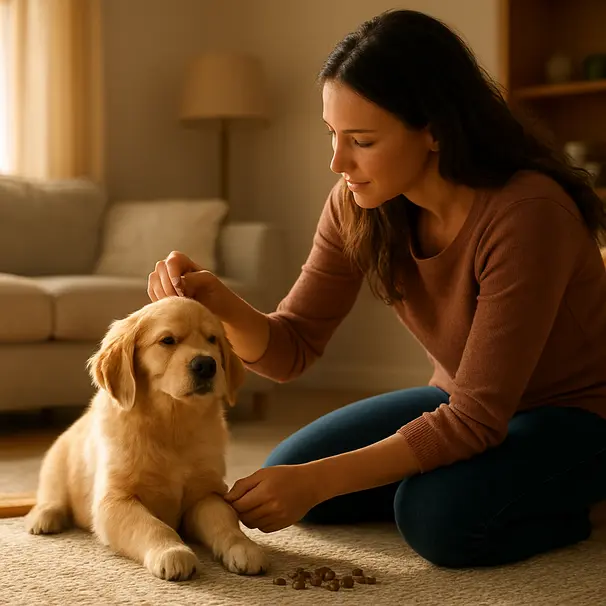
- Find a calm space and have treats ready. Comfort goes a long way.
- Gently lift the ear flap and look into the opening with a flashlight. You’re checking for redness, discharge, odor, swelling, or foreign objects.
- Don’t probe deep inside. If your dog pulls away, stop.
- If you see a small foreign object near the entrance and your dog is relaxed, you can try to remove it with tweezers. If it’s deep or your dog resists, stop and see a vet.
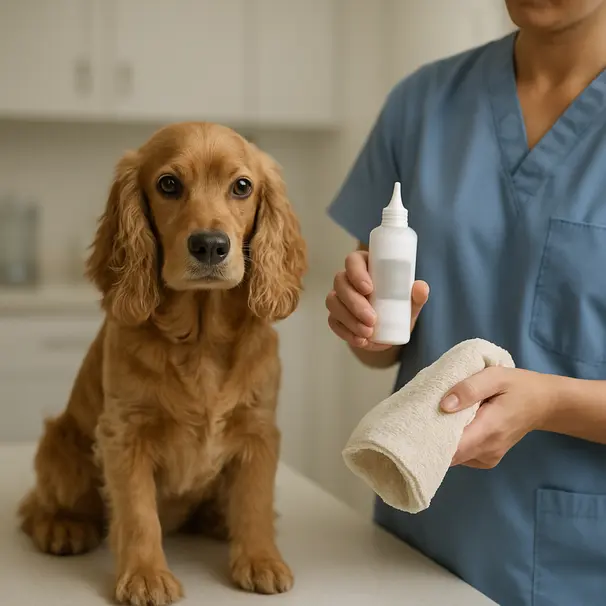
- For routine cleaning, use a vet-approved ear cleaner. Apply as directed and let your dog shake it out, then gently wipe away excess with cotton or gauze. Avoid inserting anything into the canal.
When to call the vet right away
- Sudden severe pain or bleeding
- Head tilt, loss of balance, or stumbling
- A persistent, pungent smell from the ear
- Fluids or pus coming from the ear
- A lump on the ear flap that appeared suddenly
If your dog’s behavior changes dramatically, or if they stop eating and seem very unwell, seek urgent care.
Preventing ear problems
- Regularly check ears after walks, grooming, or swimming.
- Keep ear hair trimmed if your vet recommends it, especially in curly or hairy breeds.
- Dry ears gently after water exposure.
- Maintain flea control and routine grooming to reduce skin irritation.
- Work with your vet on allergy management if your dog shows seasonal or chronic signs.
Working with pet carers and sitters
If someone else is looking after your dog, give them clear instructions:
- Note any current ear issues and medications.
- Show how you usually check and clean the ears.
- Ask them to video or note any new behaviors and send updates.
Trusted carers can be a huge help spotting early signs before an issue worsens.
Helpful tips for anxious dogs
- Practice gentle ear handling during calm moments so your dog associates it with treats.
- Use gradual desensitization: touch the ear for seconds, reward, slowly increase time.
- For dogs that dread ear exams, a carrier or towel wrap can help while you perform a quick look.
Final thoughts: comfort, caution, and connection
Head shaking in dogs is common, and many times it’s a quick fix—water, a bit of wax, or a tiny grass seed. But because ears are sensitive and infections can become painful, paying attention matters. Keep an eye on frequency, look for other signs, try gentle home checks, and don’t hesitate to contact your vet if you’re unsure.
If you use a pet carer, tell them exactly what to watch for and ask for photos or videos if head shaking starts while you’re away. Detailed notes make veterinary visits smoother and faster.
With the right care and a little detective work, most ear-related problems are manageable. Your pup will thank you with wagging tails and fewer head shakes.