

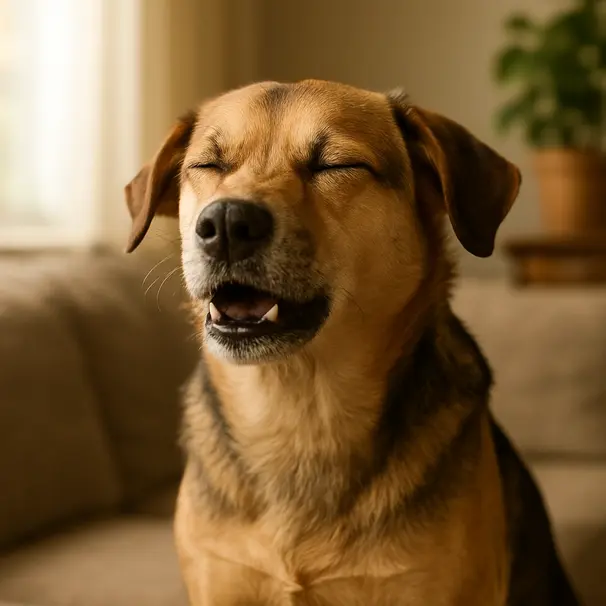
Dog sneezing: normal or not?
Sneezing is one of those odd little dog behaviors that can make you smile one minute and worry the next. You might see a dramatic, theatrical sneeze mid-play, or notice a repeated snort-then-sneeze that seems to come out of nowhere. It’s totally normal for dogs to sneeze from time to time, but persistent or violent sneezing can mean something else is going on.
This guide will walk you through common causes of sneezing in dogs, how to tell when it’s harmless, signs that suggest a vet visit, and practical steps you can take at home to help your dog feel better. It’s written with everyday pet owners and carers in mind, so you’ll find warm, practical advice you can use right away.
Why dogs sneeze: quick overview
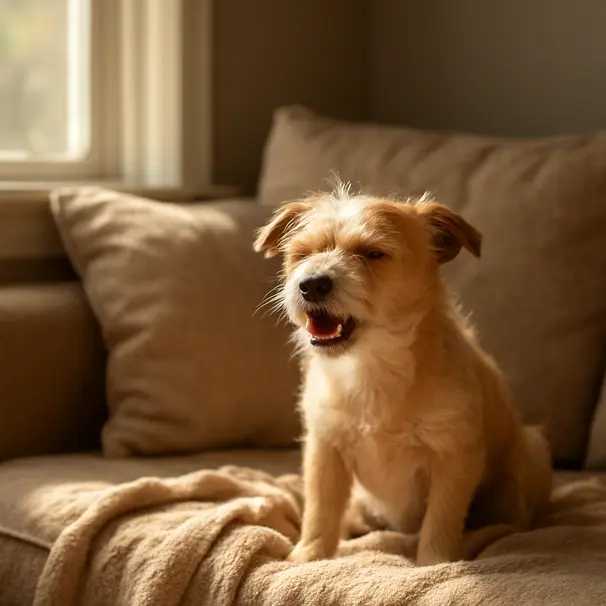
Dogs sneeze for many of the same reasons people do. A tiny irritant up the nose, a tickle, or a sudden inhalation of dust can trigger a single sneeze. Dogs also sneeze during play; those quick, exaggerated sneezes are normal and often a friendly signal to other dogs or people.
Common, usually harmless causes include:
- Irritants: dust, pollen, smoke, or strong perfumes.
- Play sneezes: communicative, non-aggressive sneezes during interaction.
- Nasal hair or dirt: especially after sniffing the ground or digging.
- Excitement or stress: quick sneezes when highly aroused or anxious.
But sneezing can also point to something that needs attention. Infections, allergies, foreign objects lodged in the nasal passages, or dental problems can all lead to sneezing that isn’t normal.
Normal sneezes versus sneezes to watch
It helps to think of sneezing on a spectrum. A single, occasional sneeze is usually fine. A short burst after sniffing something odd is fine. But if sneezing becomes frequent, noisy, or comes with other signs, consider it a red flag.
Signs that suggest a vet check:
- Repeated or prolonged sneezing fits, especially multiple times an hour.
- Bloody or unusual nasal discharge, especially if it’s persistent.
- Sneezing accompanied by coughing, wheezing, or difficulty breathing.
- Facial swelling, deformity, or signs of pain around the nose and mouth.
- Loss of appetite, lethargy, or fever.
- Sneezing on one side only, which may suggest a localized obstruction like a foxtail or foreign body.
If your dog develops any of the above, it’s reasonable to consult your veterinarian. They can evaluate whether an infection, foreign object, or another issue is the cause.
Common causes explained
Below are several causes you might encounter, and what each one tends to look like in real life.
Allergies
- Dogs can react to pollen, dust mites, mold, household cleaners, or certain ingredients in treats. Allergic sneezing is usually accompanied by itchy eyes, rubbing of the face, or red, irritated skin.
Upper respiratory infections
- Caused by viruses or bacteria, these can make dogs sneeze a lot. You might also see a runny nose, watery eyes, and sometimes a cough. Young puppies and older dogs can be more vulnerable.
Foreign objects
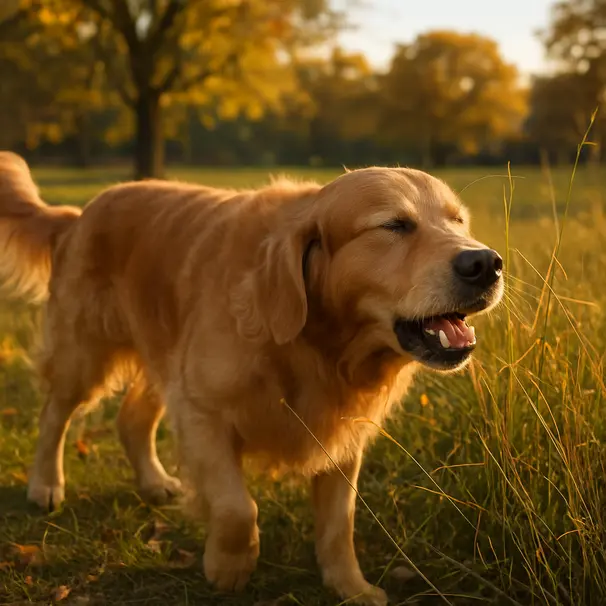
- Dogs who sniff outdoors or enthusiastically explore tall grass may inhale small grasses, seeds, or foxtails. Often the sneezing is sudden, forceful, and focused on one nostril. If your dog pawes at the face, it may indicate something stuck inside.
Nasal mites
- Less common, but in dogs that are frequently outdoors or in multi-dog households, tiny parasites can cause chronic sneezing, scabbing around the nostrils, and sneezing fits.
Dental disease
- A tooth root abscess can sometimes spread inflammation into the nasal passages, producing sneezing, odd nasal discharge, and bad breath.
Environmental irritants
- Smoke, strong scents, pepper, or household cleaners can all trigger sneezes. If you notice sneezing after a specific exposure, removing the trigger often helps quickly.
When to call the vet
You know your dog best, and if a change feels unusual, it’s worth checking in. Call your vet promptly if you notice:
- Repeated sneezing lasting more than 24 to 48 hours.
- Any blood coming from the nose.
- Significant nasal discharge that is thick, colored, or continuous.
- Signs of pain, discharge from the eye, or swelling of the face.
- Breathing difficulty or loud noisy breathing.
- Sudden change in behavior, severe lethargy, or loss of appetite.
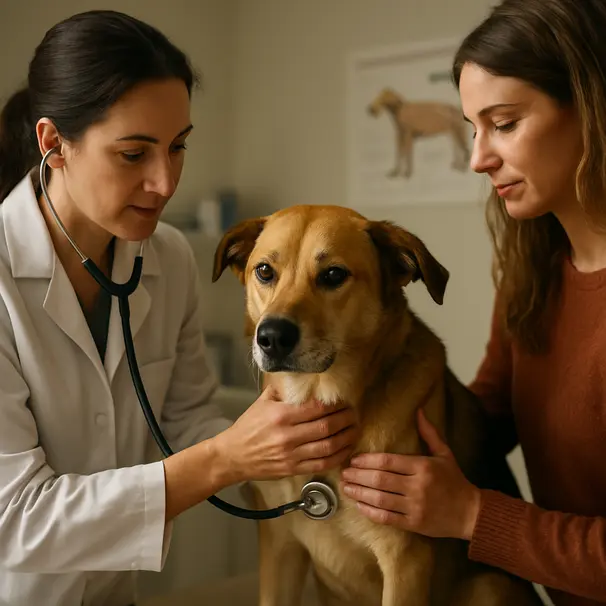
Your vet may perform a physical exam, examine the nasal passages, or recommend diagnostics such as X-rays, rhinoscopy (a look inside the nose with a tiny camera), or lab tests. These tests can help detect foreign bodies, infections, tumors, or dental causes.
Practical home care tips you can try
If your dog has occasional mild sneezes and seems otherwise fine, you can use these safe, comforting steps at home to help.
- Remove obvious irritants
- Turn off perfumes or strong cleaning sprays. Wipe away dust from bedding and vacuum more often, especially if your dog spends a lot of time indoors.
- Offer a calm, humid environment
- Using a humidifier or placing your dog in a steamy bathroom for a few minutes can help soothe irritated nasal passages. Keep sessions short and make sure your dog is comfortable.
- Keep play gentle if sneezing during activity
- If play sneezes are frequent, slow down roughhousing for a day or two so the nasal passages can settle.
- Watch the nose for discharge or changes
- Regularly inspect your dog’s nose for swelling, discharge, or crusts. A small smear of clear mucus after play is usually fine, while thick or bloody discharge deserves attention.
- Keep their face clean
- Gently wipe away discharge with a soft, damp cloth. If your dog resists, go slowly and keep the experience positive with calm praise and a small treat.
- Avoid home medications without vet approval
- Human decongestants or medications can be dangerous for dogs. Always check with your vet before giving any medicine.
These measures may help mild cases, but they are not a substitute for veterinary care when signs are serious or persistent.
Preventing sneezing episodes
While you can’t prevent every sneeze, some simple habits can reduce the frequency of ones caused by environmental factors or everyday exposures.
- Regular grooming and face cleaning, especially for short-nosed breeds that can accumulate debris around the nose.
- Keep living areas dust-free and use pet-safe cleaning products.
- Avoid walking through tall, dry grass during peak pollen or seed seasons.
- Make sure toys and household items are age-appropriate and free of small parts that could be inhaled.
- Maintain dental health with regular brushing and check-ups, since dental disease can affect the nasal passages.
For dogs with seasonal allergies, discuss management options with a vet. Allergy testing, immunotherapy, or short-term anti-inflammatory treatments may be considered.
Special note for brachycephalic breeds
Flat-faced breeds like pugs, bulldogs, and shih tzus have unique nasal anatomy. They may sneeze for different reasons, including respiratory tract abnormalities or chronic inflammation. Because they already have narrower airways, any additional nasal congestion or infection can make breathing noisier.
If you care for a brachycephalic dog, be extra vigilant about signs of respiratory distress, and keep consultations with your vet regular. Small changes can escalate quickly in these breeds.
Frequently asked questions
Q: My dog sneezes while playing. Is that normal? A: Usually yes. Play sneezes are common and often a friendly signal to other dogs or people. If play sneezes come with coughing, choking, or coughing up foam, check with a vet.
Q: Can dogs get colds like humans? A: Dogs can get upper respiratory infections caused by viruses or bacteria. Symptoms may resemble a human cold, but treatment and causes differ. Consider a vet visit if symptoms persist or get worse.
Q: What if my dog sneezes and pawing at the nose? A: Pawing at the nose could indicate irritation or a foreign object. If pawing continues or you see blood, contact your veterinarian.
Q: Are nasal foreign bodies common? A: They happen, especially in dogs that explore grasses, underbrush, or certain toys. A single-sided sneezing fit with sniffing and pawing is a clue. Your vet can often locate and remove the object.
What to expect at the vet
During an exam, your veterinarian will listen to your dog’s history and inspect the nose, mouth, and throat. They may recommend:
- A nasal swab or culture if infection is suspected.
- X-rays to assess sinuses and nasal structures.
- Rhinoscopy or endoscopy to view the nasal passages directly.
- Dental evaluation, including dental X-rays, if a tooth problem is suspected.
Treatment depends on the cause. Antibiotics may be prescribed for bacterial infections, while foreign bodies are removed manually. For allergies, your vet may suggest environmental changes or medications to reduce symptoms.
A gentle final checklist for worried carers
- Is the sneeze a one-off or repeated?
- Is there nasal discharge, blood, or bad smell?
- Is the dog eating, drinking, and acting normally?
- Is breathing noisy or labored?
- Has the dog been playing in grassy areas or around potential irritants?
If you answered yes to the more concerning items, make a note and call your veterinarian. It’s always okay to ask for advice sooner rather than later.
Closing thoughts
Sneezing is a normal, often harmless part of life for most dogs. A single sneeze or a playful burst is rarely cause for alarm. Still, your instincts matter. If sneezing becomes frequent, messy, painful, or is joined by other worrisome signs, a vet visit can provide both answers and relief. With a little attention to environment, gentle home care, and timely veterinary help, most dogs recover quickly and breathe easy again.
Thanks for being the kind of person who looks out for your pup. A quick sniff or a tiny sneeze is sometimes nothing, but your care makes all the difference when your dog needs a hand.