

Dog socialisation guide for pet carers and dog owners
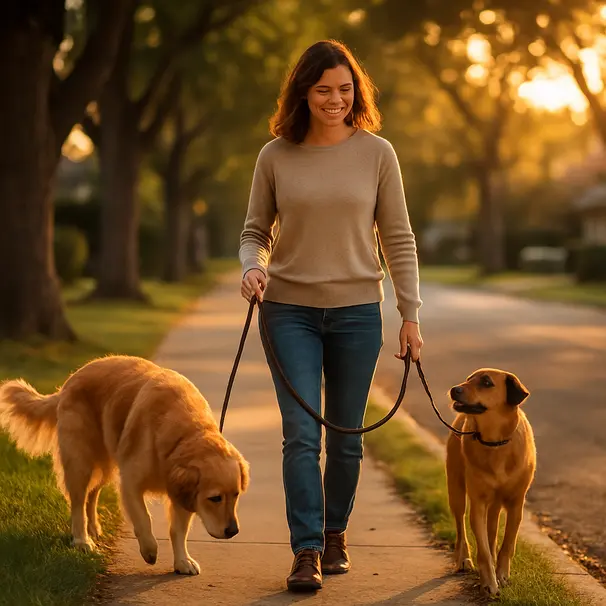
Good social skills make a dog’s life happier and safer, and they make caring for dogs easier and more enjoyable. This guide is for pet owners and pet carers who want practical, everyday help to raise relaxed, confident dogs. We’ll cover what socialisation means, how to read dog body language, step-by-step exercises for puppies and adults, and troubleshooting tips for tricky situations.
Why socialisation matters
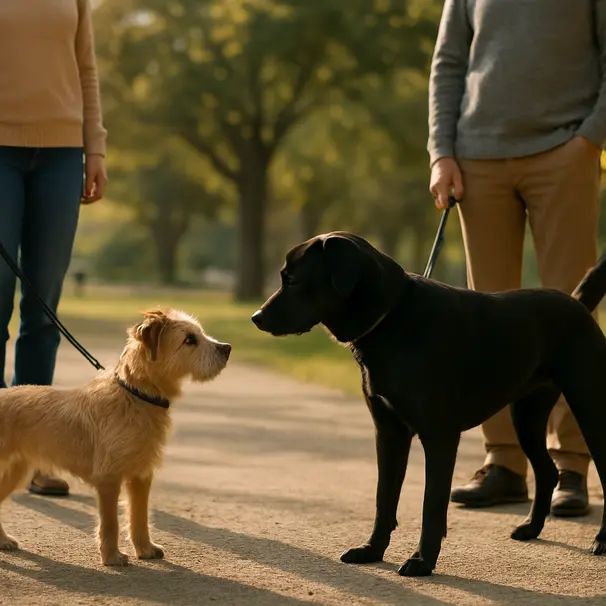
Socialisation helps dogs feel comfortable around people, other dogs, new places, and everyday sounds. A well-socialised dog may be less anxious on walks, better at meeting new people, and more adaptable in different caregiving situations. Socialising doesn’t erase fear overnight, but consistent, positive experiences can help dogs build trust.
When a carer steps in, their calm, patient approach can make a big difference. A confident carer who knows how to introduce new experiences can help prevent problems from developing, and help shy dogs slowly learn that new things can be okay.
The sensitive window and age-specific tips
Puppies go through a sensitive socialisation window, often between about 3 and 14 weeks of age, when early experiences can shape how they respond to people, dogs, and environments. For dogs older than this window, socialisation may take a bit more time and patience, but it’s still very possible to help them grow.
Puppies (3–14 weeks, and ongoing)
- Offer calm, positive introductions to a variety of people, including children, adults with hats, and people of different heights and appearances.
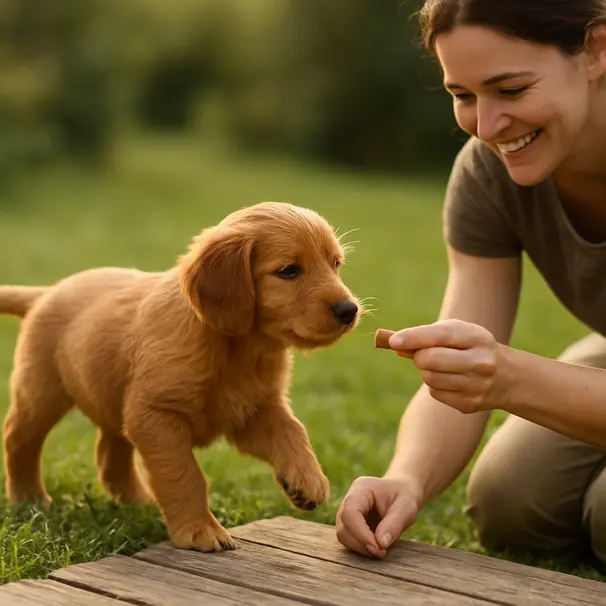
- Let puppies explore at their own pace. Encourage gentle touches and reward calm behaviour with treats or praise.
- Short, frequent sessions are better than long, stressful ones. A few minutes multiple times a day keeps things positive.
- Avoid overwhelming environments. Busy dog parks with large, boisterous dogs may be too much early on.
Adolescents (4–18 months)
- Continue exposure, but expect occasional setbacks. Teenagers can be unpredictable; they may suddenly react to something that used to be fine.
- Reinforce impulse control and focus with games like name recall, sit, and short leash-walking practice.
- Begin supervised, structured playdates with well-mannered adult dogs.
Adult and rescue dogs
- Older dogs can learn new behaviours, but changes can be slower. Move at the dog’s comfort level and reward small wins.
- For dogs with unknown histories, start with controlled encounters and ask questions about past experiences from the rescue or previous owner.
- Consider short, calm meetups with childlike toys, people of different builds, and other dogs one at a time to build confidence.
Reading dog body language: the core skill
Socialisation isn’t just about exposing dogs to things. It’s about reading how dogs feel and reacting appropriately. Look for these signals:
- Relaxed: loose body, soft eyes, wagging tail at mid-level.
- Curious: ears up or forward, head tilt, light stepping forward.
- Uncomfortable: lip licking, yawning, turning head away, low body posture.
- Stressed or fearful: tucked tail, rigid body, pinned ears, whale eye (showing the whites), growling, or trying to escape.
If you see subtle stress signals, slow down. If a dog shows loud warning signs like growling or snapping, separate the dog safely and give it space. For carers, explaining these signals to owners helps create consistent responses across people.
First meetings and introductions: a step-by-step approach
- Choose a neutral, quiet area for a first meeting. Avoid places where the resident dog feels territorial.
- Keep both dogs on loose leashes. Tight leashes can add tension.
- Let dogs approach each other at an angle rather than face-on. Quick face-to-face approaches can feel threatening.
- Watch the body language. If both dogs are relaxed, allow a brief sniff and then redirect to a treat or short walk.
- If either dog shows stress, calmly separate them and try again later with more distance.
For introductions with people, encourage a calm, low-energy greeting. Ask people to crouch rather than loom and offer a fist for the dog to sniff instead of reaching directly for the head.
Practical exercises you can do today
These exercises are simple, repeatable, and can help dogs feel more comfortable in everyday situations.
Name game
Goal: improve attention and recall.
- Say the dog’s name in a cheerful, calm tone.
- When the dog looks at you, reward immediately with a treat or praise.
- Short sessions, lots of repetition. This builds focus during distractions.
Friendly stranger practice
Goal: build confidence around different people.
- Ask a trusted neighbour or friend to help. Have them ignore the dog initially.
- When the dog approaches at its own pace, the person offers a treat by tossing it gently on the ground.
- Gradually decrease the distance, always letting the dog set the pace.
Environmental exposure
Goal: reduce fear of everyday sounds and surfaces.
- Start with low-volume recordings of common sounds like traffic or rain. Play them quietly while doing something the dog enjoys, like feeding or gentle play.
- Introduce different surfaces at home: tiles, carpet, hardwood, and outside pavement. Treat calm walking over each surface.
Calm handling and touch desensitisation
Goal: make vet visits and grooming less stressful.
- Touch paws, ears, and the muzzle briefly while giving tasty treats, then stop. Repeat many times until the dog tolerates longer handling.
- Use a soft voice and short sessions. Gradually increase the duration of gentle handling.
Group classes, playgroups, and supervised play
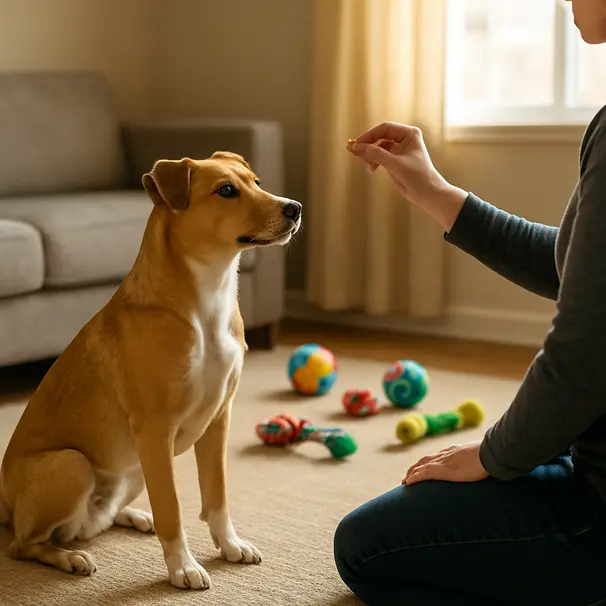
Structured group classes led by qualified trainers can help socialise dogs in a controlled setting. Look for classes that emphasise positive reinforcement and small group sizes.
Playgroups can be great, but pick them carefully. Supervised play with dogs matched by size, play style, and energy level tends to be safer. A good carer or handler can step in quickly if play becomes too rough.
Signs of healthy play include loose bodies, role switching, and brief pauses. If play becomes one-sided, chasing turns into persistent harassment, or a dog looks frozen, it’s time to intervene.
Handling fear and reactivity safely
Some dogs react to other dogs or people with barking, lunging, or growling. For these dogs consider:
- Increasing distance from the trigger and rewarding calm behaviour.
- Teaching an alternative behaviour like looking at you on cue, then rewarding it when the trigger is present.
- Working with a qualified behaviourist if reactions are frequent or intense.
Avoid punishing fearful responses. That can increase anxiety and damage trust. Use distance, management tools like head halters or front-clip harnesses if needed, and reinforce calm choices.
Socialisation for busy carers: realistic routines
Pet carers often juggle multiple dogs and varied schedules. You can still make socialisation part of daily care with small, consistent steps.
- Short exposures: five minutes of calm dog-to-dog sniff time during a walk can be helpful.
- Rotate enrichment: offer different toys, scents, and brief training games each day.
- Team briefings: if multiple carers are involved, share notes about each dog’s triggers and progress so introductions remain consistent.
Working with shy or reactive dogs
Some dogs need a slower pace. Small wins matter.
- Build a predictable routine, which may help reduce overall anxiety.
- Offer high-value treats and clear cues to encourage confident choices.
- Reward the dog for taking a step toward something that used to be scary, like approaching a new person by even a single sniff.
If progress is slow, consult a trainer or behaviourist and consider discussing anxiety with a vet, especially if the dog shows extreme reactions.
Common pitfalls and how to avoid them
- Overexposure: too much too soon can build fear, not confidence. Keep sessions short and positive.
- Ignoring warning signs: subtle stress signals can escalate. Respect them and back off.
- Inconsistent handling: different people responding differently confuses the dog. Communicate clear plans between carers.
- Forced interactions: never force a dog into close contact. Let them choose to engage.
Tracking progress and celebrating wins
Keep a simple socialisation log. Note the date, what you introduced, the dog’s reactions, and a small goal for next time. Celebrate small steps: a relaxed sniff, a calm walk past a busy area, or a calm greeting with a new person.
A consistent, patient approach usually wins out. Progress may be gradual, but steady exposure combined with positive reinforcement often produces lasting improvements.
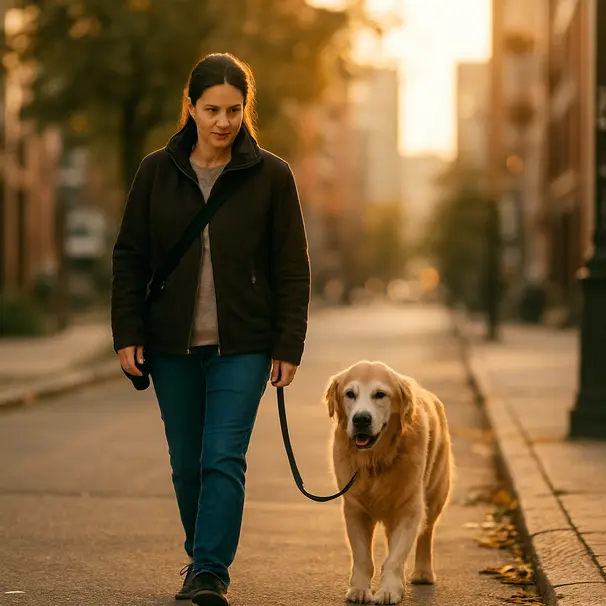
Quick checklist for pet carers and owners
- Start slow. Short, positive sessions work best.
- Watch body language and respect signals of stress.
- Use high-value rewards to create positive associations.
- Match playmates by energy and size.
- Keep handling exercises short and rewarding.
- Communicate with other carers to stay consistent.
- Consider professional help for persistent fear or reactivity.
Final thoughts
Socialisation is a journey with room for setbacks and lots of small celebrations. Pet carers and owners share a common goal: helping dogs feel safe, curious, and confident. With a gentle approach, careful observation, and simple daily exercises, most dogs can grow more comfortable with the world. If you ever feel stuck or worried about a dog’s intense fear or aggression, consider reaching out to a qualified trainer or your vet for personalised support.
Thanks for caring enough to read this guide. Your calm, consistent presence can help dogs learn to love new people, places, and experiences.