

Introduction
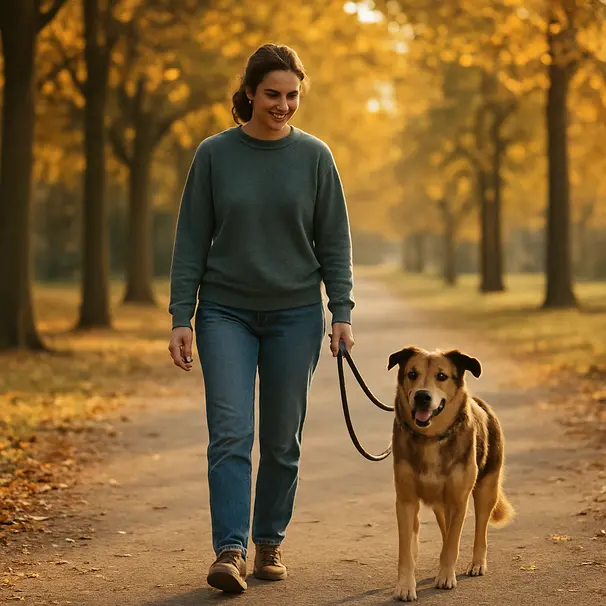
Helping a dog feel confident around people, other dogs, and new places is one of the kindest gifts you can give. Socialisation isn’t just for puppies. Dogs of any age can learn to feel safer and more curious with thoughtful practice and patient guidance. This post shares warm, practical tips for pet owners and carers so you can create calm, positive experiences that build trust and confidence.
Why socialisation matters
Socialisation affects how a dog interprets the world. A well-socialised dog is more likely to stay calm in busy environments, enjoy meeting new friends, and take pleasure from everyday life. For carers who spend time with multiple pets, strong social skills mean easier handovers, safer interactions, and less stress for everyone.
- It reduces fear and reactivity over time.
- It creates predictable routines that dogs can rely on.
- It helps carers and owners read and respond to subtle signals.
Socialisation isn’t about forcing a dog into scary situations. It’s about offering small, positive experiences and letting the dog set the pace. Even a nervous rescue dog can make steady progress with consistent practice and kindness.
Reading dog body language: the essential skill
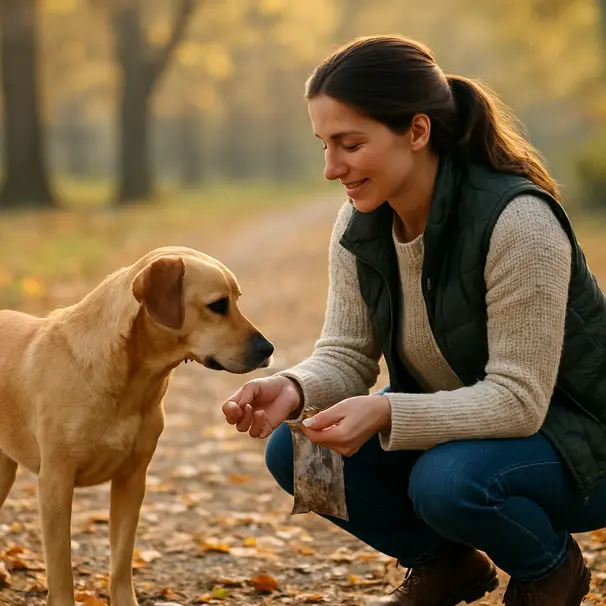
Before you introduce a dog to new people, places, or pups, take a moment to watch their body language. Learning the language of tails, ears, eyes, and posture is the single most useful skill for both carers and owners.
Look for these calming signals and stress signs:
- Soft, relaxed eyes and a loose mouth mean comfort.
- Quick yawns, lip licks, or turning the head can mean uncertainty.
- Stiff posture, frozen stillness, or intense staring often signal fear or discomfort.
- Whale eye (showing the whites of the eyes) and tucked tail mean “I need space.”
If you see stress signs, slow things down. Give the dog space, use low praise, and adjust the plan. Every small win is progress.
Gentle introductions: people and new places
Start slow and keep things predictable.
- Use distance: Let dogs observe new people or environments from a comfortable distance, where they show curiosity rather than stress.
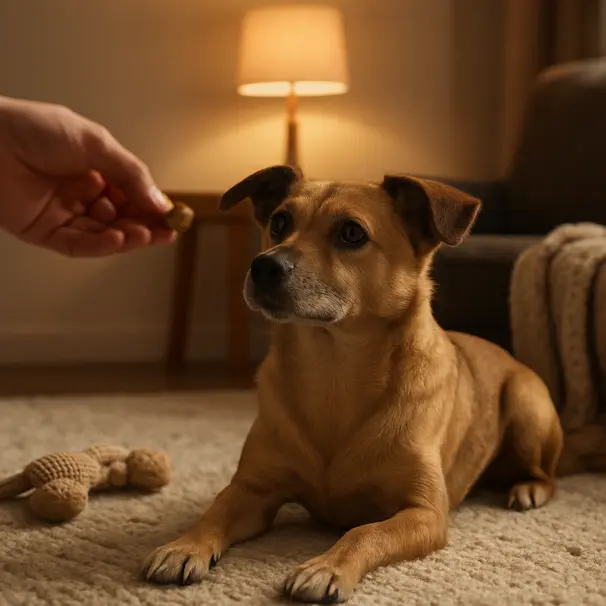
- Reward calm: Offer high-value treats or a favourite toy when the dog looks relaxed. Timing matters. Reward calm behavior, not nervous reactions.
- Short sessions: Five to ten minutes of positive exposure is often better than a long, overwhelming outing.
Tips for meeting new people:
- Ask visitors to ignore the dog until the dog initiates contact.
- Encourage a crouch at a sideways angle rather than looming over the dog.
- Let the dog sniff a closed fist or the back of a hand instead of a direct face-to-face approach.
For new places:
- Begin at quieter times of day.
- Walk the dog around the perimeter first so they can acclimatise safely.
- Bring treats and a familiar blanket or toy to create a little safe zone.
Puppy socialisation basics
Puppies have a sensitive social window early in life, but that doesn’t mean socialisation ends at eight or twelve weeks. For puppies:
- Prioritise gentle, positive experiences with different people, surfaces, sounds, and gentle dogs.
- Keep interactions short and positive; avoid overwhelming large groups or noisy environments.
- Introduce handling exercises: touching paws, ears, and lightly holding for grooming or vet checks. Reward calm reactions.
Remember: vaccinations are important. Consider controlled, vaccinated playdates and ask your vet about safe options before large public outings.
Socialising adult and rescue dogs
Adult or rescue dogs may need a different pace. They come with histories and coping patterns, and that’s okay. With patience, many dogs learn to feel safe and curious again.
- Start with very small steps and frequent breaks.
- Use the dog’s preferences to shape sessions. If they enjoy toys, use play as a bridge to new experiences.
- Consider counterconditioning: pair a previously scary trigger with something the dog loves, like a favourite treat, gradually shifting the dog’s emotional response.
Working with a professional trainer or behaviourist can help for more intense fear or reactivity. They may suggest exercises and management strategies to reduce stress while rebuilding confidence.
Working with pet carers: consistency and communication
When multiple people care for a dog, consistent handling and feedback matters. Small differences in approach can confuse an anxious dog.
- Share a short care plan: favourite treats, known triggers, calming cues, and telling signs of stress.
- Use the same cue words for praise and recall across carers.
- Keep handovers low-key: give the dog a short moment with the new person before leaving, rather than dramatic goodbyes.
Carers should also report small changes in behaviour. A previously eager dog who hides at the door may be signalling discomfort. The sooner you notice, the easier it can be to help.
Practical games and enrichment to build social confidence
Play and enrichment are gentle, joyful ways to broaden a dog’s world.
- Name-game: Practice approaching and leaving a quiet person with treats. The dog learns that new people mean good things.
- Shell game: Hide treats under cups to encourage focus and problem solving in different environments.
- Scavenger walks: Scatter tiny treats around a safe area so the dog explores at their own pace.
- Tug and fetch with boundaries: Teach polite tug and calm returns. Structured play boosts confidence.
Always choose games the dog enjoys. If they prefer quiet sniffing to high-energy play, lean into that.
Desensitisation exercises: small steps, steady progress
Desensitisation means exposing a dog to a mild version of something that used to scare them, then gradually increasing the intensity while rewarding calm. It can help with noises, other dogs, or busy streets.
Step-by-step:
- Identify the trigger and a safe starting distance or volume.
- Pair the trigger with high-value rewards when the dog remains calm.
- Slowly increase exposure over many short sessions.
- If the dog shows stress, drop back one step and reward calm behaviour again.
Keep sessions upbeat and short. The goal is steady, measurable wins rather than rapid progress that causes setbacks.
Managing dog-to-dog introductions
Dog social skills differ from human ones. Introduce dogs carefully.
- Neutral territory works best. Avoid bringing a new dog straight into the resident dog’s favourite space.
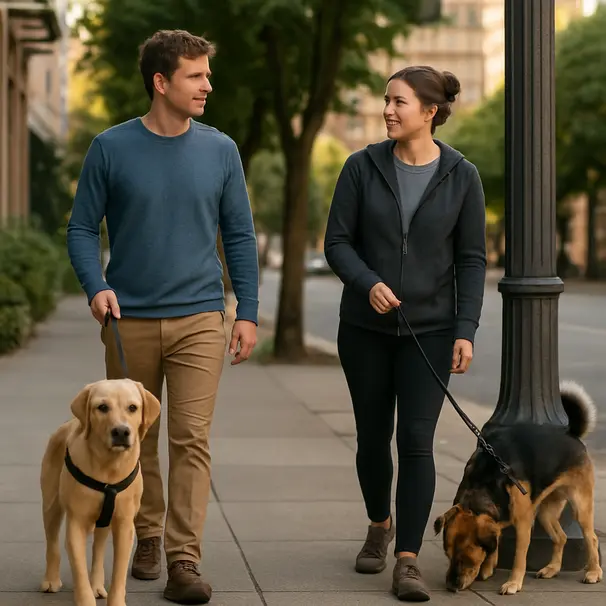
- Use parallel walks: walk the dogs side-by-side at a comfortable distance, letting them sniff indirectly.
- Let initial contact be brief and supervised. If play becomes too intense, separate calmly and try again later.
Look for loose bodies, play bows, and reciprocal play as positive signs. If one dog pins or pursues relentlessly, intervene gently and separate.
Common mistakes and how to avoid them
- Rushing the process: Progress at the dog’s pace. A nervous dog needs more time between steps.
- Over-relying on treats: Treats should help, but pair them with praise, play, and relaxed body language.
- Punishing fear: Scolding or dragging a fearful dog through a situation usually increases anxiety. Use management and positive reinforcement instead.
- Skipping preparatory exercises: A short training session at home prepares a dog for the outside world.
Safety and health considerations
Always consider a dog’s physical health. Pain can look like fear or aggression. If a dog suddenly becomes reactive, consider a vet check to rule out discomfort. Also:
- Keep vaccinations and parasite prevention up to date when meeting other pets.
- Use secure harnesses and leashes during introductions.
- Avoid crowded places until the dog shows consistent calm behaviour.
A vet or qualified behaviourist may offer additional guidance for complex cases. Consider their input alongside your observations.
A simple four-week confidence-building plan
Week 1: Foundations
- Short daily sessions in a quiet, familiar place. Practice name recall, calm sits, and gentle handling. Five to ten minutes twice a day.
- Introduce one new, non-threatening person at a distance, paired with high-value treats.
Week 2: Gentle exposure
- Add one novel environment per session: a quieter park trail, a friendly neighbour’s garden, or a calm car ride.
- Continue handling exercises and start short, controlled encounters with calm, vaccinated dogs.
Week 3: Gradual challenge
- Increase distances and slightly busier spots during quieter hours. Reward calm choices.
- Add short, structured play or enrichment games in new places.
Week 4: Generalisation
- Mix up times, people, and routes. Aim for short successes across different contexts to generalise confidence.
- Celebrate wins, however small, and keep a simple log of progress for carers to follow.
This plan may be adjusted for puppies, seniors, or particularly fearful dogs. Slow, steady steps win the long game.
Final thoughts: patience, praise, and curiosity
Building social confidence is a journey, not a race. Celebrate tiny victories and be kind when steps back happen. With consistent, compassionate practice, most dogs can learn to meet the world with more curiosity and less fear. Pet carers and owners who cooperate, communicate, and keep the dog’s comfort front and centre will help animals feel safer and thrive.
If you’re unsure about a dog’s fear or reactivity, consider consulting a professional trainer or behaviourist and check with your vet about any health concerns. Little changes over time can lead to big gains in a dog’s quality of life. Enjoy the process, and take a deep breath—dogs notice calm people, and calm people can do amazing things for their pets.