


Dog tail wags decoded: happy or nervous?
Dogs communicate with their whole bodies, and the tail is one of their loudest little megaphones. A wag can mean joy, curiosity, or worry. It can signal a friendly invitation, or it can be a warning masked as a smile. For anyone who cares for dogs professionally or at home, learning to read tail language is a practical skill that keeps pets and people safer and happier.
In this guide you’ll find clear signs to watch for, real-world examples, and gentle steps you can take if a wag seems uneasy. The goal is simple: help you notice the details that turn a guess into a good call.
Quick note on safety and health
Reading body language is not a replacement for veterinary advice. If a dog’s tail droops because of pain, injury, or sudden behavior change, consider consulting a vet. Use the strategies here to reduce stress and to know when it’s time to ask for professional help.
Why tails wag: it’s more than one emotion
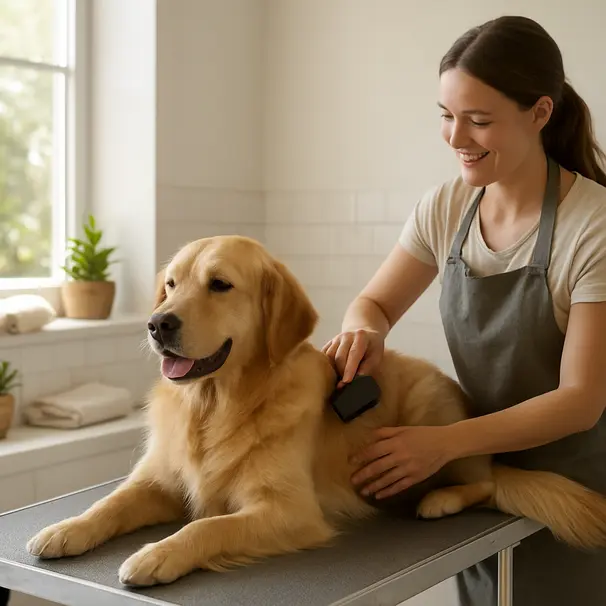
Most people assume a wag means happiness, and often that’s true. But tails are context-sensitive signals. Movement, position, speed, and the rest of the body all add meaning. A broad, relaxed sweep with soft eyes usually says happy and approachable. A high, stiff wag with a fixed stare may mean tension or excitement. A low, tucked tail paired with trembling suggests fear.
Dogs also use tail movements differently across breeds. A Basenji’s curled tail reads differently than a Labrador’s straight tail. Long, plume-like tails create big visual signals, while short tails or docked tails make reading harder. With any dog, spend a few quiet minutes watching baseline behavior before making decisions.
Anatomy and motion
Tail wagging is controlled by muscles and the nervous system. Quick, short wags can be reflexive during conflict or agitation. Slow, wide arcs often appear with relaxed social interactions. The direction of the wag can matter too: some studies suggest slight bias in tail direction corresponds to different emotional responses, but for everyday pet care, it’s simplest to watch position, speed, and whole-body cues together.
Common tail positions and what they often mean
Here are typical positions you’ll see and practical ways to interpret them. Remember to combine these with what the dog’s eyes, ears, posture, and vocal sounds are saying.
High and stiff, tail held up, wagging or not: The dog is alert and confident. This can be positive in play, but it can also be a sign of dominance or territorial behavior. Approach carefully, and pause for more signals.
High and relaxed, broad wagging: Often happy and confident, especially with a loose body and soft mouth. Good sign for a friendly greeting.
Mid-level, relaxed, gentle wag: Content, curious, and open to interaction. This is a calm, approachable posture.
Low, slow wag with body lowered: Hesitation or uncertainty. Offer space and let the dog make the next move. Avoid direct staring and sudden reaches.
Tail tucked tightly under the body: Fear, extreme anxiety, or submission. Back off, remove stressors, and use calming techniques.
Rapid, low wag with stiff body: Anxious arousal. The dog may feel conflicted, unsure whether to flee or defend. Don’t crowd them.
Quick, short wag combined with lip lift or growl: This mixes signals and can precede escalation. Treat this as a red flag.
Single-sided or asymmetrical wag: A tail that wags more to one side may reflect varying emotional states. Watch other cues closely.
These are starting points, not hard rules. A happy, playful dog might also wag quickly when really excited. Context is the key to confident reading.
Context clues that change a wag’s meaning
The tail doesn’t speak alone. Here are other signs to check at the same time.
Eyes: Soft, blinking eyes suggest comfort. Hard, fixed eyes or whale eye, where the white shows, indicate stress or concern.
Ears: Relaxed ears complement a friendly wag. Ears pinned back may signal fear even if the tail is moving.
Mouth: Loose, open mouth and panting during play looks different from closed lips with pulled-back corners.
Posture: A forward-leaning posture with a high tail often points to interest or potential challenge. A crouched, low posture with a low tail signals fear.
Vocalizations: Happy barks and play yips have a different rhythm and tone than continuous, high-pitched whines or low, growling sounds.
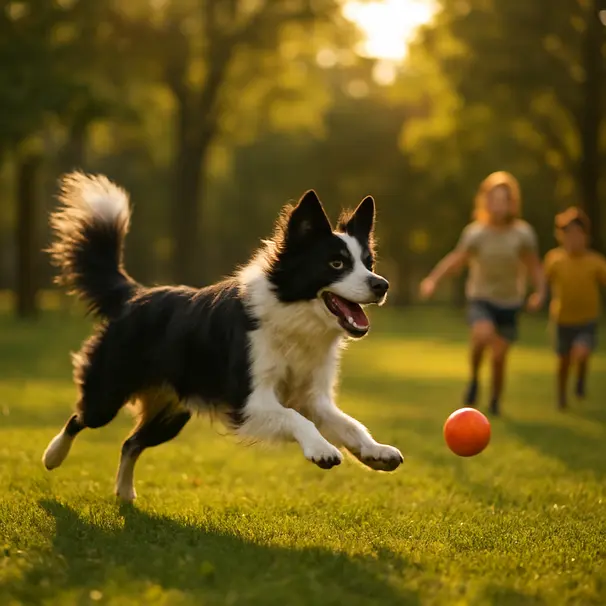
Speed and amplitude: Big, sweeping wagging usually says excitement and welcome. Small, tense movements often mean stress.
Environmental context: Is the dog meeting a friend at the park, or faced with a noisy delivery truck? Is a stranger reaching toward them, or is the approach calm and sideways? Situational context is often the deciding factor.
Look for clusters, not single signs
Always read clusters of signals. A wag plus a relaxed body, soft eyes, and play bows equals one thing. A wag plus a stiff body, closed mouth, and a fixed stare equals another. Train your eye to spot patterns instead of relying on the tail alone.
Practical tips for pet owners and carers
Here are friendly, actionable steps to use at home, on a walk, or when meeting new dogs for the first time.
Greeting a dog safely
- Pause and lower your energy. Fast movements can spike arousal.
- Avoid immediate face-to-face bending. Offer a hand at your side, palm down, and allow the dog to approach on their terms.
- If meeting a dog you don’t know, ask the owner about their preferences. Many dogs prefer a sideways approach and smaller, calm gestures.
- For fearful or shy dogs, let them come to you and reward small approaches with treats or quiet praise.
When a wag looks nervous
- Give space. Back up and create distance until the dog’s body relaxes.
- Remove the trigger if you can. Move away from a noisy area or step behind a barrier to reduce intensity.
- Offer an escape route. Dogs feel safer when they have a clear way to leave.
- Use calm voice, slow movement, and low posture. Sit or kneel at a distance rather than looming over the dog.
Helping a dog become more comfortable
- Counter-conditioning and desensitization can help dogs reduce stress around triggers. For example, pair a mildly stressful sound with goodies and increase exposure gradually. Consider working with a qualified trainer who uses positive methods.
- Enrichment and predictable routines reduce overall anxiety. Regular walks, puzzle feeders, and safe chew toys can make a nervous dog more resilient.
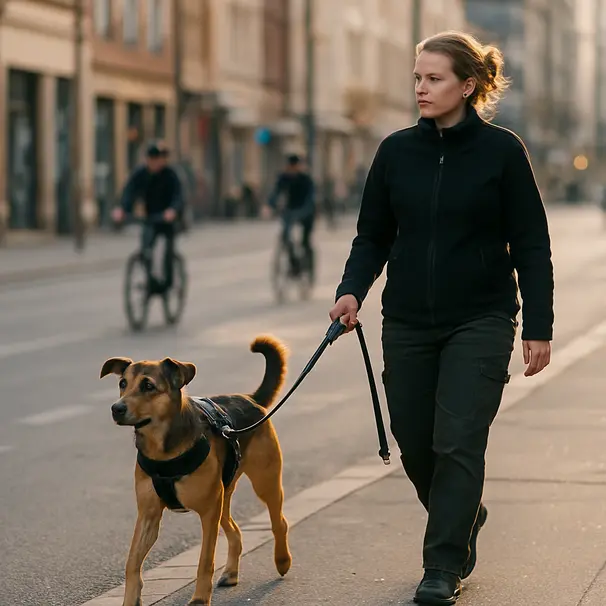
- Safe handling techniques: For professional carers, always have a plan for doorways, leashes, and meeting situations. Use slip leads or harnesses that give gentle control without causing panic.
Training cues that help communication
- Teach clear, simple cues like “look,” “sit,” and “go to mat.” They can interrupt escalating behavior and redirect attention.
- Reward relaxed behavior. Reinforce calm moments with treats, soft praise, or a favorite toy. This helps the dog associate stillness with good things.
- Practice greetings in low-stress environments before trying them around new people or dogs.
Tools and tactical choices
- Use a front-clip harness to reduce pulling and to maintain gentle control during stressful encounters.
- Muzzles can be tools for safety during vet visits or when a dog is highly stressed. Use them only after the dog is comfortable wearing one through positive association.
- For carers, carry small high-value treats to reward calm choices during walks or introductions.
Scenarios and example responses
Scenario: A dog on a walk suddenly stiffens, tail held high, and gives a quick low wag. Response: Stop, step slightly away from whatever the dog is focused on, put yourself between the dog and the trigger if needed, and wait for the dog to relax. Redirect attention with a treat and a calm cue.
Scenario: At a meet-and-greet, the visiting dog’s tail is mid-height and wagging slowly while the resident dog’s tail lifts and bristles. Response: Separate calmly and create space. Give both dogs a break. Reintroduce only when both show relaxed signals.
Scenario: A rescue dog’s tail is tucked but wags rapidly when you kneel down. Response: Move slowly, offer treats at distance, and let the dog approach. Don’t force contact. Build trust over multiple short interactions.
These responses emphasize prevention and de-escalation rather than confrontation.
When to seek professional help
If a dog repeatedly shows stress signs during everyday activities, consider consulting a behaviorist or trainer who uses force-free methods. Sudden changes in tail carriage, pain-related movements, or aggressive incidents should prompt a vet check. Professionals can assess medical causes, design behavior plans, and support safer interactions for everyone.
Putting it into practice: quick checklist for carers and owners
- Watch the whole dog, not just the tail.
- Note baseline behavior when calm so you can spot changes.
- Use space and calm energy to reduce stress.
- Reward relaxed body language frequently.
- Carry tools like treats, harnesses, and a plan for introductions.
- Ask for help from trainers or vets when patterns of fear or aggression appear.
Final thoughts
Tail wags are friendly, funny, and sometimes misleading. The same little motion can be a happy wave or an anxious flick. With attention, patience, and small changes in how we greet and manage dogs, we can make wagging an easier, clearer language for pets and people. If you care for dogs professionally, a few extra moments to read the tail and the body can save time and prevent misunderstandings. If you’re an owner, these skills build trust and deepen the bond you share with your dog.
Want to practice with trusted help? Floofy connects pet owners with experienced carers who know how to read canine body language and create safe, comfortable experiences. Pay attention, be kind, and enjoy the conversation—tails have a lot to tell.