

A friendly guide to dog walking and daily routines
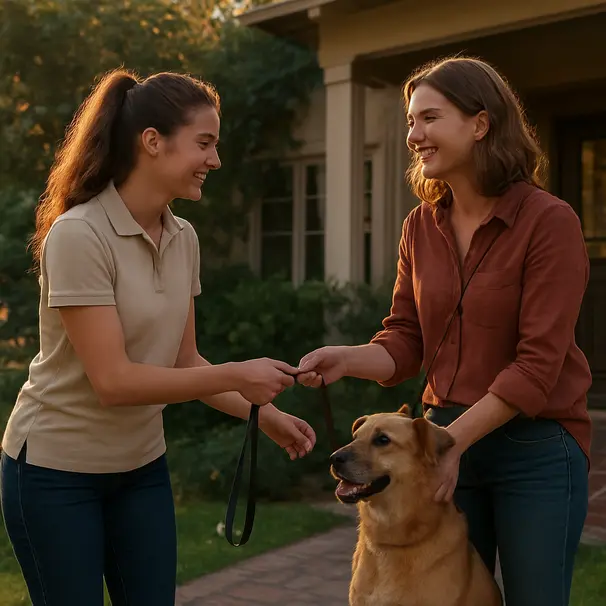
Daily routines are the backbone of a content dog and a confident pet carer. Routines give dogs predictability, reduce stress, and make training easier. For owners and carers who share responsibility, a little planning and clear communication can turn everyday walks into reliable, enriching parts of a dog’s life.
Dogs thrive on rhythm. Small, repeated actions — like a morning sniff walk, an afternoon play session, and an evening cuddle — help them understand the world. This article will walk you through dependable routines, safety checklists, training-friendly walking habits, and ways carers and owners can collaborate smoothly.
Why small daily routines matter
Routines do more than organise your day. They provide structure that helps dogs feel safe, learn faster, and burn off energy in healthy ways.
- Predictability lowers anxiety. Dogs who know what to expect often react less to sudden changes.
- Consistent exercise aids physical health and weight control.
- Regular mental stimulation can reduce boredom behaviours, like chewing or excessive barking.
Consider routine as a flexible scaffold, not a rigid timetable. Life happens, and a good routine adapts. Carers can step in confidently when owners are away if the rhythm is already clear.
Building a walk routine
A solid walk routine balances exercise, enrichment, and learning moments. Think about frequency, duration, and variety.
- Frequency: Most adult dogs benefit from at least two walks daily. Puppies and high-energy breeds may need more frequent short outings. Senior dogs might prefer shorter, gentler walks.
- Duration: Quality matters more than time alone. A focused 20–30 minute walk with enrichment can do more than a distracted hour-long stroll.
- Variety: Mix up routes and paces. New smells and sights stimulate a dog’s mind. Try one predictable route for security and one exploratory route each day.
Create a simple weekly schedule you can share with carers. Note favourite parks, quiet streets, and places to avoid during busy hours. That little guide helps maintain consistency and makes transitions easier for both dog and carer.
Pre-walk checklist for owners and carers
A quick habit of checking essentials saves headaches. Before stepping out, confirm these items:
- Leash and collar or harness: Check for wear and make sure tags are current.
- Waste bags: Always bring extras.
- Water and collapsible bowl: Important on warm days or long walks.
- Treats and training rewards: Small, soft treats work best on the move.
- Weather protection: A coat for cold or wet days, paw balm for hot pavements.
Also review health notes. If the dog has recent injuries, joint pain, or special needs, note them in the handover sheet. Carers should consider a quick check-in call if anything looks off before or after a walk.
On the walk: enrichment, boundaries, and training moments
Walks are prime learning windows. Use them to reinforce manners and provide mental work.
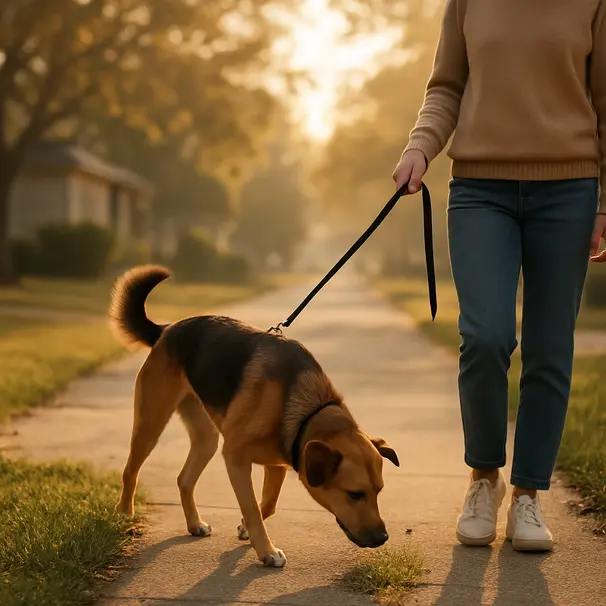
- Sniff breaks matter: Let dogs explore scent-rich areas. A focused sniff session is calming and fulfilling.
- Practice short training drills: Five minutes of sit, attention, or loose-leash walking during the walk helps polish cues.
- Keep interactions positive: Praise, gentle guidance, and high-value treats make learning enjoyable.
- Manage excitement: If a dog pulls, stop and wait for attention before moving on. This teaches that pulling doesn’t speed things up.
For carers, note any triggers like reactive dogs, loud traffic, or busy cafes. Plan routes that avoid stressful spots on days the dog seems uneasy.
Group walks and handling multiple dogs
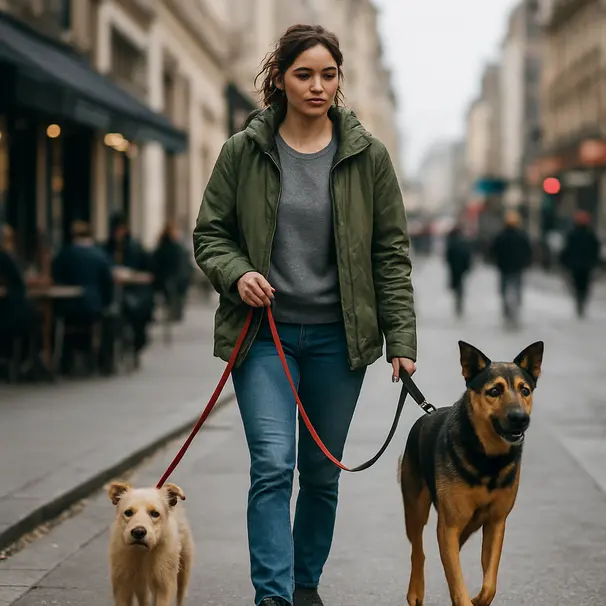
Walking more than one dog adds complexity but can be very rewarding.
- Match energy levels: Pair dogs with compatible paces and social styles.
- Use proper gear: Consider hands-free leads or couplers for two small dogs. For multiple strong dogs, separate leads and secure grips are safer.
- Keep clear signals: Use distinct verbal cues and body language for each dog to avoid confusion.
Carers should establish a manageable dog-to-carer ratio. If handling becomes unsafe, stop and regroup. It’s far better to cut a walk short than to risk entanglement or stress.
Tailoring walks to age, breed, and health
Every dog is unique. A routine for a sprightly Jack Russell will differ from one for a laid-back Bernese.
- Puppies: Short, frequent walks, gentle socialisation, and careful exposure to new environments. Avoid long distances while growth plates are developing.
- Adults: Aim for a mix of physical exercise and mental enrichment. High-energy breeds often need more vigorous activities.
- Seniors: Shorter, slower walks with frequent rests. Watch for limping, stiffness, or signs of fatigue.
If a dog shows persistent soreness, difficulty breathing, or unusual lethargy, consider contacting a vet. Gentle language like “may” and “consider” helps frame concerns without making medical claims.
Short walks vs long walks: choosing the right balance
Short walks sprinkled throughout the day can keep energy levels steady. Long walks are great for deeper exercise and exploration.
- Short walks: Ideal for bathroom breaks, quick training sessions, or calming anxious dogs before guests arrive.
- Long walks: Best for high-energy outings, off-leash play in secure areas, or a thorough sniff-rich hike.
Mix both types across the week. A long, tiring walk once a day combined with short, deliberate breaks can be a winning combo for many dogs.
After-walk routine: cooling down and settling in
How a dog comes home matters as much as the walk itself. A calm arrival helps them transition from activity to rest.
- Cool down: Offer water and a shaded, quiet spot to relax.
- Quick health check: Look for cuts, ticks, or sore spots. Wipe paws if needed.
- Quiet time: Some dogs benefit from a short enrichment treat, like a lick mat or puzzle toy, to wind down.
If a carer notices anything unusual, include it in the handover notes and send a quick message to the owner. Clear, concise reports help owners feel confident in their carers.
Grooming and basic care within the routine
Daily routines are a perfect time to maintain grooming habits.
- Brushing: A few minutes of brushing after a calm walk keeps coats healthy and builds trust.
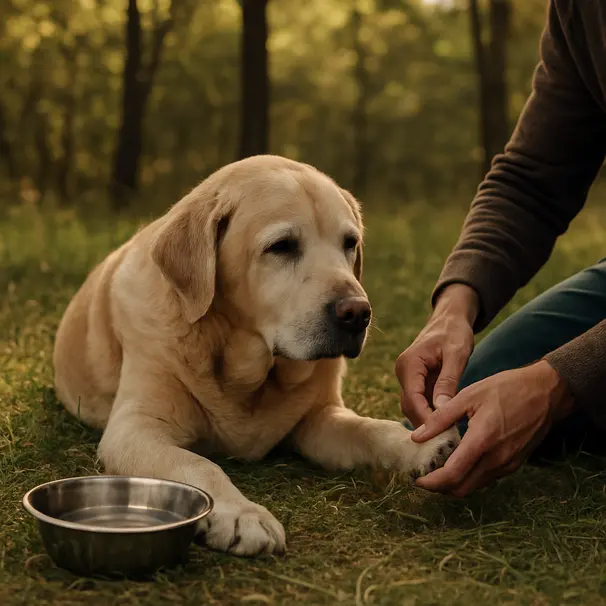
- Paw care: Check pads for debris and trim nails as needed. Consider paw balm in dry or hot weather.
- Ear and eye check: Look for redness or discharge and report concerns.
Carers should avoid giving medical advice. Suggest the owner consult a vet for persistent issues. Use wording like “may benefit from” to keep recommendations safe.
Communicating between owners and carers: practical templates
Good communication makes shared care simple and stress-free. Keep messages consistent and friendly.
Daily report template example:
- Walk time: 30 minutes, neighbourhood loop
- Energy level: Calm after sniff breaks
- Food/water: Drank water on return
- Notes: Briefly tugged at gate, greeted two dogs calmly
Emergency plan template example:
- Vet details: Name, contact, clinic hours
- Medical notes: Allergies, ongoing meds, injection details
- Alternative contacts: Nearby owner, authorised emergency contact
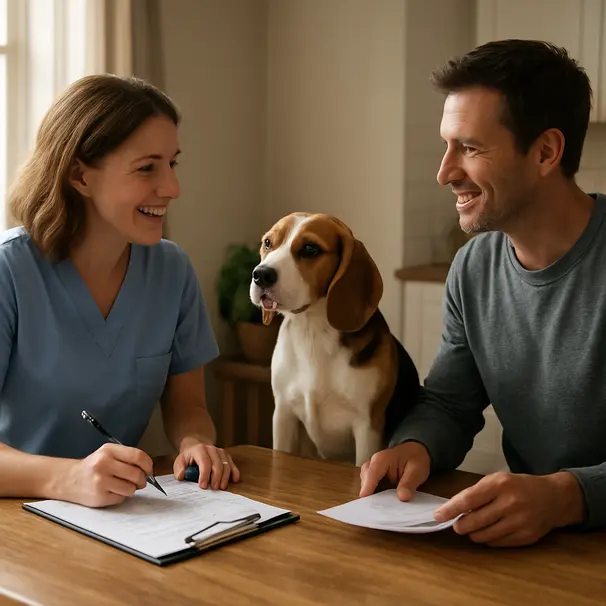
A shared diary (paper or digital) that both parties can update helps keep routines tight and expectations clear.
Safety tips for unpredictable situations
Even the best routines encounter surprises. Here are quick safety habits:
- Trust your judgement: If a dog seems unsafe around another animal or person, create distance.
- Carry a basic first-aid kit: Adhesive bandages, tweezers for splinters, and antiseptic wipes are useful.
- Know leash-release procedures: Practice safe ways to remove a tangled leash.
- Keep ID updated: Microchips and visible tags speed reunions if a dog gets lost.
If an incident is serious, follow local emergency procedures and contact the owner promptly.
Final thoughts and a simple starter routine
Routines don’t have to be complicated. Here’s a starter plan you can tailor in a week:
Morning: 20–30 minute brisk walk, breakfast, short calm downtime. Midday: 10–15 minute sniff break or short play session. Evening: 30–45 minute walk with training moments, quiet winding down, bedtime cuddle.
Owners and carers who keep things consistent, communicate kindly, and attend to small details will find dogs are calmer, happier, and easier to care for. Remember to be flexible; life will throw curveballs, and that’s okay. A routine is a friendly companion, not a strict rulebook.
If you’re a pet carer, a clear handover note and thoughtful photos can reassure the owner. If you’re an owner, writing down the dog’s preferences and quirks saves time and builds trust with your carer.
Thanks for caring so much. A confident, well-walked dog makes every day sweeter for everyone involved.