Dogs that love water and why they do
Some dogs are born to paddle. Others take a little encouragement. Either way, water can be a wonderful source of exercise, enrichment and bonding time for dogs and the people who care for them. In this guide I’ll walk you through breeds that tend to love water, how to teach a dog to swim, safety basics, useful gear and fun activities.
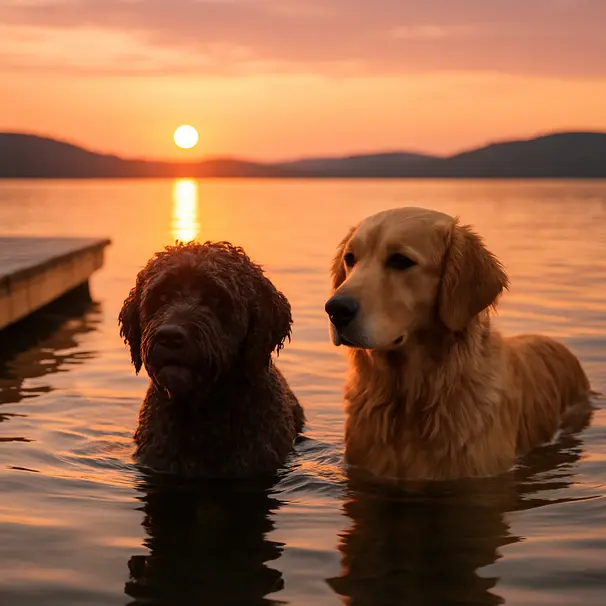
Dogs vary in body shape, coat and temperament. Those traits help explain why some dogs are natural swimmers. Deep chests, strong hindquarters and webbed toes help. A water-resistant coat and a calm temperament help too. But personality matters most. With patience and the right approach, many dogs can learn to enjoy water calmly.
Breeds known for loving water
Here are some dogs you’ll commonly see happily splashing around. I’ve included a few notes about their working histories and what to watch for.
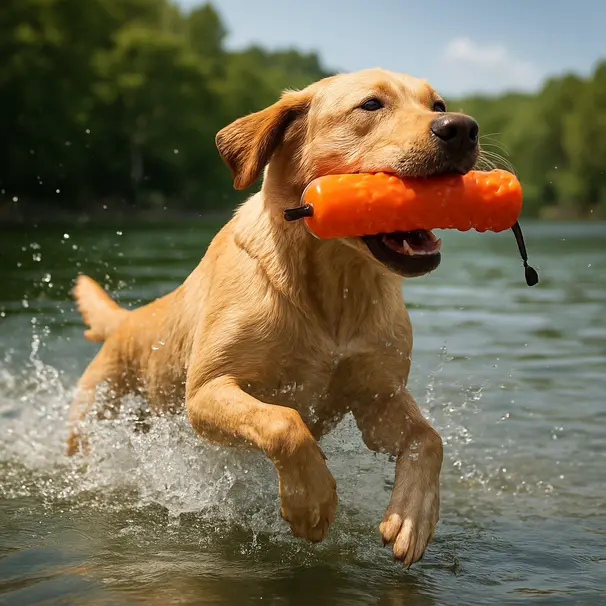
Labrador Retriever: Classic water lovers, bred for retrieving from cold water. Labs have strong swimming strokes and high drive for fetching. Watch for overexcitement around boats and deep water.
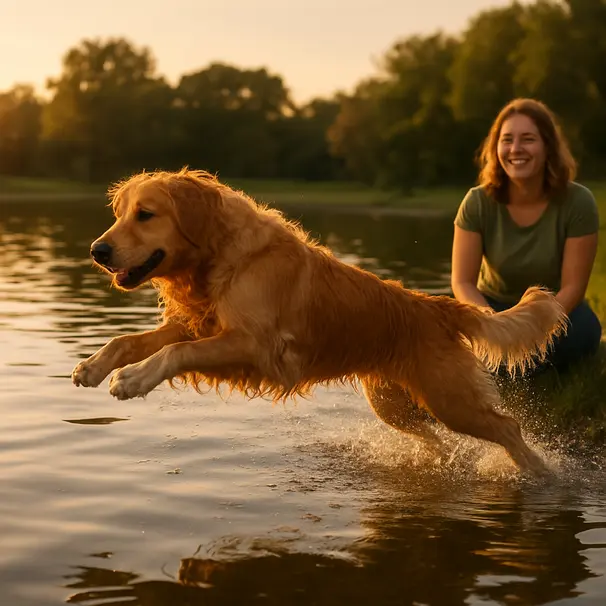
Golden Retriever: Similar to Labs, Goldens have a soft mouth and a love of retrieving. They often enjoy lakes and gentle surf. Their long fur needs extra drying.
Portuguese Water Dog: Bred to help fishermen, these dogs are powerful swimmers. They handle rougher conditions well and enjoy active water work.
Newfoundland: Giant, strong and instinctive water rescue dogs. Newfies are surprisingly gentle and steady in the water, good for experienced owners who can manage their size.
Irish Water Spaniel: Curly-coated and built for the water, they are excellent swimmers and often enjoy retrieving games.
Chesapeake Bay Retriever: Bred for icy Chesapeake Bay conditions, they have a dense coat and strong build. They may be more protective, so early socialisation helps.
American Water Spaniel: A smaller hunting breed that loves water, good for families who want a smaller swimmer.
Curly-Coated Retriever: One of the oldest retriever breeds with a waterproof coat. They are capable swimmers with independent personalities.
Remember, individual dogs within any breed vary. Mixed-breed dogs can be fantastic swimmers too. If your dog shows interest, encourage safe, positive experiences.
Teaching your dog to swim, step by step
Introduce water slowly and make it fun. The goal is calm confidence. Rushing a fearful dog often makes them more stressed.
- Start in shallow water
Choose a calm, shallow spot where your dog can stand easily. A gently sloping riverbank, quiet beach or a shallow pool works well. Let your dog explore at their own pace.
- Use high-value rewards
Bring tasty treats or a favorite toy. Reward small steps like touching the water, walking in a few paw lengths or sitting at the edge. Keep sessions short and positive.
- Get in with them if possible
Dogs often look to their humans for cues. Kneeling or wading in shallow water shows it’s safe. Speak in a calm, cheerful tone. Avoid forcing a dog into deep water.
- Support the body
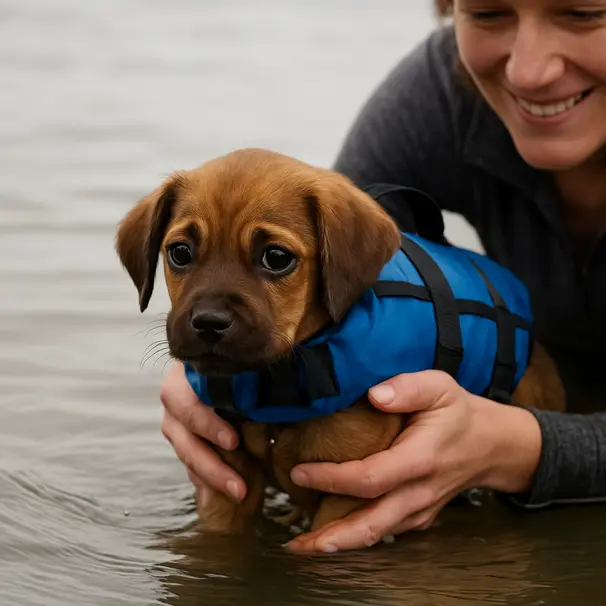
When you move into slightly deeper water, support your dog’s belly under the ribcage so they can practice paddling. This feels reassuring. Consider a well-fitted life jacket even during training.
- Practice gentle retrievals
Use a floating toy to encourage natural paddling. Toss it a short distance. Praise and reward every successful swim back.
- Build up gradually
Increase time and distance slowly. Watch for fatigue. If your dog starts to panic, go back to shallower water and rebuild confidence.
If your dog is hesitant after a few sessions, pause and try again another day. Some dogs take longer. Consider small steps like wading pools and sprinklers for extra confidence building. For dogs with specific anxieties, a professional trainer or a swim-savvy carer can help.
Safety essentials for every water outing
Water play is joyful, but there are risks. Keep these safety basics in mind each time you head out.
Use a life jacket for uncertain swimmers, puppies, seniors and short-legged breeds. Look for a jacket with a handle so you can lift your dog easily.
Supervise constantly. Dogs can get tired quickly and pets can get into trouble near currents, drop-offs or boats.
Rinse off after swimming. Freshwater removes algae and sand. Saltwater or chlorinated pools should be rinsed off promptly to protect skin and coat health.
Avoid strong currents and fast-moving water. Even strong swimmers can be overwhelmed by tidal changes or river eddies.
Keep a first aid kit and a towel in your car or bag. Know where the nearest vet is, especially when visiting unfamiliar areas.
Be cautious with hot pavement or sun exposure. Dogs can overheat. Bring shade and fresh water for drinking.
Protect ears. Some dogs are prone to ear infections after swimming. Dry ears gently and consider an ear-cleaning routine you can discuss with your vet.
Consider having multiple people help supervise large groups of dogs. Carers and owners should agree on signals and rescue plans before heading into the water.
Gear that helps dogs enjoy water more
Good gear makes outings easier for both dogs and carers. You don’t need fancy equipment, but a few items make a big difference.
Dog life jacket: Look for buoyancy, a snug fit and a rescue handle. Bright colors add visibility.
Floating toys: Avoid tiny toys that could be swallowed. Bigger, brightly colored floating toys are easier to fetch in water.
Long line: A water-friendly long line gives dogs freedom while letting you maintain control near hazards.
Quick-dry towel or changing robe: Useful for drying and warming up after swims.
Ear-drying wipes or a gentle ear cleaner: Consider products vets recommend to reduce infection risk.
Portable fresh water bowl: Dogs should drink clean water, not lake or sea water. Offer fresh water often.
Sunscreen for dogs: Some short-coated or lightly pigmented dogs may need sunscreen. Use products formulated for dogs and consult your vet first.
If you’re a pet carer, carry spare gear and a checklist so you don’t forget essentials for any dog in your care.
Toys and activities to build water confidence
Swimming can be structured play or calm exercise. Try a few of these ideas to keep things interesting.
Gentle fetch: Use floating toys and short distances for beginners. Reward return with treats and praise.
Water scent work: Hide a toy near shore and have the dog find it. This keeps their nose engaged and reduces stress around deeper water.
Shallow wading games: Create an obstacle course in knee-deep water for short-legged dogs or newcomers.
Tandem swims: If you have two confident dogs, let them swim together under supervision. The confident dog often models calm behaviour.
Dock diving: For advanced dogs, this high-energy sport is thrilling. Start with basic jump training on land first and practise under controlled conditions with experienced handlers.
Always match activities to your dog’s fitness, age and ability. Puppies and senior dogs need shorter sessions and extra supervision.
Aftercare: drying, grooming and health checks
A little aftercare prevents skin issues, ear troubles and discomfort.
Dry well: Use towels to dry fur. Blow-dry on a low, cool setting if your dog tolerates it. Focus on skin folds and the ears.
Brush: A quick brush prevents matting in long or curly coats. Mats trap moisture and cause irritation.
Check paws: Look for cuts, thorns or lodged debris. Salt can irritate pads so rinsing helps.
Monitor energy levels: Swimming uses different muscles. Expect some tiredness for a day or two after vigorous swims.
Watch for signs of illness: If your dog seems unusually lethargic, has vomiting, persistent coughing, or signs of ear infection, consider contacting your vet.
Consider scheduling routine ear checks with your vet if your dog swims regularly. They may suggest a care routine tailored to your dog’s breed and ear shape.
Tips for pet carers and sitters
If you care for multiple dogs or offer professional walks that include water time, a few rules make things safer and smoother.
Meet owners first: Confirm each dog’s swimming history, recall reliability and any health limitations.
Use a buddy system: Keep dogs in pairs or small groups so someone is always watching closely.
Set clear boundaries: Establish a safe swim zone and agree on recall cues with owners before starting play.
Bring extra gear: Life jackets, towels and treats for hesitation are helpful when caring for unfamiliar dogs.
Communicate: Let owners know how their dog behaved in the water, any incidents and how much time they spent swimming.
Professional carers should maintain updated emergency contacts and veterinary information for every dog in their care.
Final thoughts and gentle reminders
Water opens up a whole world of fun for many dogs. It can build muscle, ease joint pain through low-impact exercise and provide mental stimulation. Start slowly, focus on positive experiences and respect each dog’s pace. When in doubt, consider a life jacket and consult a trainer or your vet for personalised guidance.
There is nothing quite like a content, wet dog shaking off after a good swim. With the right approach, you and your canine friend can make many safe and happy memories by the water.